Inside MiroFish: The Open-Source Engine for Predictive Social Simulation
While most AI agents are built to execute tasks, MiroFish uses GraphRAG and multi-agent swarms to simulate how thousands of humans will react to new information.
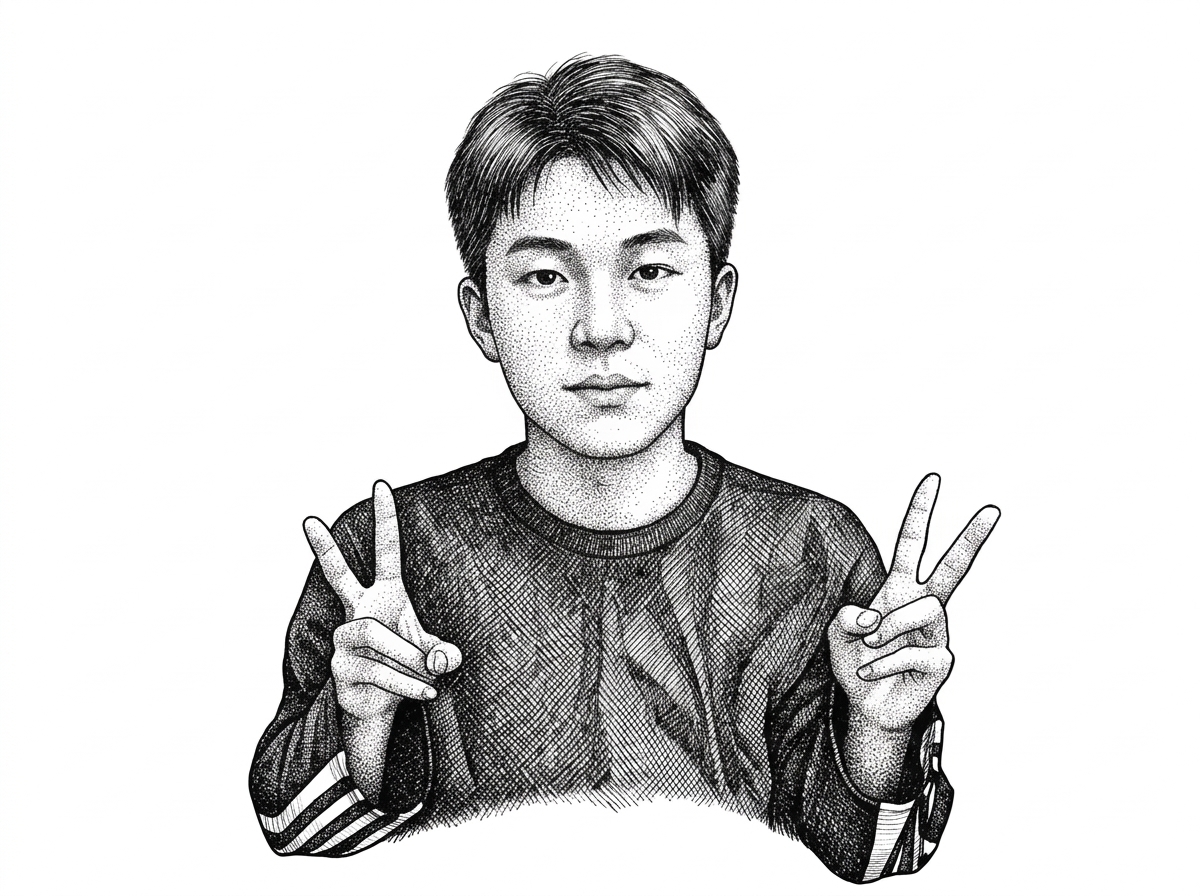
I was really excited at first. After reaching 10k, I kind of lost the feeling.
- MiroFish shifts the multi-agent focus from task execution to simulating emergent social behaviors and public opinion.
- The system uses GraphRAG to ground agent interactions in structured knowledge and prevent simulation hallucinations.
- Hardcoded cultural logic and profile generators transform static data into agents with distinct personalities and human sleep schedules.
- A file-based IPC architecture decouples the simulation engine from the web server to ensure stability during long-running experiments.
The Shift to Simulative AI
Most multi-agent frameworks are designed for execution. You give them a goal, and they write code, browse the web, or book a flight. MiroFish flips this paradigm entirely. It is designed for prediction. By combining GraphRAG with thousands of autonomous agents, it creates a digital twin of a social network to forecast how public opinion, market trends, or rumors will spread.
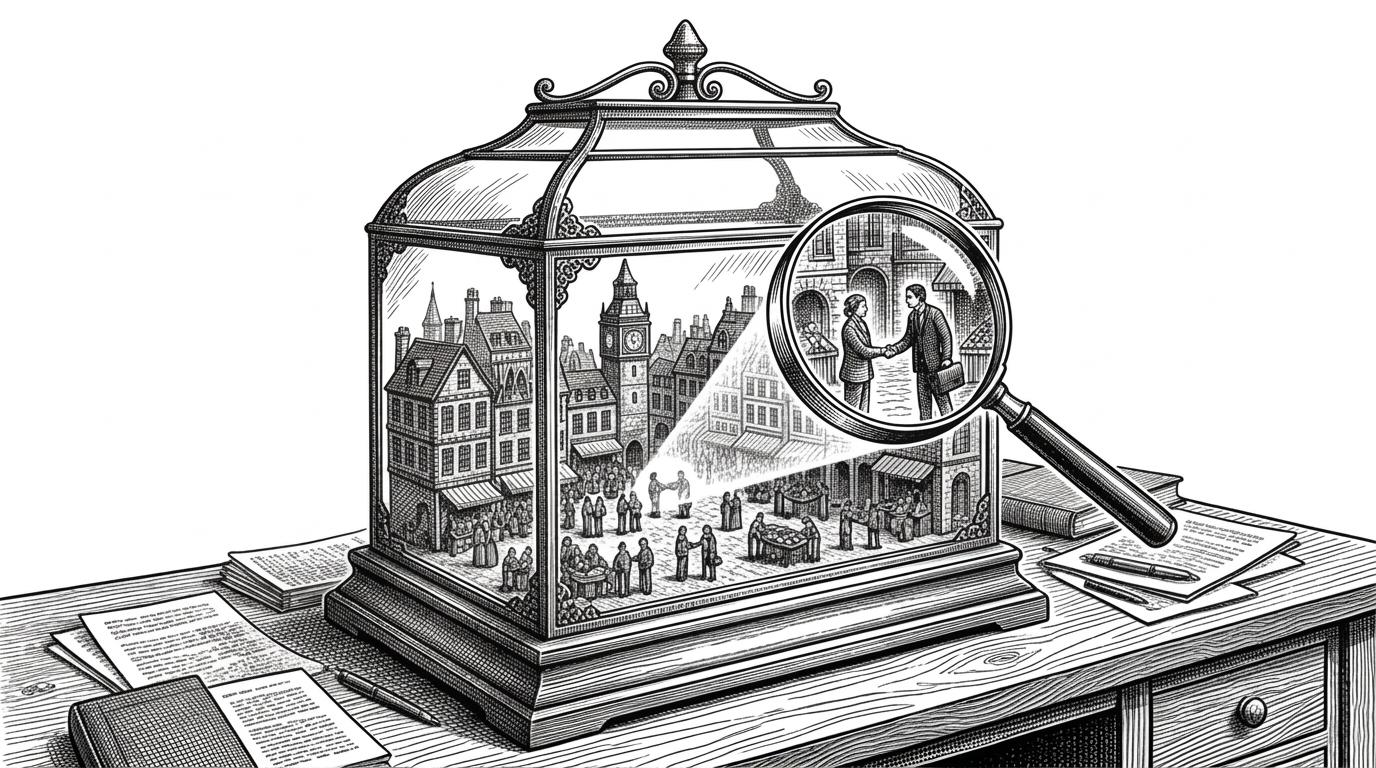
Asking a single large language model what will happen in a complex social scenario usually fails. The model averages out human behavior into a bland consensus. MiroFish takes a different approach. It builds 1,000 distinct agents, gives them different personalities and biases, and watches them interact. The story here is the shift from Generative AI to Simulative AI. It operates as a pre-rehearsal laboratory for real-world social dynamics.
Grounding the Swarm with GraphRAG
The biggest risk in running a massive simulation is hallucination. If agents invent their own facts, the simulation derails. MiroFish prevents this by grounding its swarm using Zep Cloud and a GraphRAG architecture. The `graph_builder.py` service handles the ingestion of raw text (seed documents like news reports or literature) and transforms it into a structured knowledge graph.
This graph acts as the physical laws of the simulation. Without this Extract, Transform, and Load (ETL) layer, the agents would have no world knowledge or relational context to act upon. The system uses an `InsightForge` pattern to perform multi-dimensional retrieval. It simulates requirements and generates relationship chains so the agents understand exactly how entities are connected over time.
Hallucinating Reality
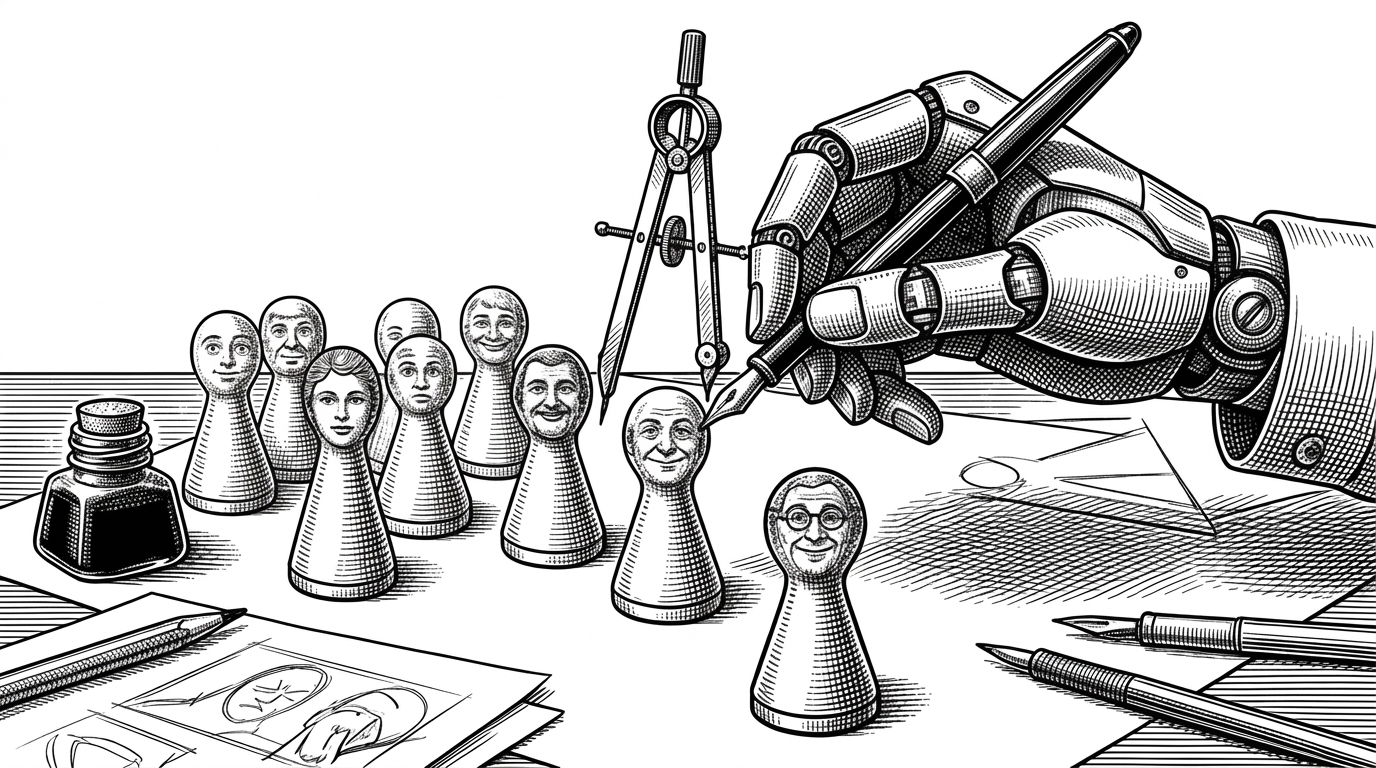
Converting a static graph node into a living agent requires a translation layer. The `oasis_profile_generator.py` script uses a language model to hallucinate rich personas based on minimal graph data. It assigns each agent a profession, a Myers-Briggs personality type, and a social standing.
The configuration logic is deeply culturally grounded. For example, the engine includes a hardcoded Chinese timezone configuration that defines dead hours (midnight to 5 AM) and peak hours (7 PM to 10 PM). This ensures the simulated agents sleep, post, and react on schedules that mimic real human populations, rather than acting as tireless bots.
The File-System Lifeline
Social simulations are computationally expensive and can run for hours. If the web server managing the UI crashes, the simulation should not die with it. To solve this, MiroFish uses a file-based Inter-Process Communication (IPC) architecture defined in `simulation_ipc.py`.
This mechanism decouples the Flask backend from the heavy simulation subprocess. The system uses an asynchronous command and response pattern via the file system. The Flask app drops JSON commands into a directory, and the simulation engine polls that directory, executes the command, and writes a response file back. It is a pragmatic, battle-tested pattern that keeps massive simulations stable.
Synthesizing the Chaos
Watching thousands of agents argue on a simulated timeline is overwhelming. To make the data useful, MiroFish employs a specialized `ReportAgent`. This agent uses the ReACT (Reasoning and Acting) pattern to observe the simulation, interview key node clusters, and write a final analytical brief.
| Framework | Core Focus | Architecture Model | Primary Output |
|---|---|---|---|
| MiroFish | Predictive emergence | GraphRAG + OASIS swarm | Analytical forecasts and social simulation reports |
| Hive | Self-healing execution | Queen and Worker hierarchy | Completed digital tasks and refined agent logic |
| ChatDev | Software factory | Sequential waterfall simulation | Compiled code repositories and software documentation |
| Stanford Smallville | Academic observation | Memory stream and reflection | Qualitative behavioral research and 2D sandbox logs |
From Stanford to Beijing
MiroFish is a direct spiritual successor to the famous Stanford Smallville experiment, which proved that agents could maintain memory streams and live simulated lives. Created by Guo Hangjiang, an undergraduate student at Beijing University of Posts and Telecommunications, the project launched in March 2026 and rapidly gained traction in the open-source community.
Backed by institutional investment, the engine is now being adapted for everything from literary analysis to financial market forecasting. By focusing on consequences rather than task completion, MiroFish offers developers a zero-risk environment to test how reality might unfold.
Sources: Codebase analysis of 666ghj/MiroFish; architectural documentation; and interviews with the creator via blocmates.