My-Brain-Is-Full-Crew: The second brain that staffs itself
A Claude Code dispatcher, specialized agents, and filesystem state turn an Obsidian vault into a self-managing personal operations layer.

Built by a PhD whose memory was failing, whose diet was a mess, and whose anxiety had its own agenda. Most second brain tools ignore the fact that your brain doesn't work in isolation: your body and your mental health are part of the system too.
- My-Brain-Is-Full-Crew turns second-brain maintenance from a user chore into a staffed service.
- The dispatcher pattern keeps Claude from freelancing by routing each request into a sanctioned skill or specialist agent.
- Its most distinctive behavior is self-repair, where agents create missing structure and write persistent state back into the vault.
- Its real competition is not another note template, but generic agent frameworks that leave the workflow, memory, and organization to the builder.
A second brain usually makes one quiet assumption: you will maintain it. My-Brain-Is-Full-Crew breaks that contract. It turns an Obsidian vault into a staffed operations layer where Claude Code dispatches work, specialists complete it, and the filesystem keeps the memory.
The vault you never touch
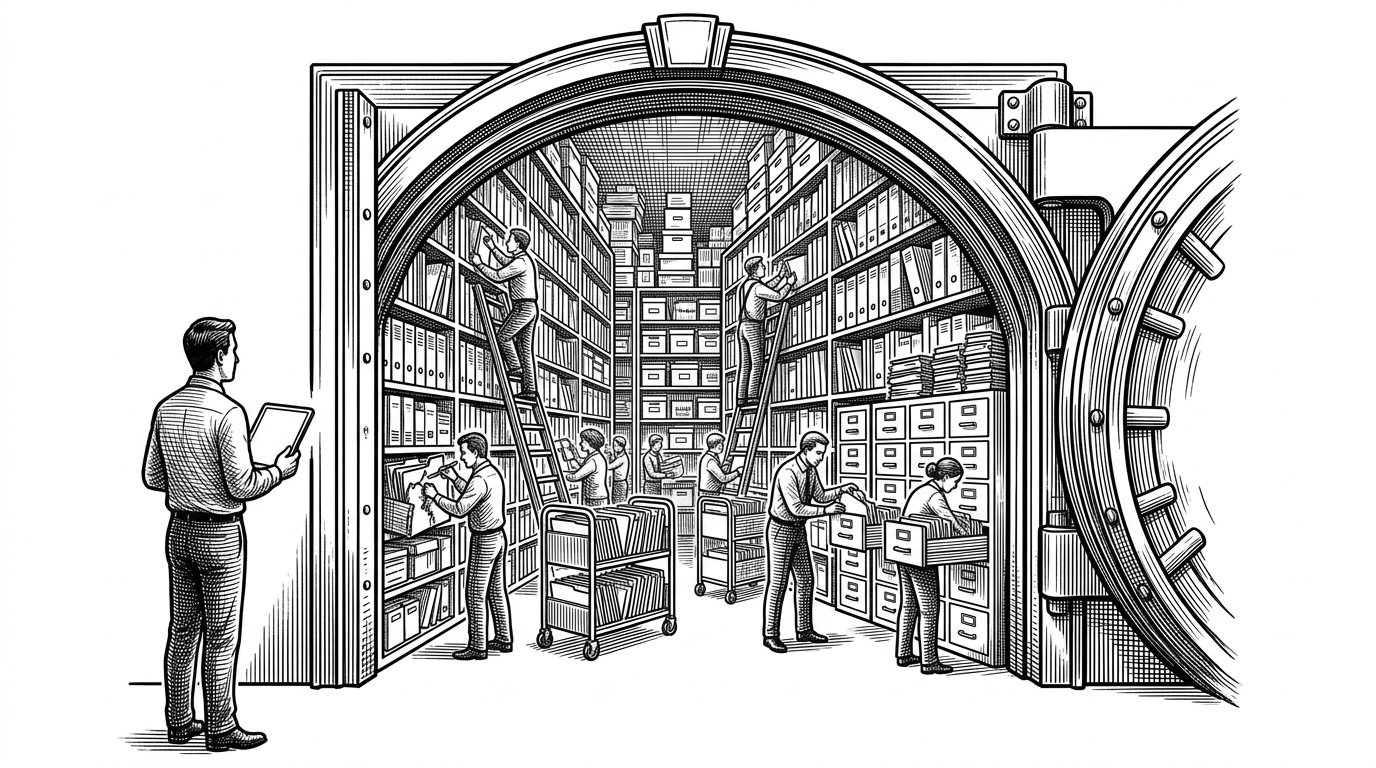
The golden rule is blunt. The human is not the folder manager, the note janitor, or the repair loop. Claude Code sits at the front door as a dispatcher, and the vault changes happen behind the curtain. That is why the repo feels less like a template and more like an operating system for executive function.
Built for people who are drowning, not optimizing
That origin story matters because it sets the user model. This is not a tool for people polishing an already tidy workflow. It is for people carrying too many moving parts at once, where memory, nutrition, and mental load are part of the same system.
What makes this different Most "AI + Obsidian" tools are built for **people who already have their life together** and want to optimize. This one is for people who are **drowning** and need a lifeline.

How the dispatcher decides what happens next
The core rule lives in CLAUDE.md: skills first, agents second. Skills are the longer workflows. Agents are narrower specialist jobs. Claude is not free to invent a new route, which keeps the system predictable when the request is messy.
That constraint is the feature. A request can fan out into a skill, hand off to an agent, then land in Meta/states/ as durable context. The result is less like chatting with a bot and more like filing a ticket into a small internal service desk.
The routing table also recognizes intent in multiple languages, which is a quiet clue about the product philosophy. The system is supposed to meet the user where they are, not force one ideal prompt shape.
The self-healing vault

The self-healing loop is what makes the vault feel staffed instead of scripted. Architect can create the missing folder structure, Scribe can capture the note, connector can link related pieces, and defrag can surface orphaned fragments. State files in Meta/states/ give those moves persistence between sessions.
The shell scripts around that core matter too. They install, update, and protect the local crew like infrastructure, which means the repository behaves more like a managed system than a loose collection of prompts.
Why this beats a generic framework for this use case
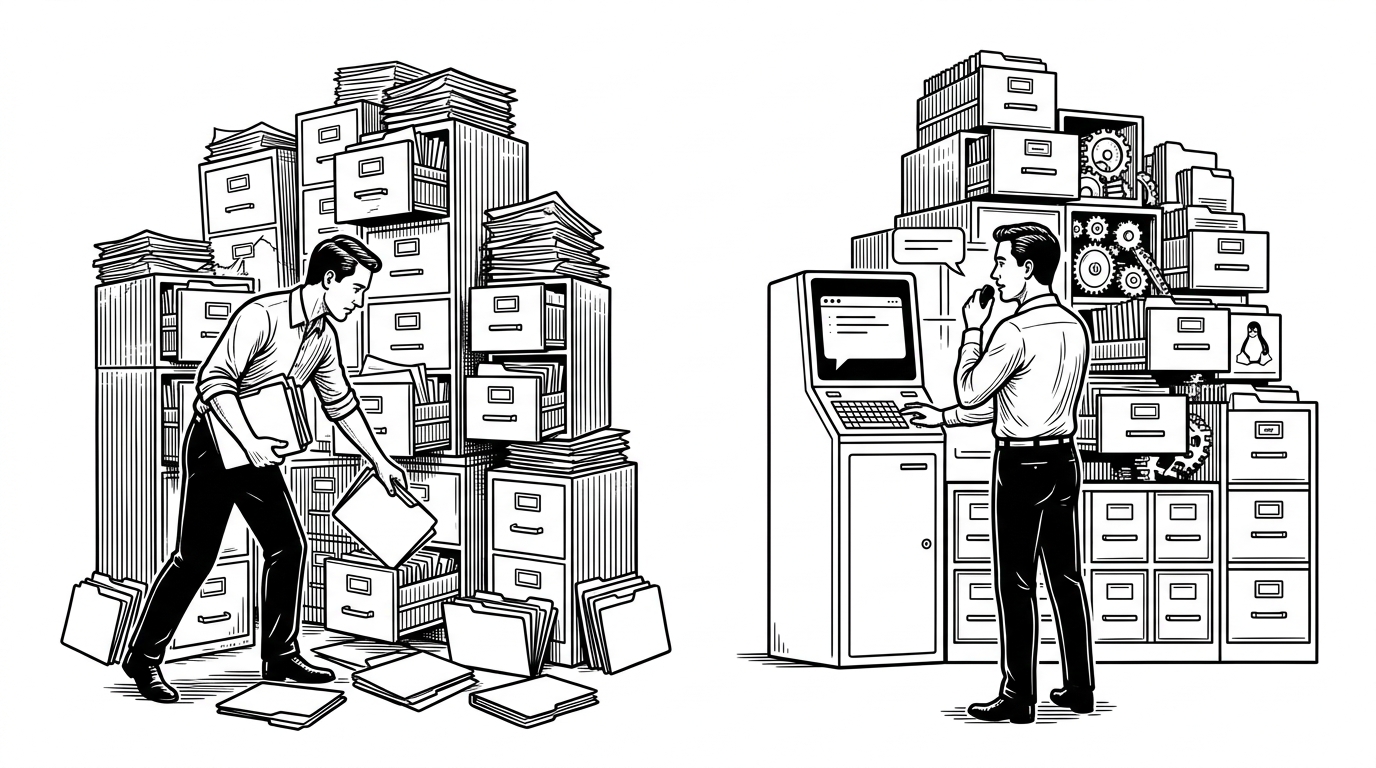
CrewAI and OpenClaw help you assemble agents. Supermemory helps you remember. Obsidian templates help you stay organized. My-Brain-Is-Full-Crew packages those concerns into one opinionated stack where the vault, the dispatcher, and the repair loop already know each other.
| Project | Who manages structure | Persistence | Best for | What this repo changes |
|---|---|---|---|---|
| Traditional Obsidian template | Human | Manual markdown | People who like explicit folders | Automates routing and repair instead of asking for discipline |
| CrewAI or OpenClaw | Builder | Custom setup | Teams building bespoke agent apps | Ships a ready-made personal workflow on top of the agents |
| Supermemory | App developer | External memory API | Apps that need durable recall | Keeps memory local, readable, and tied to vault actions |
The trade-offs
That opinionation is the cost. The repo is tightly coupled to Claude Code, Obsidian, local files, and its own lifecycle scripts. If you want a general framework, it is too specific. If you want a ready-made personal operations layer, that specificity is exactly what lowers the friction.
The bigger idea is simple. The next useful second brain may not be a perfect archive. It may be a small staffed system that can delegate, persist, and repair itself while you get on with the rest of your day.