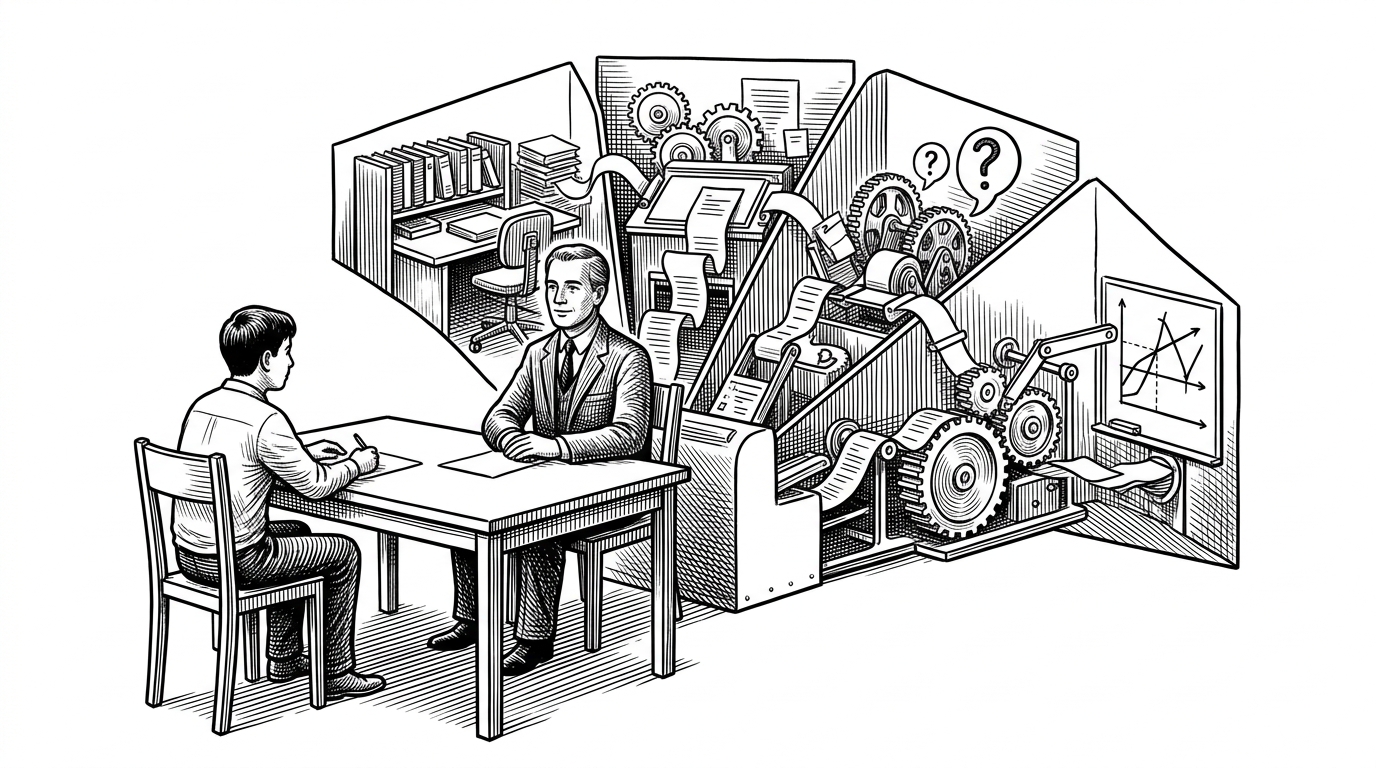
deep-diligence: Deep Diligence: The Open-Source Agent That Keeps Investigating After It Sends the Email
A multi-agent due diligence system that goes beyond RAG, combining web research, browser automation, and asynchronous outreach into one persistent workflow.
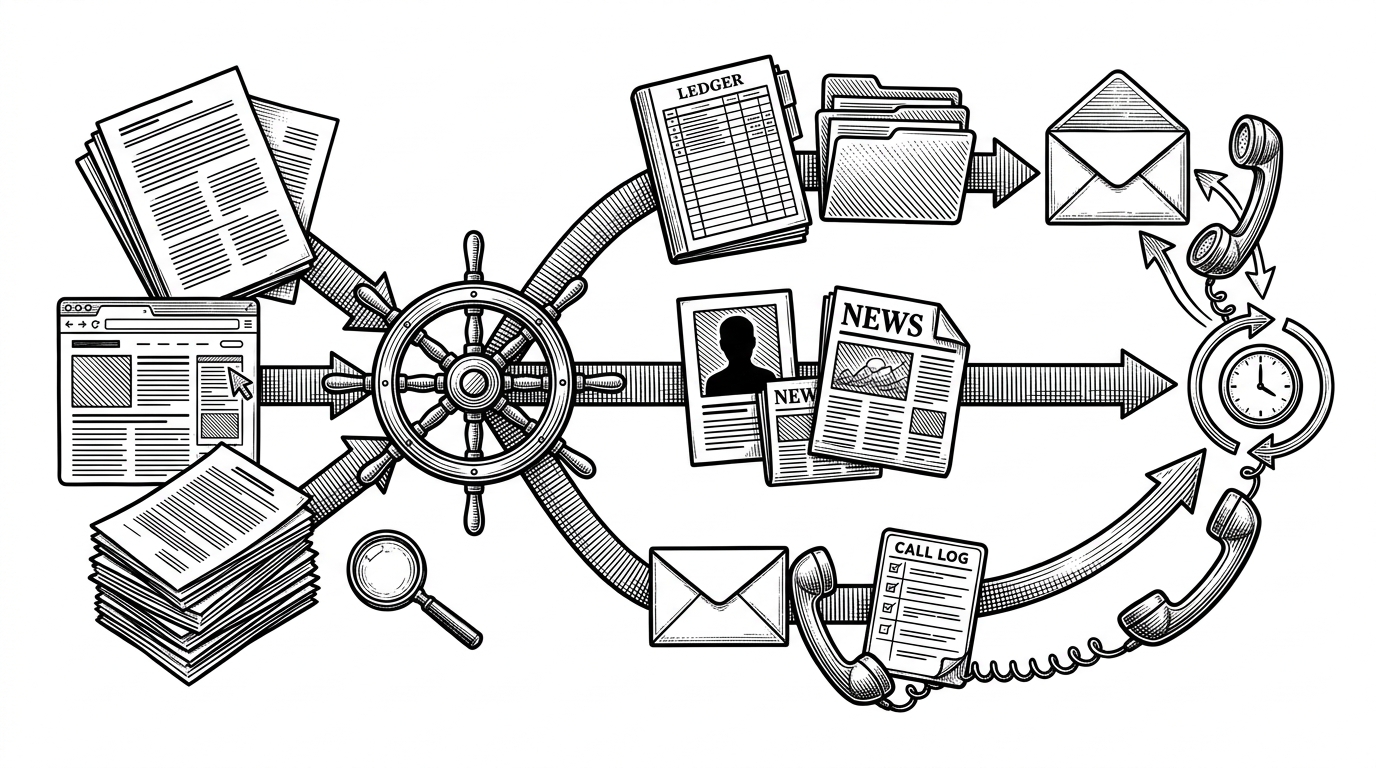
- Deep Diligence is interesting because it treats due diligence as a persistent investigation, not a single model prompt or search session.
- Its real breakthrough is the wait-and-resume loop, where email and phone outreach become first-class research tools instead of side effects.
- The repo is organized like a small analyst team, with an orchestrator handing off work to specialist sub-agents and preserving their state in the database.
- The system matters because it turns scattered signals into verified evidence that can survive delays, callbacks, and follow-up questions.
Most AI research tools stop at retrieval. Deep Diligence is built to keep going after it has already acted in the world. It can search, delegate, send email, place calls, wait for replies, and pick the investigation back up later with fresh evidence.
That shift matters because diligence is not a chat problem. It is a state problem. Facts arrive late, replies are partial, and the best next move depends on what happened after the last tool call, not just what the model saw at the start.
Why This Agent Is Different
The sharpest idea in this repo is simple: an agent should not have to finish before the world responds. Deep Diligence treats outreach as part of the research loop, so a reply to an email or a transcript from a phone call can re-enter the workflow as evidence, not as an afterthought.
That makes the system feel less like a demo and more like an operating process. The project is not trying to summarize the internet faster. It is trying to verify claims the way a real analyst team would.
The Analyst Team Inside One Repo
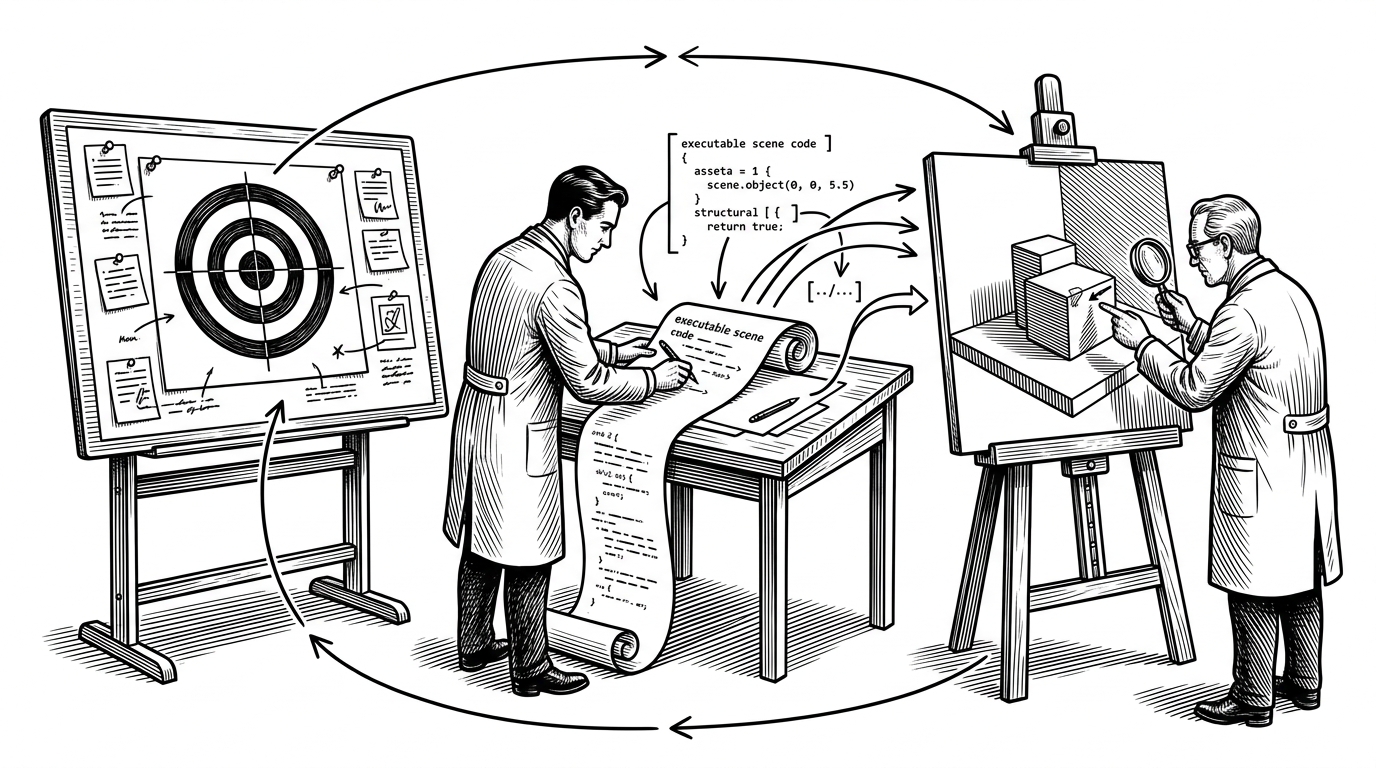
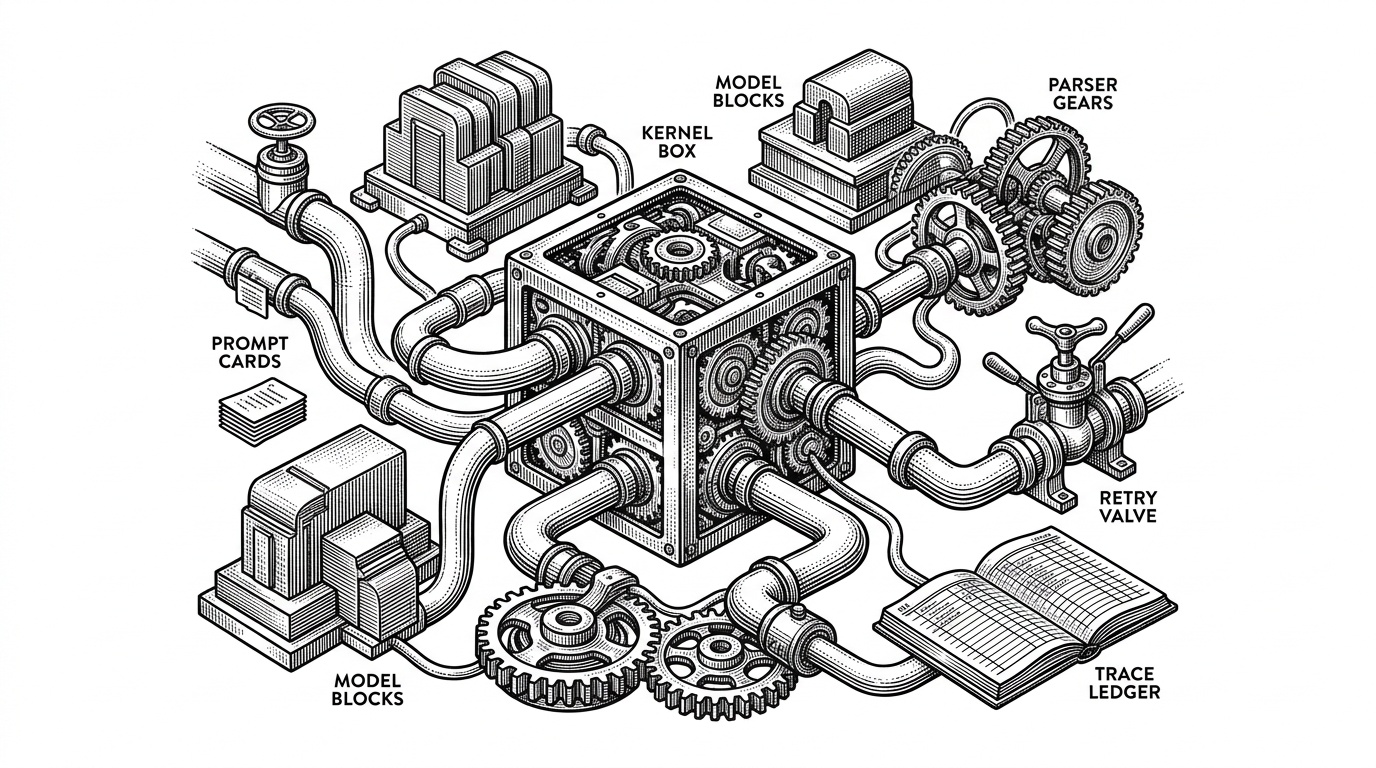
The architecture is structured around an orchestrator and specialist sub-agents. The orchestrator takes the project goal, breaks it into work streams, and delegates to focused agents for corporate research, founder research, and contact verification. It is closer to a small case management system than a single prompt wrapped in tools.
| Role | What it does | Why it matters |
|---|---|---|
| Orchestrator | Breaks the goal into tasks and manages the plan | Prevents the system from becoming one giant prompt |
| Corporate agent | Checks registries, filings, and entity structure | Finds whether the company is real and how it is organized |
| Founder agent | Looks across biographies, profiles, and news | Builds a credibility picture around the people involved |
| Contact agent | Reaches out by email and phone | Turns research into direct verification |
| Database state | Stores projects, agents, messages, and conversations | Lets the investigation survive pauses and returns |
That separation of concerns is the project’s real discipline. Each agent has a bounded lane, and the database keeps the evidence attached to the case instead of scattering it across one-off runs.
The Wait-and-Resume Trick
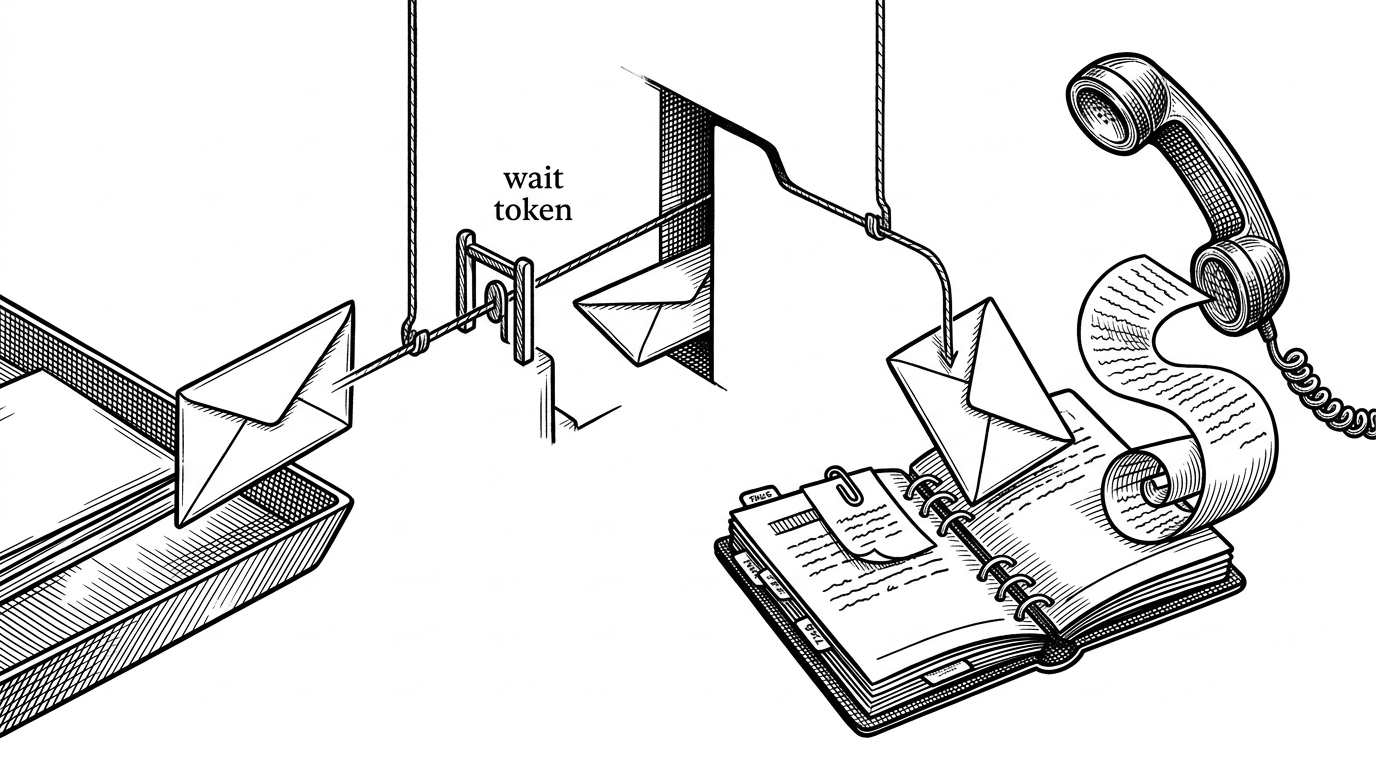
This is where Deep Diligence jumps past ordinary agent tooling. It uses Trigger.dev wait tokens so an agent can send a message, pause without losing context, and resume later when a webhook delivers the reply or transcript. In other words, the workflow does not block in a fragile process. It yields into durable background state.
Email uses plus-addressing to route replies back to the right conversation. Phone calls use conversational voice tooling, then return with analysis and transcripts. In both cases, the reply is not a fresh prompt. It is reinjected into the same investigation trail.
Goal -> Orchestrator -> Sub-agent
Sub-agent -> send email / start call
Action -> wait token
Webhook reply -> conversation record
Conversation record -> rehydrate agent context
Context -> orchestrator follow-up or close case
That design changes the unit of work. Instead of a completion prompt, the system has a lifecycle: plan, dispatch, wait, absorb new evidence, decide again. That is the right shape for diligence.
Why State Matters More Than Prompts
The schema tells the same story as the tooling. Tables such as project_researches, subagents, subagent_messages, email_conversations, and phone_conversations make the investigation queryable and resumable. The agent is not pretending to remember. The system is actually storing the case file.
That distinction is easy to miss if you only look at the prompt layer. But it is the difference between a clever demo and something that can survive a multi-day research cycle with partial failures, delayed replies, and handoffs between tools.
Browser Automation, But With Judgment
The repo also uses Firecrawl and browser-use-sdk, which matters because diligence rarely stops at static HTML. Some facts sit behind buttons, dynamic pages, or workflows that need a human-like click path. Browser automation becomes the sensory layer that catches what simple scraping misses.
That is a subtle but important move. The system does not treat the browser as a vanity feature. It treats browsing as one more way to gather verifiable signals when a page cannot be reduced to a clean fetch.
How It Compares to Ordinary AI Research Tools
| Capability | Conventional AI research assistant | Deep Diligence |
|---|---|---|
| One-shot browse and summarize | Yes | Yes |
| Multi-agent delegation | Usually shallow or absent | Built in through orchestrated specialists |
| Persistent state across sub-tasks | Limited | Core design principle |
| Outbound email verification | Rare or simulated | Native workflow |
| Phone outreach | Almost never | First-class tool path |
| Resume after delayed reply | No | Yes |
| Browser interaction beyond static scraping | Sometimes | Yes |
| Research traceability | Often weak | Explicitly stored in project and conversation tables |
The comparison is blunt for a reason. Most AI research tools retrieve and summarize. Deep Diligence delegates, persists, contacts, waits, and verifies. That is not a better chatbot. It is workflow infrastructure.
What This Repo Suggests About the Future of Diligence
The broader implication is bigger than one repo. Deep Diligence compresses a messy, human process into software that can survive time, delay, and follow-up. That makes it interesting not just as an agent demo, but as a preview of how research work may be operationalized.
If the system works as intended, the analyst is no longer the only place where context lives. The workflow itself becomes the memory. And once that happens, the line between research assistant and research operation starts to disappear.