LangChain Core: The Standard Library for AI Workflows
Inside the Runnable kernel that turns prompts, models, retries, and traces into one composable system.
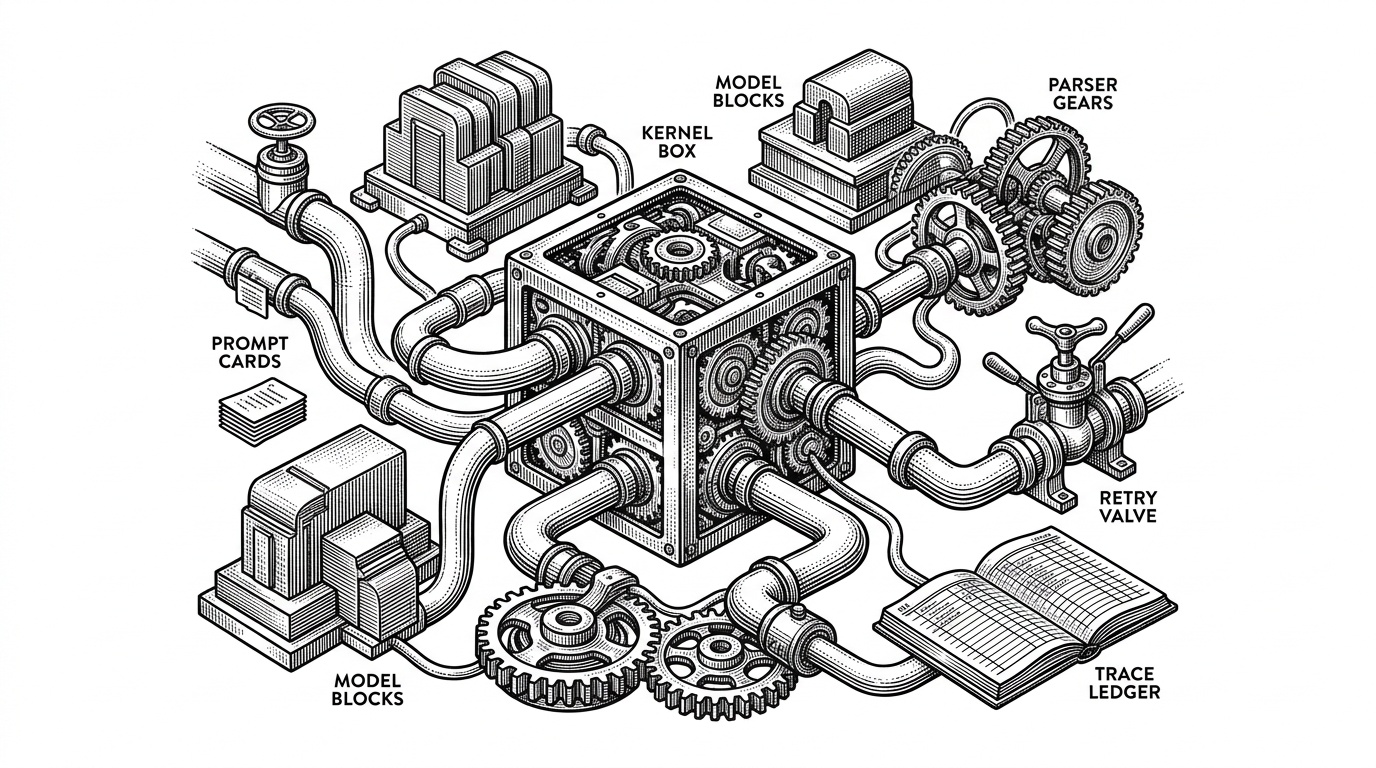
- LangChain Core is trying to define a common execution grammar for AI programs, not just a bundle of convenience helpers.
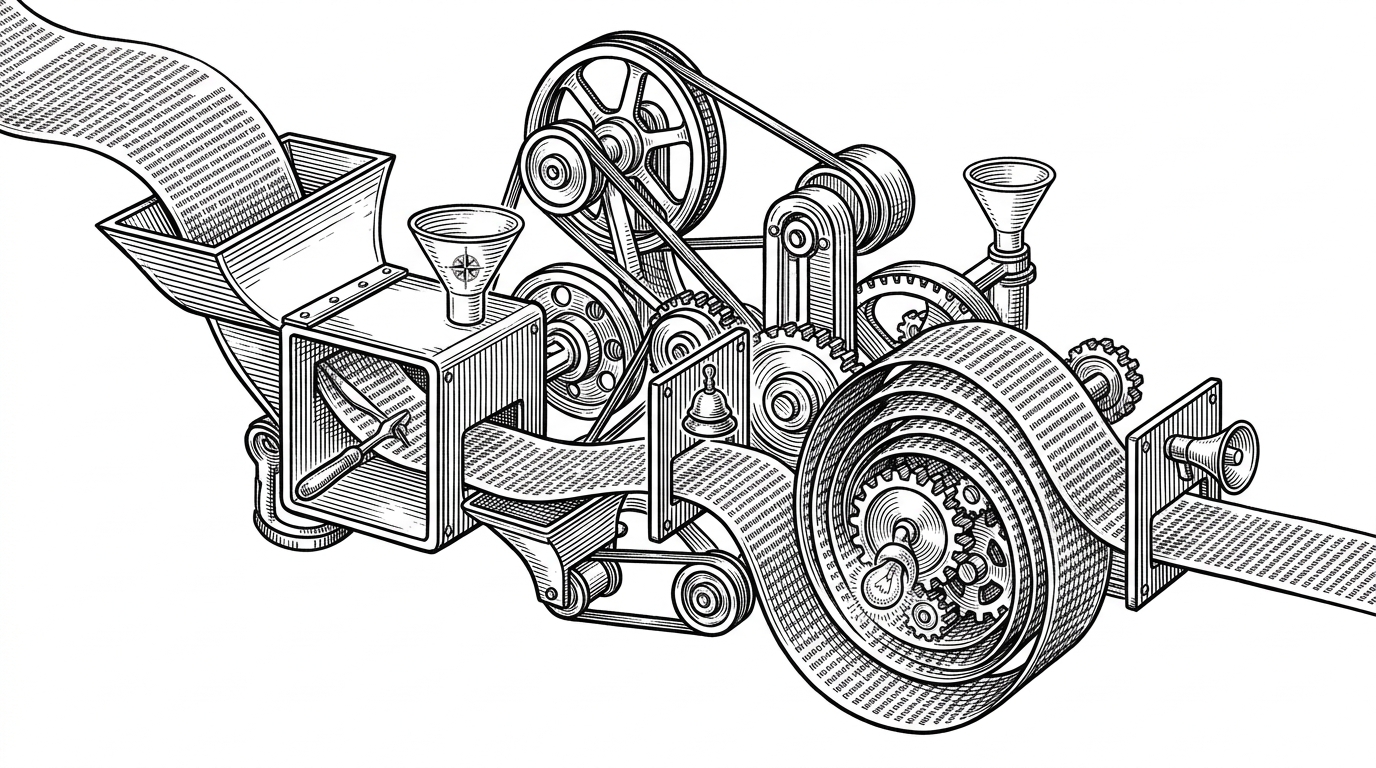
- The `Runnable` abstraction matters because it unifies sync, async, batch, stream, and trace-aware execution behind one interface.
- Serialization and observability are first-class design goals, which makes LangChain better suited to production workflows than to quick demos.
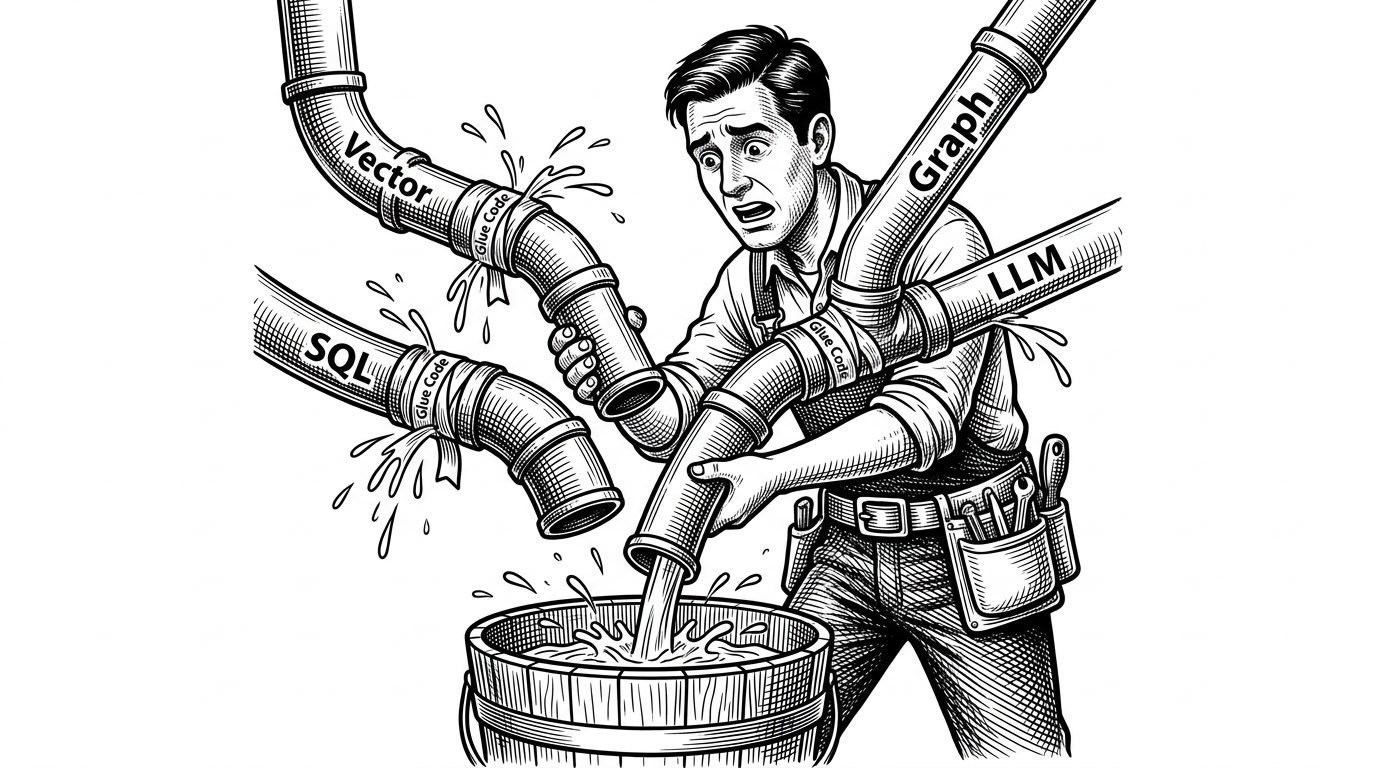
- Its breadth is the point and the problem, because the same abstraction power that makes it flexible also makes it harder to reason about.
LangChain is usually described as a framework for building LLM apps. That is true, but it undersells the ambition. The real move in `langchain-core` is to define a common interface layer for AI software, one that treats prompts, models, tools, retries, traces, and async boundaries as parts of the same program model.
That is why the article starts with `Runnable`. It is the smallest unit that explains the whole repo. Once you understand that LangChain wants every step in the pipeline to look and behave like a composable object, the rest of the architecture starts to make sense.
The AI program model LangChain wants to own
`langchain-core` is the stable center of a fast-moving monorepo. The surrounding ecosystem can change, but the core abstractions are designed to stay recognizable. That is a strategic choice: if the interface layer is durable, integrations can churn without forcing every app to be rewritten.
Working alone from his apartment, the 27-year-old Harvard graduate built the first version of LangChain in nine days—a Python library that would accumulate 99,000 GitHub stars, 130 million downloads, and a $1.25 billion valuation within three years.
Why the repo split into a core kernel
The repository now reads like a platform with a kernel at the center. `libs/core` holds the base classes and interface definitions. Around it, integrations and tests can evolve faster, while the core preserves the language that all of them speak.
That split matters because the AI stack is unstable at the edges. Providers change APIs. Message formats drift. Retry behavior gets weird. A core package gives LangChain a place to standardize the contract, even when the vendor landscape keeps shifting.
Runnable is the real engine
The heart of the framework is a single idea: a workflow step should be a `Runnable`. That gives LangChain a common surface for `invoke`, `batch`, `stream`, and their async counterparts. It also makes composition feel natural in Python, because the pipe operator turns separate steps into one readable expression.
chain = prompt | model | parser
result = chain.invoke({"topic": "AI workflows"})

async for chunk in chain.astream({"topic": "AI workflows"}):
    print(chunk)
The important part is not the syntax. It is the contract. If one step produces a type the next step cannot consume, the whole pipeline gets harder to assemble. LangChain leans on generics and validation to keep that graph coherent across sync and async execution.
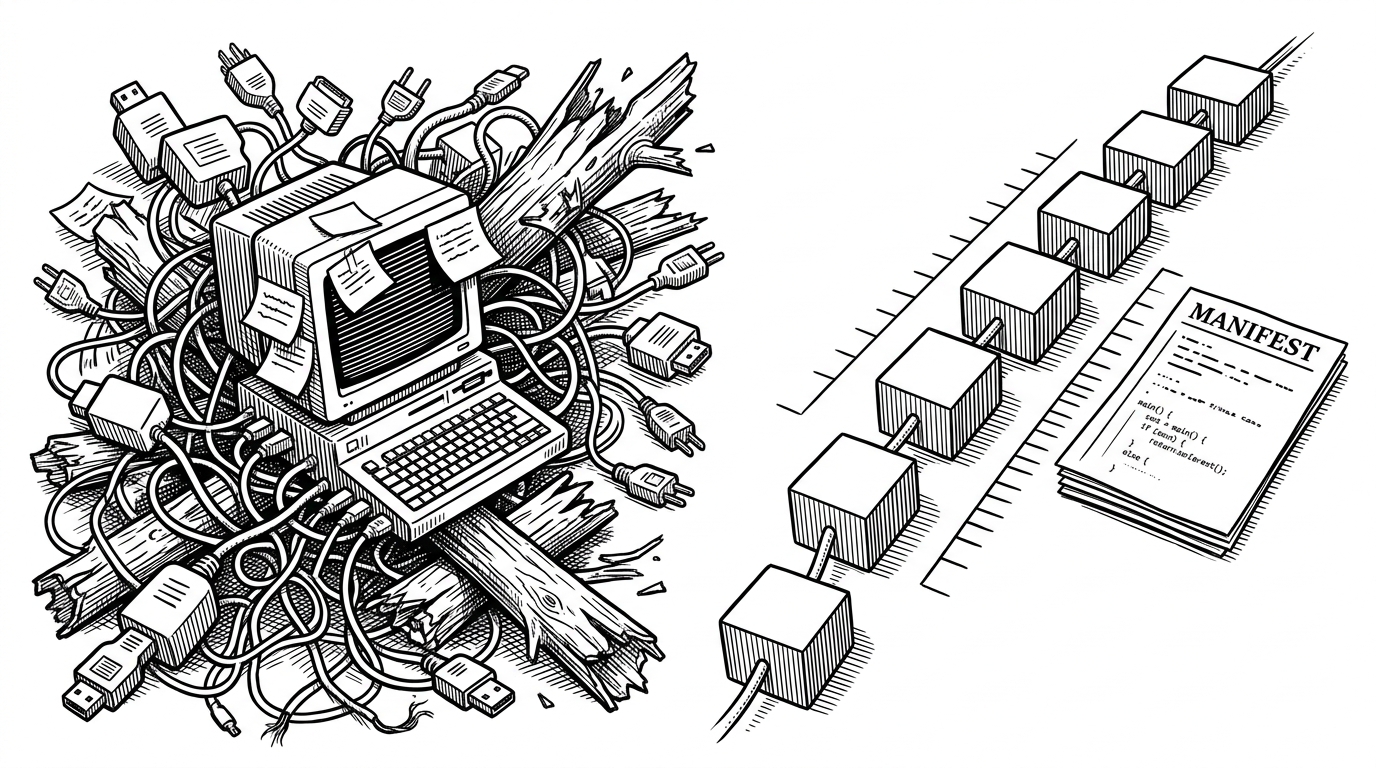
Serialization is the hidden superpower
The deeper bet is that AI workflows should be inspectable software objects. Much of the core inherits from `Serializable`, which means a chain is not just executable. It can be represented, traced, and handed off to systems like LangSmith for debugging and evaluation.
That is a different philosophy from notebooks and ad hoc scripts. LangChain wants the workflow itself to be legible infrastructure. If a run fails, the system should have enough structure to tell you where, why, and with what metadata it failed.
The model adapters are built for messiness
The language model layer has to absorb the chaos of the market. Some providers behave like chat APIs. Others expose completion-style endpoints. Some return content blocks. Others return plain text. LangChain normalizes enough of that mess to let the application author think in one shape.
That normalization is practical, not pretty. The codebase includes caching, token counting, tracing hooks, and defensive error parsing because production systems need to survive provider quirks, not admire them.
Why LangChain still matters in a crowded field
LangChain does not compete on narrowness. It competes on breadth. LlamaIndex goes deeper on retrieval. Semantic Kernel fits naturally into Microsoft-heavy shops. CrewAI and AutoGen lean into multi-agent patterns. LangGraph pushes harder on stateful graphs. LangChain sits above that field as the broad abstraction layer.
| Project | Primary focus | Best at | Main abstraction | Where LangChain differs |
|---|---|---|---|---|
| LangChain Core | General AI workflow plumbing | Composable model, prompt, tool, and trace orchestration | Runnable pipeline | Broadest interface layer, with serialization and execution modes baked in |
| LlamaIndex | Retrieval and data access | RAG over large private corpora | Index and query pipeline | More retrieval-first and narrower in scope |
| Semantic Kernel | Enterprise integration | Microsoft ecosystem alignment | Plugins and skills | Closer to enterprise stacks and .NET/Java workflows |
| CrewAI | Multi-agent collaboration | Simple team-of-agents demos | Agent roles and tasks | More specialized around agent narratives than core execution contracts |
| AutoGen | Conversational agent systems | Agent-to-agent interaction patterns | Message-driven agents | Less centered on a single composable runtime grammar |
| LangGraph | Stateful agent graphs | Cycles, branching, and persistent state | Graph-based execution | More explicit about graphs, while LangChain is broader and more general-purpose |
That breadth is the selling point and the trap. The more ground one abstraction tries to cover, the more it risks becoming harder to debug and harder to teach. LangChain accepts that trade-off in exchange for a common language across the stack.
The trade-off the framework never escapes
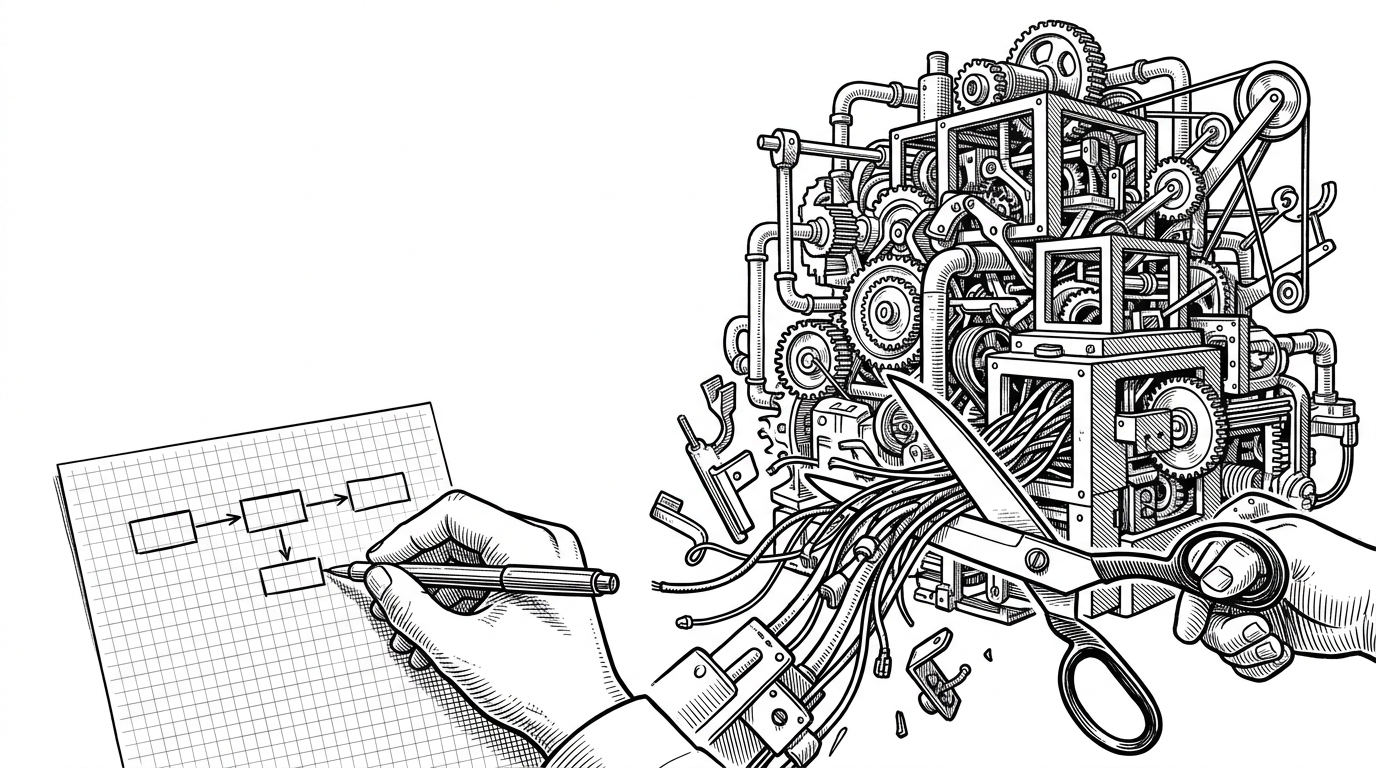
The framework’s strongest idea is also its most expensive one. Abstracting too much can blur the edges of a system, and blurred edges make tracebacks, onboarding, and operational debugging harder. That is why the repo’s best feature is not magic composition. It is the discipline of making that composition observable.
LangChain Core is trying to become the standard library for AI workflows. Whether it becomes the default interface layer or just the most influential one, the ambition is clear: turn model apps into software with contracts, traces, and repeatable behavior instead of one-off prompts held together by luck.