Furina: The Rust DLL That Rebuilds a Game World From Packets
An internal Pixel Worlds cheat that hooks the game, decodes nested BSON messages, and turns compressed network data into a live minimap and player tracker.

- Furina's real novelty is not that it hooks a game, but that it reconstructs a live world model from packet noise.
- The packet handler and minimap code form a small reverse-engineering pipeline, where nested BSON and compressed payloads become visible state.
- Rust gives the project a cleaner structure than the usual internal-cheat stereotype, even though the underlying workflow is still fragile and version-sensitive.
- The project sits in the uneasy space where technical curiosity, game research, and cheating overlap.
Furina does one thing unusually well: it turns a hidden stream of bytes into something you can actually read. Instead of treating the network as noise, it reconstructs a live picture of the world, complete with player positions and a minimap. That is the story. The Rust DLL is just the mechanism.
The packet stream becomes a world model
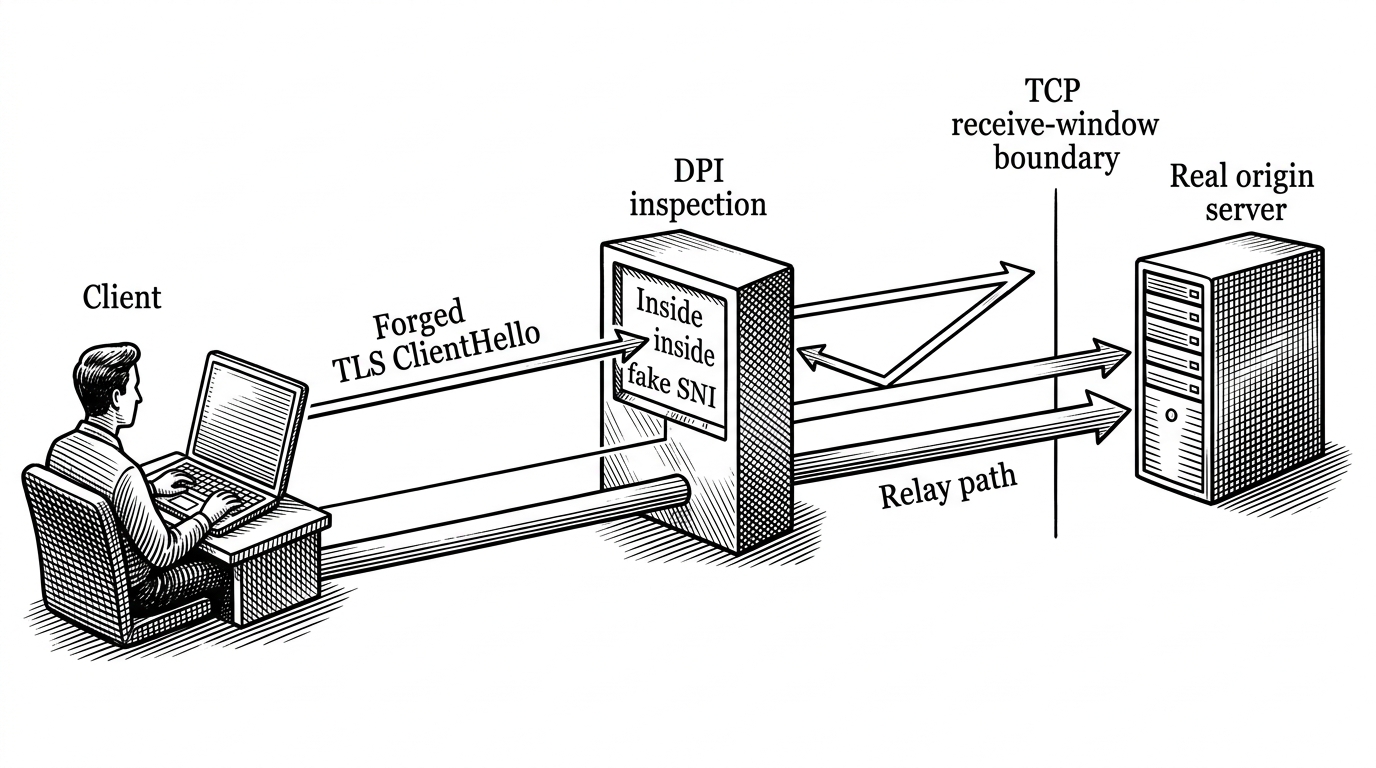
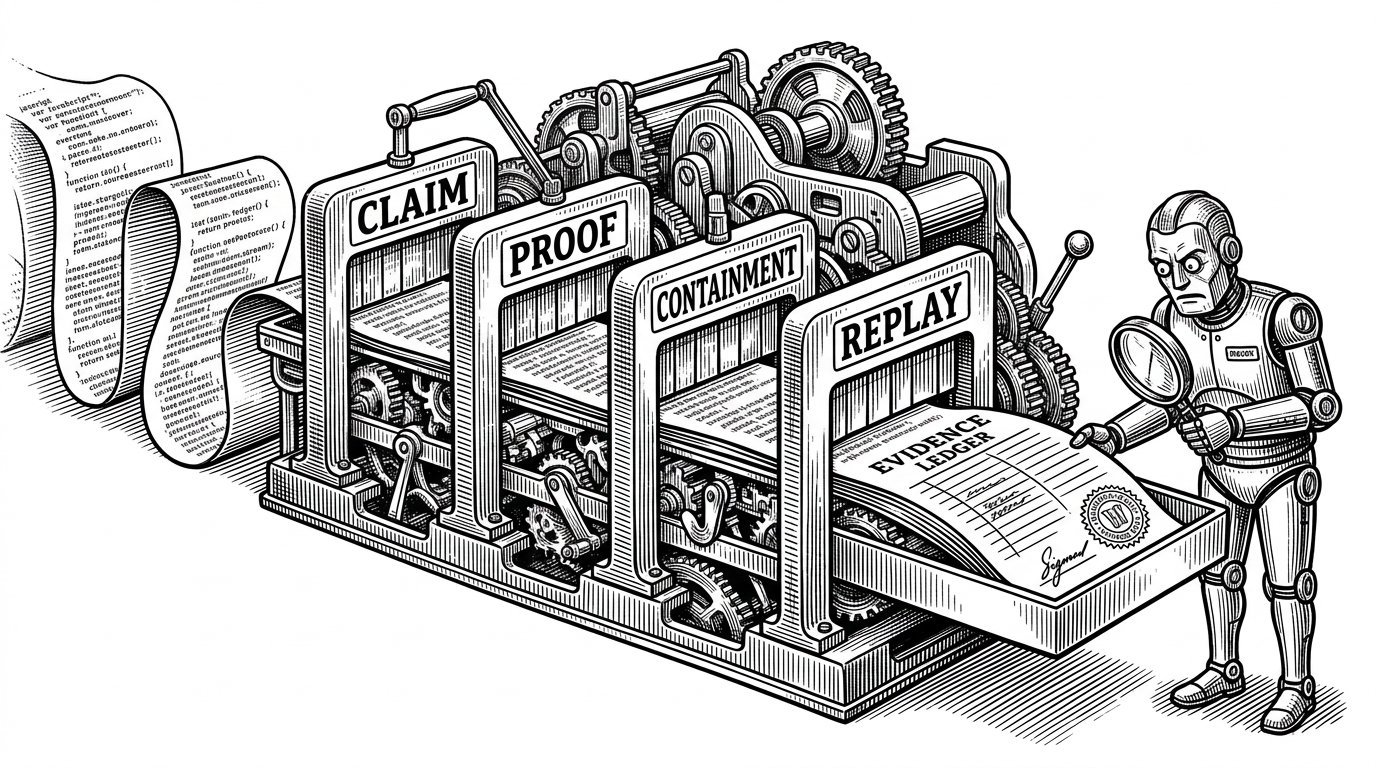
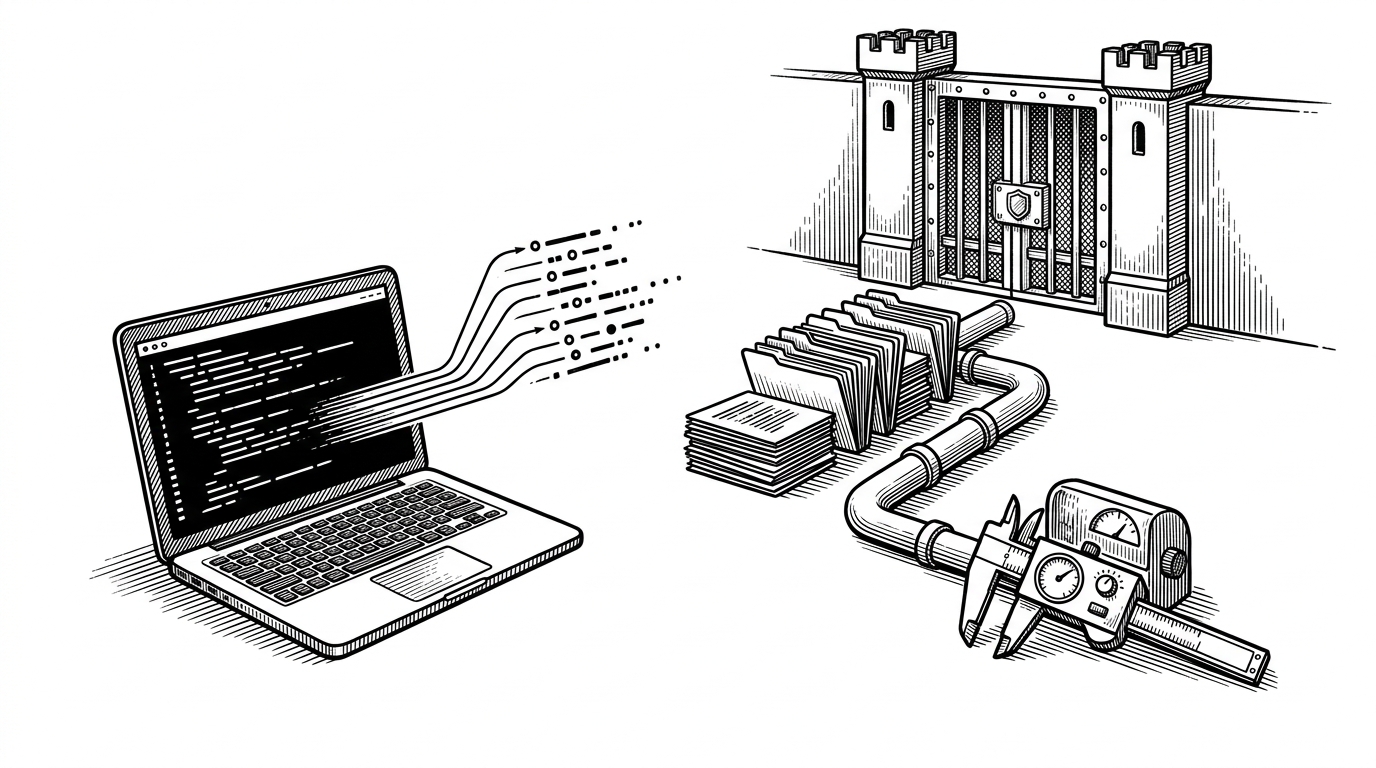
The core pipeline is straightforward once you strip away the game-specific details. Furina injects into PixelWorlds.exe, hooks send and receive functions, and hands raw buffers to a packet handler. From there, it identifies message envelopes, walks nested BSON payloads, and updates a shared AppState that tracks the current world and players.
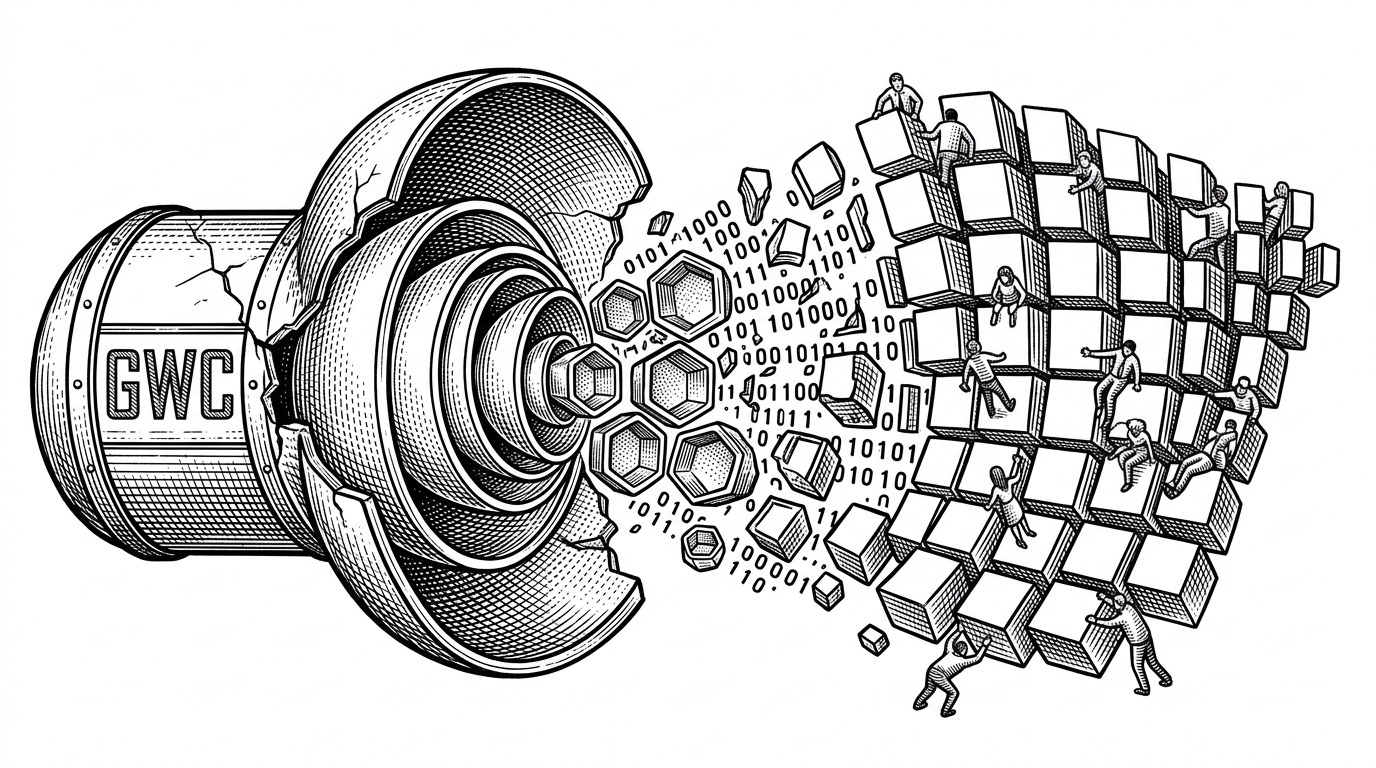
The names are a clue to how the project thinks. Packet IDs like GPd, TTjW, and GWC are not just logs. They are switches in a translation pipeline. Furina uses them to decide whether a payload updates identity, movement, or the world itself.
Why the minimap is the clever part
The minimap is where the project stops looking like a typical packet logger and starts looking like a reconstruction system. The GWC payload arrives compressed. Furina decompresses it, unwraps the BSON structure, pulls out the block layer, and maps tile IDs to colors. Then it overlays live player coordinates on top of the reconstructed grid. The result is not a static dump. It is a rendered model that keeps changing as the game changes.
// Conceptual shape of the pipeline
if packet_id == "GWC" {
    let decompressed = zstd_decompress(payload)?;
    let world = parse_bson(decompressed)?;
    app_state.update_world(world);
    minimap.render_from_state(&app_state);
}
That is why this project feels more interesting than a simple sniffer. It is not just capturing a world. It is reconstituting one. The minimap is the proof that the parser understands enough structure to turn opaque data into spatial meaning.
Rust changes the feel of the cheat
Most internal cheats carry a familiar smell: brittle C++, loose globals, and state spread everywhere. Furina feels different because Rust pushes the code into modules with sharper boundaries. OnceLock, AtomicBool, and explicit state objects do not make the project safe in a moral sense. They do make it easier to reason about.
| Classic internal cheat in C++ | Furina in Rust |
|---|---|
| Manual state scattered across globals | Shared state wrapped in explicit structs and atomics |
| Loose file boundaries | Clear modules for hooks, packets, minimap, and offsets |
| Memory errors are part of the risk | Rust reduces one class of mistakes, even when the job is still invasive |
| Maintenance feels ad hoc | The structure reads like a deliberate systems project |
| Hooking often dominates the codebase | Packet interpretation and rendering get equal weight |
That does not make the project stable. It just makes it disciplined. The language choice matters because it changes the shape of the code, not the ethical status of the goal.
Where it is elegant, and where it is fragile
The fragile part is easy to miss if you only look at the clean structure. Furina depends on hardcoded RVAs in offsets.rs, which means each game update can move the target and break the hooks. That is normal for internal cheats, but it also means the project is locked in a constant chase with the host binary.
| Strength | Cost |
|---|---|
| Fast access to internal game state | Any update can invalidate offsets |
| Rich reconstruction from packets | Protocol changes require constant rework |
| Clean Rust module layout | Still dependent on unstable hooks and binary addresses |
| Live minimap and player overlay | Maintenance never really ends |
That tension is the real story underneath the novelty. Furina looks elegant because the code is organized. It remains fragile because the target is moving.
The grey-hat line
The repository frames itself as learning-oriented, and that matters. This is still a cheat, though, and it sits in the uncomfortable space where reverse engineering becomes unauthorized advantage. The interesting part is not pretending that line does not exist. It is seeing how carefully the code is built while that line stays in view.
For readers who care about systems design, Furina is a compact example of how hidden data can be translated into a human model. For everyone else, it is a reminder that technical elegance and questionable use can occupy the same codebase.