rustenium-identity: Inside Rustenium Identity's browser mask
A Rust overlay that keeps headers, JavaScript, time zone, and proxy behavior in one believable profile instead of treating spoofing as a single switch.

- Rustenium Identity treats browser detection as a consistency problem across many layers, not a header rewrite.
- Its strongest move is the way Rust, CDP, injected JavaScript, and proxy-aware timezone logic all pull from the same identity model.
- The repo's real defense against detection is not secrecy, but the removal of contradictions between browser signals.
- A small modular codebase makes this kind of stealth logic easier to audit and extend than a monolithic wrapper.
Most browser spoofers fail at the same place. They change one signal, then leave the others to tell a different story. Modern detection systems look for those mismatches, which is why Rustenium Identity is interesting: it tries to make the whole browser tell the same story.
There is no big public launch narrative attached to the repo. That absence is useful, because it pushes the focus back to the code. This looks like a builder's tool for a very specific job, a Rust layer over rustenium that turns an automation session into something closer to a real machine profile.
The identity is the product
The heart of the project is an Identity model that carries more than a user agent string. It includes screen geometry, GPU details, hardware concurrency, battery state, browser version, and OS-specific behavior, so the browser is not asked to pretend in one place and confess in another.
That model is mirrored across the stack. cdp.rs pushes it into Chrome DevTools Protocol fields, ua.rs shapes the browser and client hints, script/mod.rs compiles JavaScript templates, and tz.rs makes the time zone agree with the network path.
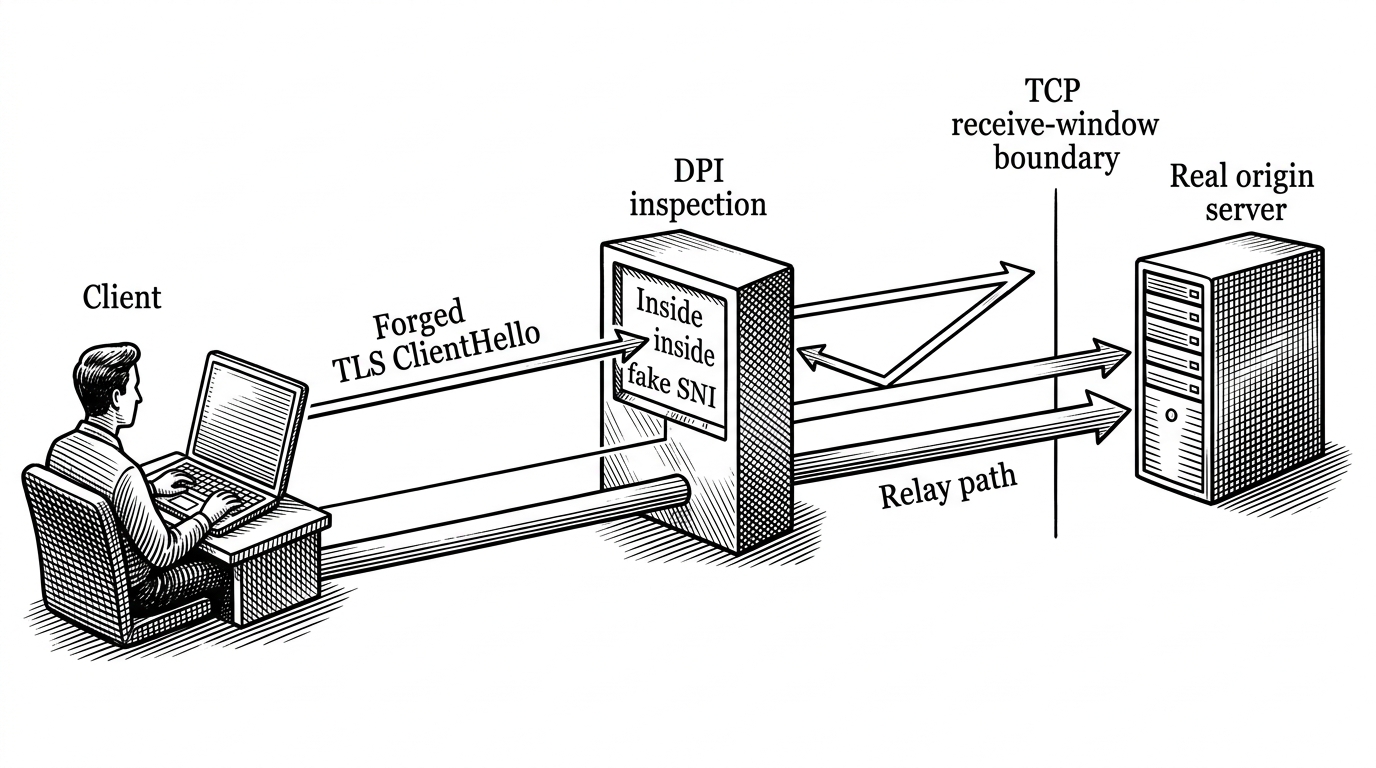
The diagram matters because the repo is not trying to fool one API. It is trying to avoid a profile that contradicts itself. If the browser claims one GPU in WebGL, another screen size in JavaScript, and a different location in its time zone, detection gets cheap.
Why the JavaScript runs before the page does
The stealth scripts are injected with Page.addScriptToEvaluateOnNewDocument, which means they run before page code can inspect the environment. That is where the project hooks browser APIs, fills in missing details, and changes small anomalies like battery data or history depth so the session looks lived-in rather than freshly assembled.
The iOS logic is a good example of the repo's specificity. It does not just change strings for CriOS or EdgiOS. It recognizes that iOS browsers ride WebKit, so client hints and Safari-like behavior matter more than a Chrome-only disguise.
Time zone is a fingerprint too
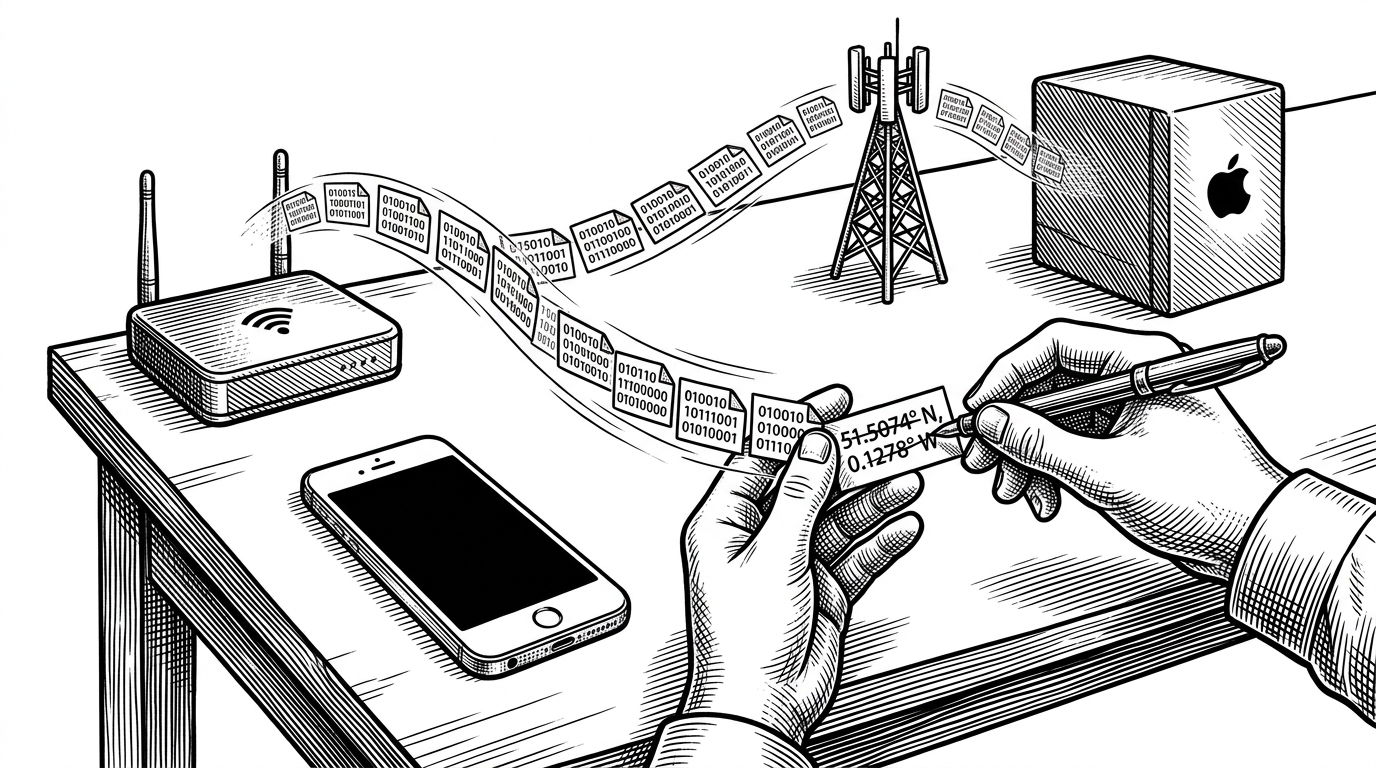
tz.rs and the local proxy layer close one of the easiest holes in browser automation. If the proxy exits in one region and the browser reports another, the lie is easy to catch, so the repo resolves time zone through the proxy path and keeps the network story aligned with the UI story.
| Signal | Naive spoofing | Rustenium Identity |
|---|---|---|
| User agent | Swap the string and hope for the best. | Generate browser and client-hint values from one identity. |
| Runtime APIs | Leave WebGL, battery, or history to drift. | Inject JavaScript before page code reads the environment. |
| Location | Use a proxy and ignore time zone. | Resolve time zone through the proxy so the story matches. |
| Maintenance | Patch one leak at a time. | Keep the profile in a typed Rust model and fan it out. |
That is the real appeal of the repo. It is not a magic cloak. It is a discipline layer that reduces contradictions, and contradictions are what modern detection systems are built to find. Compared with broader Rust identity projects such as Kanidm or IOTA Identity, this one is narrower and more tactical, which is exactly why it is interesting.