Scrapling: The Python Scraper That Remembers Where Elements Went
An adaptive scraping framework that stores element fingerprints, relocates selectors after site changes, and wraps HTTP, stealth browsers, spiders, and MCP tooling into one Python API.
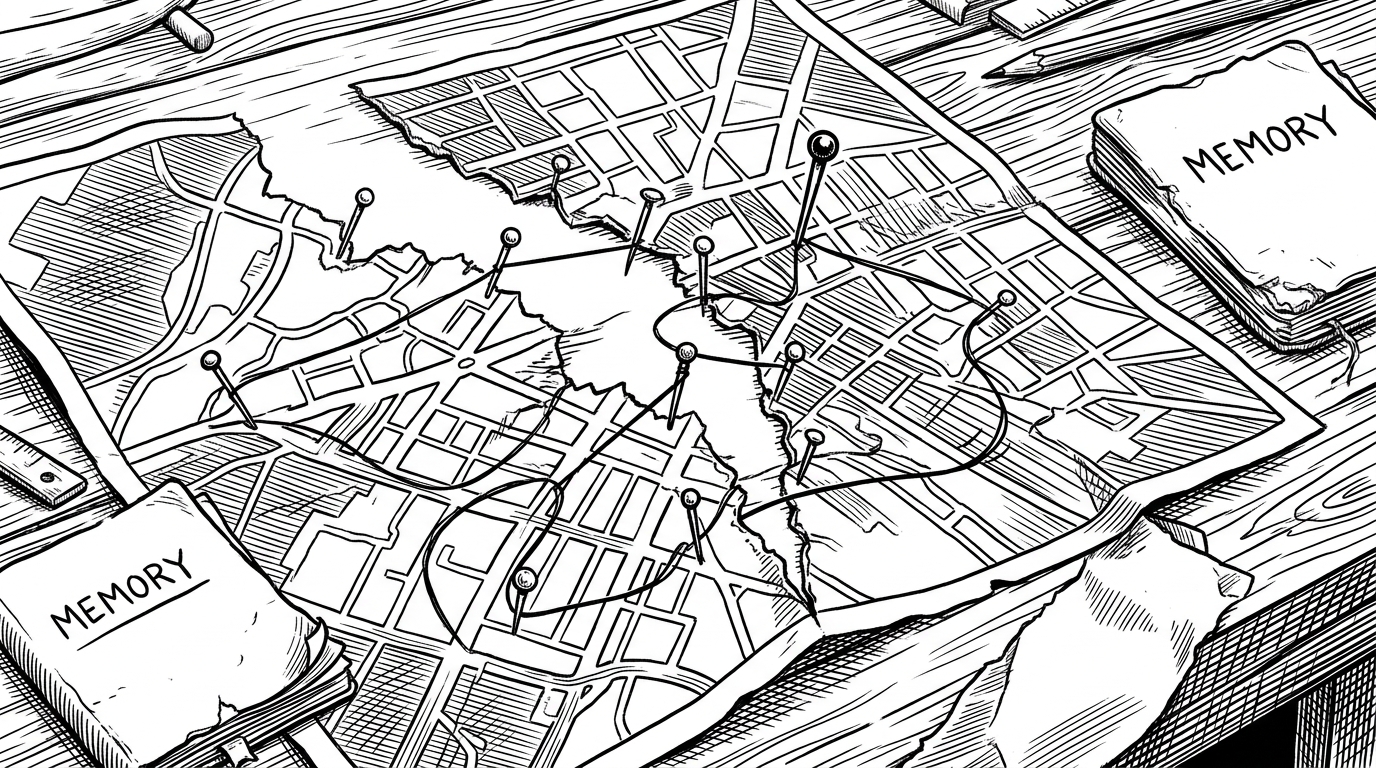
- Scrapling treats scraping as a memory problem, not just a selector problem.
- Its adaptive parser stores element fingerprints locally and tries to recover the closest match when the DOM drifts.
- The framework ties together static HTTP, stealth browsing, spiders, and MCP support around that same adaptive core.
- Its real pitch is consolidation: fewer hand-rolled glue layers between parsing, crawling, and agent tooling.
The selector that does not forget
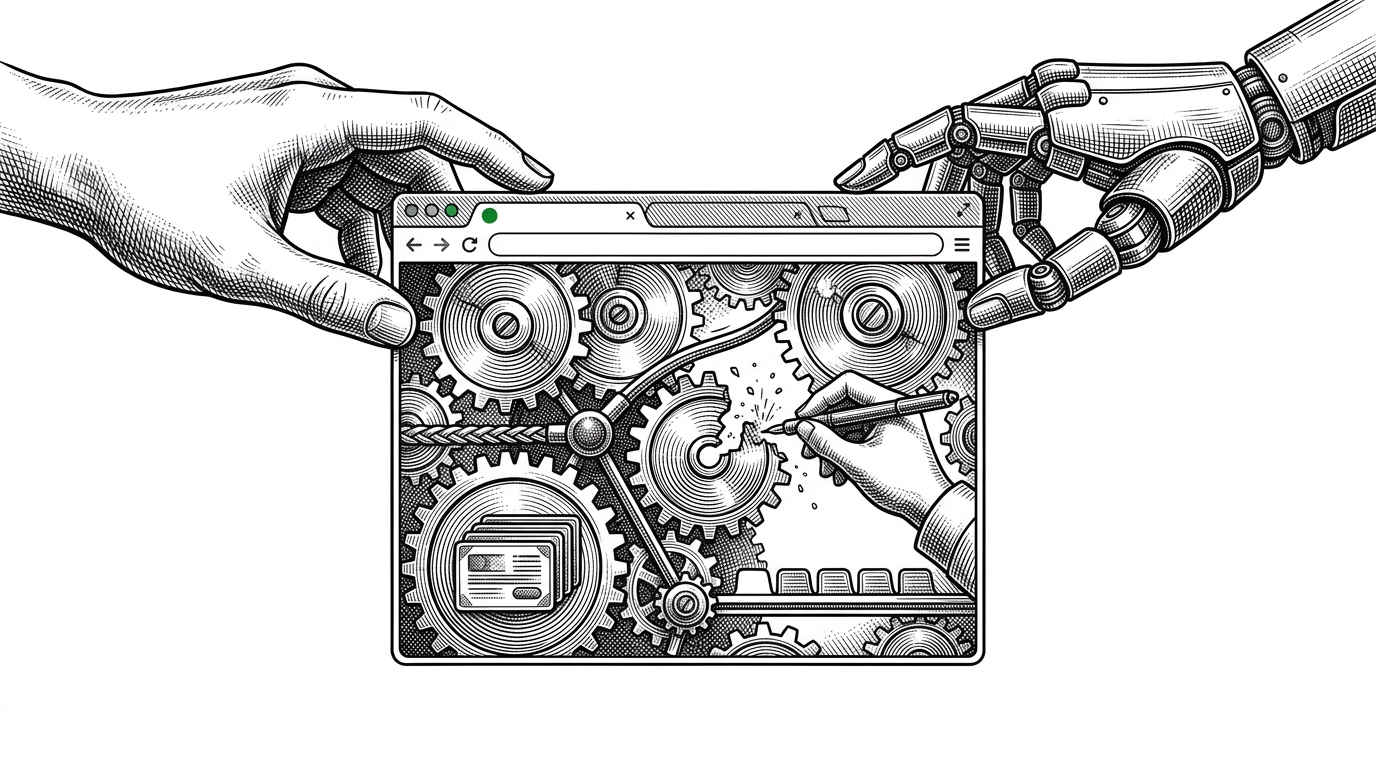
Most scrapers fail the same way: they depend on a selector that was true yesterday and false today. A `
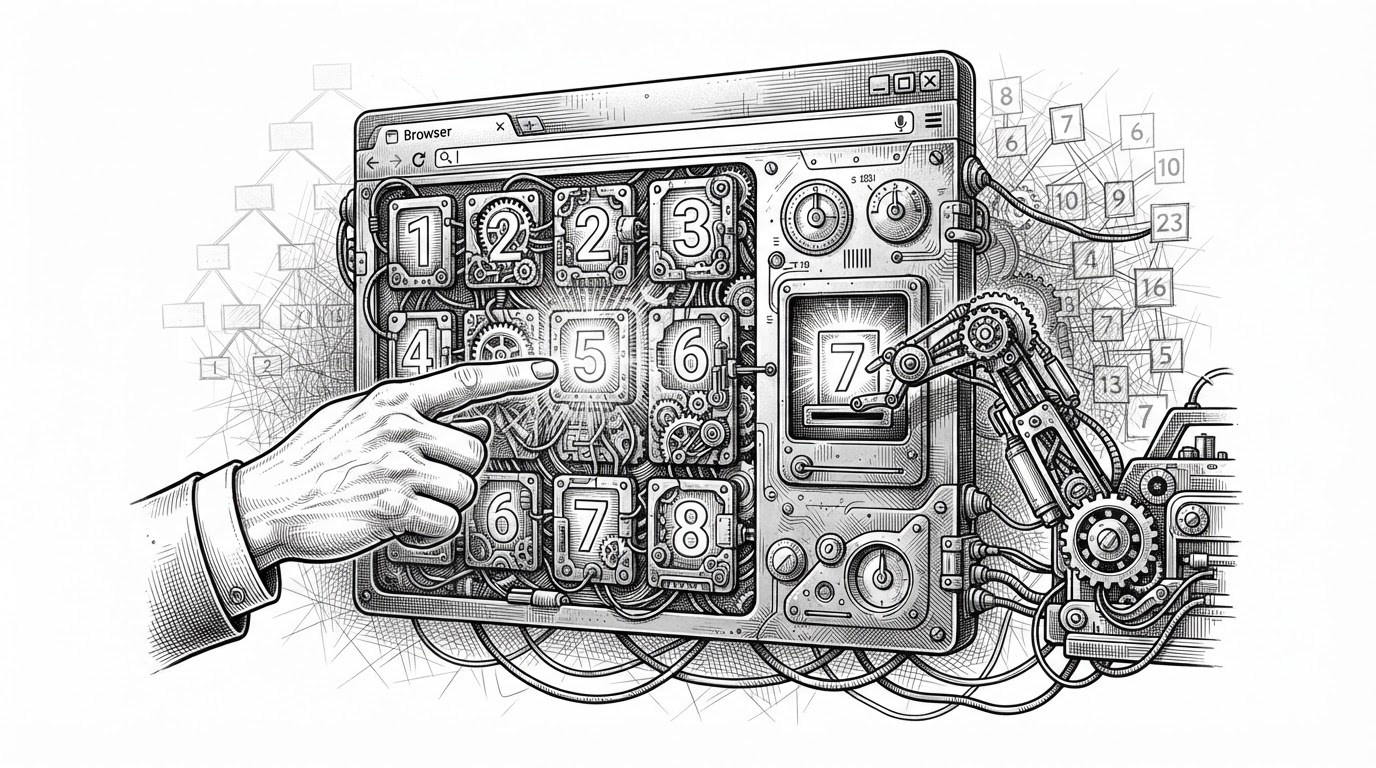
That is the point of its adaptive parser. A `Selector` can save an element fingerprint, then later use `adaptive=True` to find the closest match after the page changes. In other words, the library does not treat DOM drift as a total failure. It treats it as a search problem.
From stateless requests to stored memory
The adaptive layer is practical, not mystical. Scrapling persists metadata locally, then compares similarity when the original lookup fails. The fingerprint is not a full DOM clone. It is a compact memory of what the element looked like in context.
That matters because web scraping is usually written like a series of throwaway requests. Scrapling makes it stateful. The scraper learns once, then uses that history the next time the page moves.
One API, three fetcher personalities
| Mode | What it uses | Best for | What it gives up |
|---|---|---|---|
| Fetcher | curl_cffi | Fast static pages and browser-like HTTP fingerprints | No JS execution |
| DynamicFetcher | Playwright | Pages that need a real browser | More overhead |
| StealthyFetcher | Playwright plus patchright | Harder targets and anti-bot defenses | Complexity and heavier runtime |
| Scrapling | One unified API | Teams that want to switch tactics without rewriting the workflow | A broader surface area to maintain |
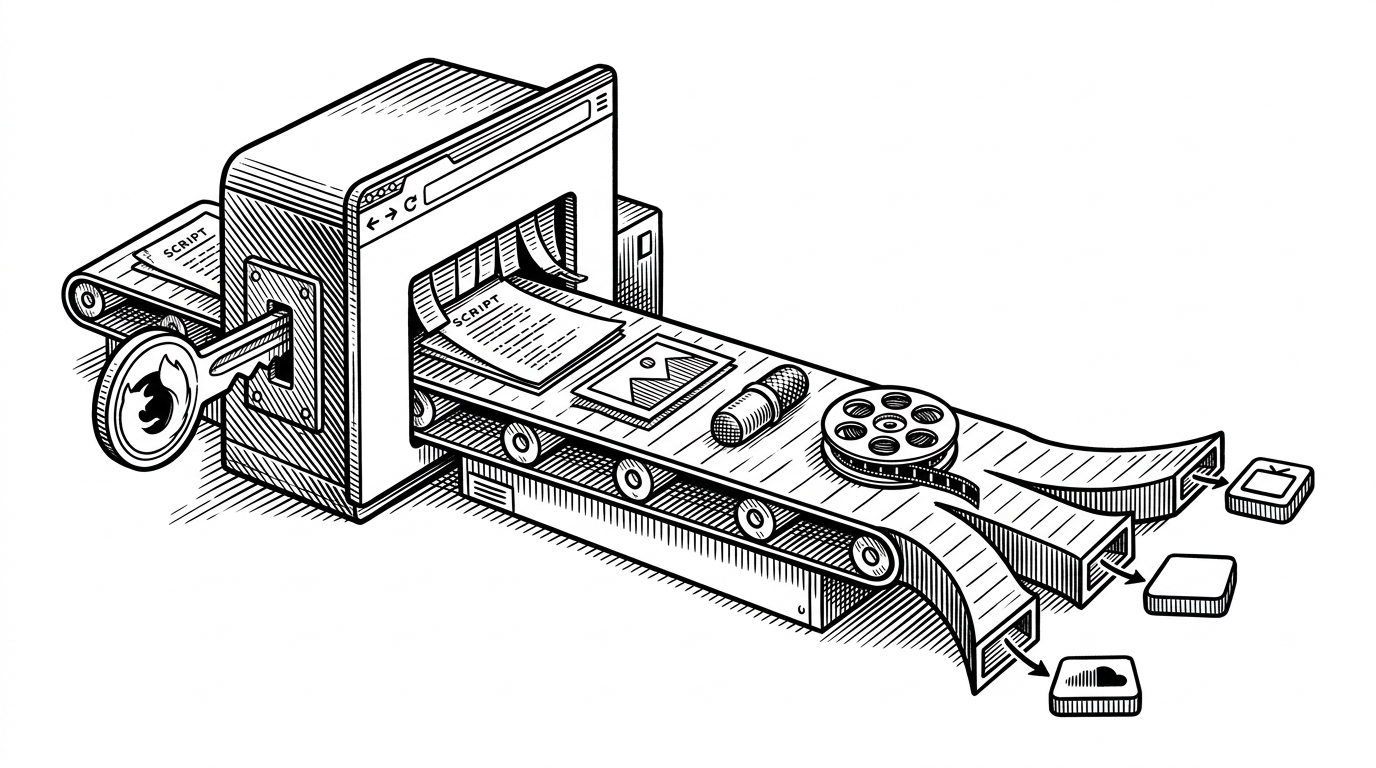
This is the cleanest way to read the stack: plain HTTP for speed, browser automation for dynamic pages, stealth automation for hostile ones. Scrapling does not pretend those are the same thing. It just makes them feel like one workflow.
The spider layer turns point solutions into pipelines
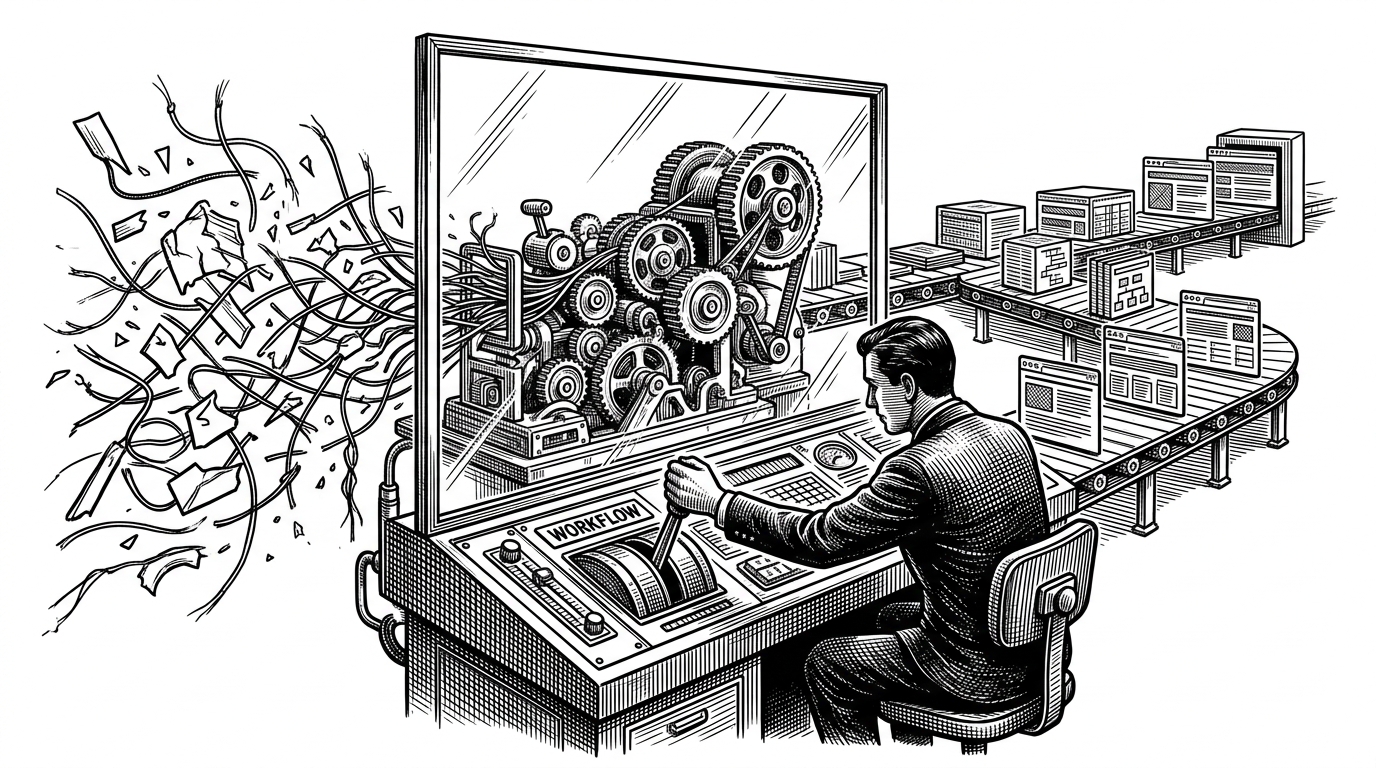
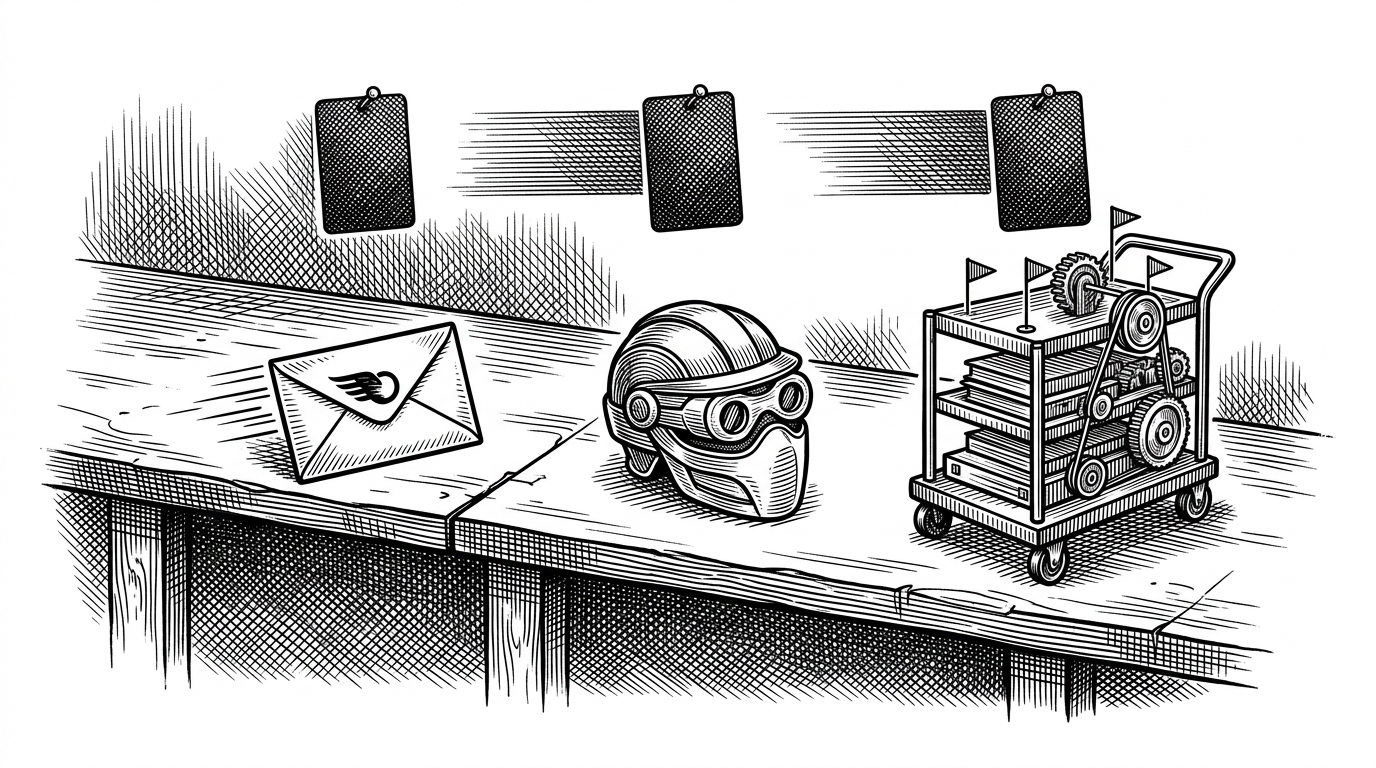
Scrapling becomes more interesting when it stops being a single-request tool. The spider layer adds sessions, concurrent crawling, proxy rotation, and pause/resume. That moves it from helper library to opinionated framework.
Why the MCP server matters
The MCP support is not a gimmick. It turns Scrapling into a tool that agents and IDE assistants can actually call. That matters because the library can extract targeted content before the model sees it, which cuts noise and token waste.
from scrapling import Selector

page = Selector.from_url("https://example.com")
article = page.css("article.main", adaptive=True)
print(article.text())
That tiny example shows the pitch in one line: ask for the thing you want, let the library recover when the page has moved, then pass clean output to an agent or a script.
Scrapling vs the usual Python scraping stack
| Tool | Primary job | What it does well | What Scrapling adds |
|---|---|---|---|
| BeautifulSoup | HTML parsing | Simple, familiar DOM traversal | Adaptive recovery, browser modes, spiders |
| Scrapy | Crawling framework | Structured large-scale crawling | Built-in adaptive selectors and stealth fetchers |
| Playwright | Browser automation | Modern JS-heavy pages | Parsing, recovery, and crawling around the browser |
| Scrapling | Unified scraping framework | One API across fetch, parse, crawl, and recover | Broader surface area, less glue code |
The comparison is not about replacing the classics. BeautifulSoup still parses. Scrapy still crawls. Playwright still automates browsers. Scrapling’s claim is narrower and more ambitious at the same time: it tries to make those choices feel interchangeable inside one adaptive workflow.
What kind of project this really is
Scrapling is unusually broad for a single Python package. It spans parser, fetchers, spiders, anti-bot tactics, and MCP integration, and the release history shows active iteration. That breadth is compelling, but it also raises the usual maintenance question: how much surface area can one core team comfortably carry?
That is the real trade-off. If you want a focused parser, use a focused parser. If you want an opinionated scraping stack that remembers, recovers, and scales into agent workflows, Scrapling is doing something more distinctive.
More explainers like this