Lightpanda: The Browser Built for Agents, Not Eyes
By surgically removing the rendering engine and bridging Zig directly to V8, Lightpanda delivers a hyper-efficient headless browser designed strictly for machine consumption.
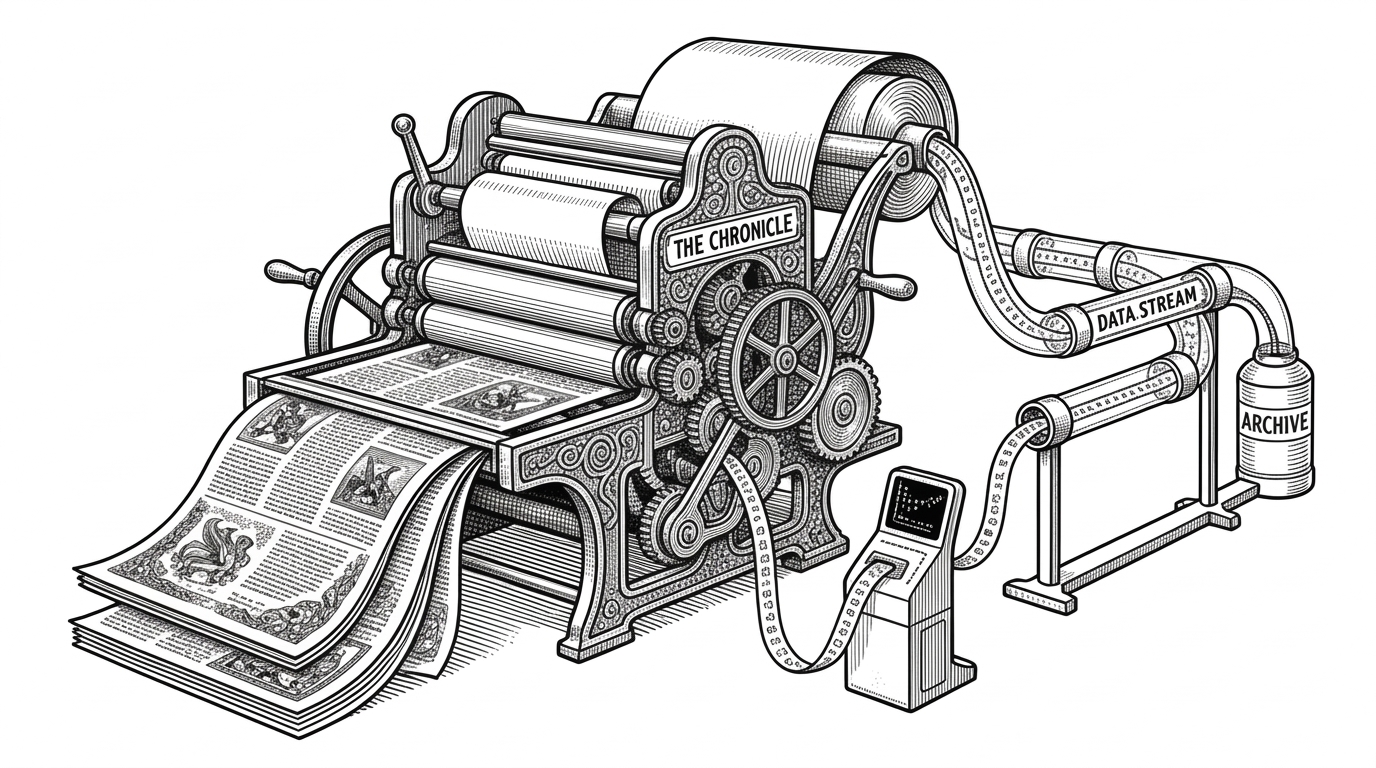
- Lightpanda eliminates the computational "GUI tax" by removing the CSS layout and painting phases of the browser pipeline.
- The engine uses a custom Zig implementation to achieve 11 times faster execution and 9 times less memory usage than headless Chrome.
- A specialized bridge layer uses tagged pointers to safely pass data between Zig memory and the V8 JavaScript engine.
- The browser implements the Chrome DevTools Protocol to serve as a drop-in replacement for tools like Puppeteer and Playwright.
The GUI Tax on AI Agents
We are currently using massive rendering engines just to feed raw text to large language models. This is an architectural mismatch. When a developer spins up headless Chromium to scrape a webpage or run an AI agent, the system still initializes a complex pipeline. It calculates CSS box models, loads font rasterizers, and prepares a GPU compositor.
For an LLM that only consumes tokens, these graphical calculations represent pure overhead. This "GUI tax" wastes memory and CPU cycles at scale. Lightpanda solves this by rethinking what a browser should be when the end user is a machine.
Surgical Omission
Lightpanda is a clean-room implementation of a browser engine. It is not a wrapper around Chromium or WebKit. Its brilliance lies in what it omits. The architecture stops rendering exactly at the Document Object Model (DOM).
By using the Rust-based html5ever library for HTML parsing and the V8 engine for JavaScript execution, Lightpanda builds a semantic tree of the page. It completely skips the CSS layout and painting phases. The result is an engine that executes 11 times faster and uses 9 times less memory than headless Chrome.
| Feature | Lightpanda | Headless Chromium |
|---|---|---|
| Core Engine | Custom Zig Implementation | Blink (C++) |
| Rendering Pipeline | None (Stops at DOM) | Full GPU Compositing & Paint |
| Memory Management | Zig Arenas (ArenaPool) | C++ Garbage Collection & Smart Pointers |
| Primary Consumer | LLMs & Automated Scripts | Human Eyeballs |
Bridging Zig and V8
Writing a browser engine from scratch requires extreme performance. The creators chose Zig for its explicit memory control and safety features. However, modern web standards require executing JavaScript, meaning Lightpanda had to integrate with Google's V8 engine.
Wrapping a massive C++ project like V8 in Zig is a significant systems engineering challenge. Lightpanda handles this through a custom bridge layer. It allocates memory using a custom ArenaPool, optimized for the short-lived nature of web page requests. This prevents memory leaks during long-running scraping sessions.
To prevent type confusion between Zig pointers and JavaScript objects, the engine uses a TaggedOpaque mechanism. When a Zig struct is passed to JavaScript, it is wrapped with metadata verifying its prototype chain. If a malicious script attempts to pass a DOM Element to a function expecting a different object type, the Zig runtime catches the mismatch before memory corruption can occur.
Not a Chromium fork. Not a WebKit patch. A new browser, written in Zig.
The Drop-In Illusion
Despite its radically different internal architecture, Lightpanda is designed for immediate adoption. It implements the Chrome DevTools Protocol (CDP). This allows it to masquerade as Chrome to existing automation tools.
When a developer runs a script using Puppeteer, Playwright, or AI orchestration frameworks like Stagehand, those tools communicate via CDP. Lightpanda intercepts these commands and translates them into its own text-first engine calls. The automation script believes it is driving a full browser, while Lightpanda efficiently extracts the requested data without ever rendering a single pixel.
Sources