Taming the BiDi Frontier: Inside dashn9/rustenium
How a type-safe Rust library is replacing clunky WebDriver polling with real-time bidirectional streams and stealth-grade human physics.


The most robust, high-performance multi-protocol browser automation library for Rust.
- Rustenium treats the new WebDriver BiDi protocol as a first-class citizen, moving Rust browser automation away from polling-based architectures.
- The library uses an Extensible Hashmap pattern to ingest unpredictable JSON payloads from browser engines without crashing the Rust runtime.
- Its built-in HumanMouse implementation uses Bezier curves to simulate human imperfection, bypassing standard bot-detection systems.
The End of the Polling Era
For years, browser automation has been built on a fundamental inefficiency. The classic W3C WebDriver standard relies on an HTTP-based request-and-response model. If you want to know if a DOM element has appeared, you have to ask. If it hasn't, you wait and ask again. This polling architecture is inherently slow and brittle.
The alternative has been the Chrome DevTools Protocol (CDP), a proprietary, WebSocket-based system that allows for real-time events. However, CDP is notoriously complex and tightly coupled to Chromium-based browsers, leaving Firefox out in the cold.
Enter WebDriver BiDi (Bidirectional), the new W3C standard designed to combine the cross-browser compatibility of classic WebDriver with the real-time streaming capabilities of CDP. Rustenium, created by Daniel Shogbon, is one of the first Rust libraries to native bridge this gap.
Compiling the Chaos
Building a type-safe library for a chaotic, evolving browser specification is notoriously difficult. Browser vendors frequently add undocumented fields to JSON payloads, which can cause strictly-typed languages like Rust to panic during deserialization.
Rustenium solves this using an Extensible map pattern combined with the group_enum! macro. When a BiDi command is sent or a response is received, the library uses #[serde(flatten)] to capture any unknown fields into a flexible HashMap.
This crate provides strongly-typed representations of all WebDriver BiDi protocol commands, events, and data structures
The Physics of Deception
While protocol definitions satisfy the compiler, real-world browser automation faces a different adversary: bot detection. Modern security systems like Cloudflare Turnstile easily flag standard "teleportation" clicks where a cursor instantly moves from coordinate A to coordinate B.
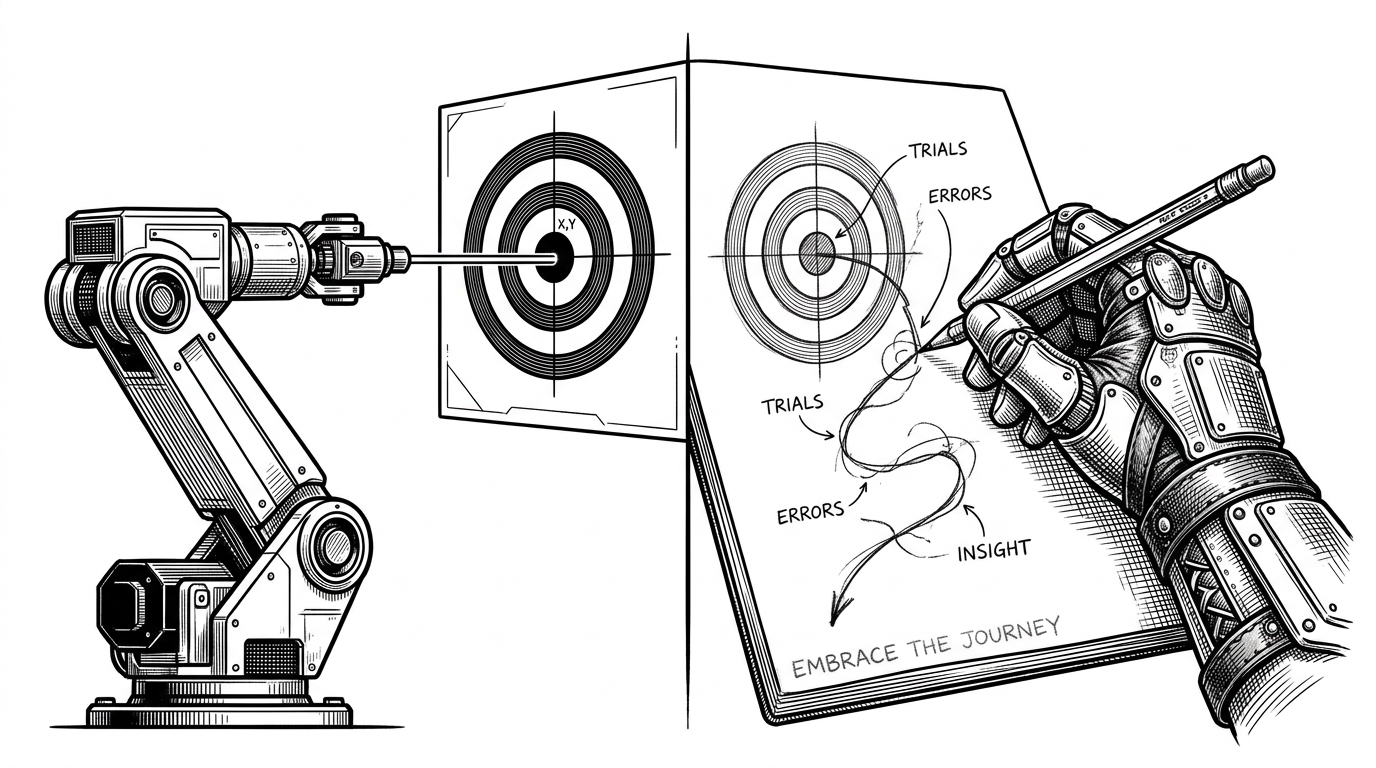
Rustenium introduces HumanMouse, an implementation that uses Bezier curves and jitter to simulate the physics of a human hand. This stealth-grade capability allows AI agents and scrapers to navigate complex web environments without triggering automated defense mechanisms.
The Rust Automation Matrix
To understand Rustenium's place in the ecosystem, it helps to compare it directly to established tools like chromiumoxide and fantoccini. While chromiumoxide relies solely on CDP and fantoccini uses classic WebDriver, Rustenium is built from the ground up for the BiDi era.
| Feature | Rustenium | chromiumoxide | fantoccini |
|---|---|---|---|
| Primary Protocol | WebDriver BiDi + CDP | CDP Only | Classic WebDriver |
| Cross-Browser | Chrome & Firefox | Chrome Only | W3C Compatible |
| Built-in Evasion | HumanMouse (Bezier) | None | None |
Rustenium represents a maturation of the Rust browser automation ecosystem. By combining the real-time capabilities of BiDi with strict type safety and built-in evasion techniques, it provides a comprehensive toolkit for modern web interaction.
Like Puppeteer / Playwright, but for RUST.