Ponytail: The Repo That Teaches AI Coders to Write Less
A cross-agent ruleset that turns lazy senior developer instincts into enforced behavior, with hooks, modes, and benchmarks that keep LLMs from overengineering the answer.

- Ponytail is not a productivity booster in the usual sense. It is a restraint system that turns YAGNI into runtime behavior for AI coding agents.
- The repo’s core trick is the Ladder of Laziness, which stops generation at the first acceptable answer instead of rewarding bespoke code by default.
- Its value comes from enforcement, not advice. Hooks, modes, state files, and adapters make the same minimalism portable across several agent environments.
- The project still treats correctness as non-negotiable. Ponytail is lazy about features, not about validation, error handling, accessibility, or security.
Most AI coding tools try to help the model do more. Ponytail is stranger. It tries to help the model do less, and it treats that as a feature, not a limitation.
That makes the repo interesting for a simple reason: it attacks overengineering at the source. Instead of asking humans to review bloated output after the fact, Ponytail tries to bias the agent toward the smallest acceptable answer before code exists.
Makes your AI agent think like the laziest senior dev in the room. The best code is the code you never wrote.
The strange promise: make the agent write less
Ponytail starts with a behavioral inversion. Most coding assistants optimize for output volume, speed, or completion. Ponytail optimizes for omission. It tries to stop the model from inventing work the user never asked for.
That is why the project feels more like a policy layer than a prompt pack. The repo does not merely suggest restraint. It encodes it, repeats it, and evaluates it.
The Ladder of Laziness
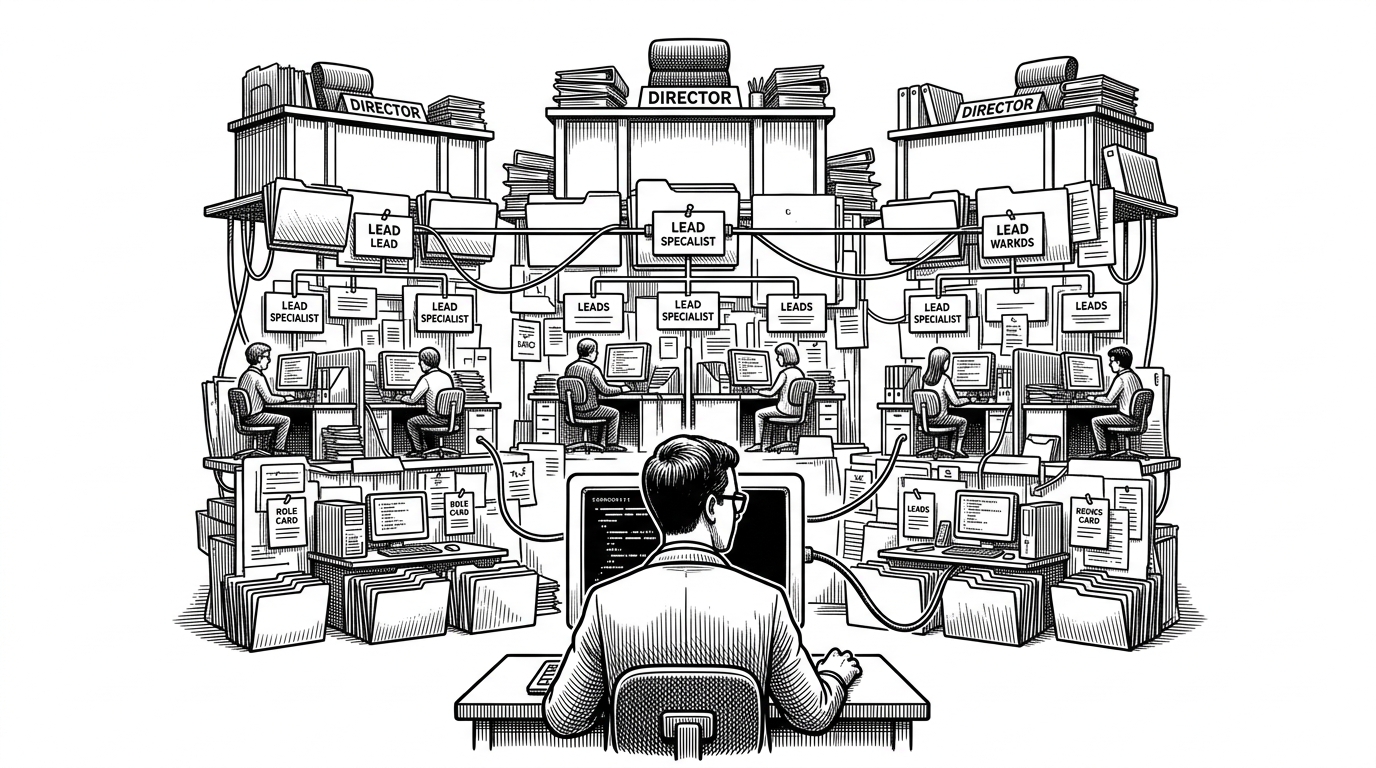
At the center of the repo is the Ladder of Laziness in skills/ponytail/SKILL.md. It is a six-step decision path that asks the model to stop at the first rung that holds. The question is never, “What is the most impressive solution?” The question is, “What is the smallest valid one?”
That matters because the ladder is not just philosophy. It is a control structure. The model is instructed to ask whether the feature is needed, whether the standard library can handle it, whether the platform already has it, whether an existing dependency is enough, whether a one-liner will do, and only then to write custom code.
The subtle move is that the repo makes restraint sequential. Each rung is a gate. Each gate creates a reason to stop. That is how a vibe becomes a system.
What the ladder changes in practice
This is why Ponytail feels different from generic “be concise” prompting. Concision is a style preference. The ladder is an algorithm for stopping.
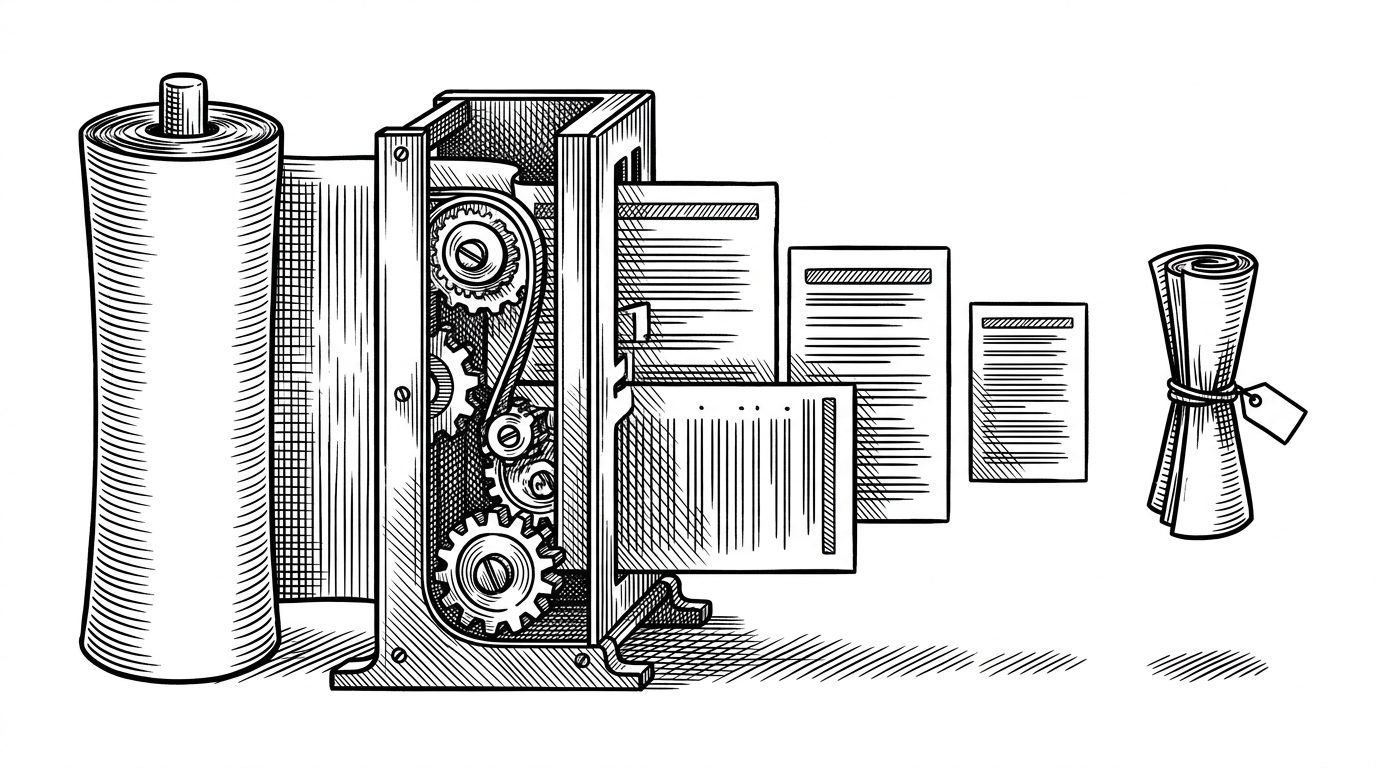
How Ponytail turns a prompt into a product
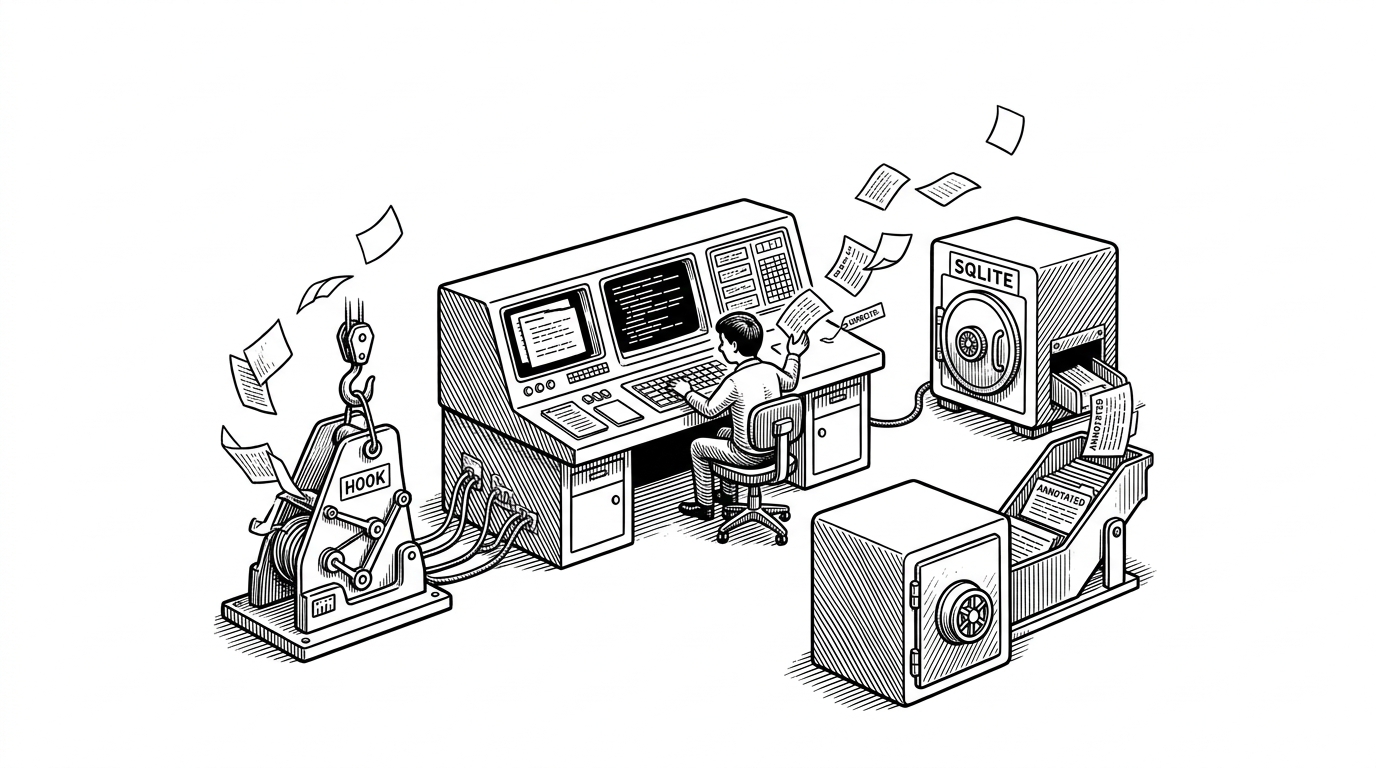
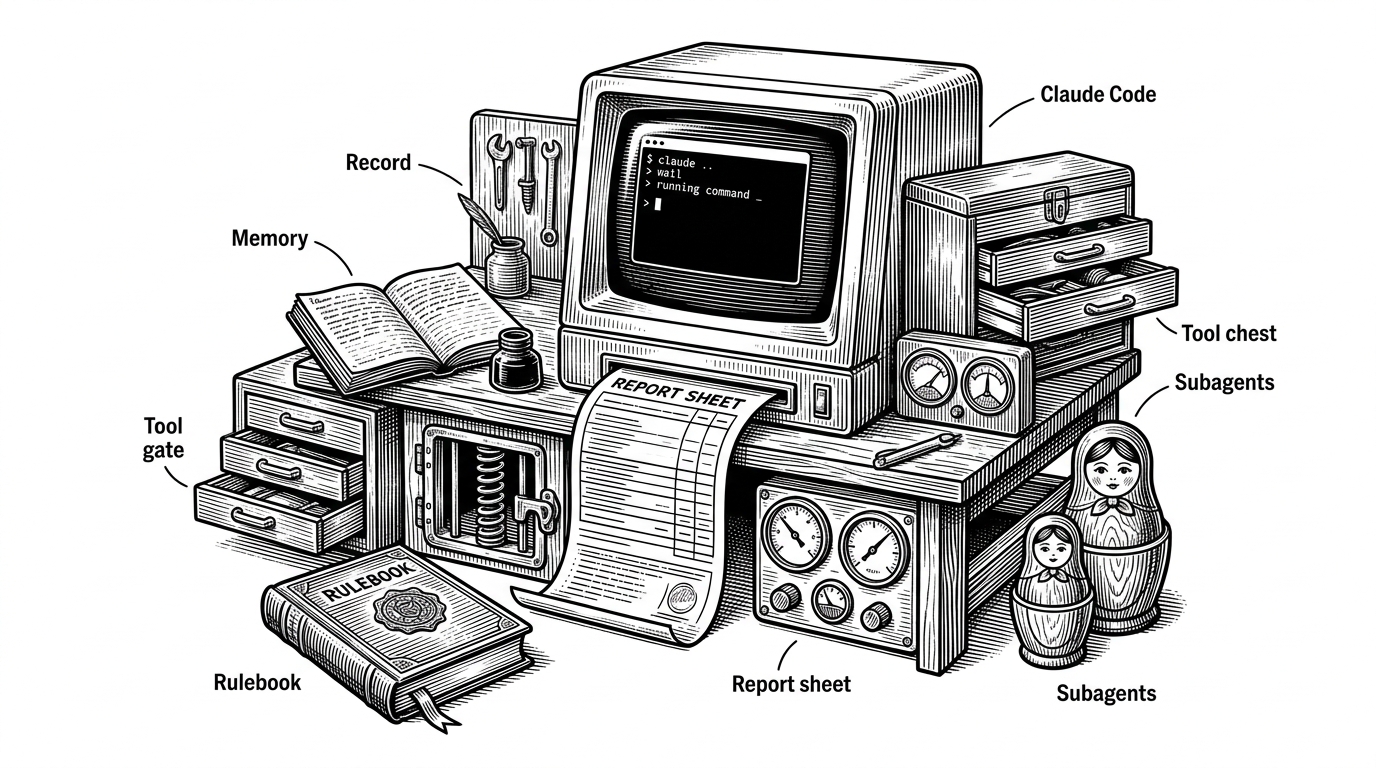
The repo is organized around enforcement. Markdown skills hold the policy. Node hooks inject the right instruction set. State files remember mode between runs. Integration folders adapt the same behavior to different agent surfaces.
That architecture matters because it removes dependence on memory and discipline. A human can forget to apply the rules. Ponytail tries to make forgetting harder.
function filterSkillBodyForMode(markdown, mode) {
  const rows = markdown.split('\n').filter((line) => {
    if (mode === 'lite') return line.includes('| lite |') || line.includes('| core |');
    if (mode === 'full') return line.includes('| full |') || line.includes('| core |');
    return true;
  });
  return rows.join('\n');
}

// ponytail: keep the source of truth in one skill file.
// ponytail: strip only what the current mode does not need.
That is the real product shape. The repository does not ship a single clever prompt. It ships a way to route the same prompt through multiple toolchains while preserving a consistent behavioral bias.
The safety ladder is the real constraint
Ponytail is not telling the model to be lazy about everything. It is telling it to be lazy about feature invention, while staying strict about correctness. Validation, error handling, accessibility, and security remain non-negotiable.
| Dimension | Lazy on features | Strict on safety |
|---|---|---|
| What changes | Feature scope and implementation size | Input handling, failure behavior, accessibility, security |
| Goal | Avoid unnecessary code | Avoid broken code |
| Allowed shortcut | Use built-ins, platform APIs, or existing dependencies | None at trust boundaries |
| Risk profile | Smaller surface area | Higher standards, because failures matter |
| Ponytail stance | Stop early when the simple answer is valid | Do not stop early when correctness is at stake |
That distinction keeps the project credible. A tool that only minimized output would be suspicious. Ponytail tries to minimize waste without licensing negligence.
Why `ponytail:` comments matter
The `ponytail:` comment pattern is one of the smartest parts of the repo. It turns intentional simplification into a visible decision, which means shortcuts are documented instead of hidden.
That is a governance move. It does not erase technical debt. It labels it, which makes future review easier and future blame less ambiguous.
// ponytail: use a linear scan here because the data set is tiny.
// ponytail: if this grows beyond the current bound, switch to a hash map.
for (const item of items) {
  if (item.id === targetId) return item;
}
This is where the repo stops feeling like a prompt and starts feeling like a professional norm. The model is allowed to take a shortcut, but only if it leaves a paper trail.
Proof, not vibes: the benchmark layer
Ponytail backs its philosophy with evals. The benchmark suite uses correctness tests and token or line-count comparisons to check whether the smaller answer is still the right answer.
That is a serious distinction. Plenty of prompt projects claim better behavior. Fewer measure whether they actually reduced code output without breaking the task.
| Layer | What it checks | Why it matters |
|---|---|---|
| promptfoo evals | Different models and prompt variants | Shows whether the rules change behavior across agents |
| Correctness tests | Functional output | Prevents minimal code from becoming wrong code |
| LOC measurement | How much code the model wrote | Makes restraint measurable |
| Mode filtering | Lite, full, ultra delivery | Proves the same policy can be adapted without fragmentation |
The result is a feedback loop: the ladder shapes the model, and the benchmarks check whether the ladder is doing real work.
Ponytail vs. the rest of the agent stack
Compared with generic workflow tools, Ponytail is unusually narrow. It is not trying to manage every step of software delivery. Compared with token compressors, it is not just shortening text. It is changing the decision process behind code generation.
| Tool type | Primary goal | Main mechanism | What it optimizes |
|---|---|---|---|
| Generic agent workflow | Task orchestration | Queues, roles, steps | Throughput |
| Token compression tool | Shorter exchanges | Prompt trimming or summary | Token count |
| Agent harness | Execution control | Runs, sandboxes, evaluations | Reliability of automation |
| Ponytail | Restraint in code generation | Ladder of Laziness, hooks, modes, comments | Code not written |
That difference is why the repo stands out. It is not trying to make the model faster at doing more. It is trying to make the model better at refusing extra work.
Why this repo feels bigger than a prompt
Ponytail is small in surface area and big in ambition. It treats minimalism as a portable behavior, not a one-off trick. It uses state, adapters, hooks, and tests to make a skeptical coding style survive contact with multiple agent environments.
That is the platform story hiding inside the repo. Once restraint becomes reusable and measurable, it stops being advice and starts behaving like infrastructure.