universal-modder: The Modding Framework That Teaches Agents How to Mod
A deep dive into the repo that turns PC game modding into a repeatable workflow for AI agents, from engine reconnaissance to asset generation, testing, backups, and shared field notes.
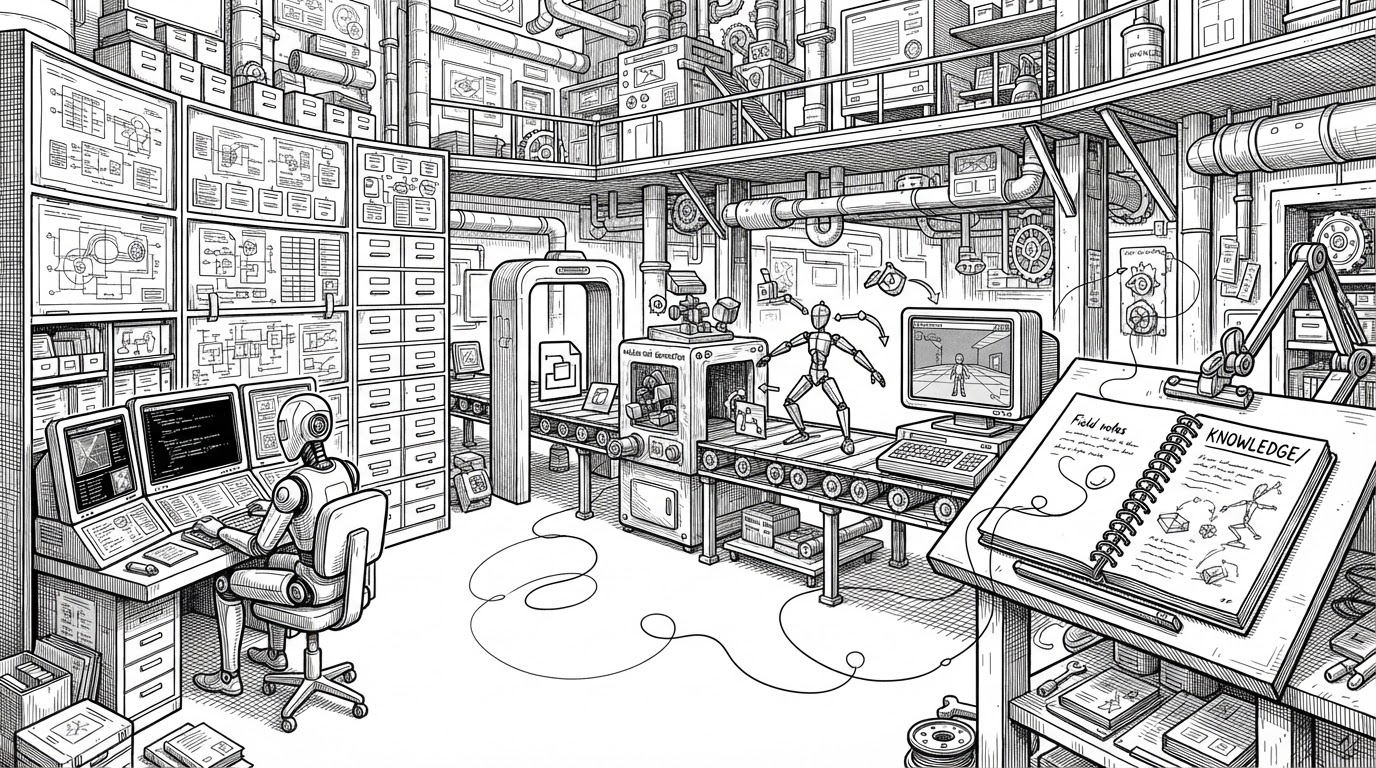
- universal-modder’s core invention is not automation, but memory, because it turns each successful modding route into knowledge that the next agent can reuse.
- The repo compresses a chaotic domain into a small number of engine playbooks, which lets an agent choose a credible route before it starts mutating files.
- Its pipeline matters because it connects reconnaissance, asset generation, rendering, testing, and backups into one loop instead of a pile of disconnected scripts.
- Compared with generic AI coding tools, it is domain-specific infrastructure for modding, not a broader assistant that happens to touch games.
The most interesting thing in universal-modder is not that it can help an AI make a mod. It is that it tries to make the skill of modding transferable. The repo packages the route, not just the action.
That distinction changes the product. Most tools ask an agent to do work. This one asks an agent to learn the shape of the work, write down what happened, and hand the result to the next run.
The real product is memory
That quote gets to the center of the repo. The value is not one clever command. It is the fact that the command is wrapped in a workflow an agent can follow, revisit, and improve.
The knowledge layer is what makes that loop durable. A modding breakthrough that lives only in one session is fragile. A field note in `knowledge/` can become a route the next agent can actually read.

How the repo teaches an agent to think like a modder
The repo is structured so an agent can route itself. The CLI surface is narrow, the skills are named, and the engine playbooks reduce a huge search space into a finite set of recognizable patterns.
um scan <game>
um mod <game> <task>
um kb add <note>
um backup create
um backup restore --clean
That shape matters. A generic coding agent may know how to edit files. `universal-modder` adds an opinionated path for figuring out what kind of game problem it is, which engine assumptions apply, and what the next safe move should be.
| Category | Generic AI coding tool | universal-modder |
|---|---|---|
| Scope | Broad software tasks | PC game modding workflows |
| Engine awareness | Usually none | Explicit playbooks for engines and routes |
| Asset creation | Not built in | Integrated generation and rendering pipeline |
| Testing loop | Manual or external | Designed to verify in the game itself |
| Persistent knowledge | Context window only | `knowledge/` field notes for reuse |
| Cross-platform execution | General shell support | Windows and WSL bridging is a first-class concern |
| Safety model | Depends on user prompt | Guardrails against destructive or out-of-scope use |
The pipeline from reconnaissance to in-game proof
This is where the repo stops feeling conceptual. The pipeline is built for actual mod work: inspect the target, identify the engine, choose the playbook, generate or edit assets, render, test, and record the outcome.
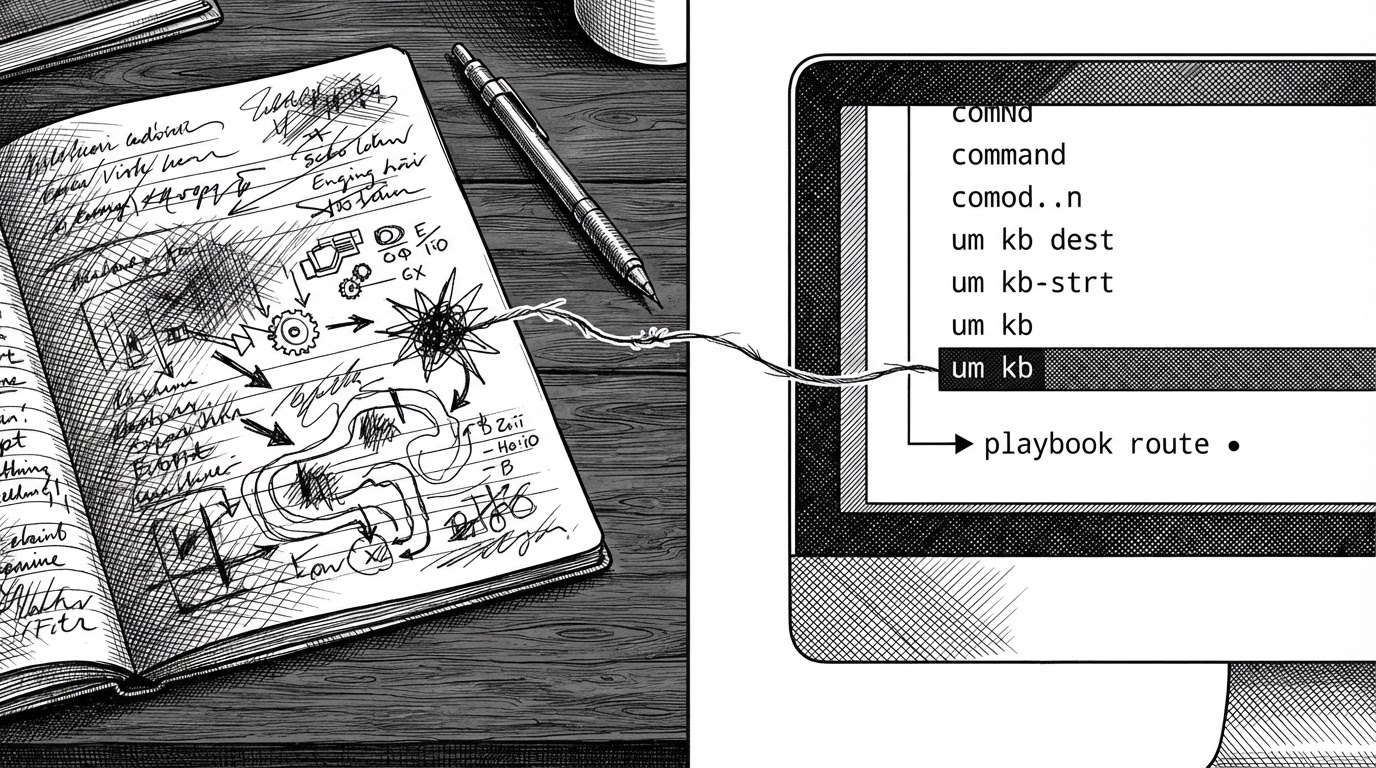
The repo’s strength is that each step feeds the next. Reconnaissance shapes the asset plan. Asset generation shapes the render path. The render path shapes what gets tested. The test result becomes knowledge.
| Step | Manual modding | `um`-driven modding |
|---|---|---|
| Engine detection | You infer the stack from memory and forum posts | The workflow routes through a playbook first |
| Asset creation | Separate tools, separate file formats, separate trial and error | Generation and conversion live in one chain |
| Testing | Launch the game and hope the change holds | Testing is part of the workflow, not an afterthought |
| Backups | Optional if you remember | Snapshots are part of the design |
| Learning | Private notes or none at all | Field notes are written for the next agent |
That is why the repo feels operational. It is not trying to impress you with abstraction. It is trying to keep an agent from getting lost in the middle of a messy, stateful, destructive task.
Why the asset pipeline matters
The asset story is not a side quest. A lot of game modding lives or dies on whether the output looks native enough to survive in context. `universal-modder` treats asset creation and conversion as part of the system, not as a handoff to a human artist later.
MODELS = {
    'sprite': 'fal/...',
    'pbr': 'fal/...',
    'model3d': 'fal/...',
}

manifest.append({
    'input': prompt,
    'model': MODELS[kind],
    'output': path,
})
The point is traceability. If the generated object needs to be rendered, converted, or regenerated, the repo keeps enough context around the call to make the next iteration sane.
Safety, backups, and the difference between experimentation and damage
Modding is a destructive craft. Files get replaced, builds break, and a bad experiment can leave a setup unusable. The backup layer is not a convenience feature. It is a contract that the system can fail without leaving the user stranded.
That changes the psychology of the workflow. When backup, restore, and cleanup are built into the path, the agent can explore more aggressively without turning every test into a gamble.
| Concern | Risk without guardrails | How `universal-modder` responds |
|---|---|---|
| Mutation | Broken installs and lost state | Snapshot before changes |
| Recovery | Manual repair after failure | Restore and clean paths |
| Iteration | Fear of trying another branch | Fast reset for the next attempt |
| Scope | Drift into unsafe use | Hard rules keep the workflow bounded |
What makes this different from general AI coding tools
Generic AI coding tools are broad by design. They can help anywhere, but they rarely know enough about one messy domain to be truly reliable inside it. `universal-modder` makes the opposite bet.
It narrows the world until the machine can move with confidence. Engine playbooks, asset bridges, Windows and WSL path handling, and field-note memory all point at the same thing: a domain-specific system that teaches the model where to look next.
| Axis | General AI coding tool | `universal-modder` |
|---|---|---|
| Primary value | General productivity | Transferred modding expertise |
| Knowledge model | Implicit in the prompt | Explicit in playbooks and notes |
| Output style | Code edits | Playable, testable game changes |
| Operational focus | Write and refactor | Recon, generate, test, record |
| Long-term effect | One session ends | The next agent starts smarter |
That is the real differentiator. It is not a better terminal wrapper. It is a memory system for one of software’s messiest problem spaces.