Dolibarr: The ERP That Treats Longevity Like a Feature
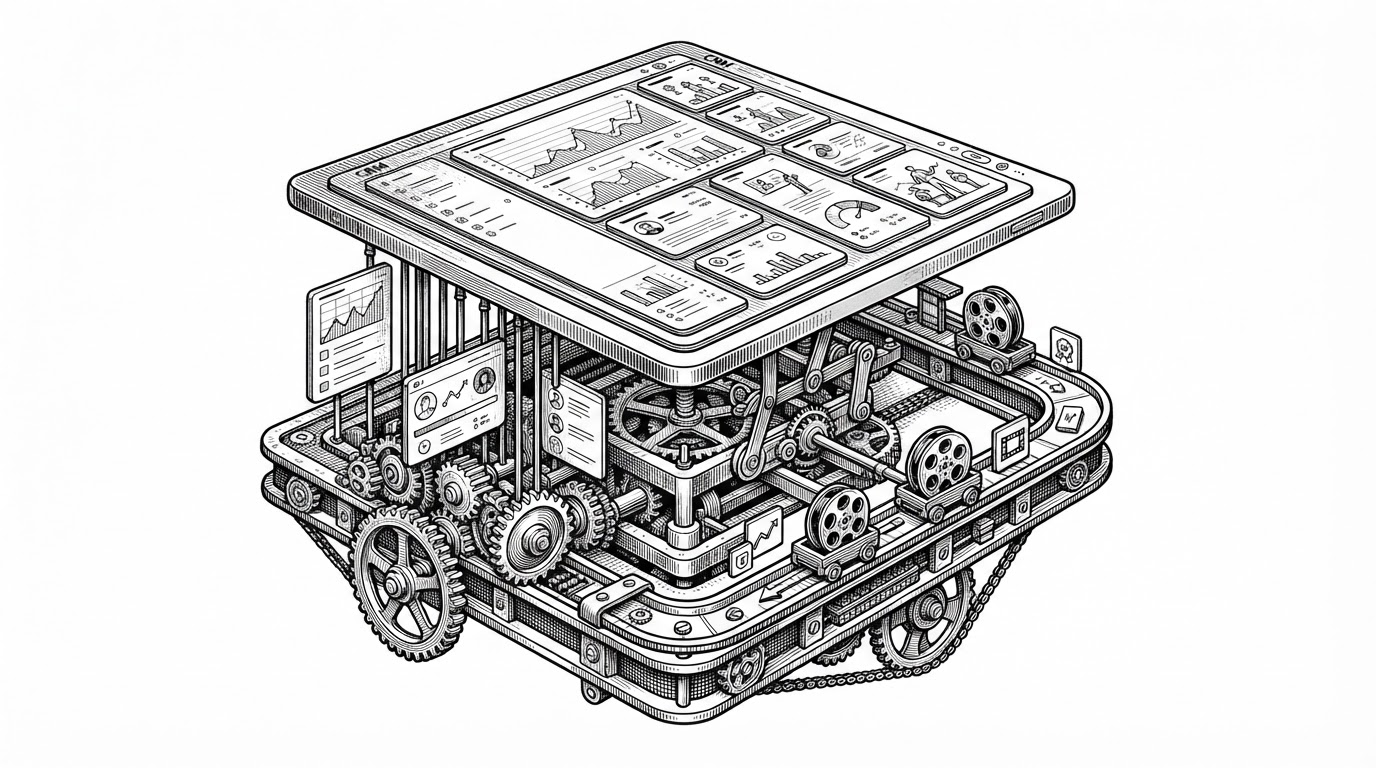
A modular PHP monolith with a no-breakage upgrade path, multi-platform packaging, and a design philosophy built for small businesses that cannot afford software drama.
Dolibarr was designed to have the lowest learning curve as possible. This is a main difference with most ERP and CRM solutions. You don’t need technical knowledges and you don’t need to spend time to know how to use it.
- Dolibarr’s real product is continuity, not feature hype, because its architecture is built to survive upgrades without turning each release into a migration project.
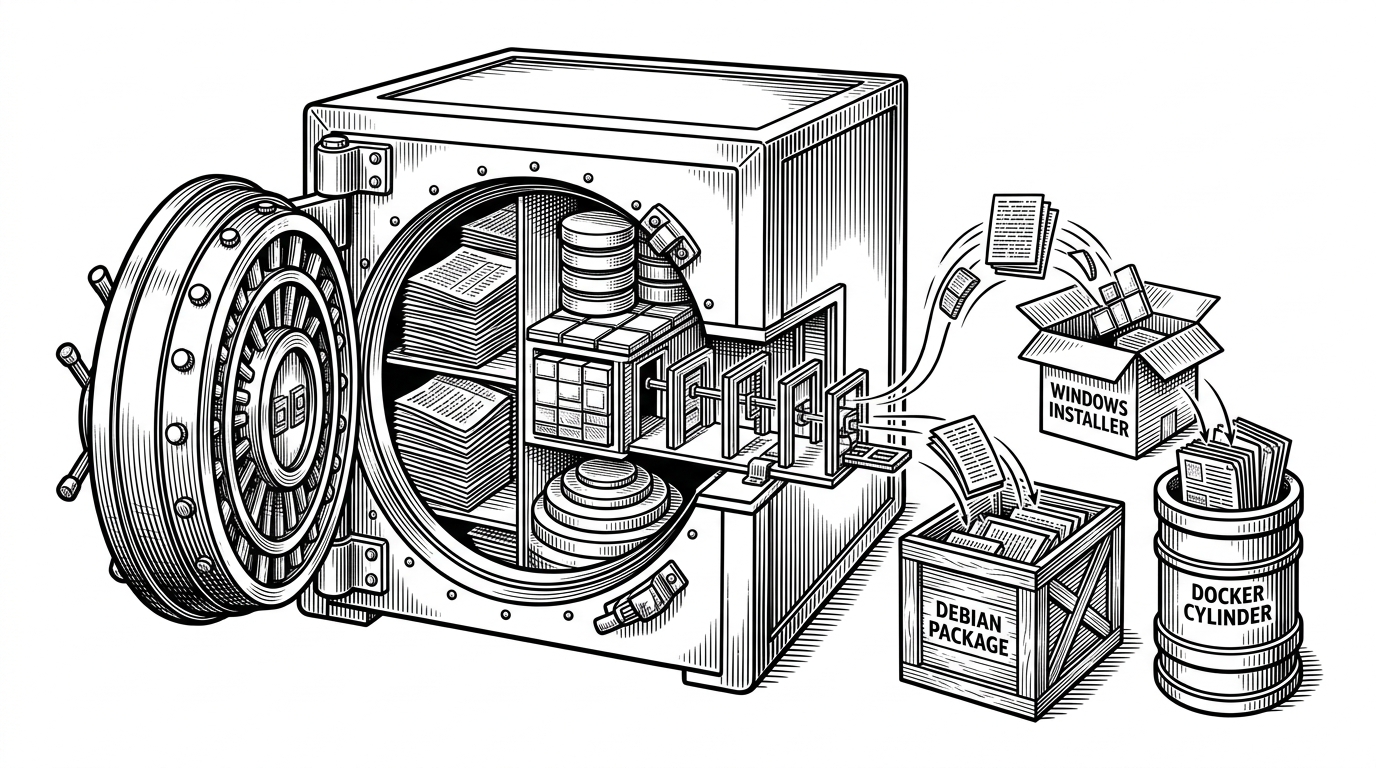
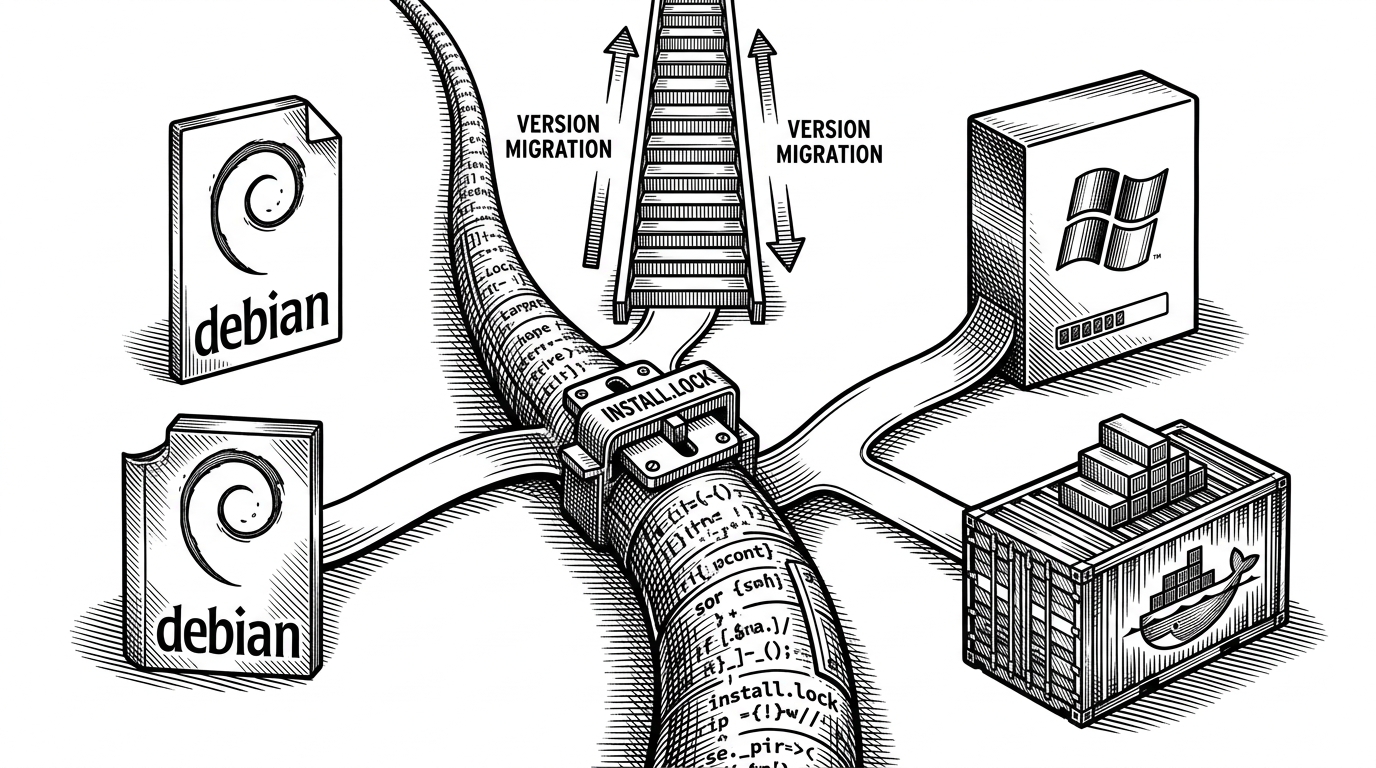
- The repo treats distribution as part of the product, so the same core can become a web app, a Debian package, a Windows installer, or a Docker image.
- Its no-framework PHP monolith is not an accident of age, but a deliberate way to keep the system portable, understandable, and easier to maintain over long horizons.
- Compared with heavier ERP platforms, Dolibarr wins by asking less of operators and less of the underlying stack.
Why ERP Upgrades Usually Hurt
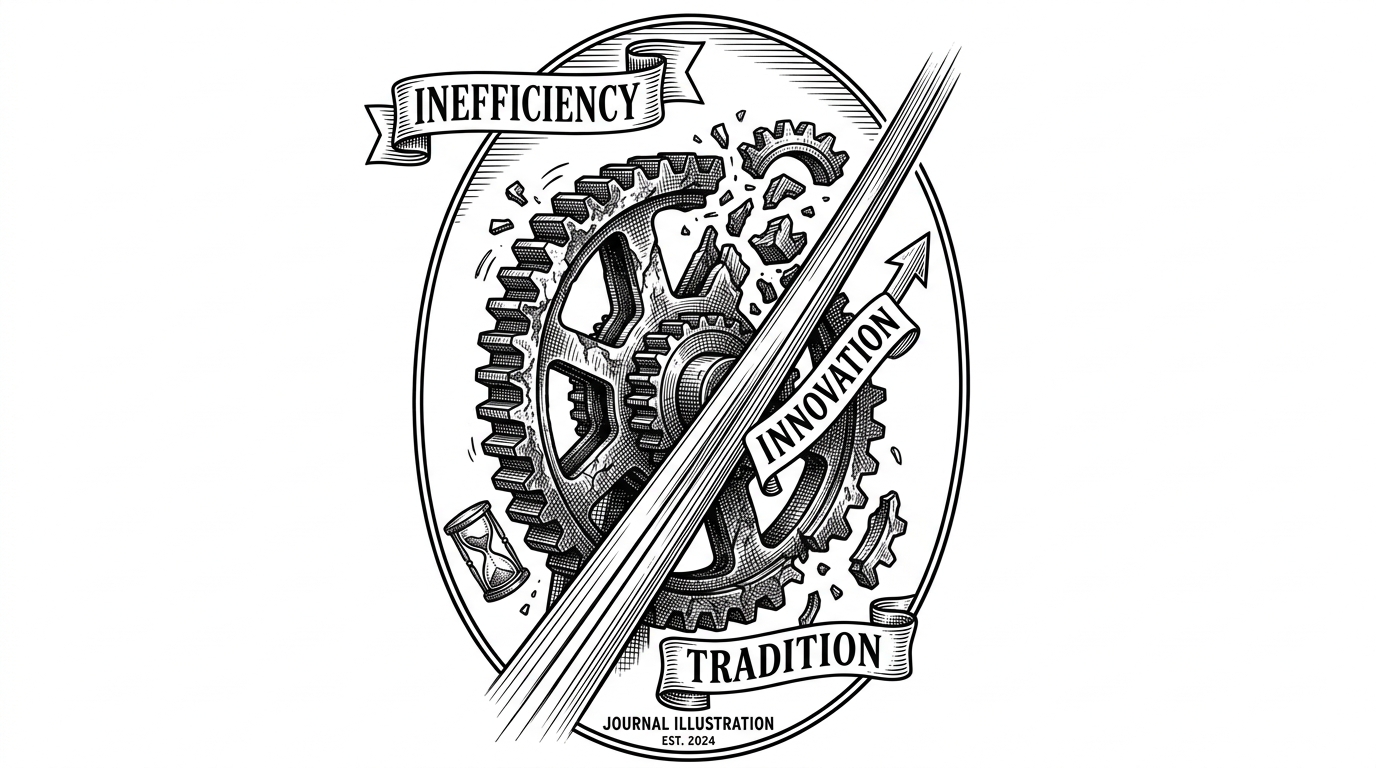
ERP upgrades are where good intentions go to die. Schema drift, custom modules, and brittle dependencies often turn a version bump into a project with consultants, downtime, and anxiety.
Dolibarr takes the opposite position. Its upgrade flow is designed around incremental, survivable steps, so the system behaves less like a one-time installation and more like a maintained business runtime.
The Core Idea: One System, Many Survival Modes
At the center is a modular PHP application with a database abstraction layer and a no-framework bias. That combination matters because it keeps the core legible while letting modules come and go without forcing the whole stack to reinvent itself.
if (file_exists('install.lock')) {
    header('Location: /install/index.php');
    exit;
}

// The app stays centered on the same codebase.
// Packaging changes, upgrade steps do not break the core.
From htdocs to .deb, .exe, and Docker
Dolibarr does not treat packaging as a final polish step. The repository includes build paths for Debian, Windows, and containerized deployment, which means distribution is part of the engineering model, not an afterthought.
| Dimension | Dolibarr | Odoo Community | ERPNext |
|---|---|---|---|
| Framework dependency | No-framework PHP monolith | Python framework stack | Python and Frappe framework |
| Deployment flexibility | Web app, Debian, Windows, Docker | Mostly web-first | Web-first with framework assumptions |
| Upgrade friction | Designed for incremental survival | Can become migration-heavy | Usually more structured, but still framework-bound |
| Learning curve | Low | Higher | Medium |
| Database portability | MySQL, MariaDB, PostgreSQL | Primarily PostgreSQL | MariaDB-centered |
| Operator burden | Low to moderate | Moderate to high | Moderate |
That table is the point. Dolibarr is not trying to win on platform richness. It is optimizing for the operator who wants a system that installs, upgrades, and keeps going without drama.
What Dolibarr Refuses to Become
Dolibarr refuses the modern ERP temptation to become a sprawling framework platform first and a business tool second. That restraint costs it some glamour, but it buys portability, clarity, and less coupling to fashionable infrastructure.
It is also a different answer to database and hosting reality. If a system can run on modest hardware, across common databases, and with minimal ceremony, then it can survive in places where bigger suites become maintenance obligations.
The People Behind the Stability
The project starts with Rodolphe Quiédeville, then becomes a long stewardship story under Laurent Destailleur, known as eldy. That shift matters because longevity in open source is rarely just code. It is continuity of judgment.
One of the key benefits of Dolibarr is its modular architecture, allowing users to customize the software to fit their specific needs. Businesses can easily enable or disable modules based on their requirements, ensuring they only use what’s relevant to them.
The leadership story is not about celebrity. It is about stewardship that preserves a project’s operating philosophy while the ecosystem around it keeps changing.
Why This Matters Beyond ERP
Dolibarr is a reminder that software can be valuable because it stays usable, not because it keeps reinventing itself. For businesses that cannot afford migration theater, that is a real competitive edge.
The broader lesson reaches beyond ERP. Sometimes the most serious engineering choice is to make the system boring in the right ways: modular enough to adapt, stable enough to trust, and portable enough to survive the next environment you have not planned for yet.
| What matters | Fashionable platform route | Dolibarr’s route |
|---|---|---|
| Change management | Big framework upgrades | Incremental survival |
| Deployment | Single preferred stack | Multiple packaging forms |
| Customization | Platform-wide ceremony | Module-based activation |
| Maintenance | Specialist-heavy | Operator-friendly |