The End of the Stateless AI Oracle: Inside compound-knowledge-plugin
How EveryInc turned Claude Code into a persistent knowledge engine that remembers past mistakes, parallelizes research, and refuses to guess.
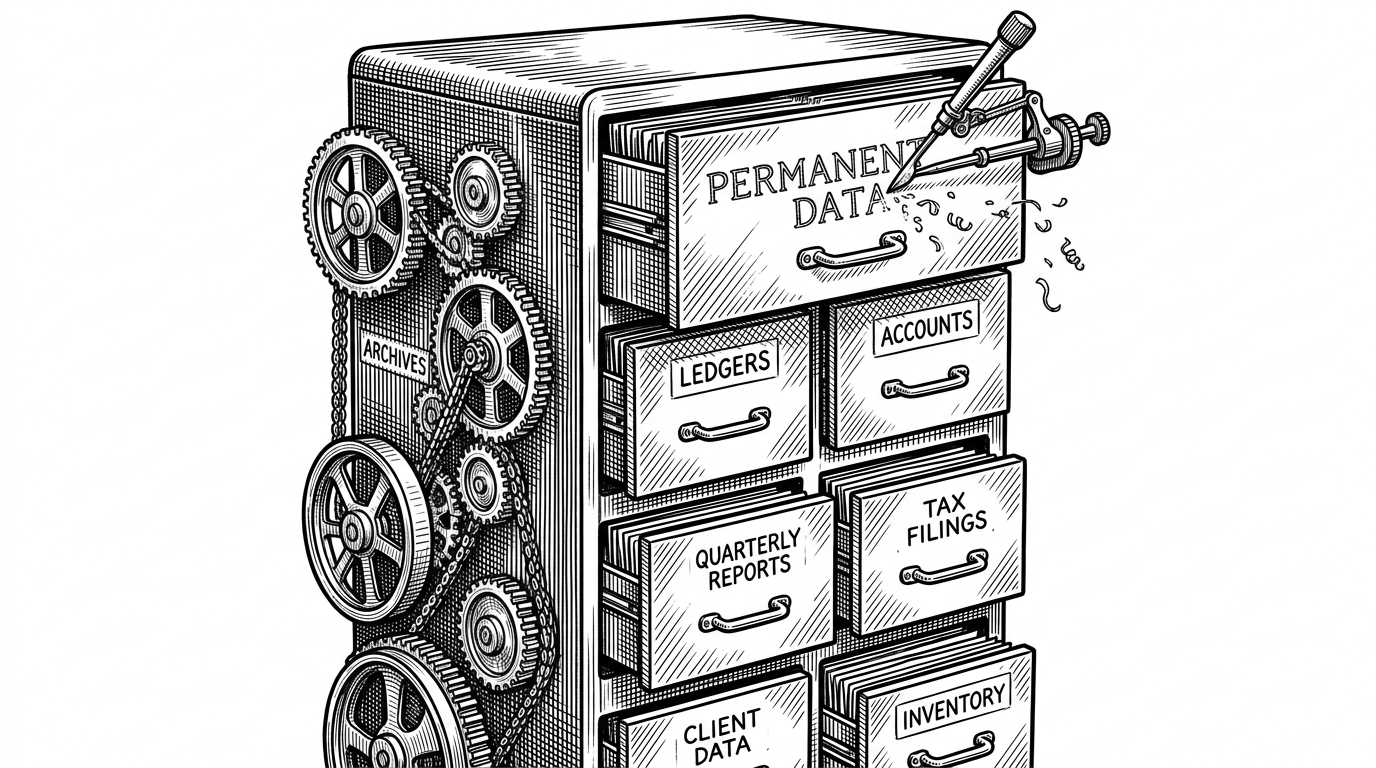

We um we had a really great Capound engineering camp on Friday where Kieran walked everyone through how this plugin he created works, why he made it, the like philosophy behind it, and then kind of like a step-by-step guide of how to use it yourself.
- The plugin forces Claude Code to explicitly map its own ignorance before generating output.
- It replaces manual data entry with an autonomous workflow that extracts exactly 1 to 3 learnings per session.
- The architecture leverages parallel sub-agents to simultaneously review documents for strategic alignment and data accuracy.
- It shifts personal knowledge management from a passive database to an active state machine.
Engineering Epistemic Humility
Most AI interactions are stateless. You ask a question, the LLM answers, and the context evaporates. The next day, you have to teach the AI the same context all over again. The compound-knowledge-plugin treats AI differently. It acts as a persistent employee that must keep notes, remember past mistakes, and explicitly admit when it is guessing.
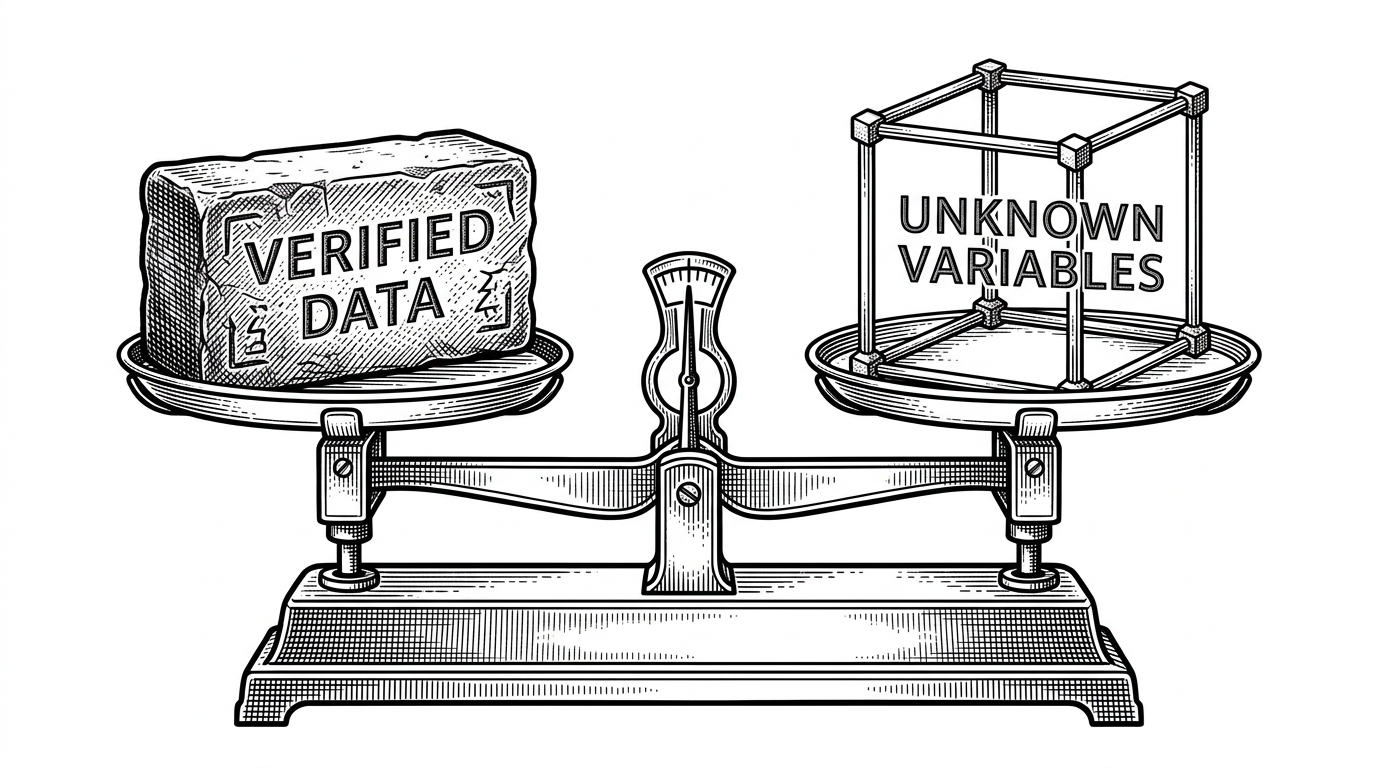
The most surprising technical feature is a command called /kw:confidence. AI tools are notorious for confidence theater, often hedging or hallucinating when unsure. This plugin forces the AI to explicitly map its own ignorance before writing a single word. It forbids the AI from using numerical confidence scales. Instead, it demands a strict accounting of missing files and unverified assumptions.
The Compounding Loop
The output is the memory. The plugin relies on a core compounding loop to prevent knowledge bloat. It forces the AI to extract exactly 1 to 3 learnings from a session and write them to a YAML and Markdown database.
This execution pipeline moves from /kw:brainstorm to /kw:plan to /kw:work and finally to /kw:compound. The strict constraint of extracting only a few learnings ensures the system only remembers critical corrections and systemic patterns.
Multi-Agent Parallel Reviews
Inside the agents/ directory, the plugin utilizes Claude Code's <parallel_tasks> to launch independent sub-agents. This treats document writing like a high-performance software build.
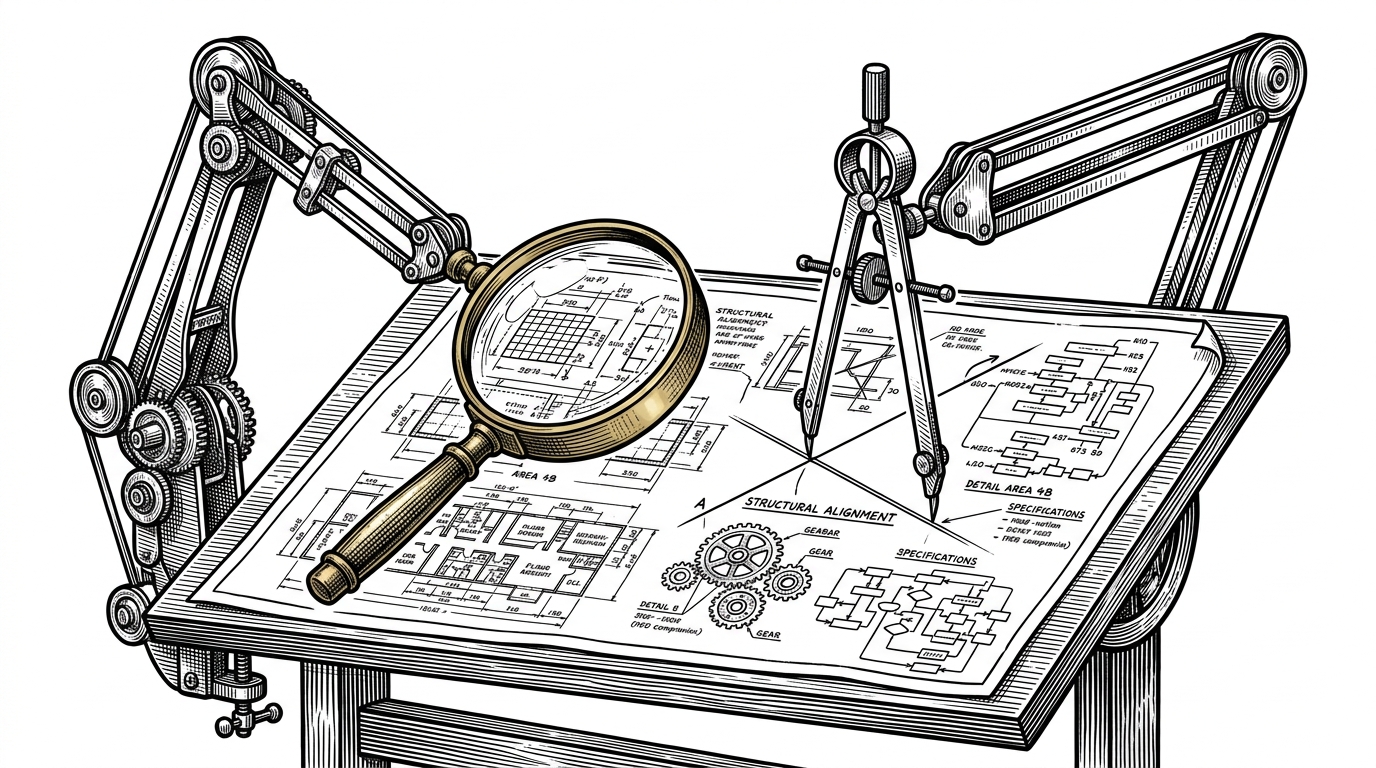
It runs a Strategic Alignment reviewer and a Data Accuracy reviewer at the same time. The plugin uses a rigorous P1, P2, and P3 severity scale. A wrong data source is treated as a P1 blocker, mirroring strict engineering standards.
The End of the Blank Page
Traditional Personal Knowledge Management tools like Obsidian or Notion are database-first. You have to build the database before you can use it. The compound-knowledge-plugin is workflow-first.
You just do the work, and the database builds itself as a byproduct. The system actively injects relevant context into your session using a CLAUDE.md file, transforming passive storage into an active state machine.
| Feature | Database-First PKM | Workflow-First AI |
|---|---|---|
| Data Entry | Manual curation | Autonomous extraction |
| Retrieval | Keyword search | RAG-injected context |
| Quality Control | Human review | Parallel agent review |
| State | Passive storage | Active state machine |
The Compound Philosophy
The project originated at EveryInc as the knowledge-work sibling to their compound-engineering methodology. Created by Austin Tedesco, it applies the same recursive learning loops to strategy and planning.
Each cycle makes the next one faster. `/kw:plan` searches `docs/knowledge/` for past learnings saved by `/kw:compound`. Knowledge compounds.