OpenClaude: The CLI That Turns AI Coding Into a Swappable Runtime
A look at the open-source agent harness that keeps context alive, permissions explicit, and model choice optional.
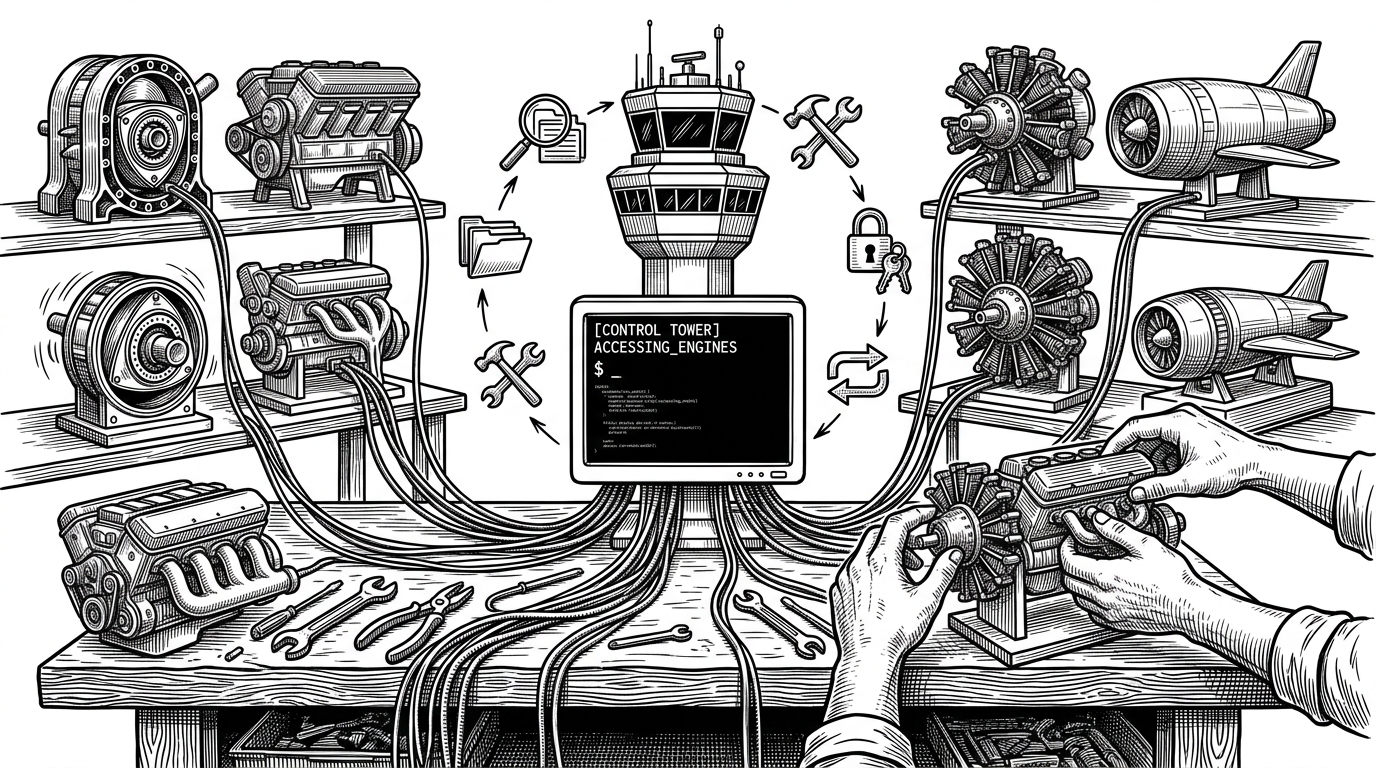
- OpenClaude’s real product is the runtime, not the chat surface, because it keeps agent behavior durable while letting models change underneath it.
- Its strongest engineering idea is context survival, where history snipping, compacting, and turn-based orchestration prevent long sessions from collapsing under their own weight.
- Permissions are not a side feature here, because bash, files, and background tasks make the agent powerful enough that control becomes part of the interface.
- The project’s open-source edge is portability: self-hosting, provider swapping, MCP integration, and remote bridging turn one CLI into a broader execution layer.
OpenClaude Is a Runtime, Not a Wrapper
OpenClaude looks like a terminal app. That is the camouflage. Under the hood, it behaves more like an execution layer for coding agents, with state, tools, permissions, telemetry, and remote transport all treated as first-class concerns.
That distinction matters. A wrapper helps you talk to a model. A runtime lets an agent keep working, remember what happened, and decide what to do next without losing the plot.
The repo’s shape supports that reading. Query orchestration, task tracking, bridge code, and compacting services are not decorative. They are the machinery that makes the CLI feel durable instead of disposable.
Why the Model Becomes a Detail
OpenClaude is built to swap providers without changing the workflow. In practice, that means the same terminal experience can sit on top of Anthropic, OpenAI, Gemini, Ollama, or other backends, depending on the user’s cost, privacy, and latency constraints.
That is more than convenience. It changes the product’s dependency graph. If the agent logic lives above the model, then model choice becomes an implementation detail rather than a prison.
| Axis | OpenClaude | Model-tied agent |
|---|---|---|
| Provider choice | Swappable across multiple backends | Locked to one vendor or one model family |
| Workflow continuity | Persistent sessions and reusable context | Often optimized for short chat turns |
| Deployment | Local, remote, or bridged execution | Usually tied to a specific app or cloud |
| Control | Explicit permissions and inspectable runtime | More opaque, with fewer knobs for operators |
| Lock-in risk | Lower, because the backend can change | Higher, because the product depends on the model |
That portability also explains why OpenClaude feels more infrastructural than conversational. The user is not just asking questions. They are stepping into a programmable harness that can outlive any single model choice.
The Brain: QueryEngine and the Turn Loop
The heart of the system is the turn loop in QueryEngine. User input enters, tools are discovered, the model reasons, actions are dispatched, and the results come back into the next turn. That sequence sounds ordinary until you realize it has to survive across providers, tools, and session length.
The repo’s service and utility layers show how much orchestration sits around that loop. MCP connections extend tool discovery. Token counting and cost tracking keep the session measurable. Feature flags shape different modes without making the whole system brittle.
// Conceptual shape of the loop
while (session.active) {
  const turn = await queryEngine.nextTurn(userInput, context);
  const tools = await toolRegistry.discover(turn.intent);
  const action = await queryEngine.selectAction(turn, tools);
  const result = await action.run();
  context = context.merge(result).compactIfNeeded();
  telemetry.record(turn, result);
}How OpenClaude Keeps Long Sessions Sane
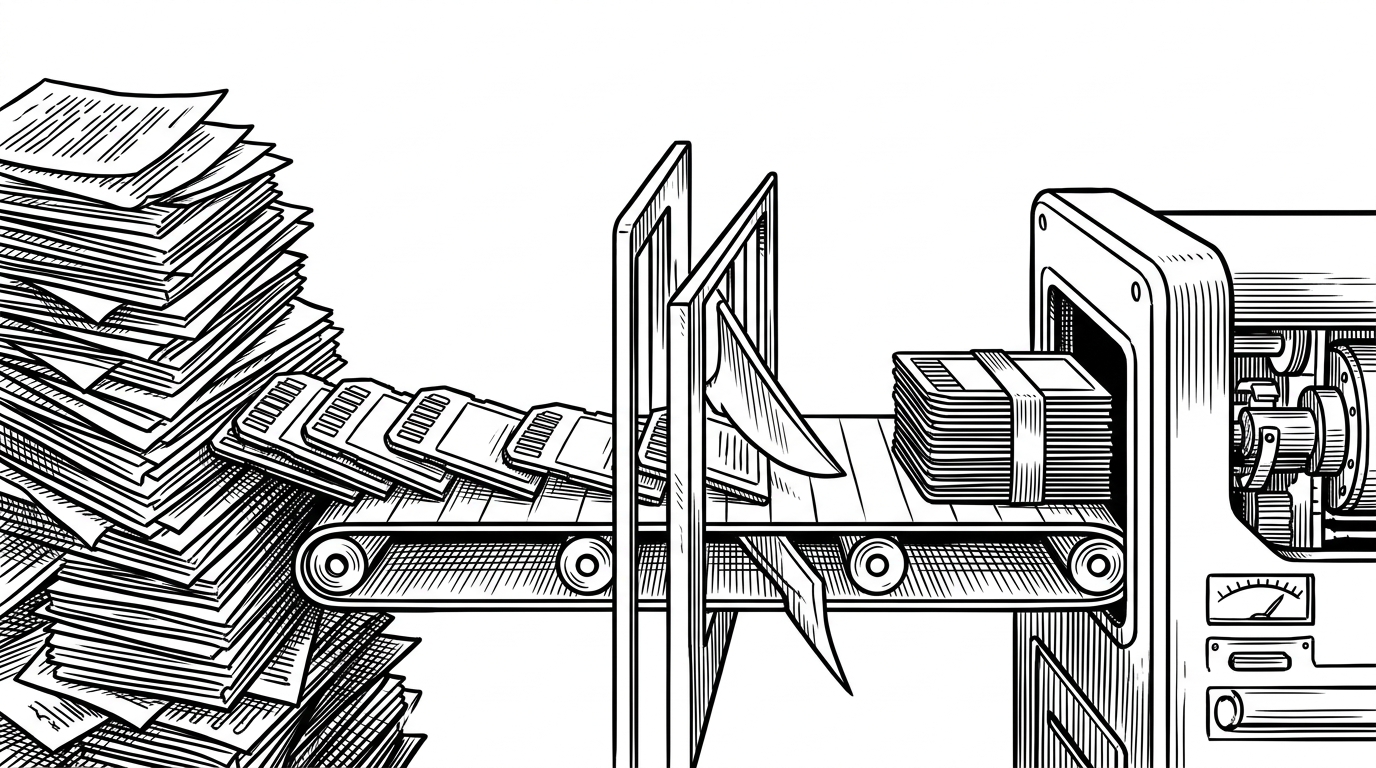
Long-running agents fail for a boring reason: the context window fills up. OpenClaude treats that as a systems problem, not a prompt-tuning problem.
History snipping and compacting are the answer. Instead of letting old turns accumulate until the session becomes brittle, the runtime prunes and compresses the record so the next turn still has enough memory to act intelligently.
That is why observability matters here. Token counts, model usage, and total cost are not vanity metrics. They are the signals that tell the runtime when it is approaching the edge and needs to simplify itself.
Permissions, Tasks, and the Danger of Real Agency
Once an agent can run bash, edit files, and spawn background work, permissioning stops being a nice-to-have. It becomes the boundary between useful autonomy and accidental damage.
That is where Tool.ts and Task.ts matter. They define what the agent can do, how asynchronous work is tracked, and when actions are allowed, denied, or escalated. In a tool-using CLI, the permission model is the product.
OpenClaude’s design is honest about that risk. It does not pretend the agent is harmless. It builds guardrails around an agent that is explicitly allowed to touch the filesystem and the shell.
Bridge, MCP, and the Remote-Local Loop
The bridge layer is the part that makes OpenClaude feel larger than a terminal app. It suggests a runtime that can cross machine boundaries, synchronize sessions, and keep control surfaces connected even when execution is happening somewhere else.
MCP extends that reach in the tool dimension. Instead of hard-coding every integration, the agent can discover external capabilities through a standard protocol and treat them as part of the working environment.
Put together, bridge and MCP turn OpenClaude into a distributed workflow layer. The terminal is still the front door, but it is no longer the whole building.
Why This Differs From the Rest
The closest comparisons are not just feature lists. They are mental models. OpenClaude is terminal-native and runtime-first. Claude Code is the polished proprietary reference point. Aider is deeply git-centric. Cline lives inside the editor. Cursor makes the editor itself the product.
| Project | Core mental model | Where it lives | What it optimizes for |
|---|---|---|---|
| OpenClaude | Programmable agent runtime | Terminal and bridge layer | Portability, persistence, explicit control |
| Claude Code | Vendor-native coding assistant | Terminal | Polished agent UX inside one model ecosystem |
| Aider | Git-aware coding partner | Terminal | Disciplined edits and commit flow |
| Cline | Autonomous IDE extension | VS Code | Visual interaction and editor proximity |
| Cursor | AI-native code editor | Editor | Fast, synchronous assistance inside the IDE |
That is the real contrast. Some tools help you write code inside a familiar interface. OpenClaude is trying to be the interface that agents live inside.
The Bet OpenClaude Is Making
OpenClaude is betting that serious users will care about runtime qualities the way operators care about infrastructure: portability, inspectability, control, and resilience under load.
That is a bigger claim than “open source Claude Code.” It says the future of coding agents is not just smarter prompts or better UI polish. It is a durable environment where the model can change, the tools can expand, and the session can keep going.
If that bet holds, the terminal stops being a nostalgic interface and becomes an operating system for agentic work.