sheeridVerify Says It's for Research. Its Feature List Says Otherwise.
A self-hosted queue, browser automation, and a disclaimer that contradicts both. What one Node.js repo reveals about the economics of student verification.

- sheeridVerify's stated purpose and its shipped capabilities describe two different tools.
- Its traction came from a manual help thread, not from a technical breakthrough.
- It is one entry in a fast-moving ecosystem of student-verification automation tools.
- "For research only" disclaimers increasingly function as cover rather than constraint.
The Disclaimer and the Feature List
Start with what the README forbids. The project states that it must not be used to falsify identity, enrollment, or documents, to misrepresent information, or to bypass eligibility review. It says it is for teaching, research, and authorized testing, and that it is not affiliated with SheerID or any school. Read on its own, that is a responsible disclosure posture.
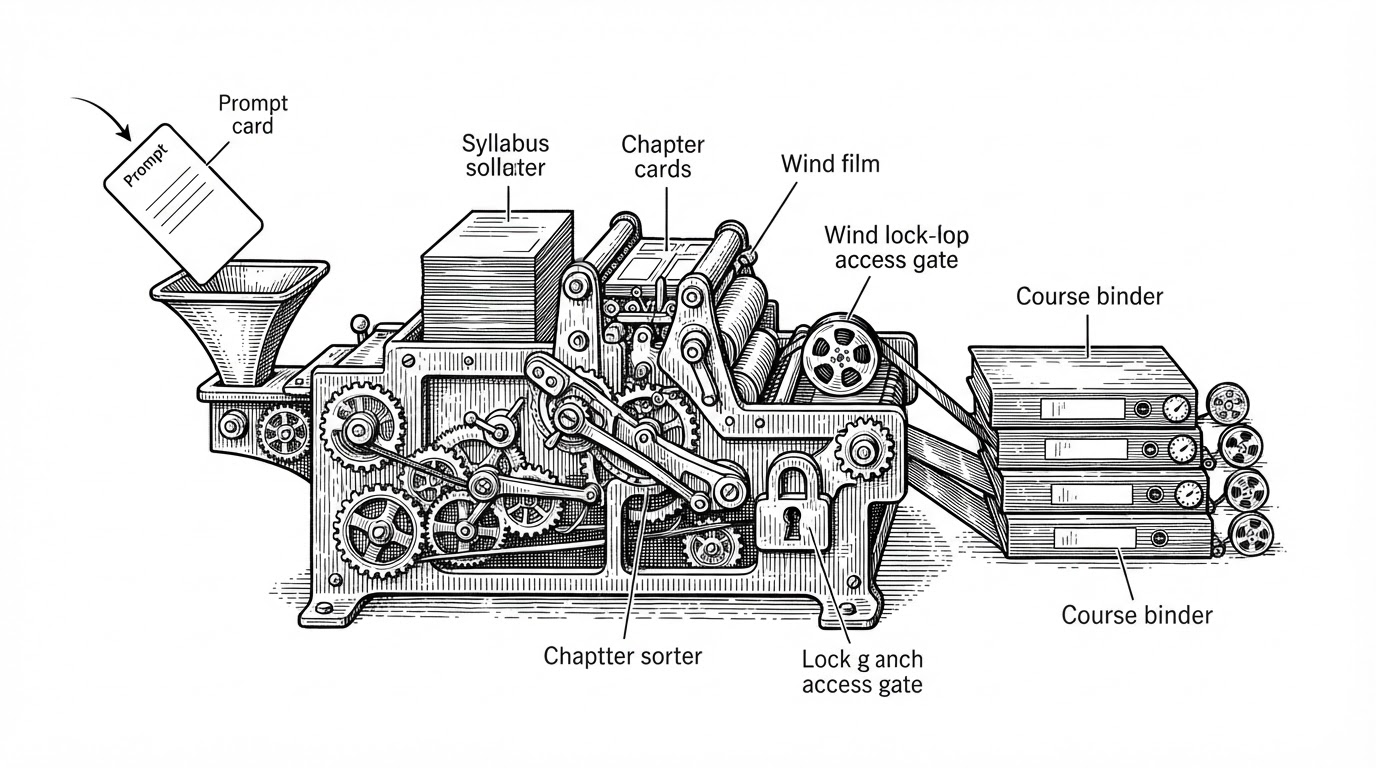
Now read the feature list beside it. According to the repository summary, the tool ships a self-hosted web workbench, a task queue with configurable concurrency, browser-based form interaction, HTTP status checks, proxy configuration, and deployment and interface-protection documentation. That is not the shape of a teaching aid. That is the shape of an operations console.
- Stated purpose: teaching, research, authorized testing.
- Stated restrictions: no falsified identity, enrollment, or documents; no misrepresentation; no bypassing eligibility review.
- Shipped surface: self-hosted web workbench, task queue, configurable concurrency, browser form interaction, status polling, proxy settings, deployment docs.
- Net effect: the label and the capability describe two different projects.
The gap between those two columns is the story. A disclaimer that forbids a use, attached to software built to perform it at scale, is doing rhetorical work rather than technical work.
A Help Desk That Became a Product
The most surprising fact about sheeridVerify is not in its code. It is in how it got here. A retrospective report describes the creator, JenkinWoo, posting in a LINUX DO thread to offer help with Google One student verifications. Requests arrived faster than one person could handle them, and the creator asked people to stop sending them in.
The bottleneck was human attention. The answer was a queue. According to the same account, the repository appeared days later, and its early traction traced back to that thread rather than to any technical novelty. Demand first, manual handling second, automation third.
DM me the link, don't share it publicly, or it'll auto-expire after too many clicks.
That line, from the original community post, captures the whole arc. A public offer, a private channel to protect throughput, and then software to remove the human from the loop. This is a very modern open-source pattern: a support desk that becomes a product.
What It Claims to Be
Described at the level of its own claims, sheeridVerify is a queued, operator-run workbench. A single person hosts it, drives it, and watches a dashboard of running tasks. The README says users supply their own original PNG, JPEG, or PDF files, and that the project does not generate or alter documents. That is a stated claim, not an independently verified one, and it sits awkwardly beside the rest of the feature set.
The model matters. Earlier tools in this space were shared public bots or single-purpose command-line scripts. A self-hosted console is different. It concentrates control in one operator, scales throughput through configuration rather than code, and produces a private surface that is harder to observe from the outside. The architecture does not just run the workflow. It shapes who can run it and who can see it.
An Ecosystem, Not an Outlier
sheeridVerify is one node in a small, fast-moving category. The tools differ in packaging, but they converge on the same target: the identity check that stands between a user and a student discount. The table below describes each project at the level of its own public claims.
| Project | Model | Reported scale | Notable approach |
|---|---|---|---|
| JenkinWoo/sheeridVerify | Self-hosted web workbench | ~1,891 stars / 1,013 forks (one snapshot); ~2,033 / 1,096 (another) | Task queue, configurable concurrency, browser form interaction, status polling, proxy settings, deployment docs. |
| PastKing/tgbot-verify | Telegram bot service | ~3,578 stars / 1,072 forks | Points, check-ins, referrals, redeem codes. A shared service rather than a private console. |
| eztg/GPT_Sheerid_Auto | CLI script | ~138 stars | Command-line flow aimed at ChatGPT verification, with TLS fingerprint emulation and proxy rotation. |
| bingofreedom/SheerID-Verification-Tool-Platinum | CLI script | ~131 stars | Typing mimicry and noise injection in a narrower command-line workflow. |
| coffeefreehans/google-one-verifier | Browser automation | ~5 stars | Google One focused, built on DrissionPage. Smaller and less adopted. |
| ThanhNguyxn/SheerID-Verification-Tool | Original deleted (404) | Mirrors reported | Direct-API predecessor with reported document generation. Mirrors such as RivenLau/gem-doc and ilikejupiter/verif are referenced. |
A caveat worth stating once: these star and fork figures are reported snapshots from public sources, not live counts, and the descriptions come from the projects' own summaries. Treat them as claims, not as independent findings.
Why Verification Is the Battleground
Step back from the tools. Platforms gate student discounts behind vendor checks for a reason: a discount is a subsidy, and a subsidy with no gate is an open door. Vendors like SheerID exist to sell that gate. Legitimate students pay with time and paperwork. Platforms pay the vendor. When the gate leaks, both absorb the cost, and the vendor's reputation takes the hit.
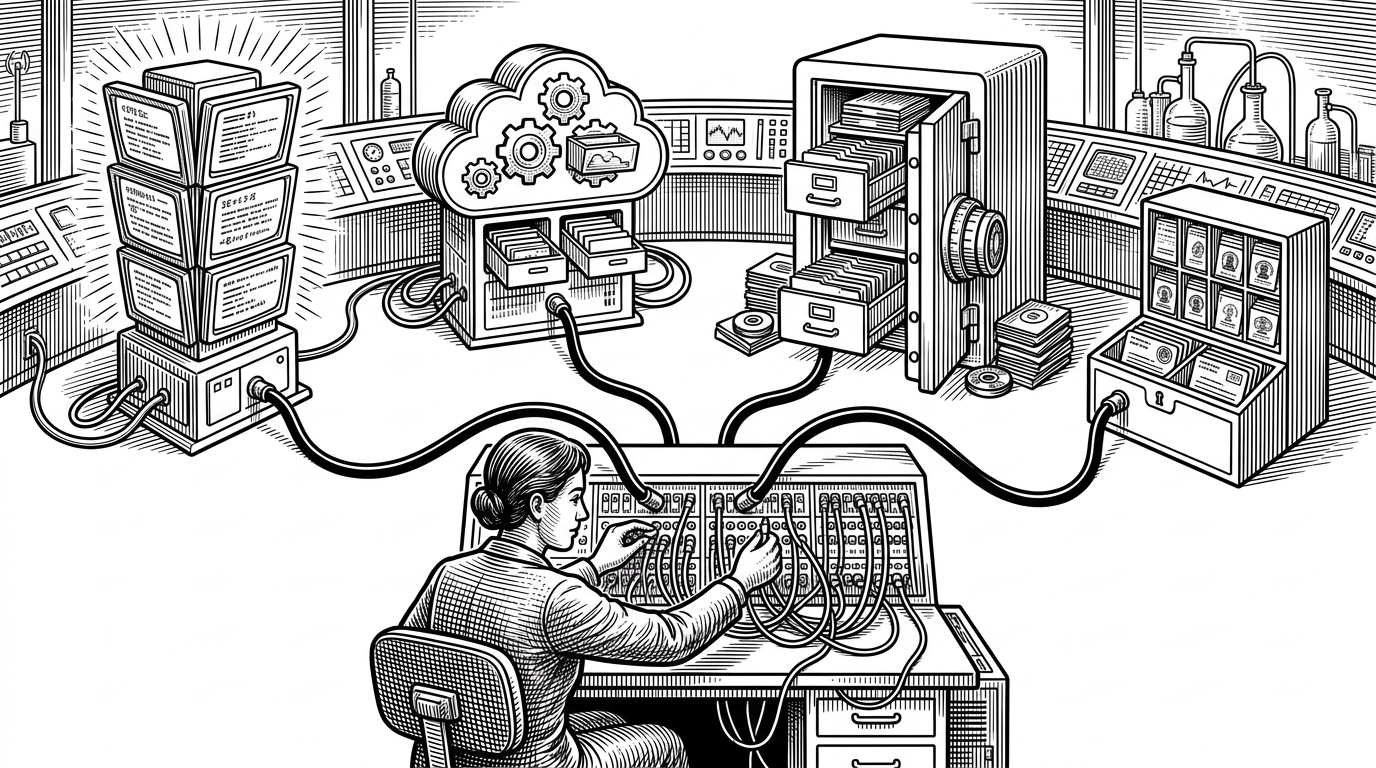
The interesting part is not the documents. It is the human layer behind them. Verification systems lean on a fallback of manual review, and manual review is the slow, expensive step. That is where the queue in sheeridVerify comes from, and it is where the entire trust model is softest. The diagram below lets you feel that pressure directly.
The Cost of the Label
Here is the uncomfortable conclusion. "Educational purposes" and "for research only" labels are now load-bearing. For a growing set of projects, they carry the weight of legitimation while the features serve another purpose entirely. The label is not a constraint on the software. It is a shield around it.
That shield has costs. Maintainers inherit a contradiction they may never resolve. Hosting platforms face a judgment call about where a disclaimer stops being a disclaimer. And readers like you are asked to hold two readings of the same repository at once: the one it advertises, and the one its feature list reveals.
The community reception made the gap plain. One widely shared post on X described the tool as a magic device that fills in details, submits proof, and tracks the review, a framing that treats the disclaimer as noise. Here is the original, in Chinese, attributed to the account @Lniosytest.
卧槽,想白嫖 Gemini Pro 学生优惠的,可以看看这个开源工具 sheeridVerify,简直是神器!🔥🔥自动帮你通过sheerid验证! 走到 SheerID 学生认证这一步,它能自动帮你填资料、提交原始证明、跟踪审核进度 仓库:[JenkinWoo/sheeridVerify](https://t.co/vQ2YCOGq7A) https://t.co/W3XW3UPx6n
Roughly translated: a tool for anyone who wants the Gemini Pro student discount, described as a magic device that automatically passes SheerID verification, fills in your details, submits your original proof, and tracks the review. That is how the project was received. The disclaimer was not the part people read.
None of this is a verdict on any single maintainer, and the article is not a manual. It is a question for the reader. When a project labels itself one thing and builds another, which one should we believe? The label, or the queue?