final_mahle: The Inventory System That Thinks Like a Factory Floor
A raw-SQL, Postgres-first ERP for manufacturing batches, nested product hierarchies, and permission logic that survives terminology drift.
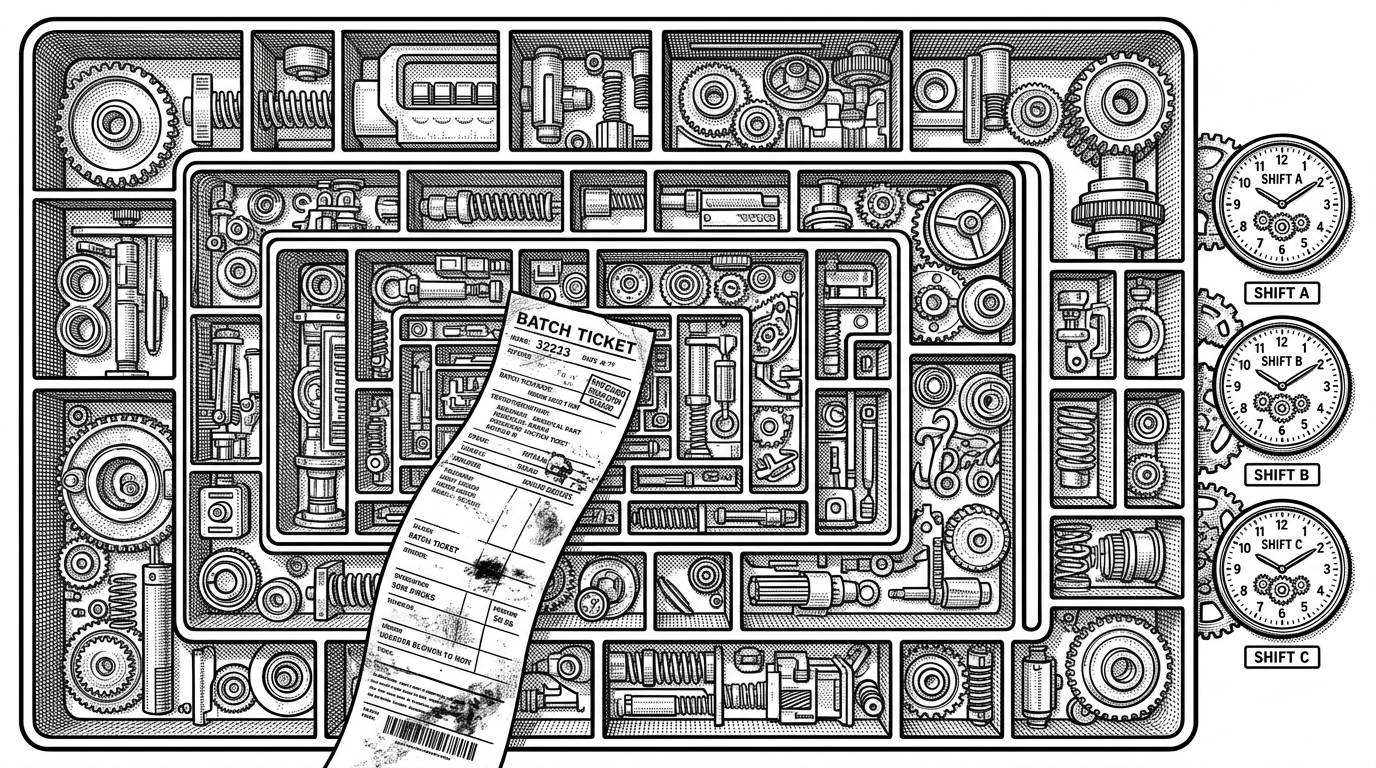
- final_mahle treats a factory as a data structure, so the schema follows the physical hierarchy instead of a generic item catalog.
- Its permission layer is built for evolution, with aliases and fallback paths that keep older terminology working while the model changes.
- The batch pipeline pushes reporting logic close to Postgres, which reduces round trips and keeps the data shape aligned with production needs.
- The raw-SQL choice is not accidental, because this kind of ERP benefits from direct control over constraints, bulk writes, and custom joins.
The factory is the data model
Most inventory apps start with products, orders, and a dashboard. final_mahle starts with a physical hierarchy. The codebase maps manufacturing reality into Postgres with a chain like product_tiers to product_cells to product_fractiles, then layers shift-aware batch tracking on top.
That choice changes everything. A tier is not just a category. A cell is not just a bucket. A fractile is not a label. They are structural parts of the production system, which means the database is doing more than storing records. It is preserving the shape of the floor.
Why the permission system is more interesting than it first looks
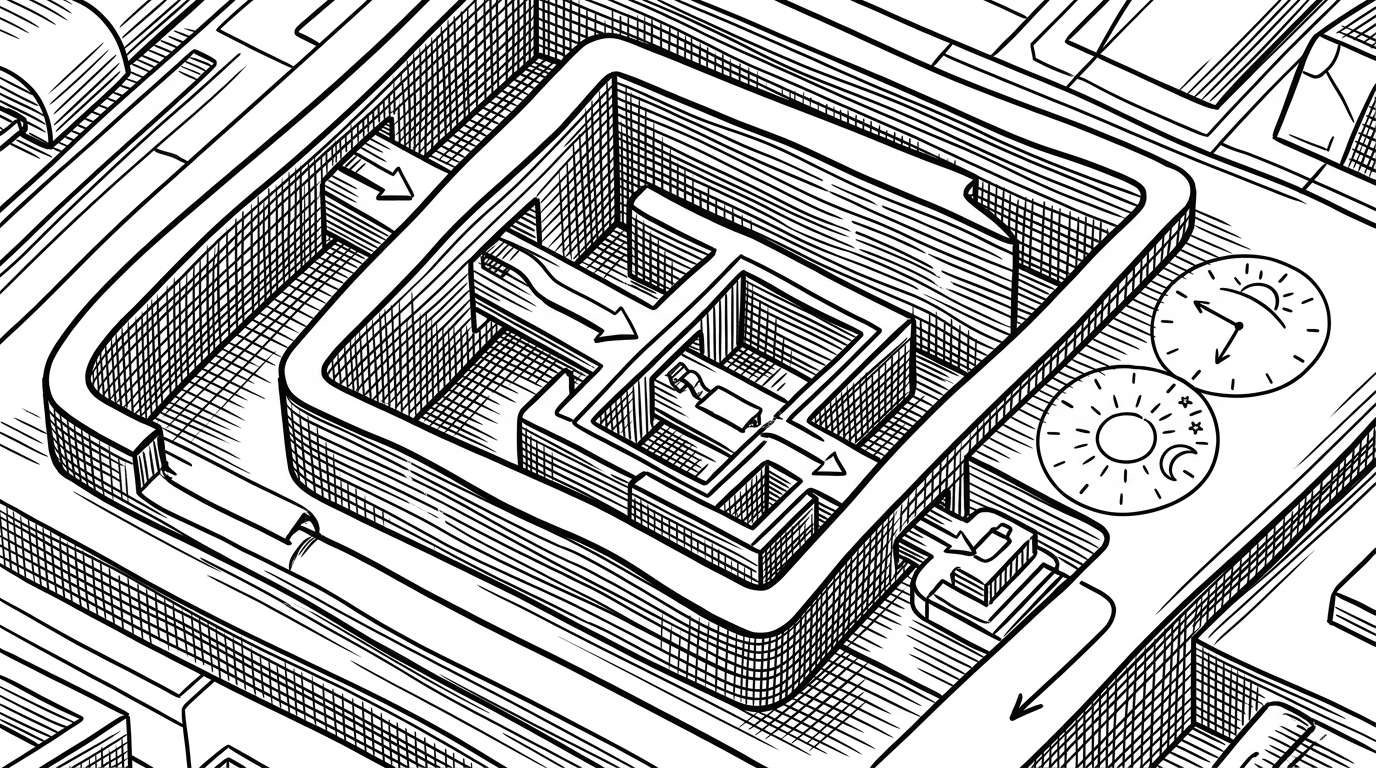
The RBAC layer is not just about locking screens. It is a compatibility machine. Resource names get normalized through alias handling, so multiple labels can collapse into one canonical key before the access decision even begins.
Then the system checks the modern path: resource-specific CRUD permissions. If that does not resolve the question, it falls back to legacy batch permissions. If that still leaves a gap, broader user-level flags step in. That waterfall matters because it lets the software evolve without breaking old data or old habits.
How production batches move through the system
The batch model is where the factory becomes an event stream. Production runs are inserted in bulk, duplicates are filtered before they reach the database, and reporting queries flatten the hierarchy with PostgreSQL aggregation instead of extra application-side stitching.
That design keeps the hot path efficient. The code pushes shape-changing work down into SQL, which means fewer round trips and fewer chances to lose the production context that operators need when they are looking at shifts, start times, and batch history.
SELECT
  b.id,
  b.batch_date,
  b.shift,
  STRING_AGG(DISTINCT t.name, ', ') AS tiers,
  STRING_AGG(DISTINCT c.name, ', ') AS cells,
  STRING_AGG(DISTINCT f.name, ', ') AS fractiles
FROM batches b
LEFT JOIN product_tiers t ON t.id = b.tier_id
LEFT JOIN product_cells c ON c.tier_id = t.id
LEFT JOIN product_fractiles f ON f.cell_id = c.id
GROUP BY b.id, b.batch_date, b.shift;
Why raw SQL is the right choice here
A heavier ORM would make this system look cleaner on paper and messier in practice. This repo needs custom types, conflict handling, carefully shaped joins, and bulk insert logic that stays close to the database. Raw SQL gives the authors direct control over all of it.
That matters in an industrial workflow. Reporting needs to be exact. Constraints need to be explicit. Backward compatibility needs to be encoded, not assumed. SQL-first code is a better fit for that reality than a generic abstraction layer that tries to smooth away the rough edges.
| Dimension | Generic inventory app | final_mahle |
|---|---|---|
| Data model | Products and categories | Tiers, cells, fractiles, and shift-aware batches |
| Permission model | Direct role checks | Alias normalization plus fallback waterfall |
| Reporting style | App-side joins and formatting | Postgres aggregation close to the data |
| Persistence style | ORM-mediated CRUD | Raw SQL with explicit conflict and bulk handling |
| System memory | Mostly current state | Current state plus legacy terminology |
What this repo is not
It is not a lightweight CRUD dashboard. It is not a generic SaaS admin panel. And it is not trying to hide manufacturing complexity behind friendly nouns.
That is the point. final_mahle behaves more like industrial memory than inventory software. It remembers hierarchy, timing, and terminology drift, then exposes those realities in a way the database can actually enforce.