EventEz: The Ticketing Repo That Treats Payment Failure, Seat Holds, and QR Fraud as First-Class Problems
A full-stack event platform with a surprisingly serious booking engine, single-use QR validation, and background workflows that keep inventory honest.
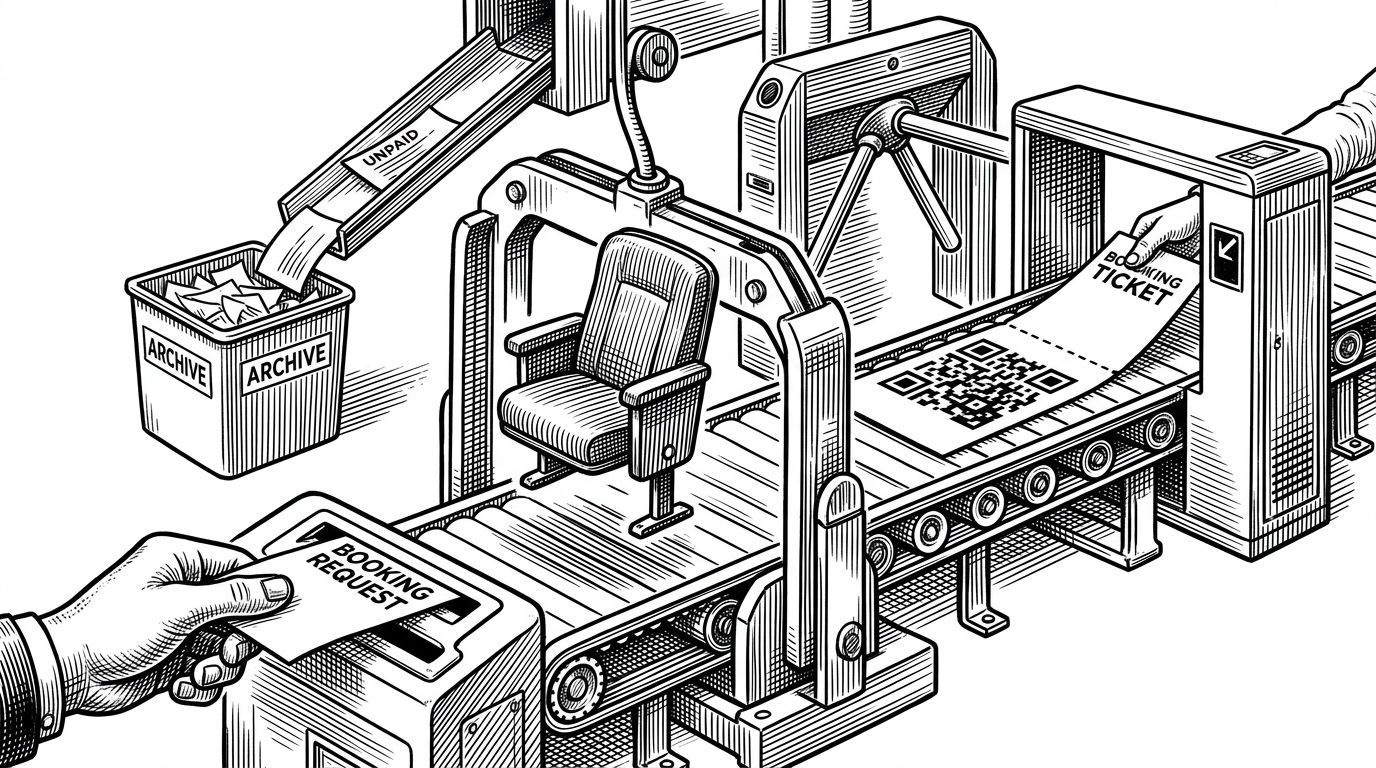
- EventEz stands out because it models ticketing as a chain of state transitions, not a simple checkout form.
- The booking engine protects inventory with provisional holds, Stripe metadata, webhook reconciliation, and cleanup for abandoned payments.
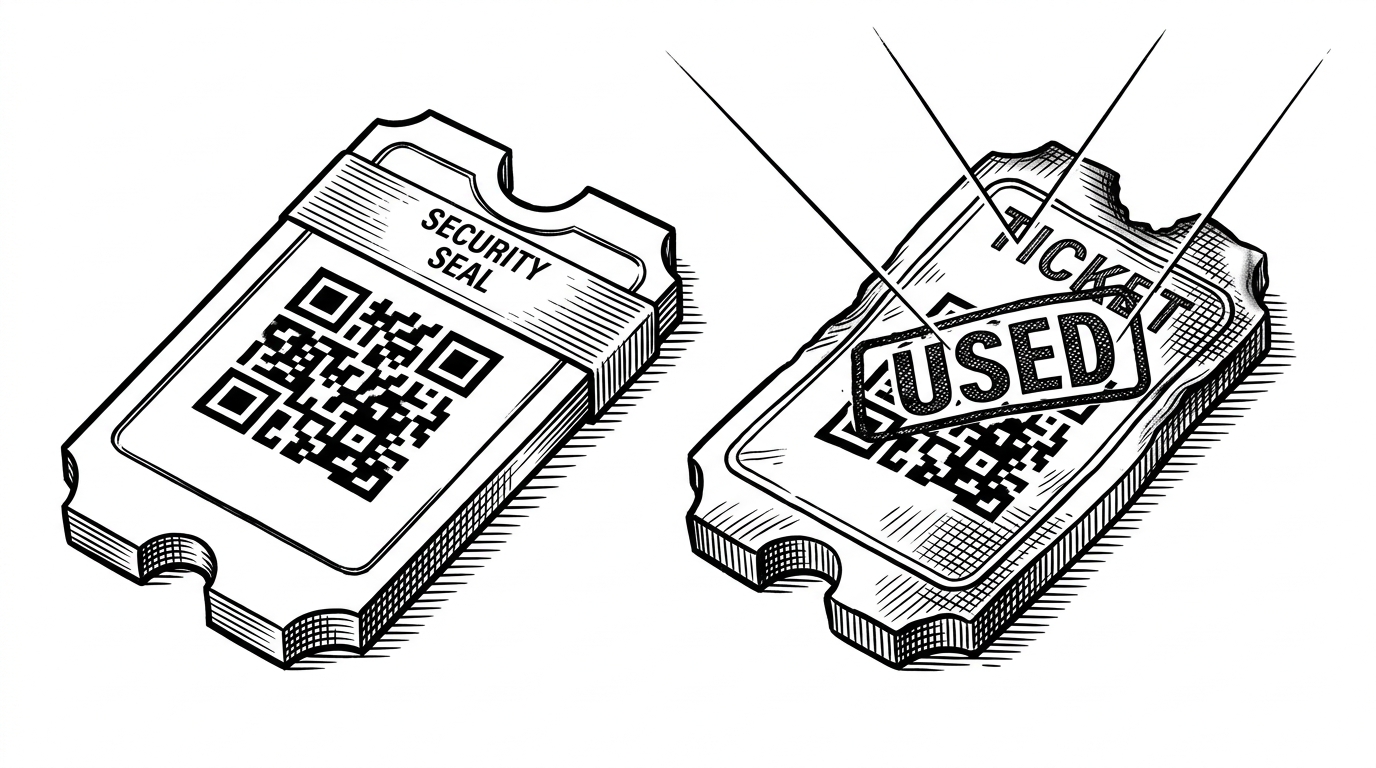
- Its QR flow is designed to prevent reuse at the door, which turns the ticket into a single-use credential instead of a printable image.
- The repo feels operational because it serves attendees, admins, and staff from one system.
Most event apps make the easy part look polished. EventEz does the opposite. It spends its energy on the ugly middle of ticketing, where a seat can be held, payment can fail, inventory can drift, and a door scanner can be fooled if the ticket lifecycle is sloppy.
That is why this repo is worth a close read. It is not just a React front end with forms and a MongoDB backend with collections. It is a small but serious attempt to keep a real-world transaction honest from the first seat click to the final entry scan.
Why Ticketing Apps Fail in the Middle
A ticketing flow only looks simple if you ignore the failure modes. A user picks a seat, leaves for payment, comes back late, or tries to reuse a QR code after the first scan. Meanwhile, the system has to keep selling without double-booking or letting dead inventory sit forever.
EventEz is interesting because it treats those edge cases as the product. The repo’s real value is not event discovery. It is the discipline around seat holds, payment confirmation, single-use validation, and timed cleanup.
The Booking Engine Is the Real Product
The booking flow begins with an availability check against occupied seats. If the seats are free, EventEz creates a Booking record with isPaid: false and pushes the user into Stripe Checkout. That booking record becomes the anchor point for everything that happens next.
The important detail is the metadata link. Stripe does not exist as a separate universe here. The session carries the booking ID back into the app, so the webhook can reconcile payment with the exact database record that created it. That is the difference between a payment button and a transactional system.
// Conceptual booking flow
const seatsAvailable = await checkSeatsAvailability(showId, selectedSeats);
if (!seatsAvailable) throw new Error('Seat conflict');

const booking = await Booking.create({
  show: showId,
  selectedSeats,
  isPaid: false,
});

const session = await stripe.checkout.sessions.create({
  mode: 'payment',
  metadata: {
    bookingId: booking._id.toString(),
  },
});
That pattern matters because payments are asynchronous. A user can close the tab. A card can fail. A webhook can arrive after the front end is gone. EventEz still has to know whether the seat is truly sold or only temporarily claimed.
Hello Everyone, I'm excited to share EventEz, a full-stack event management web application I built using the MERN stack (MongoDB, Express.js, React, Node.js).
QR Codes That Cannot Be Reused
Once payment lands, the ticket stops being a promise and becomes a credential. EventEz generates a QR token with cryptographic randomness and then checks it at the door with single-use logic. If the token has already been consumed, the scan fails.
That is the cleanest anti-fraud move in the repo. A printed QR code is only useful if the system trusts the first scan and rejects the second. EventEz does that with a qrUsed check, which turns entry into a one-time event rather than a reusable artifact.
Three Users, One Product
EventEz is not organized around one happy user. It serves attendees, admins, and staff, which is a clue that the author is thinking about operations, not just UX. The product has to sell tickets, manage inventory, and validate entry in the same codebase.
| Persona | Primary job | What EventEz gives them | Why it matters |
|---|---|---|---|
| Attendee | Browse events, choose seats, pay | Event discovery, seat selection, checkout, ticket QR | Keeps the purchase path simple |
| Admin | Manage events and inventory | Seat release, event control, booking oversight | Lets the venue recover from mistakes |
| Staff | Verify tickets at the door | Scanner route, QR validation, used-ticket blocking | Makes the physical entry point trustworthy |
That admin seat release feature is easy to miss and easy to underestimate. It means the system does not pretend its inventory rules are perfect forever. A real venue needs override paths, and EventEz makes room for them.
Why Inngest Matters Here
The hardest failure mode in ticketing is the abandoned hold. A user can reserve seats and then disappear before payment completes. If nothing cleans that up, the system slowly poisons its own inventory.
That is where Inngest fits. Background workflows give EventEz a place to reclaim stale bookings and keep the seat map honest over time. It is a small architectural choice with a big operational consequence: the system can recover from uncertainty instead of freezing it into permanent false occupancy.
What EventEz Gets Right Compared to Bigger Platforms
EventEz is not competing with Eventbrite on breadth or Meetup on community gravity. It competes on clarity. The repo shows what a modern JavaScript-native ticketing foundation looks like when transaction integrity matters more than marketing features.
| Dimension | EventEz | Simpler CRUD event app | Commercial platforms |
|---|---|---|---|
| Booking integrity | Provisional holds, Stripe reconciliation, cleanup | Usually missing or shallow | Strong, but hidden behind product complexity |
| QR reuse prevention | Single-use validation with used-ticket checks | Often absent | Usually present |
| Operational workflows | Admin release and staff scanning | Rarely included | Present, but heavier to customize |
| Stack accessibility | MERN, Clerk, Stripe, Inngest | Easy to start, weak on lifecycle | Powerful, but closed and opinionated |
| Best use case | A serious starter for transactional ticketing | Demos and prototypes | Large-scale managed ticketing |
The comparison is not about feature count. It is about whether the software understands that a ticket is a promise with a lifecycle. EventEz does. That makes it more interesting than many starter projects, even if it is smaller than the incumbents.
The Takeaway for Builders
EventEz is a strong example of how to build a practical ticketing stack without lying about the hard parts. It gives the booking flow, QR validation, and cleanup jobs the same dignity as the front end.
That is the real lesson. If you are building software for a real venue, the interface is only half the job. The rest is preserving trust when payment stalls, seats conflict, or a ticket gets copied and scanned twice.