local-deep-research: Local Deep Research: The Private Research Agent That Knows When to Keep Digging
A local-first deep research system that combines strategy-switching agents, encrypted memory, and source-quality filtering to produce serious research without sending your data to the cloud.
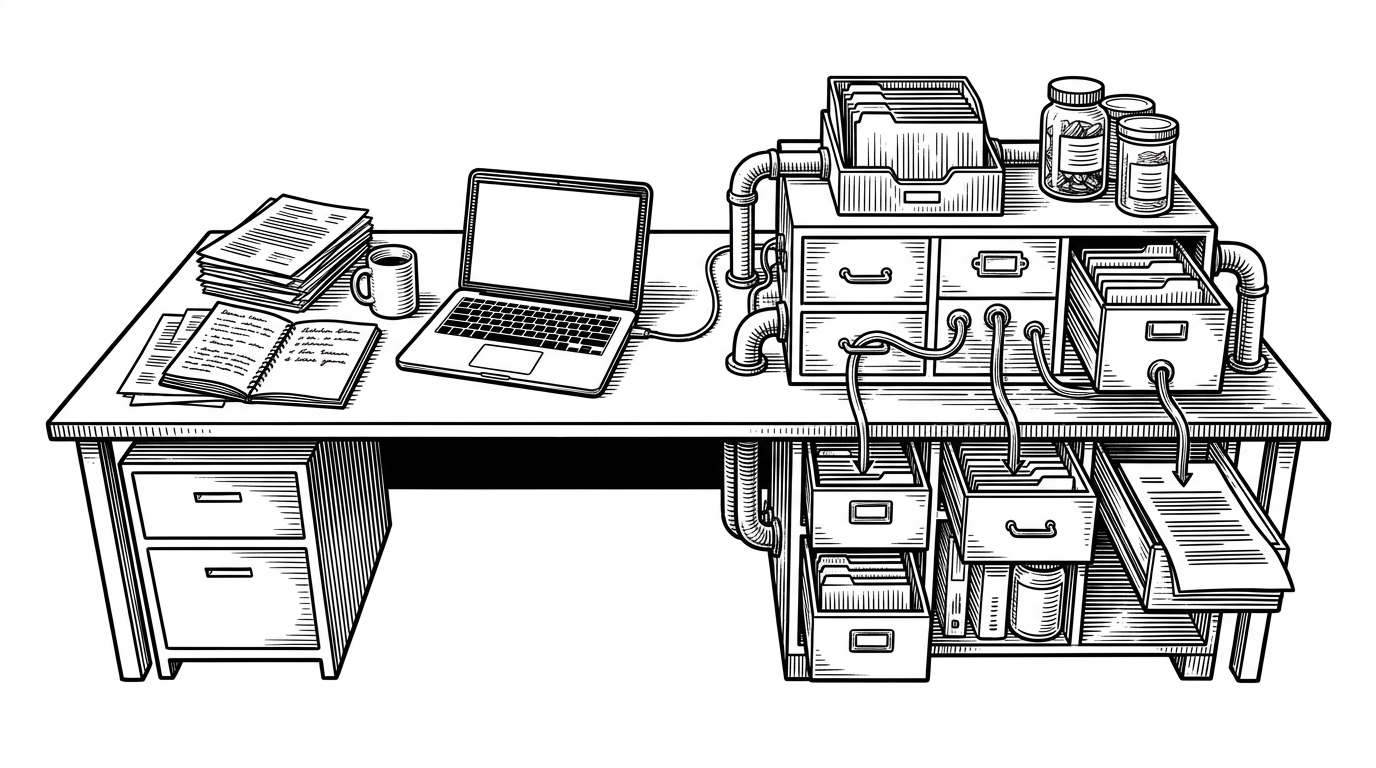
- Local Deep Research matters because it keeps the research workflow on your machine without turning the agent into a toy.
- Its real differentiator is not retrieval alone, but strategy switching, source triage, and encrypted persistence working together.
- The project feels production-minded because privacy, real-time feedback, and supply-chain hardening are treated as core product features.
- LDR points to a broader category shift where research tools are judged by trust, locality, and visibility as much as answer quality.
Most deep research tools make a simple trade: you get a slick interface, but your prompts, sources, and memory live in somebody else’s cloud. LearningCircuit/local-deep-research takes the same job and relocates it onto your own machine, without reducing the agent to a dumb search wrapper.
That is the interesting part. LDR does not behave like a local chatbot with a better prompt. It behaves like a research desk that can choose tactics, inspect sources, keep state, and decide when the evidence is good enough to stop.
Why local matters when the job is research
Excited to share local-deep-research: An open-source tool for deep research using local LLMs. Run comprehensive research agents entirely on your machine, no external APIs needed (for the model). Powered by LangChain and Ollama.
Research often pulls in sensitive material. Internal docs, draft strategies, unpublished notes, and half-formed questions are exactly the kind of inputs many teams do not want leaving their machine. LDR’s pitch is simple: keep the model local, keep the memory local, and keep the research trace under your control.
| Tool | Runs locally? | Data stays private? | Strategy switching? | Source quality filtering? | Encrypted memory? | Best fit |
|---|---|---|---|---|---|---|
| Local Deep Research | Yes | Yes | Yes | Yes | Yes | Private, serious research workflows |
| Cloud deep research tools | No | Usually not | Sometimes | Sometimes | No | Convenience and polished cloud UX |
| Generic RAG pipeline | Often | Depends | No | Rarely | Depends | Simple retrieval and summarization |
| gpt-researcher | Can be configured | Depends | Limited | Some | Depends | Broader open-source research automation |
How the agent decides what to do next
The conceptual heart of LDR is not retrieval. It is decision-making. The project uses LangGraph and a strategy layer with 20-plus presets, so the agent can choose whether a task needs broad web searching, specialized academic sources, or a faster pass that stops early.
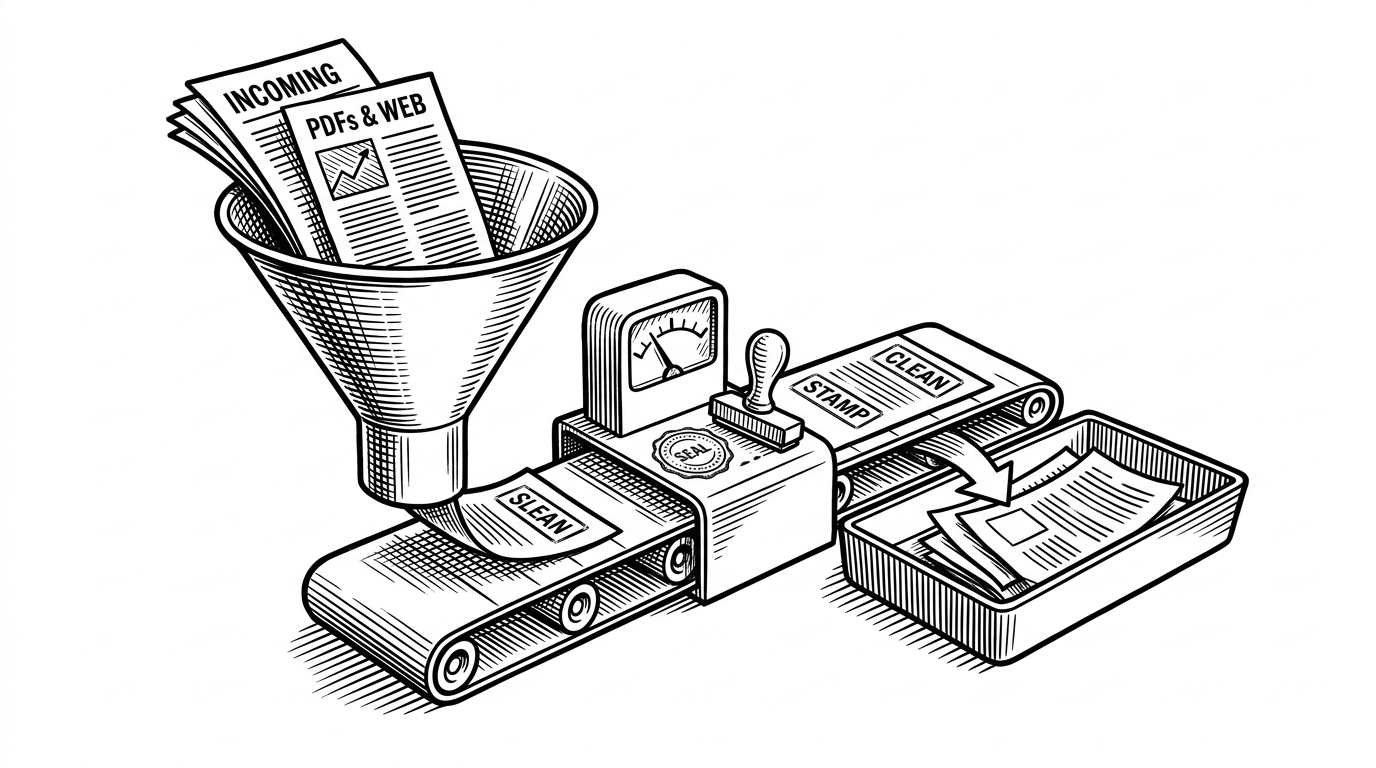
That source-quality layer matters because it changes the feel of the output. A lot of research tools are good at collecting. Fewer are good at judging. LDR tries to make the judgment visible, which is what makes the result feel less like a summary and more like an argument.
Encrypted memory changes the trust model
Local execution is only half the trust story. LDR also persists its state with SQLCipher, which means the research trail at rest is encrypted rather than sitting in plain text like many hobby-grade assistants.
That shifts the product from “private while running” to “private after the session ends.” For a research assistant, that is a real distinction. The part most people forget is not the query. It is the memory of the query.
| Storage model | What is protected | What it costs | Why it matters |
|---|---|---|---|
| Plain local SQLite | Nothing at rest | Simple setup | Fast, but exposed if the disk is copied |
| Encrypted SQLCipher | Data at rest | More setup and dependency care | Research traces stay protected on the machine |
| Cloud history store | Vendor-managed | Convenience and sync | Easy to use, but the data leaves your control |
Real-time feedback turns the agent from black box into instrument
Deep research can take long enough to feel inert. LDR uses Socket.io to surface what is happening as it happens, so users can see the system move through queries, source shifts, and synthesis instead of staring at a frozen page.
That is a small UI detail with a large effect. Real-time status makes the agent legible. Once the process is visible, users are more willing to trust the pace, the detours, and the final result.
Why this repo feels more production-minded than experimental
The codebase looks like a project that expects real use. The repository ships with heavy CI, security scanning, pinned base images, multi-arch builds, and benchmark tracking. That is a lot of discipline for a category that often ships as a weekend demo.
- Security checks are baked into the workflow, not bolted on after the fact.
- The project tracks benchmark results instead of relying on vague claims.
- Cross-platform build support suggests the local-first promise is meant seriously.
- Documentation around database and deployment hints at long-term maintainability.
That maturity matters because local-first software can fail in a very specific way. It can be private, clever, and still too fragile to trust. LDR avoids that trap by treating hardening as part of the product.
What LDR changes about the category
The deeper point is not that local research beats cloud research in every case. It does not. Cloud products are still easier for many users, and some tasks benefit from their scale and polish.
What LDR shows is a different operating philosophy. Deep research tools can be judged by where they run, how they store memory, and how much of the research process they reveal. In that frame, privacy is not a side benefit. It is the architecture.