Understand-Anything: The Codebase Map Built to Survive LLM Chaos
A multi-agent graph engine that turns source trees, docs, and business rules into guided tours, semantic links, and living knowledge maps.
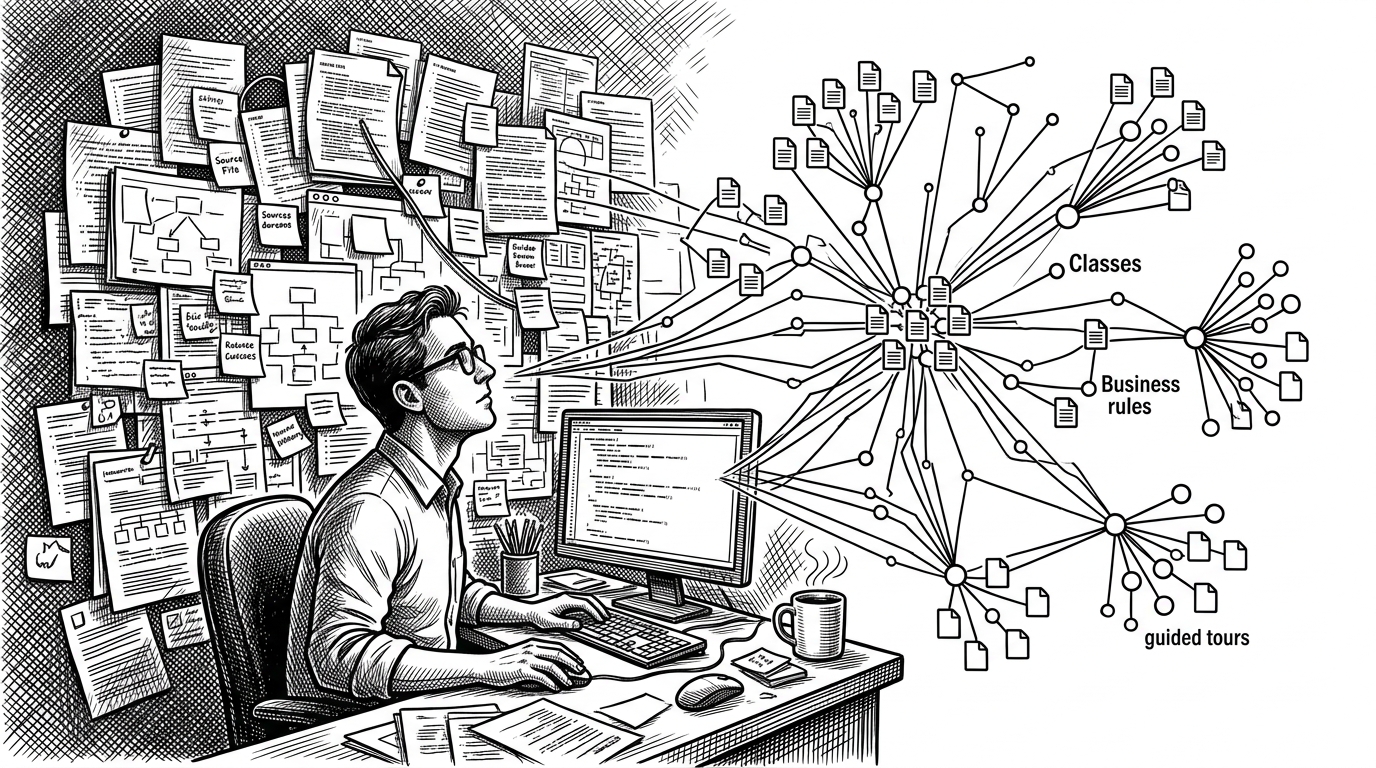
- Understand-Anything treats LLM output like unreliable input and stabilizes it with schema checks, alias cleanup, and canonical graph normalization.
- The product’s real value is not visualization alone, but guided understanding through tours, domain views, and diff-aware impact analysis.
- Its pipeline design makes documentation behave more like a deterministic compiler pass than a chatbot session.
- The trade-off is real: richer meaning and better onboarding come with higher token cost and more operational complexity.
Why this feels like a compiler, not a chatbot
Most codebase tools start with a search box and end with a pile of links. Understand-Anything starts with the opposite assumption: the model will drift, so the system must absorb that drift and still produce something canonical. That is why the project feels less like a demo and more like a compiler for understanding.
The project’s own pitch makes the point sharply: “Graphs that teach > graphs that impress.” The useful thing here is not the graph as decoration. It is the graph as a stable intermediate representation that can survive messy generation and still support navigation, onboarding, and reasoning.
Graphs that teach > graphs that impress.
What the graph actually teaches
The visible product is a dashboard, but the actual product is a learning path. You can move through file views, architecture views, domain views, guided tours, and diff impact views without feeling like you are trapped in a raw dependency graph.
That matters because code comprehension is not just about locating symbols. It is about building a mental model of what changes matter, which files belong together, and where business logic lives. In that sense, the graph is an interface for inheritance, not just inspection.
The five-agent pipeline behind /understand
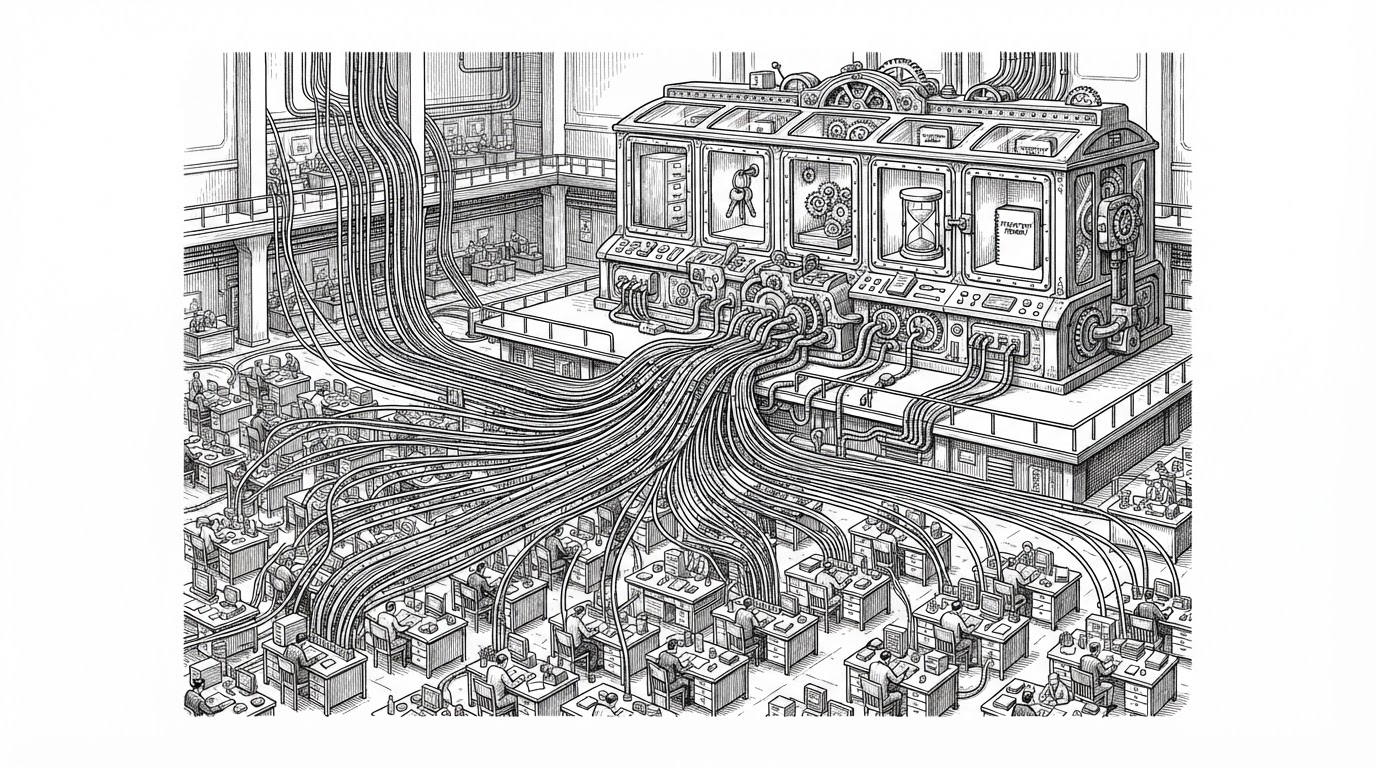
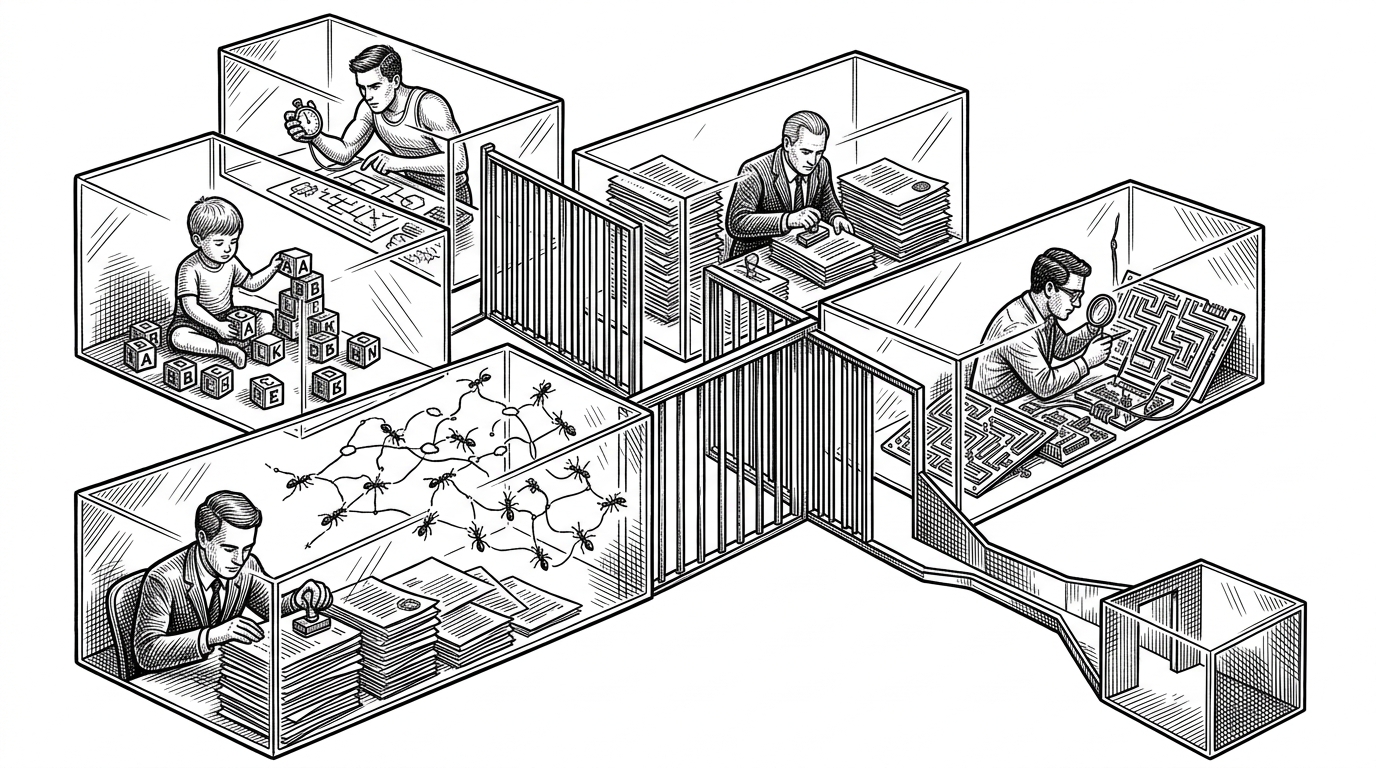
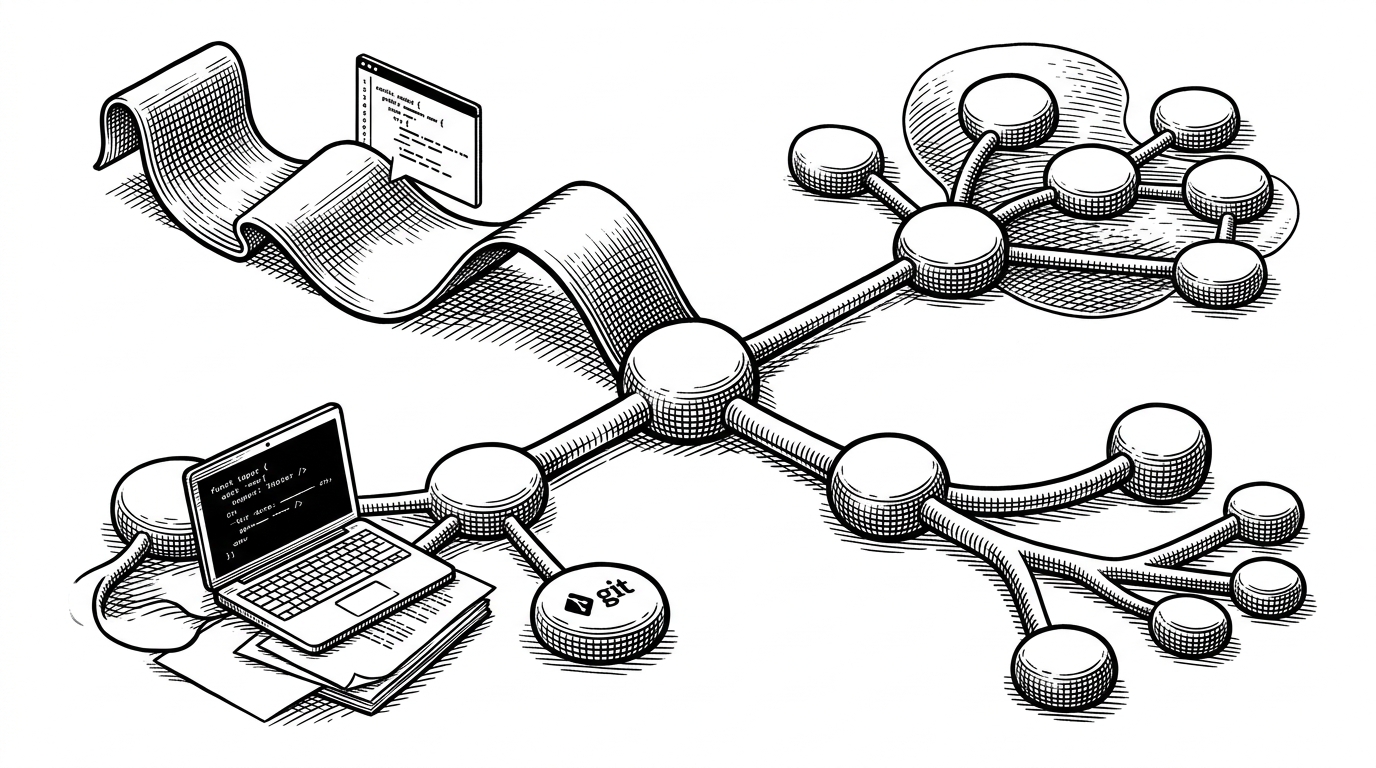
The repository is organized around a staged orchestration model: project-scanner, file-analyzer, architecture-analyzer, tour-builder, and graph-reviewer. That sequence matters. Each stage narrows the problem instead of asking one prompt to do everything at once.
This is where the project stops behaving like prompt engineering and starts behaving like systems design. The scanner identifies the territory. The analyzers extract structure. The tour builder converts that structure into a narrative path. The reviewer checks whether the result still makes sense as a graph.
The architecture is deliberately redundant
Redundancy is not waste here. It is control. The pipeline creates multiple passes over the same source material so the system can correct itself before the user ever sees the result. That is how a tool built on top of LLMs can aim for reliability without pretending the model is deterministic.
How the graph survives hallucinations
The technical heart of the repo is the normalization layer. The schema defines a wide surface area for nodes and edges, then the system aggressively canonicalizes what the model returns. That means alias maps for synonyms, repair logic for malformed IDs, and validation that refuses to let the graph drift into ambiguity.
// Simplified view of the normalization idea
const aliasMap = new Map([
  ['func', 'function'],
  ['extends', 'inherits'],
  ['imported-by', 'imports']
]);

function canonicalizeNode(node) {
  const type = aliasMap.get(node.type) ?? node.type;
  const id = stripToValidPrefix(node.id);
  return {
    ...node,
    type,
    id
  };
}

function normalizeGraph(graph) {
  const nodes = graph.nodes.map(canonicalizeNode);
  const edges = graph.edges.map(edge => ({
    ...edge,
    type: aliasMap.get(edge.type) ?? edge.type,
    from: stripToValidPrefix(edge.from),
    to: stripToValidPrefix(edge.to)
  }));

  return validateSchema({ nodes, edges });
}
That code shape says a lot. The system assumes the model will produce synonyms, prefixes, and near-misses. Instead of failing on those mistakes, it repairs them into a stable vocabulary. That is a better fit for LLMs than pretending the model will behave like a parser.
The result is a graph that can be diffed, rendered, and linked back to source with much less fragility. In practice, that turns a probabilistic interface into a dependable artifact.
Why language lessons are the sleeper feature
One of the smartest parts of the repo is not visual at all. The language lesson layer explains recurring idioms, patterns, and conventions so the output does not stop at structure. It teaches the reader why a closure, decorator, or pattern exists in context.
That matters because most onboarding tools tell you what is present. Fewer explain what is normal. Understand-Anything tries to do both. It is not just an index of the codebase. It is a glossary for the codebase’s habits.
Diff impact is the other half of understanding
The fingerprint system gives the project a workflow edge. By hashing functions, classes, and imports, it can detect what changed and trace the ripples through the graph instead of redoing everything from scratch. That makes the map useful after the first run, which is where many analysis tools quietly fall apart.
This is the difference between a static atlas and a living one. If a change in one file affects a tour, a domain cluster, or a downstream edge, the graph can surface that impact instead of making you rediscover it manually.
How it compares to static analyzers and graph tools
The trade-off is straightforward. Static-analysis-first tools are cheaper, faster, and easier to run locally. LLM-heavy rivals can be more semantic, but they also incur more cost and more moving parts. Understand-Anything lives on the semantic end of that spectrum, where the payoff is richer human-readable guidance.
| Tool | Input mode | LLM dependence | Incremental updates | Semantic summaries | Guided tours | Local execution | Best use case | Main trade-off |
|---|---|---|---|---|---|---|---|---|
| Understand-Anything | Repo tree, docs, diffs | High | Yes, through fingerprints and staged analysis | Yes | Yes | Partially, depending on setup | Onboarding and guided understanding | More token cost and operational complexity |
| code-review-graph | Source code only | Low | Yes, via git diffs | Limited | No | Yes | Fast static analysis and review | Less semantic depth |
| CodeGraph | Multi-language source | Low | Yes | Limited | No | Yes | Local graph exploration | Less explanation, more indexing |
| Axon | Source code plus LLM phases | High | Yes | Yes | Some | Varies | Semantic code intelligence | More cost and orchestration overhead |
The important point is not that one approach wins everywhere. It is that Understand-Anything chooses to spend more to say more. If you want the system to explain architecture, business logic, and onboarding paths in plain language, that cost buys something real.
Who this is for, and where it will hurt
The best fit is obvious: new engineers, teams inheriting large codebases, research wikis that need structure, and builders who want a shared map before they start changing code. It is also a good fit for non-technical stakeholders who need a legible model without reading the source directly.
The pain points are equally clear. Large graphs can be heavy. Token usage can get expensive. More stages mean more failure modes. This is the price of a system that tries to convert ambiguity into explanation instead of just search results.
That is why the project is interesting. It is not trying to be the cheapest way to index code. It is trying to be one of the few tools that can help a human or an agent actually understand it.