bmad-marketing-growth: The Declarative Marketing Department
Moving beyond the mega-prompt to a 14-agent hierarchical orchestration framework for SaaS growth.
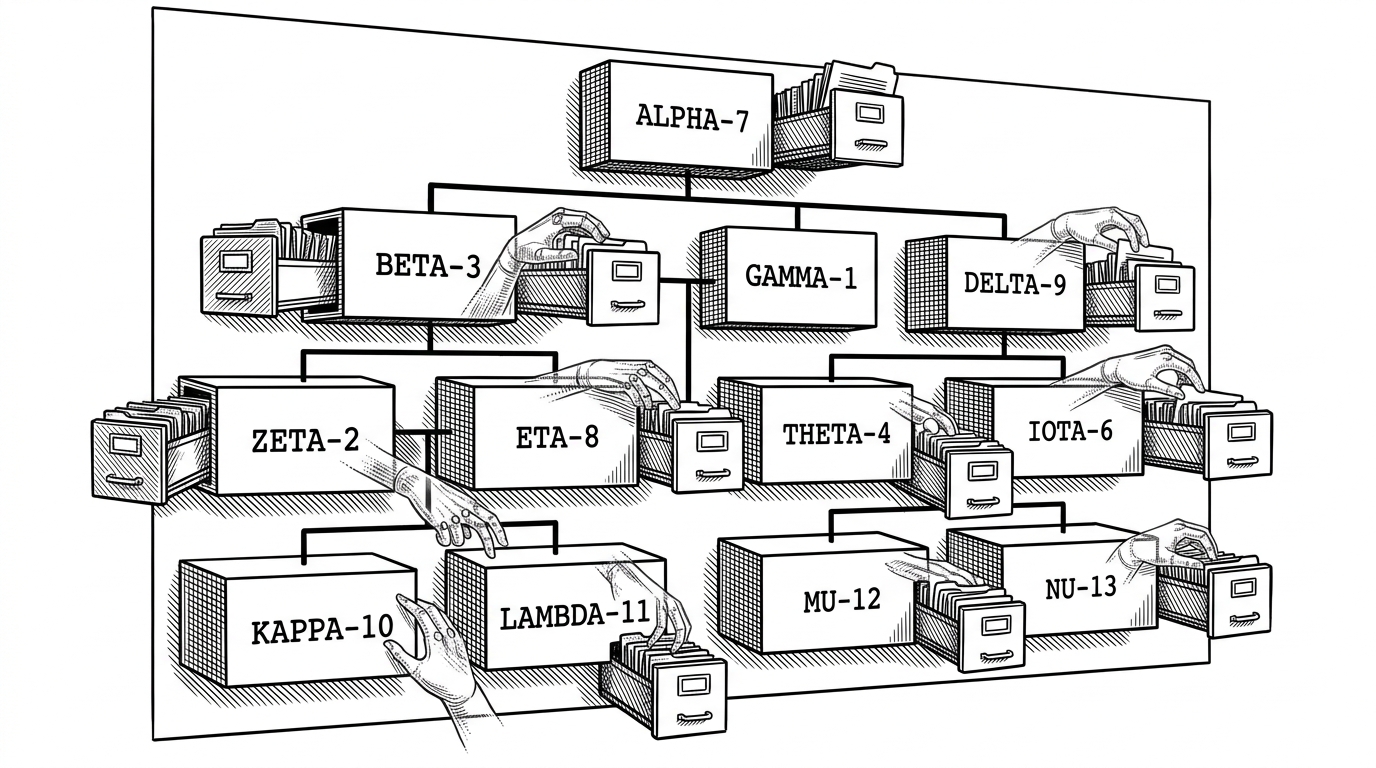
- Sidecar Memory folders isolate platform-specific data to prevent context drift across the agent network.
- A three-tier hierarchy delegates high-level strategy from a central orchestrator down to granular platform specialists.
- Deterministic YAML workflows transform open-ended marketing tasks into state machines with mandatory human approval gates.
Beyond the Infinite Context Window
The most compelling aspect of `MatthiasMRC/bmad-marketing-growth` is not that it generates marketing copy. It is how it prevents context drift. Most AI marketing tools rely on a single, massive system prompt that eventually collapses under the weight of its own generated context. This repository solves that through a "Sidecar Memory" architecture.
Every agent in the system maintains a dedicated `_memory` folder. This local storage isolates platform-specific heuristics and previous campaign data. A "Reddit Specialist" agent can remember the exact subreddits it researched last week without cluttering the "Marketing Orchestrator" agent's high-level strategic context.

The Three-Tier Command Chain
The repository uses a strict Manager-Worker pattern across 14 specialized agents. This is defined in the configuration files as a hierarchical delegation chain. Tier 1 is the Orchestrator, named Max Growth. Max acts entirely as a router and high-level strategist.
When Max decides a campaign needs social media distribution, it does not write the tweets itself. It passes a highly structured Delegation Brief to Tier 2, the Department Leads. Those leads then fan the work out to Tier 3, the Platform Specialists, who execute the granular tasks based on their specific markdown-defined personas.
Marketing as a State Machine
The true product of this repository lives in the `workflows/` directory. Rather than relying on open-ended chat sessions, the BMAD module treats a marketing strategy like a deterministic state machine. Tasks are triggered by short codes, such as `LS` for a Launch Sequence.
This 21-day timeline coordinates multiple agents from an initial audit through strategy generation, launch day execution, and post-launch review. Crucially, these YAML workflows include defined Gatekeepers. The AI processes halt and require human approval before moving from strategy to execution, ensuring safety and alignment.
| Feature | Traditional AI Marketing | BMad Orchestration |
|---|---|---|
| Context Management | Single massive prompt (prone to drift) | Fragmented Sidecar memory per agent |
| Execution Style | One-shot text generation | Multi-phase YAML workflows with human gates |
| Scalability | Hard-coded chatbot personas | Declarative Tier 3 specialists added via config |