Rakshaniti-major: Rakshaniti: The Repo That Turns a Gram Panchayat Into Software
A rural-first governance platform that treats identity, documents, grievances, and staff routing as one connected system, not separate forms.
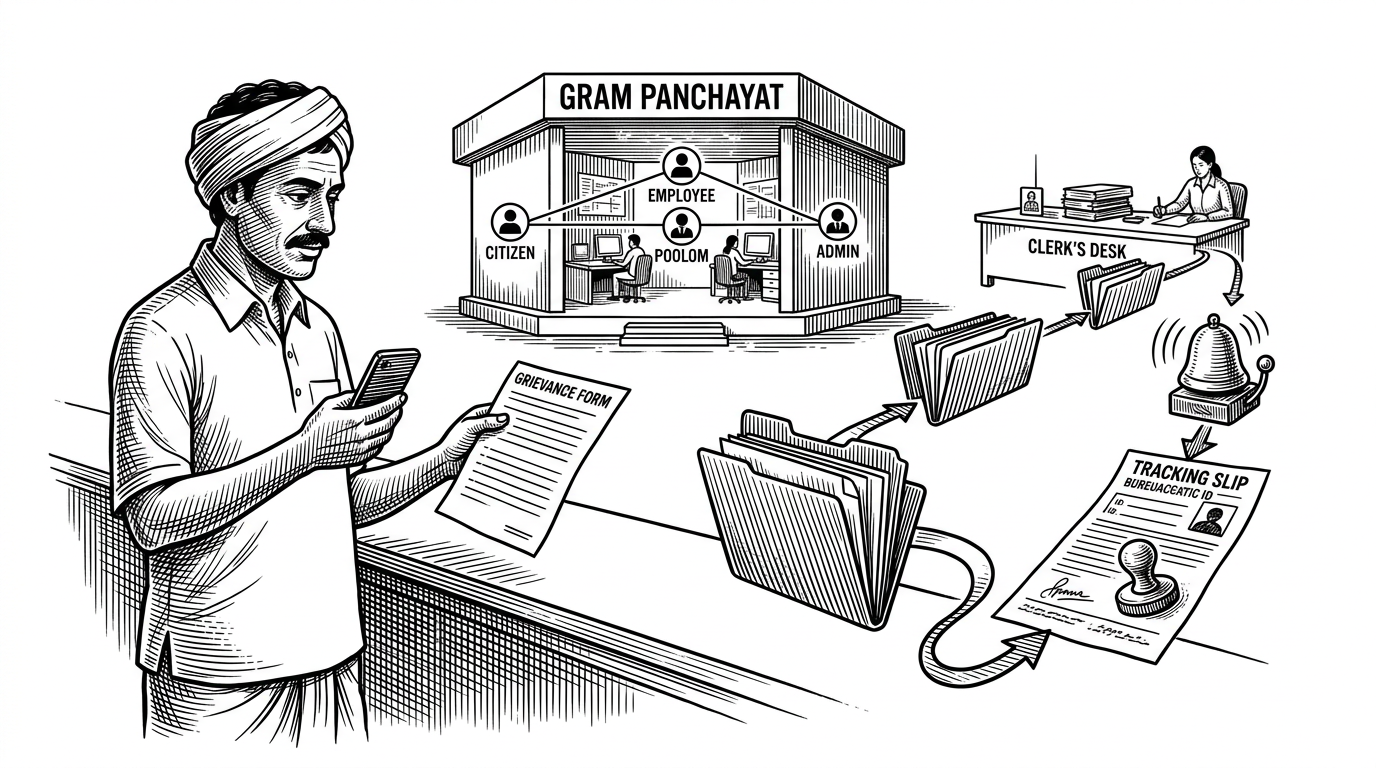
- Rakshaniti is most interesting as a workflow engine, because it turns a grievance into a routed case with identity, documents, assignment, and oversight all linked together.
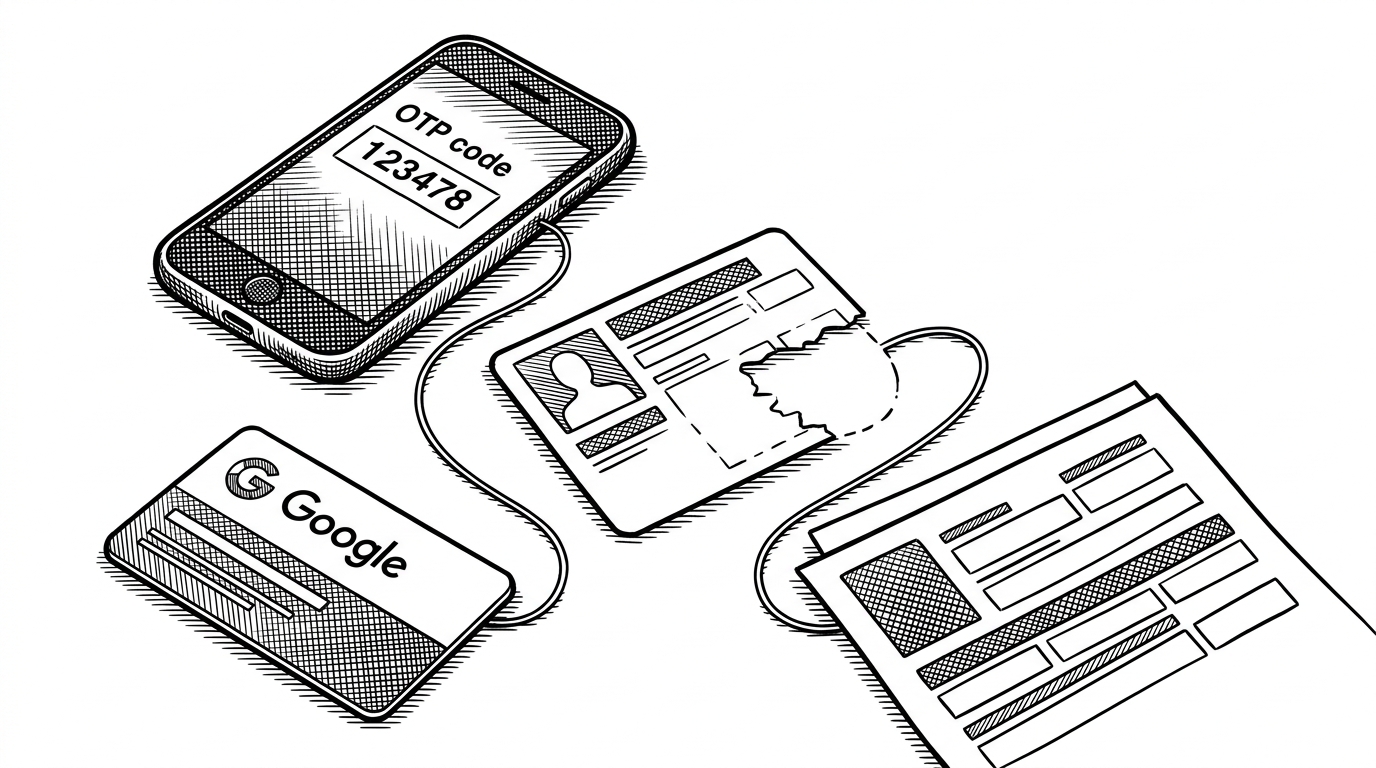
- Its authentication model is a fallback ladder, not a single gate, so mobile OTP, Google login, and password access all feed the same user record.
- The repo bakes rural constraints into the product, especially low-connectivity use, document-heavy applications, and role-separated staff access.
- A simple random assignment step carries real weight here, because it makes civic workload distribution legible without pretending the system is smarter than the office it serves.
The grievance is the product
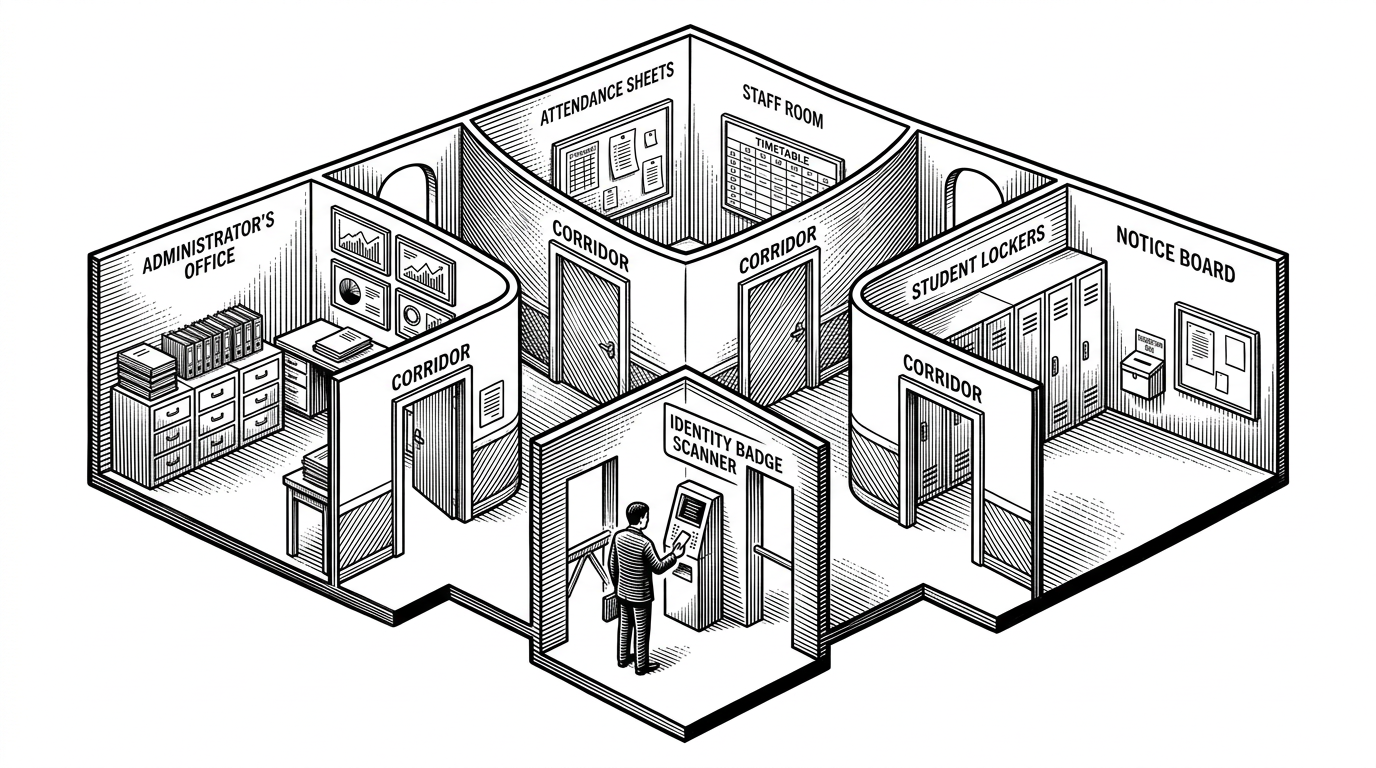
Rakshaniti is easy to mistake for a municipal CRUD app. The better read is stricter: it is a small operating system for civic requests. A citizen submits a grievance, attaches documents, gets a human-readable tracking number, and the case is routed to an employee with notifications and admin visibility layered on top.
That chain matters because it makes the software do bureaucratic work, not just record it. The grievance number gives the user something legible to hold on to. Assignment makes the system accountable. Notifications and role-based views keep each actor inside the same workflow without flattening their responsibilities.
Why rural software looks different
The repo's product choices are not cosmetic. Mobile OTP, Google login, and password-based access are all treated as practical entry points, not competing ideologies. The system assumes uneven device access, mixed digital literacy, and users who may not complete every field in one sitting.
That is where partial registration becomes important. The `isComplete` flag lets a user get in early, then finish the profile later. In a city app, that may feel like convenience. In a rural governance flow, it is the difference between starting a case and losing it in friction.
The auth stack is really a fallback ladder
The backend does not treat authentication as a single door. It supports email and password, mobile OTP, and Google OAuth, then uses server-side state to reconcile the result into one user model. That design is practical because each method covers a different kind of user behavior and infrastructure constraint.
| Generic portal | Rakshaniti | Why the difference matters |
|---|---|---|
| One login path and one form flow | Multiple entry points with OTP, Google, and password auth | Users can start in the way that fits their device and habits |
| Simple ticket submission | Submission plus document handling, tracking number, and assignment | The case becomes traceable instead of floating as a loose request |
| Manual routing | Automatic employee assignment | Responsibility is allocated immediately, not after a queue builds up |
| Weak role separation | Central RBAC for citizen, employee, and admin | Each actor sees only the controls they should actually use |
The backend enforces roles, not vibes
Rakshaniti's permission model is not decorative. The backend uses middleware to verify tokens and gate routes by role, so citizen, employee, and admin actions are separated before the request reaches business logic. That keeps sensitive operations from leaking through the UI layer alone.
const requireRole = (role) => (req, res, next) => {
  if (req.user.role !== role) {
    return res.status(403).json({ message: 'Forbidden' });
  }
  next();
};

router.get('/users', verifyToken, requireRole('admin'), getAllUser);
router.put('/profile', verifyToken, requireRole('user'), updateUser);
That pattern is the right kind of boring. It keeps policy in one place, which matters when the same system serves citizens filing requests, employees handling cases, and admins auditing the whole queue.
The assignment engine is simple on purpose
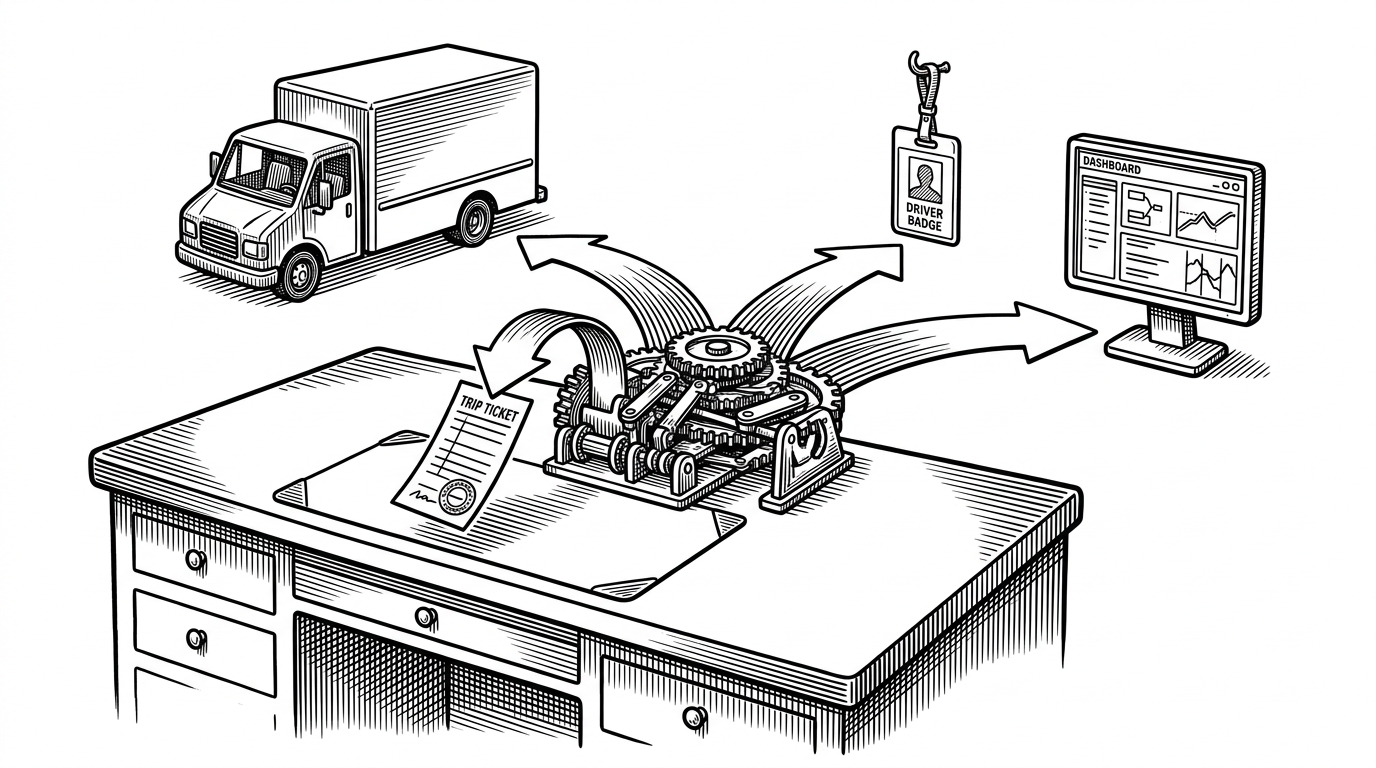
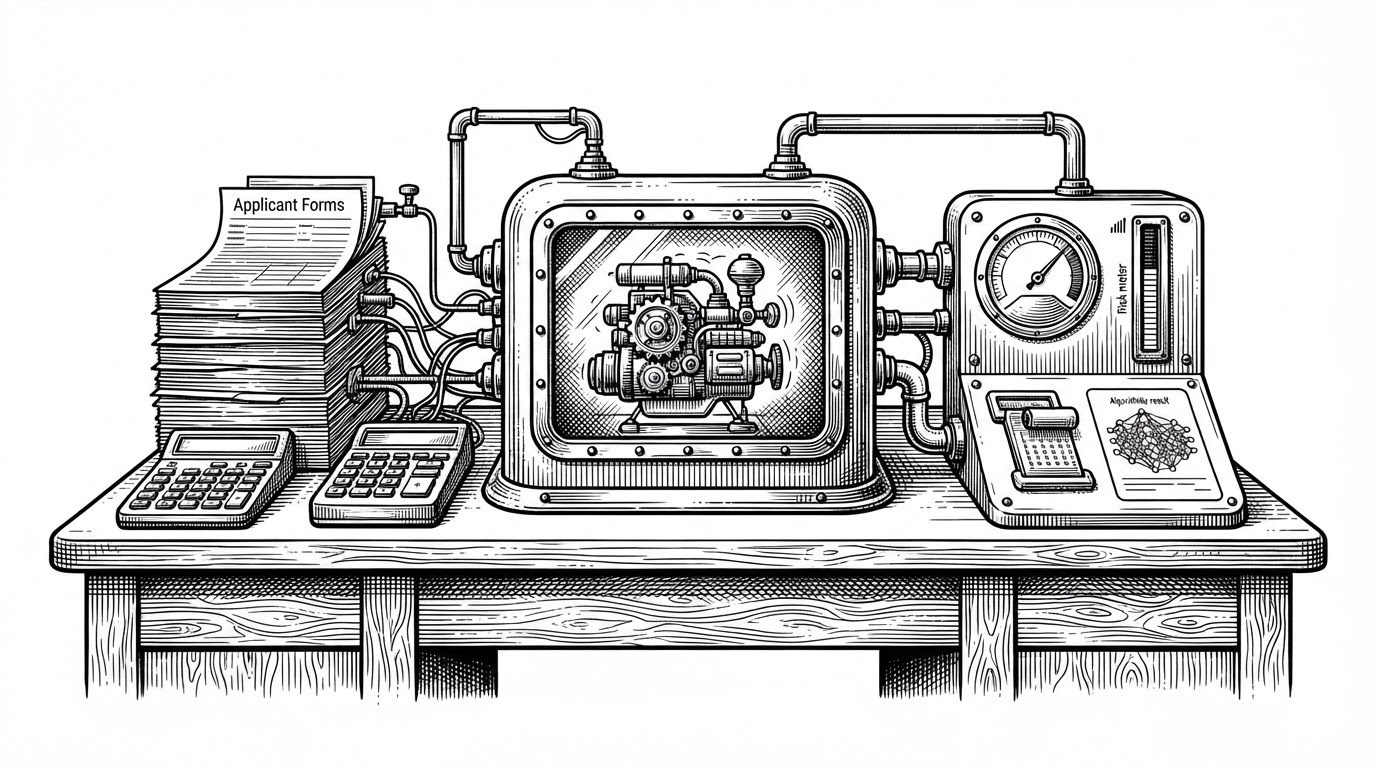
The project does not over-engineer triage. Once a grievance is validated, the backend picks from the employee pool and assigns the case automatically. The logic is straightforward, but that simplicity is the point: a civic system needs dependable distribution before it needs cleverness.
In software terms, the assignment step creates an early contract. Someone owns the request. Someone sees it in their queue. Someone can be held accountable when the status changes or stalls.
Why the admin panel needs to survive bad connectivity
The admin side is built like a dashboard, but it is also built like infrastructure. Nested routing, React context, and service worker registration all point to the same idea: governance tools are only useful if staff can keep using them when the network is unreliable.
That is a more serious design choice than it looks. If the citizen flow is rural-first, the staff tools have to be rural-tolerant. Otherwise the whole system becomes a polished front end attached to a brittle back end of human work.
Rakshaniti versus a generic portal
| Generic municipal portal | Rakshaniti | Why the difference matters |
|---|---|---|
| Form submission is the main event | Submission is only the start of a tracked workflow | The software reflects the actual lifecycle of a complaint |
| Assumes clean connectivity and completion | Supports partial registration and fallback login | Users can keep moving even when conditions are messy |
| Admin review is an afterthought | Admin oversight is part of the core path | Supervision is built into the system, not bolted on |
| Data entry is the goal | Legibility and accountability are the goal | The platform mirrors bureaucracy instead of hiding it |
What this repo is really building
Rakshaniti is not trying to make local government feel like a consumer app. It is trying to make local government legible as software. That means paper trails become tracking numbers, staff allocation becomes a workflow, and access rules become code instead of convention.
The deeper idea is simple. If civic software is going to work in rural settings, it has to respect the shape of rural reality: patchy connectivity, document-heavy processes, and offices that need clear responsibility more than flashy features.