wechat-intelligence-hub Is a Local CRM Hidden Inside Your WeChat History
A read-only intelligence layer that turns chat logs into follow-ups, deal tracking, and daily briefings, using deterministic heuristics, SQLite, and agent-friendly CLI tools.

- wechat-intelligence-hub turns private WeChat history into a local business system without becoming a chatbot or touching the live app.
- Its real novelty is not summarization, but deterministic extraction of commitments, replies, and deal signals from messy conversation.
- The clean-room reader, SQLCipher handling, and read-only CLI make privacy part of the architecture rather than a marketing claim.
- The opportunity store turns raw chat into a CRM-like stage machine that tracks whether a lead is still a candidate or already a live opportunity.
Most WeChat tools try to sit in the chat flow. This one refuses. It reads local history, extracts business signals, and leaves the app alone.
That refusal is the point. wechat-intelligence-hub is not a bot wrapper, and it is not a cloud CRM in disguise. It is a local intelligence layer built for people who need to turn old chats into new work.
The surprising part is what it does not do
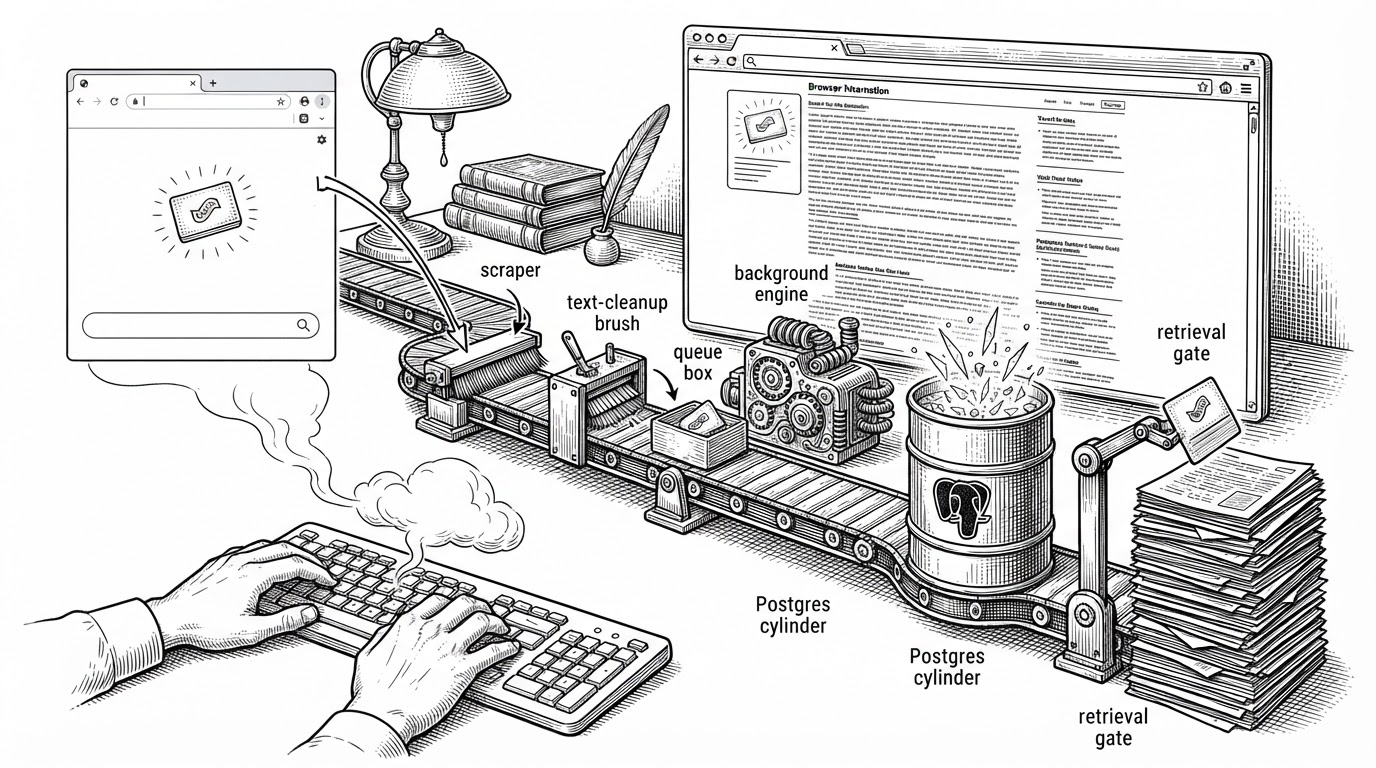
The repo starts by rejecting the obvious product shape. It does not inject into WeChat, it does not control the UI, and it does not try to keep a conversation going on your behalf. Instead, it treats local databases as a source of truth and builds analysis on top.
Reader 核心不获取密钥、不重签名、不注入、不Hook 微信;可选的实验性接入助手有独立授权和副作用边界
That boundary matters because it changes the trust model. A read-only system can be audited, reasoned about, and removed without leaving a behavioral footprint in the app itself.
Why local-first matters here
The project's reader layer sits behind a clean-room boundary. It works with local SQLite and SQLCipher-backed data, rejects unsafe paths, and keeps the acquisition layer separate from the intelligence layer. In practice, that means privacy is enforced by structure, not by promises.
The most important design choice is the one the repo keeps repeating: read, classify, report. Not write, not chat, not automate the live app.
Why the opportunity store feels like a CRM
This is where the project becomes legible to a business user. The opportunity store separates a raw candidate from an active opportunity, then moves it through stages like New Lead and Received Payment. That sounds simple, but it is the bridge between message history and a working pipeline.
| Layer | What it tracks | Why it matters |
|---|---|---|
| Candidate | A possible lead detected from chat signals | Keeps raw signals separate from confirmed business |
| Opportunity | A triaged, active deal with a stage | Turns chat into a process, not just a search result |
| Stage machine | New Lead to Received Payment | Shows where follow-up work is stuck |
| Briefing output | Daily summaries and reminders | Makes the pipeline visible to a human operator |
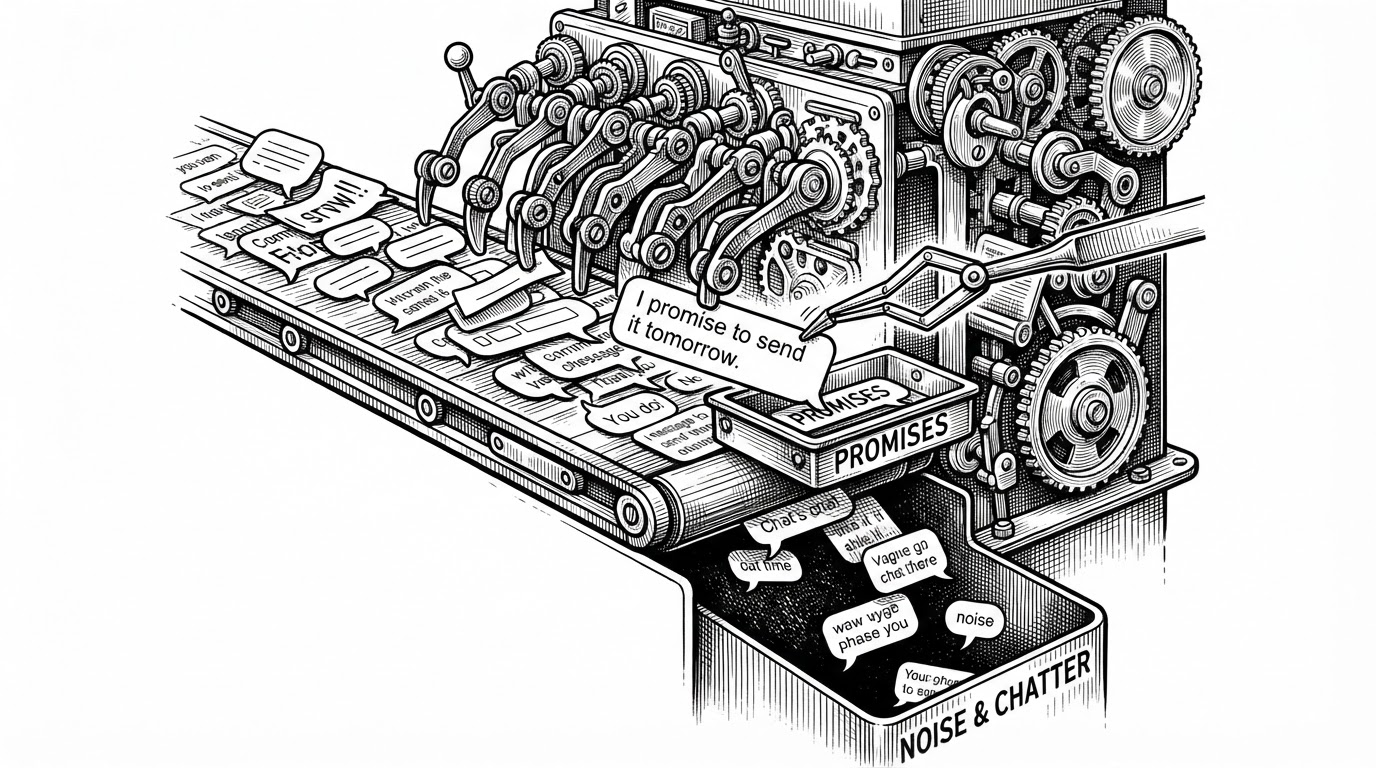
The important move here is not classification for its own sake. It is state management. A message about a quote, a draft, or a callback can be promoted from noise into something a human can actually act on.
Deterministic heuristics beat vibe-based AI in this repo
The code leans on rules because the job is specific. If the system needs to spot a commitment, a commercial term, or a reply promise, regex and stateful logic are often more dependable than a general model trying to sound helpful.
COMMERCIAL_TERMS = (...)
PROMISE_TERMS = (...)

if matches_commercial_term(message) and infer_promise_action(message):
    mark_as_follow_up_candidate(message)
That approach is boring in the best way. It is repeatable, cheap to run, and easier to audit when the output affects a sales lead or a client follow-up.
WeChat Intelligence Hub does one thing: it turns your local WeChat conversations into searchable, auditable, and actionable personal intelligence. It is not a collection of prompts or a tutorial. It is a standalone project with executable entry points, clear boundaries, and test suites.
Why Codex skills change the shape of the product
The skills/ layer makes the repo feel agent-ready instead of just scriptable. An AI agent can call the CLI, pull context from the local reader, and surface a ranked slice of history without being allowed to rewrite the source of truth.
That is a subtle but important shift. The agent is not the product. It is a consumer of the product's outputs, which keeps the human in control while still making the workflow faster.
What it replaces, and what it does not
The cleanest comparison is not between features. It is between jobs. Chatbot wrappers respond in place. Local viewers help you search. SaaS CRMs formalize sales work. This repo extracts operational intelligence from a private archive and keeps the whole process local.
| Project type | Primary goal | Read/write behavior | Data location | Best for |
|---|---|---|---|---|
| wechat-intelligence-hub | Extract local business intelligence | Read-only | Local SQLite or SQLCipher | Follow-ups, briefs, opportunity tracking |
| chatgpt-on-wechat | Chat in the app with an LLM | Read and write | Cloud or connected services | Live conversational automation |
| wechaty | Build active WeChat bots | Read and write | Depends on puppet provider | Message automation and integration |
| wechat-local-viewer | Inspect chat history | Read-only | Local data | Searching and browsing archives |
| SaaS WeChat CRM | Manage customer relationships | Read and write | Vendor cloud | Team sales workflows |
So the project is not trying to win a chatbot race. It is building a different category: private, deterministic business intelligence from your own message history.