The Zero-UI Second Brain: Unpacking sodofi/agent-brain
How a minimalist Python daemon turns Telegram topics into an automated, local-first ingestion engine for Obsidian.
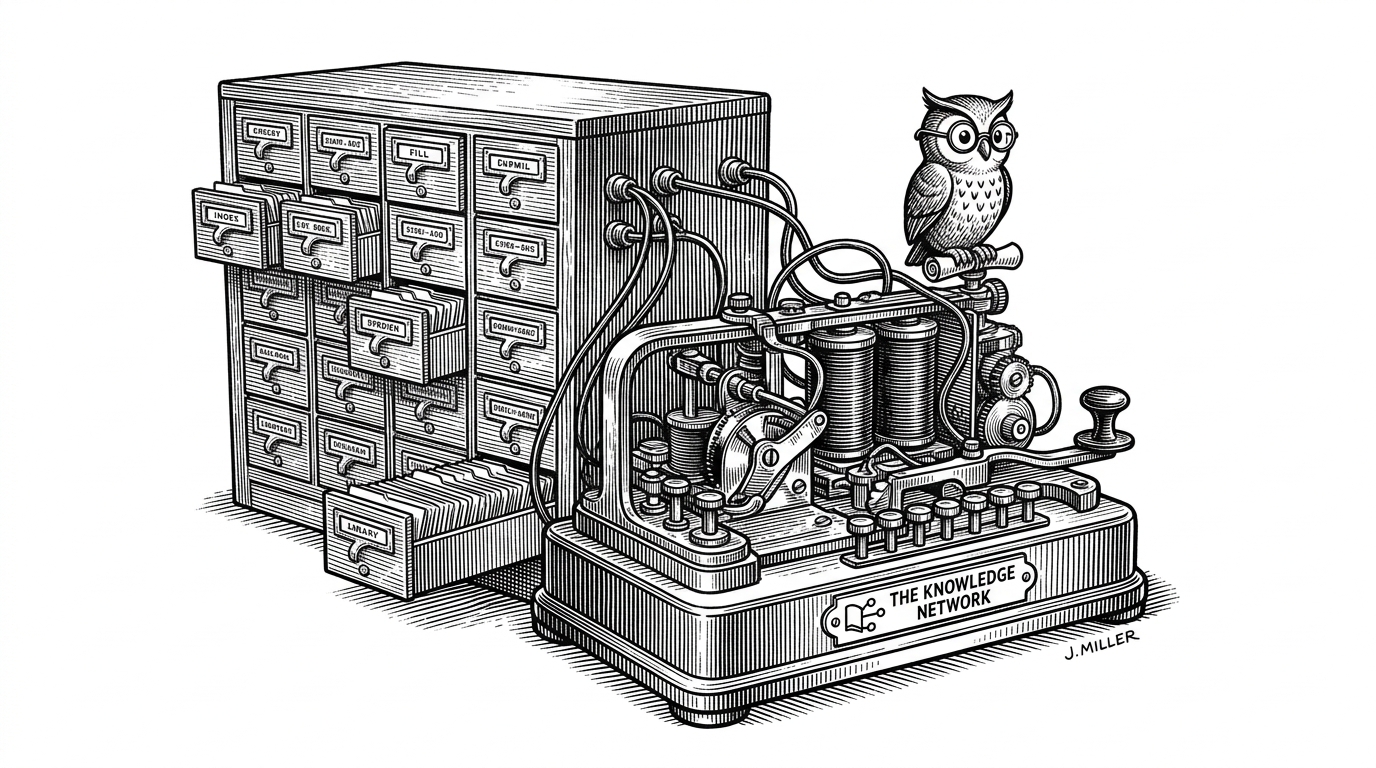
- The project abandons custom web interfaces entirely, utilizing Telegram Topics as a remote control for local file system routing.
- A single Python script orchestrates heavy local models like Whisper and yt-dlp to extract and transcribe multimedia links into clean Markdown.
- By enforcing a strict 'Topic-as-Folder' abstraction, the daemon bridges the gap between chaotic social media capture and structured personal knowledge management.
The Interface is a Chat App
While the AI community chases complex web dashboards and massive agent frameworks, agent-brain takes the opposite approach. It relies entirely on a Zero-UI philosophy, hijacking an existing messaging app to serve as the command line and routing interface for a local Obsidian vault.
The workflow is invisible. You forward a link or record a voice memo to a private Telegram bot, and a local Python daemon handles the rest. There are no forms to fill out and no tags to manually assign. The system treats Telegram as a remote capture device for a local file system.
Obsidian Brain Bot A Telegram bot that routes messages from group chat topics into separate Obsidian files.
Unrolling the Web
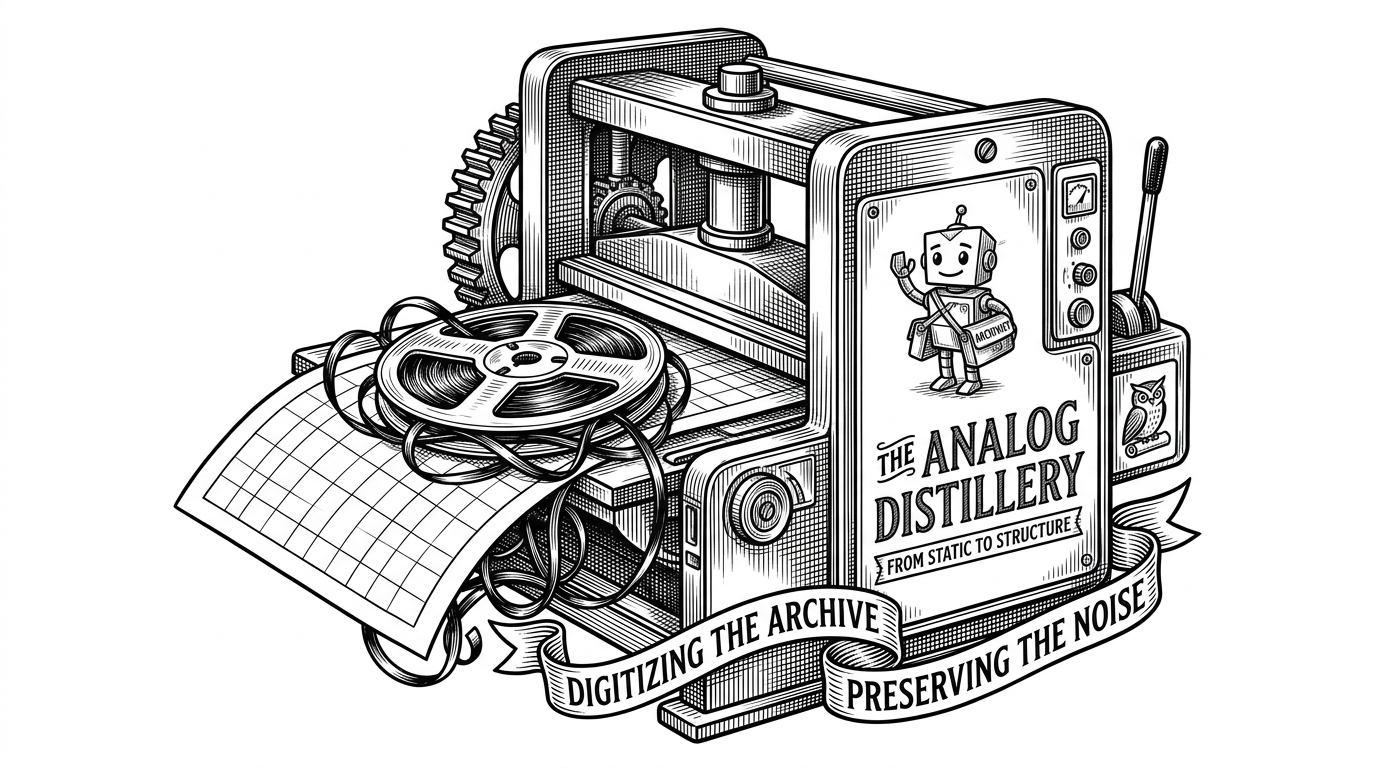
This is not a simple bookmarking tool. When a user sends a YouTube link or a voice note, the system triggers a heavy local extraction pipeline. It is an engine built to unroll the internet into plain text.
The script uses yt-dlp to pull metadata, Whisper to transcribe audio locally, and readability-lxml to extract clean text. Only after this local processing is complete does it pass the distilled content to an LLM for summarization and tag generation.
Routing the Pipeline
The core routing mechanism relies on a clever abstraction: the Topic-as-Folder. Telegram allows users to create Topics within a group chat. The configuration file maps these specific Topic IDs directly to local Markdown files in the Obsidian vault.
When a message arrives, a regex-based classifier identifies the content type. The daemon then cross-references the origin Topic ID with the configuration map, processes the content, and appends it directly to the correct file on disk.
The Local-First Rebellion
This approach stands in stark contrast to heavyweight agent frameworks like OpenClaw. While those frameworks are designed for autonomous task execution and require complex vector databases, agent-brain is a bespoke monolith built for a single user.
By prioritizing disk-level access and graceful degradation, the script ensures that if the API fails, the user still captures the raw text. It is a testament to the power of simple, local-first automation in an era of overly complex cloud agents.
| Feature | agent-brain | OpenClaw Framework |
|---|---|---|
| Architecture | Single Python Monolith | Multi-Agent Daemon |
| Interface | Telegram Topics | Web UI, CLI, Chat |
| Persistence | Direct Local Markdown Appends | Managed State, Vector DB |
| Primary Use Case | Personal Knowledge Ingestion | Autonomous Task Execution |