Neighbour-c: The Community App That Treats Asking and Offering as the Same Workflow
A Django and React deep dive into a local exchange platform built around trust, reciprocity, and unusually specific resource models.

- Neighbour-c is built around structured reciprocity, where asking and offering are two sides of the same local workflow.
- The project treats trust as a product feature, not a soft social layer, by tying identity, logs, and profile data to exchange.
- Its data model is opinionated enough to support rides, tools, food, and community activity without collapsing into a generic classifieds board.
- Django carries the relational complexity while React and CSRF handling keep the exchange flow usable and secure.
Most community apps stop at posting. Neighbour-c goes further: it tries to make a neighborhood behave like an exchange network, where a request and an offer are different views of the same social contract. That is the real thesis here. Not a feed. Not a forum. Infrastructure for local reciprocity.
The neighborhood app does not choose sides
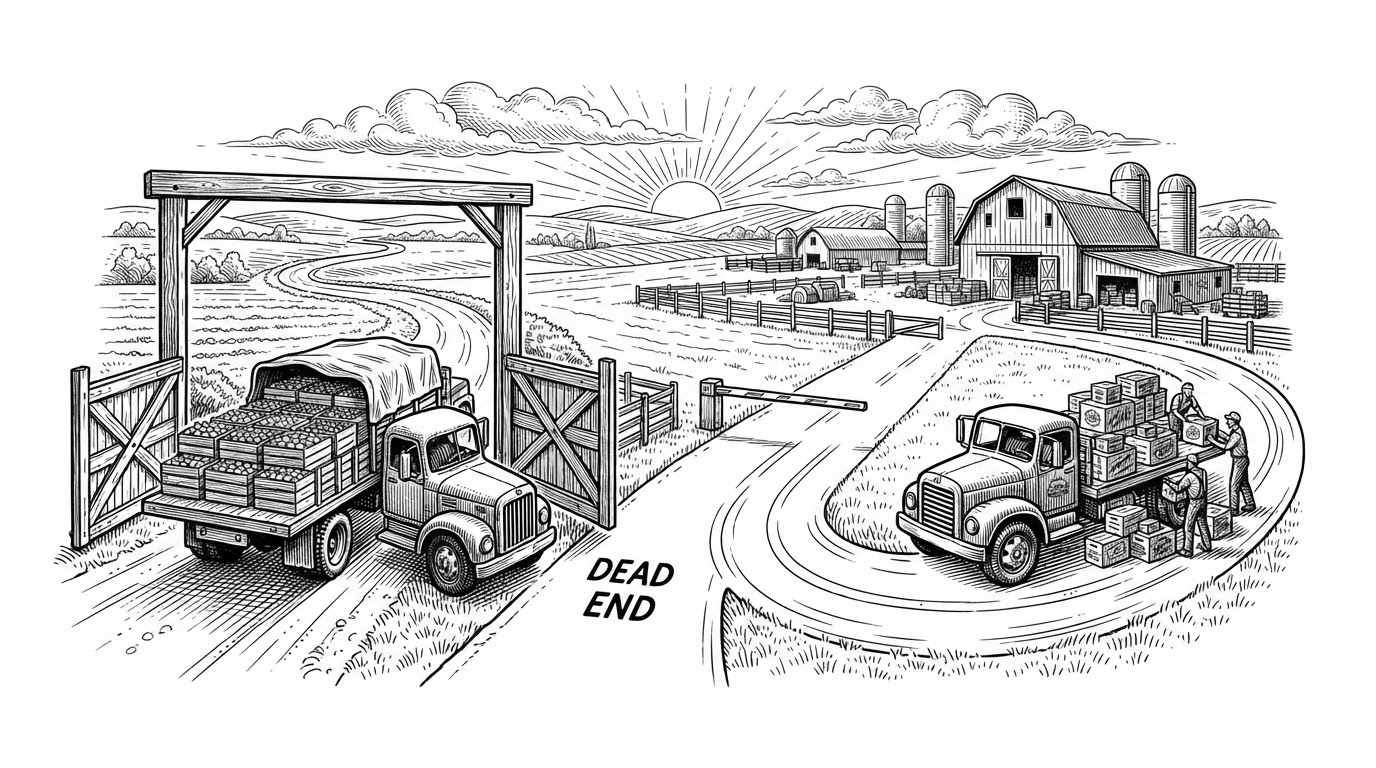
The first interesting thing about the repo is how it refuses the usual marketplace split. A user can ask for a ride, but another user can also offer one. The same pattern shows up in tools, books, food, and events. That symmetry matters because neighborhood exchange is rarely one-directional. People are not just consumers or providers. They move between both roles all the time.
That design choice makes Neighbour-c feel closer to mutual aid software than to classified listings. The product is not trying to maximize browsing. It is trying to make an exchange feel actionable enough that someone will actually respond.
Why trust is the real product
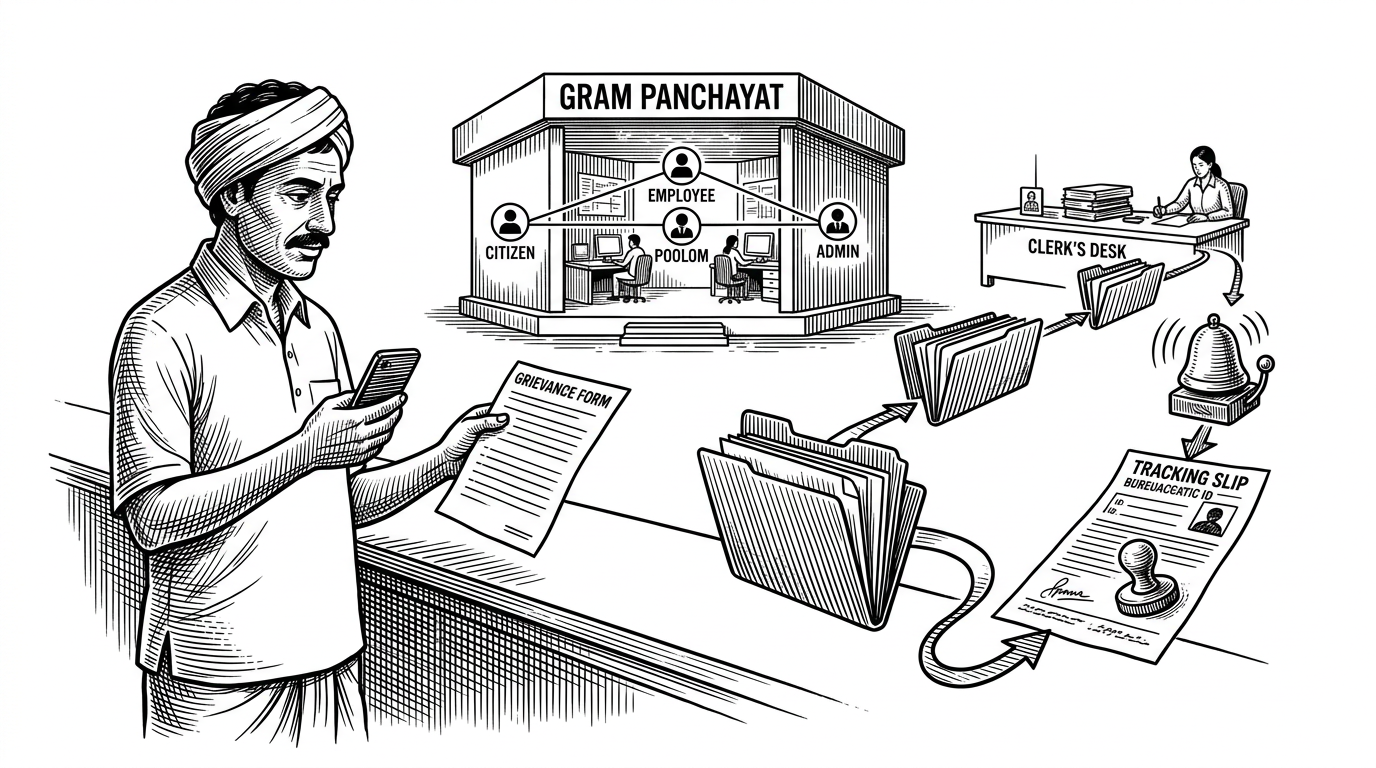
Once an app handles rides, tools, and food between neighbors, the problem changes. Matching is easy compared with reassurance. The repository signals that clearly. User profiles are detailed, login events are tracked, and session-based auth sits under the whole system. That is not accidental plumbing. It is part of the product.
In this kind of app, trust is not a marketing word. It is the condition that makes the exchange usable. Without identity, history, and enough context to judge a request, the whole system becomes a polite bulletin board.
class LoginLog(models.Model):
    user = models.ForeignKey(User, on_delete=models.CASCADE)
    ip_address = models.GenericIPAddressField()
    created_at = models.DateTimeField(auto_now_add=True)

class UserProfile(models.Model):
    user = models.OneToOneField(User, on_delete=models.CASCADE)
    house_number = models.CharField(max_length=20)
    street_number = models.CharField(max_length=20)
The data model is where the project gets opinionated
Neighbour-c does not flatten every resource into one generic post type. It gives categories their own shapes. RideRequest and RideOffer are the clearest example, but the pattern extends into food expiry, tool lending conditions, and book sharing. That is a sign of a repo that is modeling reality instead of abstracting it away.

| Resource type | Request side | Offer side | Distinct metadata | What it optimizes for |
|---|---|---|---|---|
| Ride | Need a ride | Can provide a ride | Route, timing, status | Fast matching |
| Tool | Need to borrow | Have to lend | Condition, charge, availability | Practical reuse |
| Food | Need food | Can share food | Expiry date, freshness | Low-waste exchange |
| Event | Want to attend | Hosting or announcing | Location, schedule | Local coordination |
The important pattern is not that these models exist. It is that they are specific. Specificity is what makes a neighborhood system feel real. A drill is not the same thing as a ride, and food is not the same thing as a book. Neighbour-c encodes that difference instead of pretending one schema can cover everything.
Django does the heavy lifting, React keeps it usable
The stack is sensible in the best way. Django and Django REST Framework handle the relational side of the product, where foreign keys, serializers, and model-specific behavior matter. React handles the client side, where the exchange needs to feel quick and legible. Axios and CSRF wiring keep the state-changing flow secure without making the frontend brittle.
One detail stands out: serializers use methods to enrich responses, which means the frontend gets useful context without extra round trips. That is exactly the right move for a system built around trust and responsiveness. If a user is going to act on a request, they should not have to assemble the story from half a dozen API calls first.
The hybrid backend is a clue, not a cleanup note
There is also a Node.js chat server sitting beside the Django backend. Even if it reads like a secondary service, it tells you something important about the project’s ambition. The app is not only storing neighborhood data. It is trying to support real-time interaction around that data.
That split is telling. Django owns the durable record of exchange. Node points toward immediacy, possibly chat or live coordination. Together, they suggest a product that wants both memory and motion.
| Layer | Django role | Node role | What that suggests |
|---|---|---|---|
| Core data | Persistent community records | Not primary | Relational integrity matters most |
| Live coordination | API-backed exchange flows | Real-time chat direction | The product wants faster neighbor interaction |
| System design | Source of truth | Secondary service | The architecture is still evolving |
What this is closer to than a marketplace
Neighbour-c is closer to a mutual-aid operating system than to a marketplace UI. Offer-first systems optimize discovery. Request-first apps optimize task intake. Generic community platforms optimize chatter. This repo is trying to optimize exchange itself, which is a much harder and more interesting target.
| System type | Primary action | Trust model | Data model shape | Where Neighbour-c differs |
|---|---|---|---|---|
| Offer-first marketplace | Browse what is available | Ratings and visibility | Listing-centric | It starts with a request as naturally as an offer |
| Request-first task app | Post a need and wait | Platform moderation | Ticket-centric | It preserves the offer side as a first-class action |
| Generic community group | Chat and announce | Social familiarity | Loose and unstructured | It makes exchange concrete with models and workflow |
That is why the repo feels more ambitious than its size suggests. It is not just a polished CRUD app for neighbors. It is an attempt to codify the mechanics of trust, reciprocity, and local coordination in software.
What the maturity signals say
The project still looks early. DEBUG is on, SQLite is in use, and the codebase reads like an active build rather than a hardened product. That is not a flaw. It is a useful signal. The repository shows iterative design, a clear solo-creator footprint, and enough migration history to suggest the product shape emerged over time rather than being invented all at once.
That matters because Neighbour-c is not pretending to be finished. It is showing the bones of a system that already knows what it wants to be.