soramarker: The Watermark Is the Whole Trick
SoraMarker turns a meme into a browser-native video pipeline, then makes the logo move so the effect feels alive instead of pasted on.
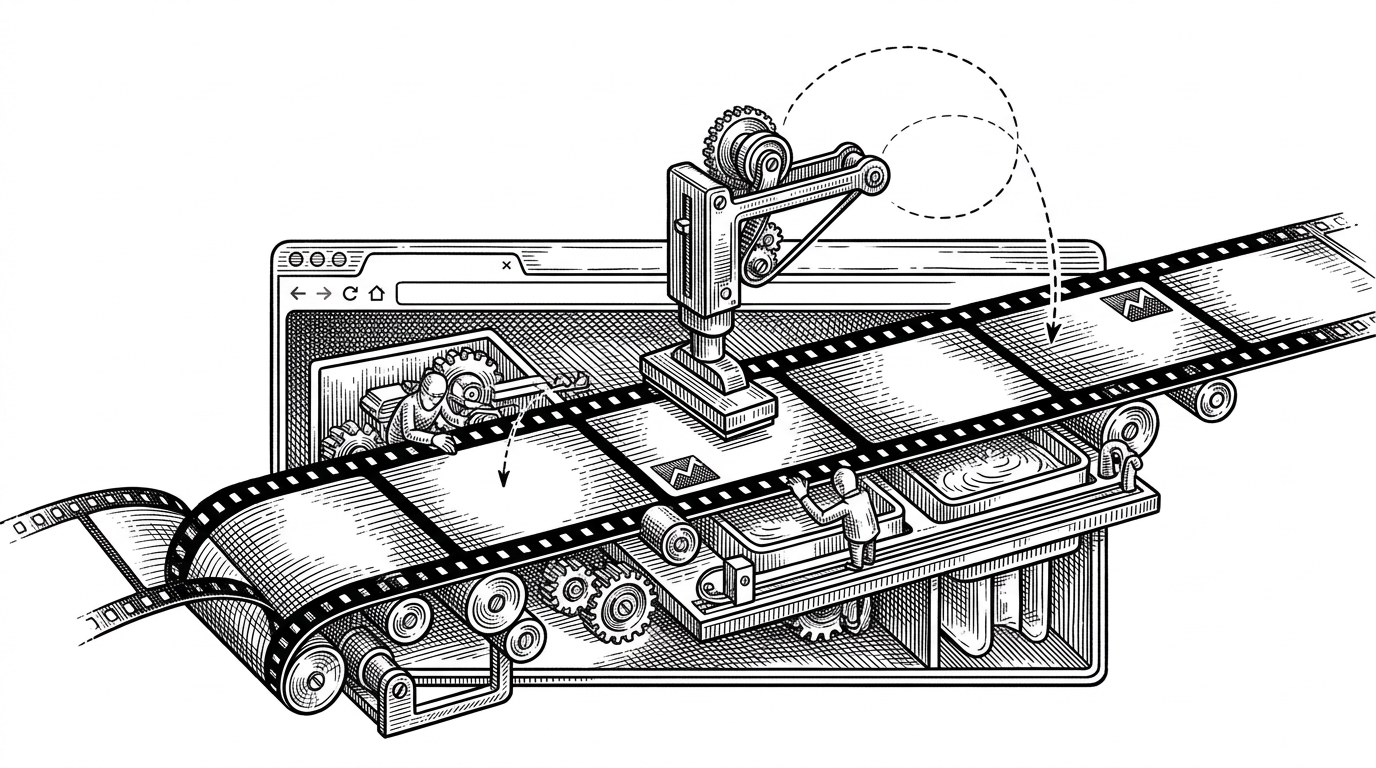
- SoraMarker treats watermark placement as a moving problem, so the real invention is temporal composition, not a static overlay.
- The whole workflow stays inside the browser, which makes the tool private, lightweight, and cheap to run.
- MediaBunny is the architectural wager, because it swaps a heavier FFmpeg-style workflow for a leaner web-native pipeline.
- The project shows how a cultural meme can justify a focused utility with a small, sharp codebase.
SoraMarker is interesting because it does one narrow thing in a surprisingly modern way. It recreates the Sora watermark behavior inside the browser, not on a server. That turns a visual meme into a compact media pipeline, which is exactly the kind of small tool that tells you something bigger about where web apps are headed.
A watermark that moves is harder than a watermark that sits still
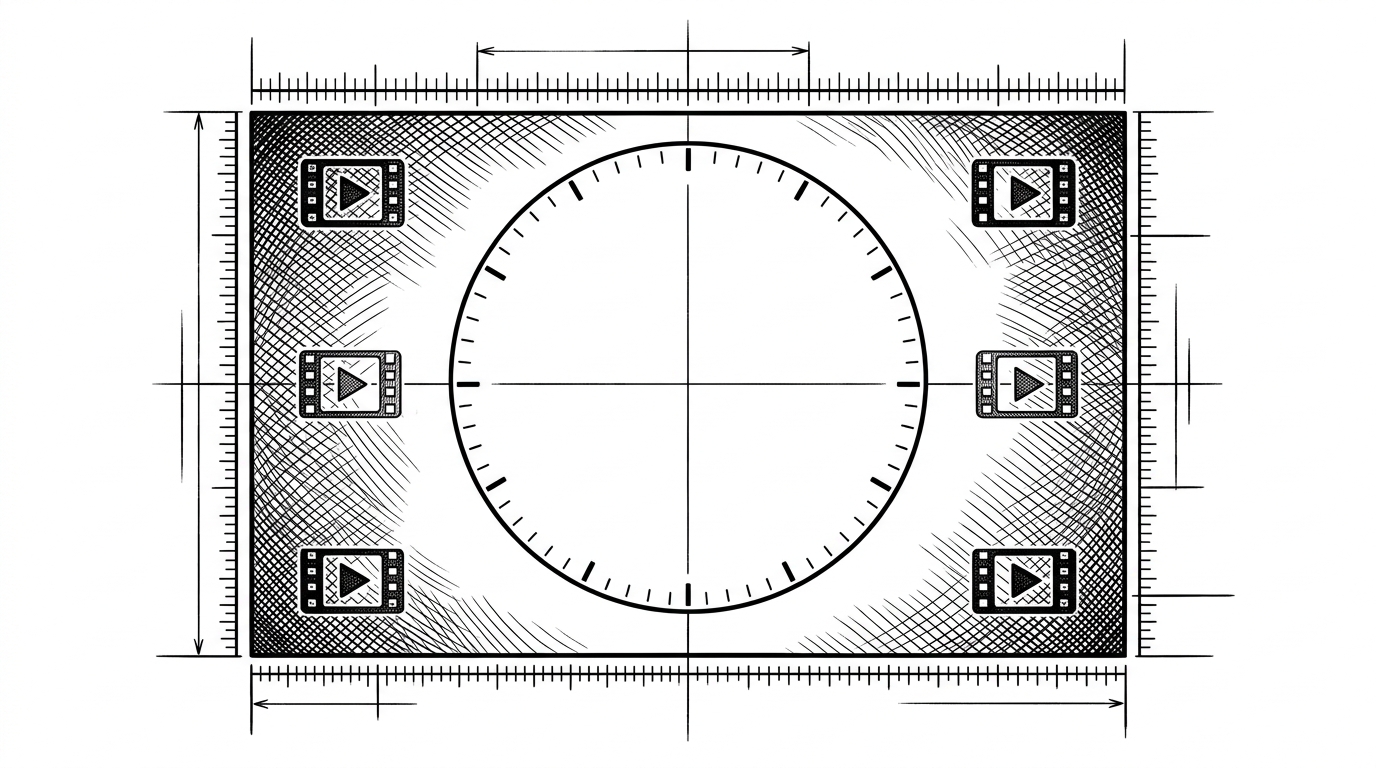
The project's most important decision is not the logo. It is the motion. Instead of pinning the mark to one corner, the app shifts it through a timed cycle, which makes the output feel closer to the behavior people associate with Sora clips. That choice changes the technical problem from simple image compositing to frame-by-frame choreography.
How the browser pipeline works
The implementation is refreshingly direct. A video is loaded, each decoded frame is drawn into an OffscreenCanvas, and the watermark is composited before the result is written back out as MP4. The important part is that the browser does all of it. There is no upload round trip and no hidden rendering service sitting behind the app.
That local-first architecture matters for more than privacy. It also shrinks deployment complexity and keeps the app honest about what it is: a focused transform, not a generalized editing suite. The code can stay concentrated in one place because the job itself is concentrated in one place.
const cycle = sample.timestamp % 15;
const wmWidth = ctx.canvas.width / 4;

if (cycle < 3) position = 'bottom-right';
else if (cycle < 6) position = 'bottom-left';
else if (cycle < 9) position = 'top-left';
else if (cycle < 12) position = 'top-right';
else position = 'bottom-right';
That tiny bit of math does a lot of work. The watermark scales with the frame width, so the mark feels consistent on a phone clip and on a large export. The timed position changes then turn the overlay into a moving constraint instead of a fixed sticker.
Why MediaBunny is the real bet
The other notable decision is the media stack. FFmpeg-WASM is the default reflex for browser video work, but it brings a heavy payload and a more complicated deployment story. SoraMarker leans on MediaBunny instead, which points to a more web-native approach to frame processing and a faster path from upload to output.
| Dimension | FFmpeg-WASM approach | SoraMarker's MediaBunny path |
|---|---|---|
| Payload | Broad and heavyweight, built to cover almost every media task | Narrower, with less ceremony for this specific job |
| Startup | More likely to feel slow before the first frame appears | Designed to get moving faster in the browser |
| Deployment | Often needs more care around browser constraints and hosting | Fits a simple static app better |
| Best use | General purpose media tooling | One focused transform with a predictable workflow |
That tradeoff is the story. The project does not try to be the best video editor on the web. It tries to be a very specific machine for one kind of output, and that lets the stack stay smaller, the interface stay simpler, and the runtime stay inside the user's browser.
What the project signals
SoraMarker sits in a growing class of content-adjacent tools, software built around a visual habit, not a broad platform. When the meme is the product, the architecture can stay compact and the business logic can stay brutally honest about what matters. That is the real lesson here: sometimes the right app is not the one with the most features, but the one with the cleanest explanation of a single effect.