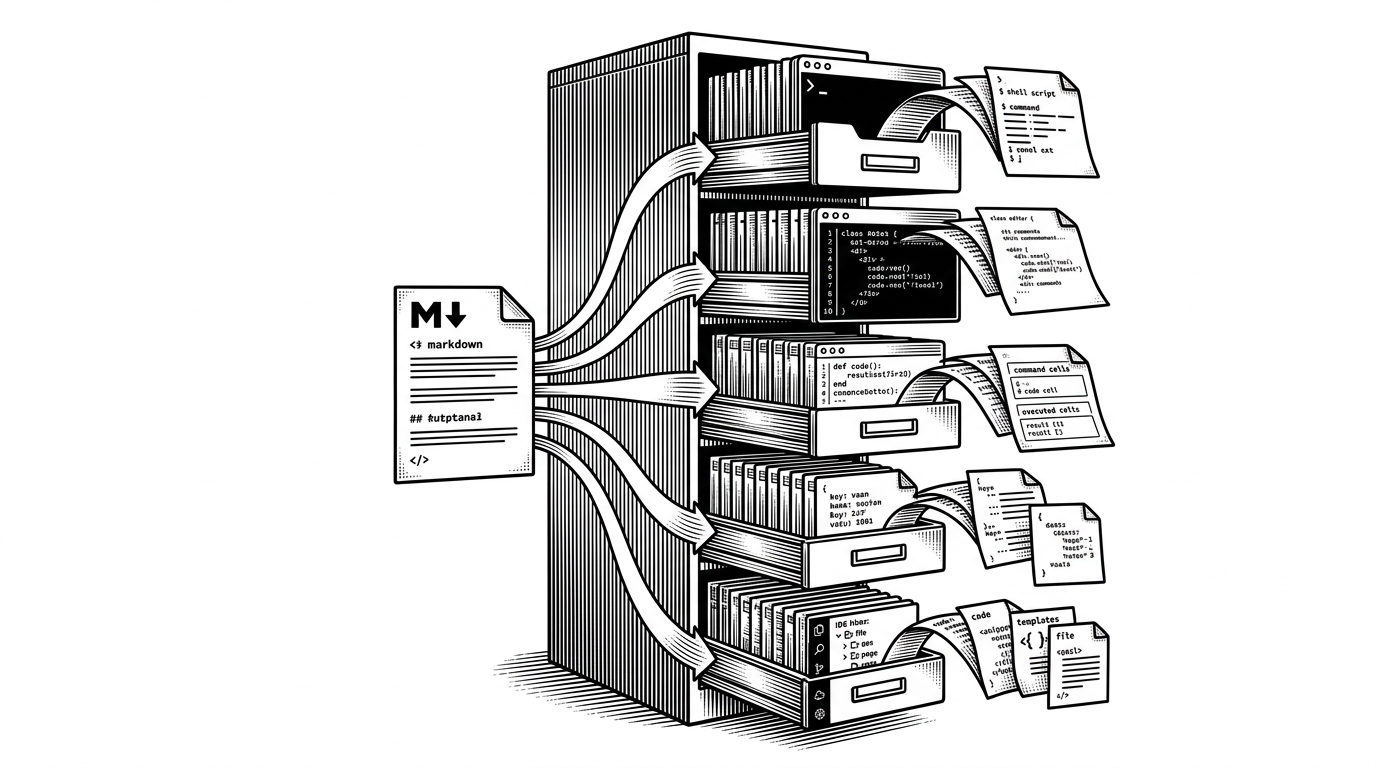
`anything2explainer`: The Repo That Compiles a Topic Into a Frame-Accurate Explainer Video
A Remotion-based agent pipeline that writes the script, times the narration, generates the visuals in code, and checks the result like software, not like a film edit.
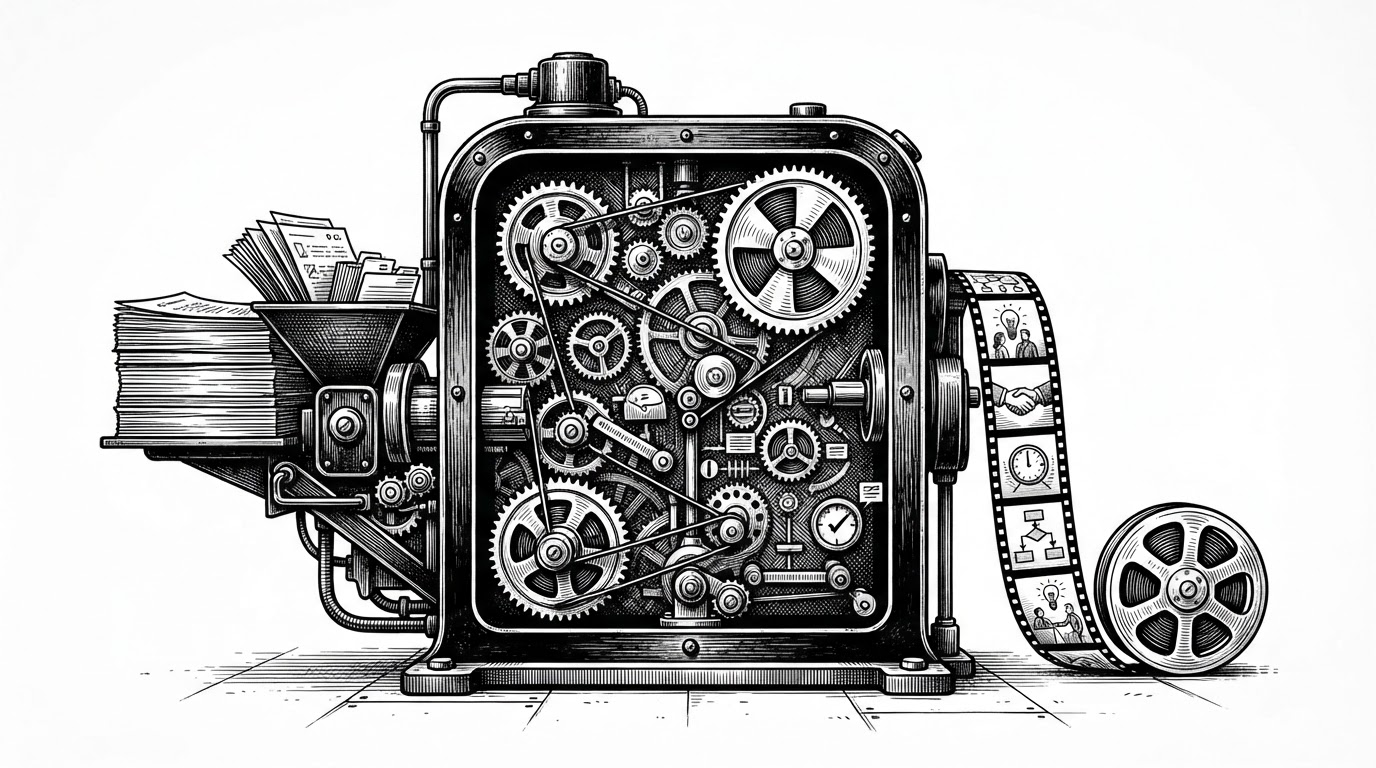

Topic in, narrated explainer video out. A Claude Code / Codex skill that turns any topic into a black-canvas motion-graphics explainer video with TTS voiceover, subtitles and a chapter progress bar.
- anything2explainer treats explainer video like a compilation pipeline, not a pixel generator.
- Its real advantage is frame accuracy, because narration, subtitles, and motion all share the same timing source.
- The agent workflow matters because it turns a long video into parallel work units with QC baked in.
- The design is deliberately constrained so AI can reproduce the style without improvising the facts.
Most AI video tools start from the wrong place for technical explainers. They begin by inventing pixels, which is exactly where text, numbers, and timing usually go bad. `anything2explainer` flips the stack: it starts from a topic, researches it, writes a script, turns that script into code, and renders the result deterministically with Remotion.
Why this is not a video generator
That distinction is the whole story. If a frame contains a statistic, a label, or a citation, a generative video model has to get lucky. This repo does not ask for luck. It asks for source links, timing data, and a render pipeline that can be checked like software.
The timeline engine is the real product
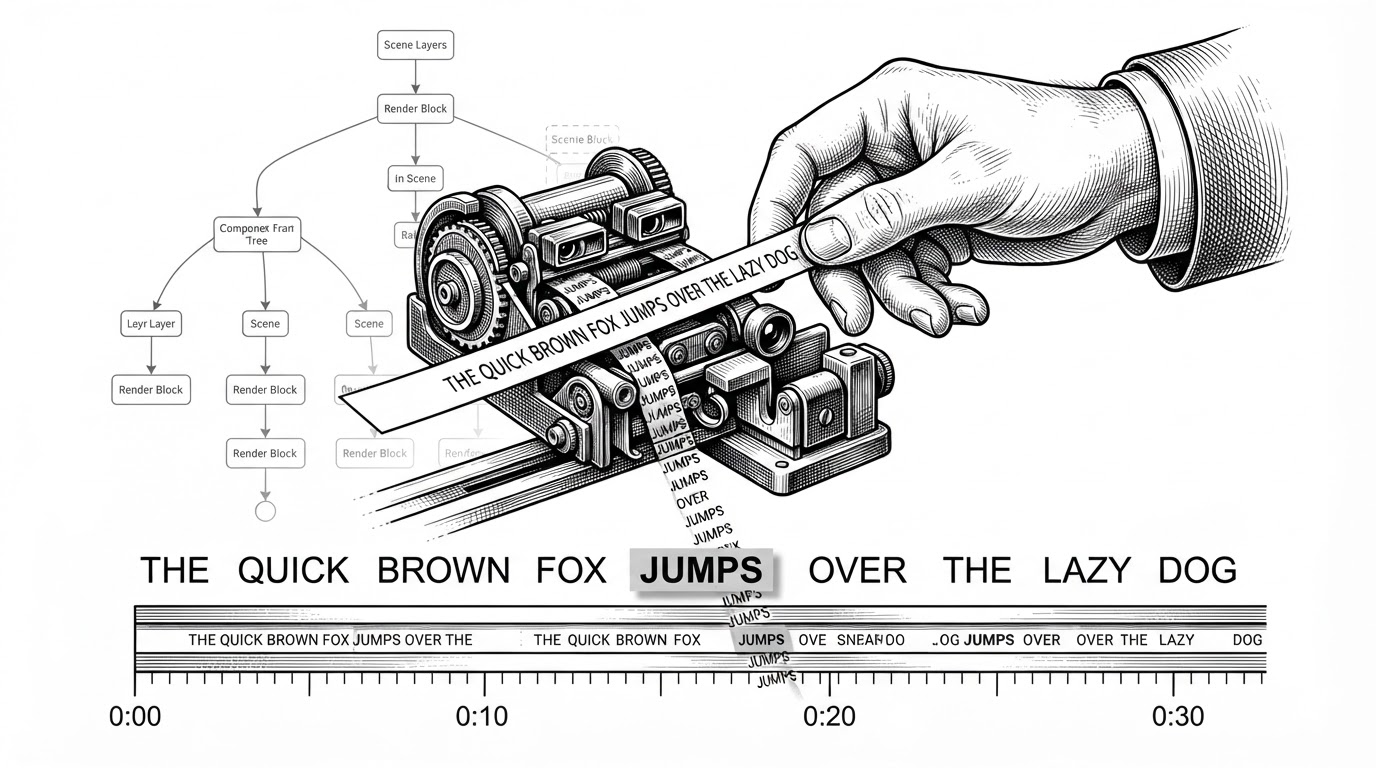
The technical trick is not just that the video is rendered in code. It is that the code is driven by word-level timing. A TTS build step extracts timestamps, writes them into `timeline.ts`, and gives every component a shared clock. That means subtitles, highlights, transitions, and scene changes can all read the same frame number and stay synchronized.
export const SENTENCES = [
  {
    startFrame: 0,
    endFrame: 124,
    text: 'Topic in, narrated explainer video out.'
  },
  {
    startFrame: 125,
    endFrame: 268,
    text: 'Every word is aligned to the render clock.'
  }
];

export const CHAPTER_STARTS = [0, 125, 269];

export function getActiveSentence(frame: number) {
  return SENTENCES.find(
    s => frame >= s.startFrame && frame <= s.endFrame
  );
}
That structure changes the production problem. You are no longer editing after the fact. You are rendering against a timeline contract. If the narration shifts, the frame logic shifts with it.
A video pipeline built for parallel agents
The repo is organized like a factory floor. Research, narration, scene coding, rendering, and quality control are split into grouped work units so agents can run in parallel. The point is throughput, but the deeper value is reliability. A long explainer becomes a set of bounded jobs instead of one giant prompt.
| Stage | What it produces | Why it matters |
|---|---|---|
| Research | Source-backed notes | Facts are checked before visuals are written |
| Script | Narration with structure | The video has a voice before it has motion |
| Scene code | Remotion components | The output is deterministic and editable |
| QC | Timing and motion checks | Broken pacing can be caught before export |
This is where the repo starts to look less like a demo and more like infrastructure. It assumes AI will make mistakes, then routes those mistakes into reviewable artifacts. That is a much more realistic production stance than asking a model to invent a perfect edit.
Deterministic motion is the aesthetic trick
The black-canvas look is not just branding. It is a constraint system. A limited palette, seeded randomness, and repeatable background motion make the visuals legible to both humans and agents. The repo can use star fields, dot fields, and layered typography without losing control of the frame.
export function starsAt(frame: number) {
  return Array.from({ length: 80 }, (_, i) => {
    const x = rnd(i, 1) * 1920;
    const y = (rnd(i, 2) * 1080 + frame * 0.15) % 1080;
    const size = 0.6 + rnd(i, 3) * 1.8;
    return { x, y, size };
  });
}
The taste move is simple. Constrain the canvas hard enough that the system can stay consistent, then let variation live inside those constraints. That is how AI-generated motion can feel designed instead of accidental.
Why the repo beats generic AI video for technical content
| Approach | Accuracy | Text fidelity | Repeatability | Best use case |
|---|---|---|---|---|
| Generative video tools | Unreliable | Weak on labels and numbers | Low | Cinematic scenes and mood |
| Manim | High | High | High | Math and logic explainers |
| Remotion alone | High | High | High | Teams that already write video code |
| anything2explainer | High | High | High | Agent-driven technical explainers |
The advantage is not that it replaces every video workflow. It does one job exceptionally well: explainer content where the script, the visuals, and the narration must agree. For that class of work, technical truth matters more than cinematic surprise.
What this means for AI content teams
Seen clearly, `anything2explainer` is not a universal video studio. It is a production system for one demanding category: technical explainers with strict fidelity requirements. That makes it more interesting, not less. It suggests a future where content teams build factories for specific jobs instead of asking one model to do everything.
The bigger lesson is organizational, not visual. If you can turn research, script, timing, render, and QC into separate artifacts, you can delegate them to agents without surrendering control. That is the real promise here: not magical video, but a reproducible pipeline that keeps human standards intact.