openai-agents-python: OpenAI Agents SDK: The Small Runtime That Makes Multi-Agent Systems Feel Native
A Python-first framework that turns handoffs, sessions, guardrails, tracing, and realtime voice into one coherent agent loop.

- The SDK’s real trick is not more agent features, but a smaller runtime that makes handoffs, sessions, guardrails, and tracing feel like one system.
- It treats delegation as the core abstraction, which keeps specialist agents separate without turning the whole app into a prompt pileup.
- Built-in sessions and tracing turn state and observability into infrastructure, not app boilerplate.
- The tradeoff is clarity for power: you get a tight mental model, but you also stay close to OpenAI’s ecosystem.
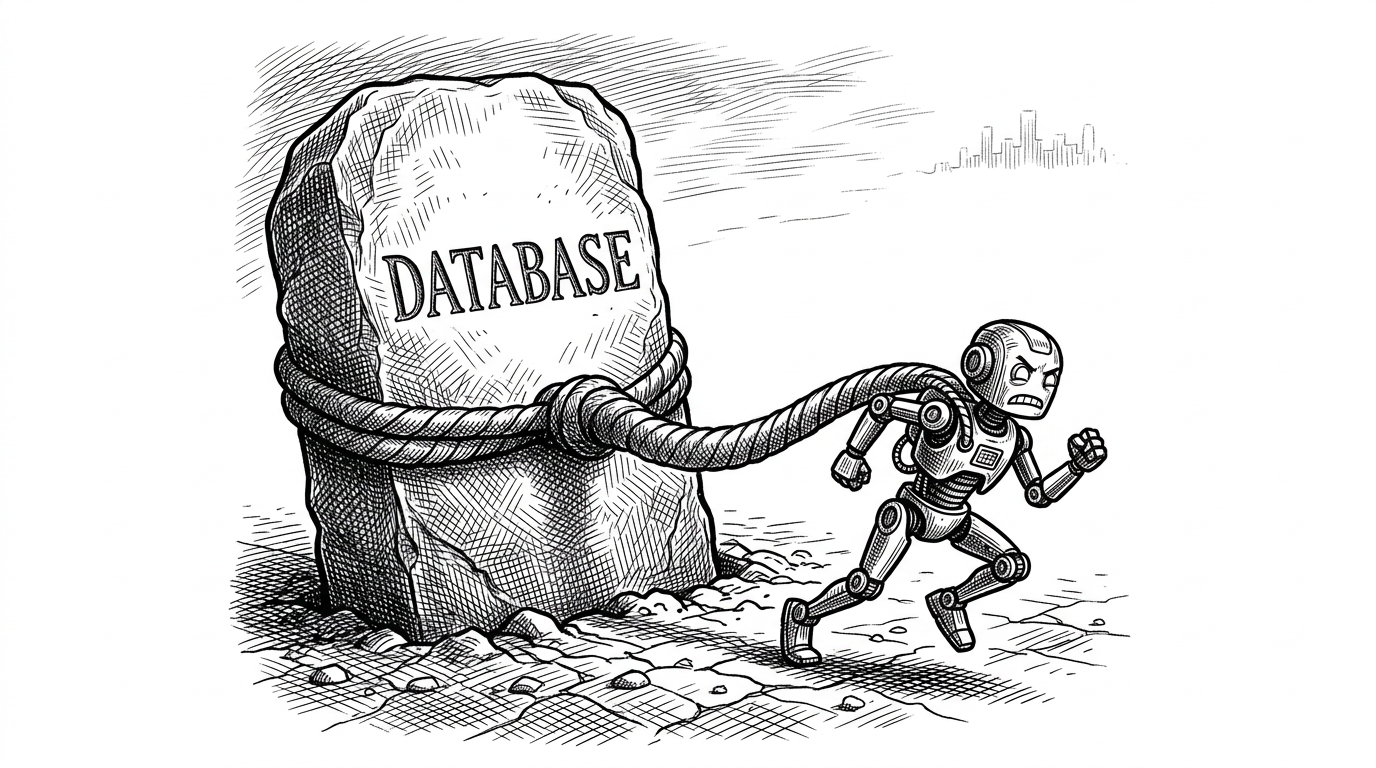
The easiest mistake is to read openai/openai-agents-python as just another agent framework. It is better understood as a deliberate reduction. OpenAI has taken a messy category and compressed it into a small set of primitives that still cover delegation, memory, safety, and observability.
That is the appeal. The SDK does not ask you to learn a sprawling orchestration graph before you can ship. It asks you to think in agents, handoffs, guardrails, sessions, tracing, and realtime, then it makes those pieces feel native to each other.
The Core Trick: Agents Hand Off, They Do Not Swallow Everything
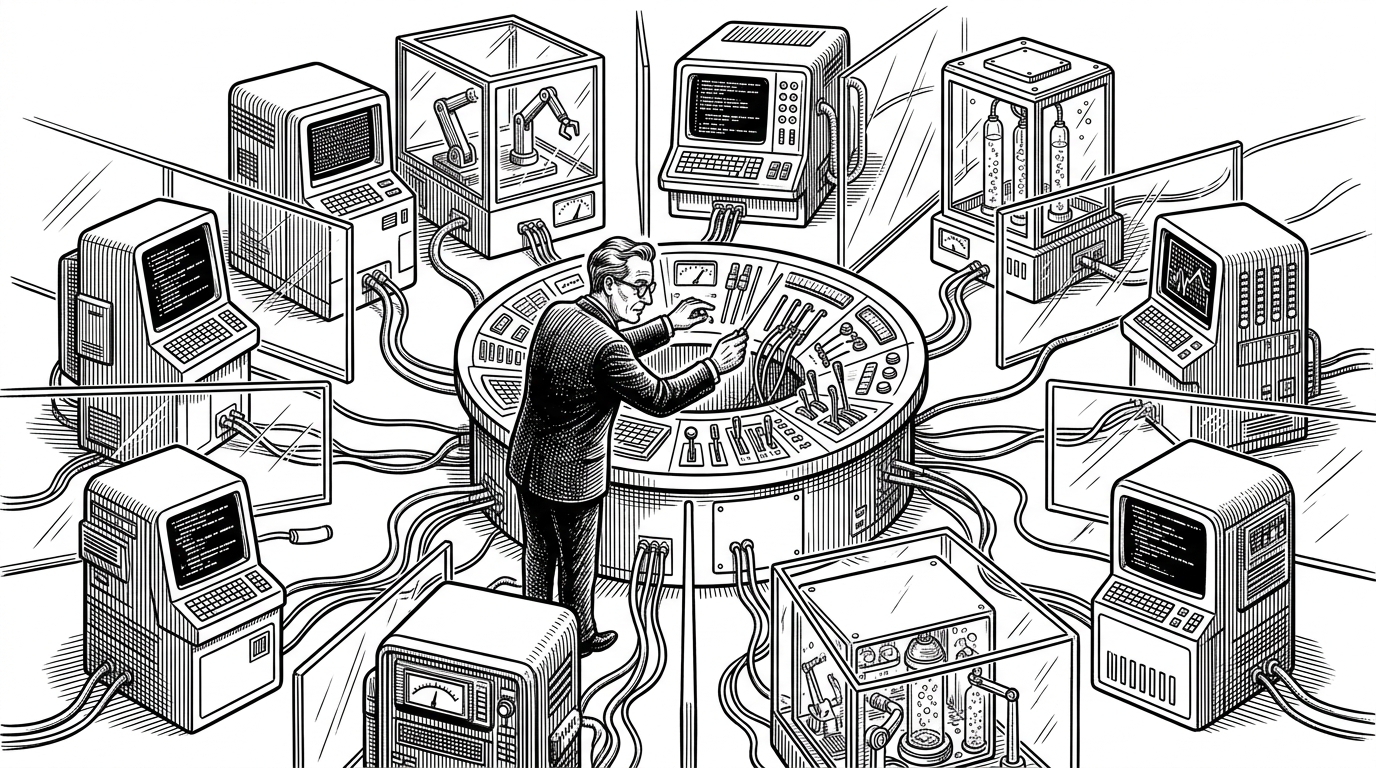
The central move is the handoff. One agent can keep working, call tools, or transfer control to a specialist agent instead of becoming a giant all-purpose prompt with every responsibility stuffed inside it.
That sounds small until you see the effect. A triage agent can route a request to billing, or to support, or to a code-running specialist, without collapsing the whole system into one tangled state machine. The agent loop stays readable because delegation is the primitive, not an accident.
Why a Small Primitive Set Still Scales
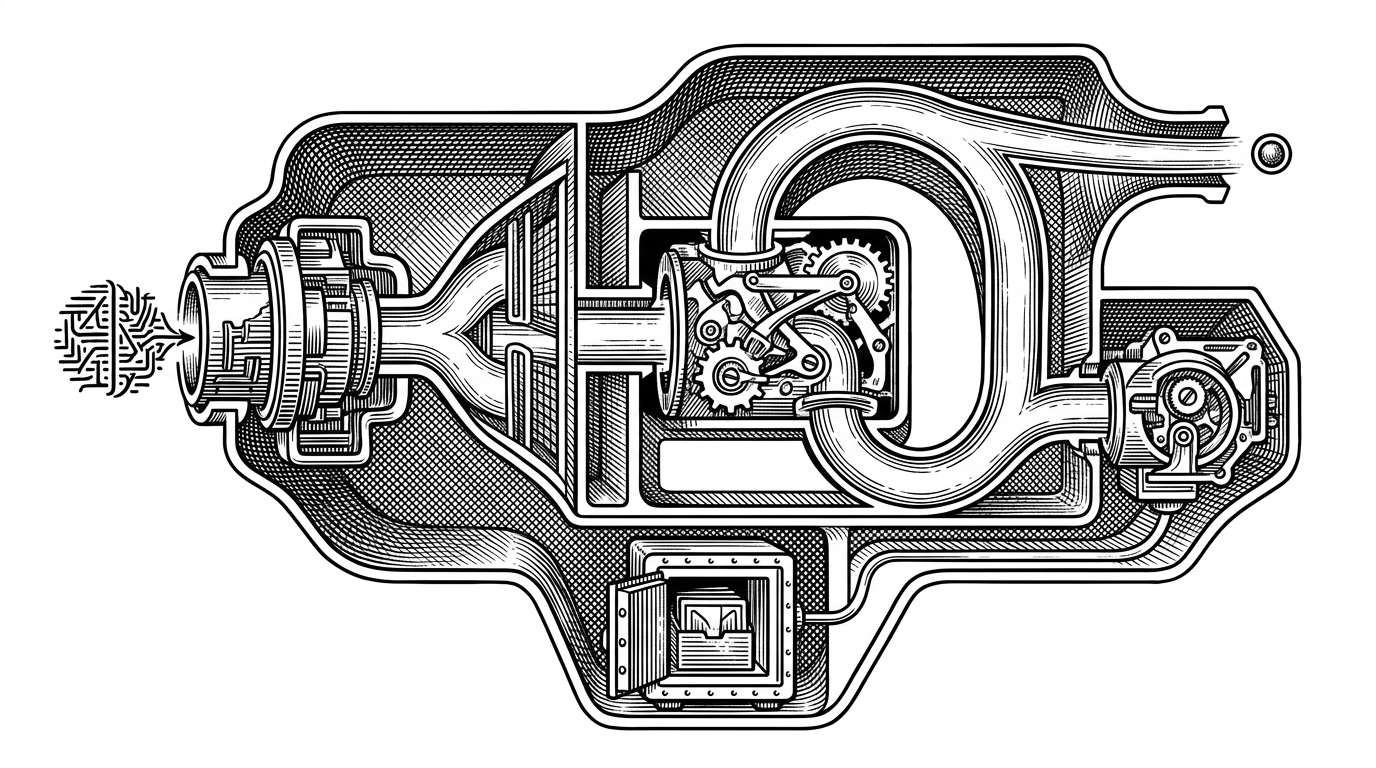
The SDK’s discipline is that it stays sparse. Agents hold instructions and tools. Handoffs move control. Guardrails check inputs and outputs. Sessions persist state. Tracing records what happened. That is enough to support real workflows without asking developers to learn a brand new programming model.
| Approach | Mental load | State handling | Observability | Model flexibility |
|---|---|---|---|---|
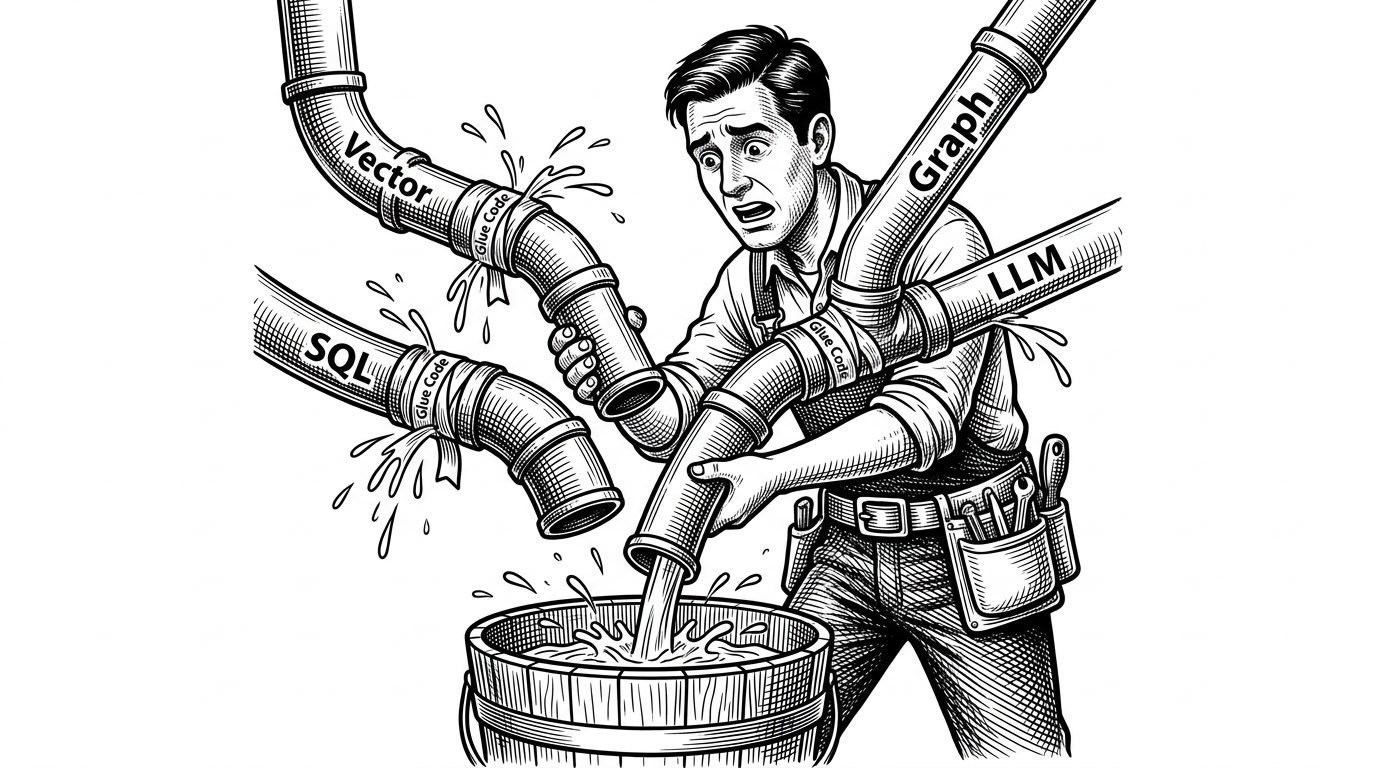
| Hand-rolled loop with message arrays | Low at first, then grows fast | You own the plumbing | Usually added later | Depends on your code |
| Heavy graph framework | Higher, because the graph becomes the product | Often explicit but verbose | Can be strong, but more setup | Often broad |
| OpenAI Agents SDK | Small and consistent | Built-in sessions | Built-in tracing | Centered on OpenAI |
That is why the framework feels production-minded. It is not trying to win by being the most expressive abstraction in the room. It is trying to keep the working set small enough that teams can reason about it under pressure.
The OpenAI Agents SDK is a lightweight yet powerful framework for building multi-agent workflows.
Memory Without Message-Array Plumbing
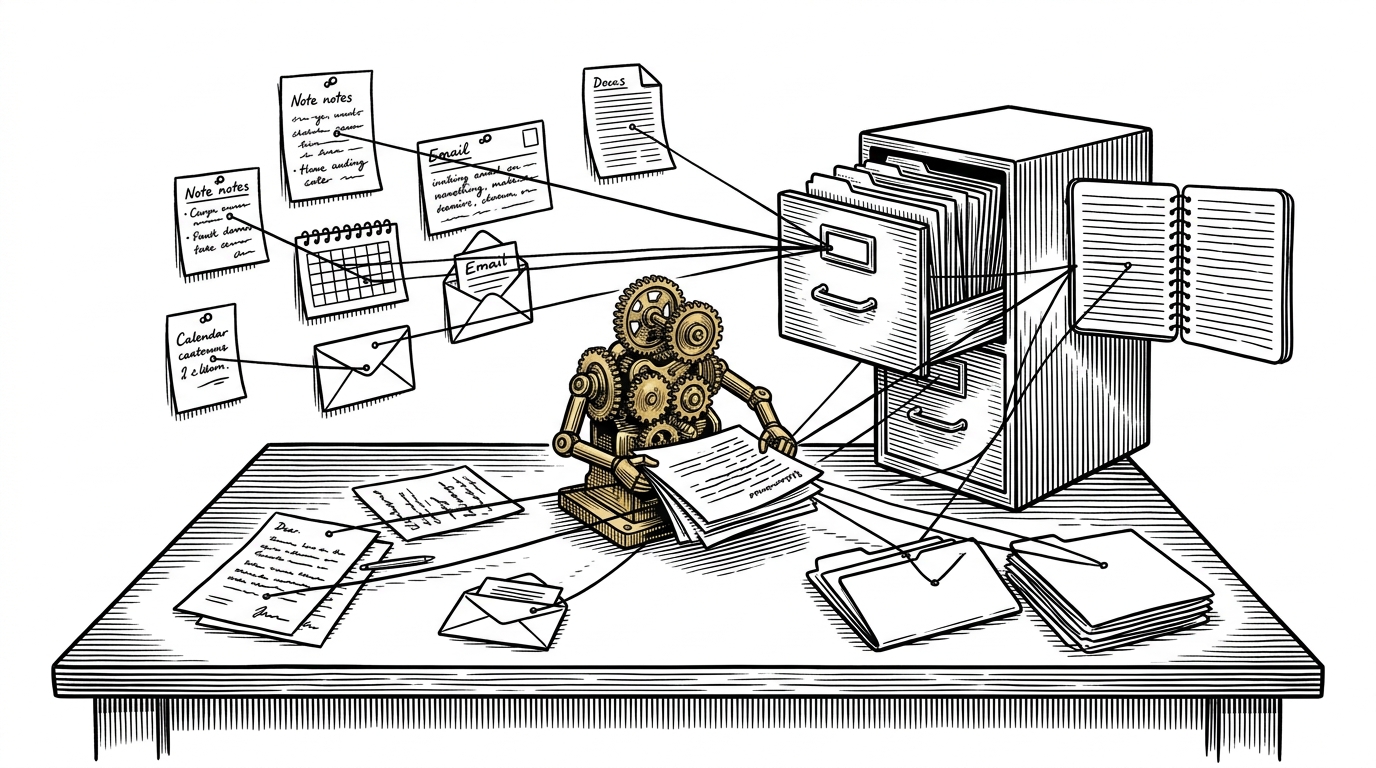
Sessions are where the SDK quietly removes a common source of pain. Instead of making every developer hand-roll message arrays, windowing logic, and persistence layers, the runtime can keep conversation state across runs through a session backend.
That matters because memory is not just a prompt concern. It is infrastructure. Once state is treated as a first-class part of the runtime, long-running workflows stop feeling like fragile scripts and start feeling like systems.
from agents import Agent, Runner

agent = Agent(
    name="Support Triage",
    instructions="Route the issue to the right specialist.",
)

result = Runner.run(agent, "I need help with billing")
print(result.final_output)
The interesting part is not the syntax. It is what disappears from the app code. The SDK absorbs the machinery that usually surrounds conversational systems, which leaves the application to focus on policy and domain logic.
Safety Runs Beside the Agent, Not After It
Guardrails are wired as parallel checks. That means validation can inspect the input before work begins, and the output before it leaves the loop. Safety becomes part of the choreography instead of a post-processing filter bolted on at the end.
That distinction matters in production. If safety lives next to execution, the runtime can reject risky inputs, catch bad outputs, and do it without forcing every developer to invent the same control flow again.
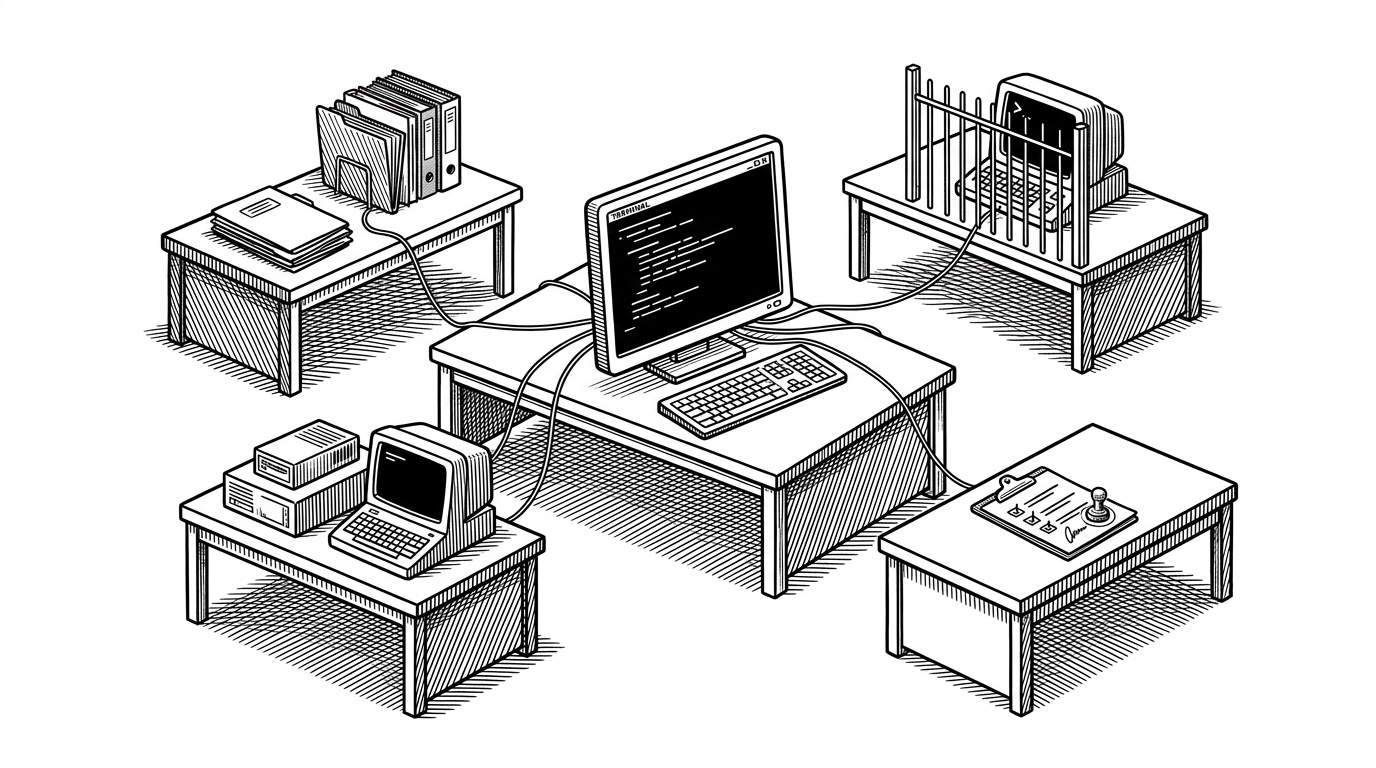
Sandbox Agents are new in version 0.14.0. A sandbox agent is an agent that uses a computer environment to perform real work with a filesystem, in an environment you configure and control.
Tracing Is the Difference Between a Demo and a System
Built-in tracing is the other half of the production story. Once runs are visible, debugging stops being guesswork. You can see which agent acted, which tool fired, where a handoff happened, and where the loop spent time.
That is a serious differentiator. A lot of agent demos are impressive until they fail in a way no one can inspect. Tracing gives the SDK a systems feel because it creates a feedback loop for debugging, evaluation, and optimization.
Realtime and Voice Push the Runtime Past Text
The SDK also reaches into realtime and voice, which changes the shape of the product. Once latency matters, the agent loop is no longer just about text generation. It has to manage interruption, streaming state, and low-friction orchestration.
That broadens the story. This is not a chat wrapper with a few extra tools. It is a runtime that wants to sit underneath interactive experiences where timing, sequencing, and control transfer matter as much as language.
What You Give Up for the Simplicity
The tradeoff is real. The SDK is clean partly because it stays close to OpenAI’s stack. If you want broad model portability or a more graph-heavy orchestration style, frameworks like LangGraph or CrewAI can look more open-ended.
| Question | OpenAI Agents SDK | Heavier alternatives |
|---|---|---|
| How quickly can a team reason about it? | Fast, because the primitive set is small | Slower, because the abstraction surface is larger |
| How native does delegation feel? | Very native | Often explicit and graph-like |
| How much platform coupling is there? | Higher | Usually lower |
| How much built-in observability is there? | Strong by default | Varies by framework |
That does not make the SDK weaker. It makes it opinionated. OpenAI is betting that many teams would rather have a compact runtime with first-class tracing and sessions than a more open-ended framework that makes every production concern a custom project.
In that sense, the repo is a statement of design philosophy. The winning agent stack may not be a giant framework at all. It may be a narrow one that makes the important paths feel obvious.