TriAttention: The KV Cache Compressor That Reads Long Reasoning in the Frequency Domain
By inverting RoPE, calibrating Q/K statistics, and monkeypatching standard LLMs at runtime, TriAttention makes long-context reasoning fit on far smaller GPUs without rebuilding the model stack.
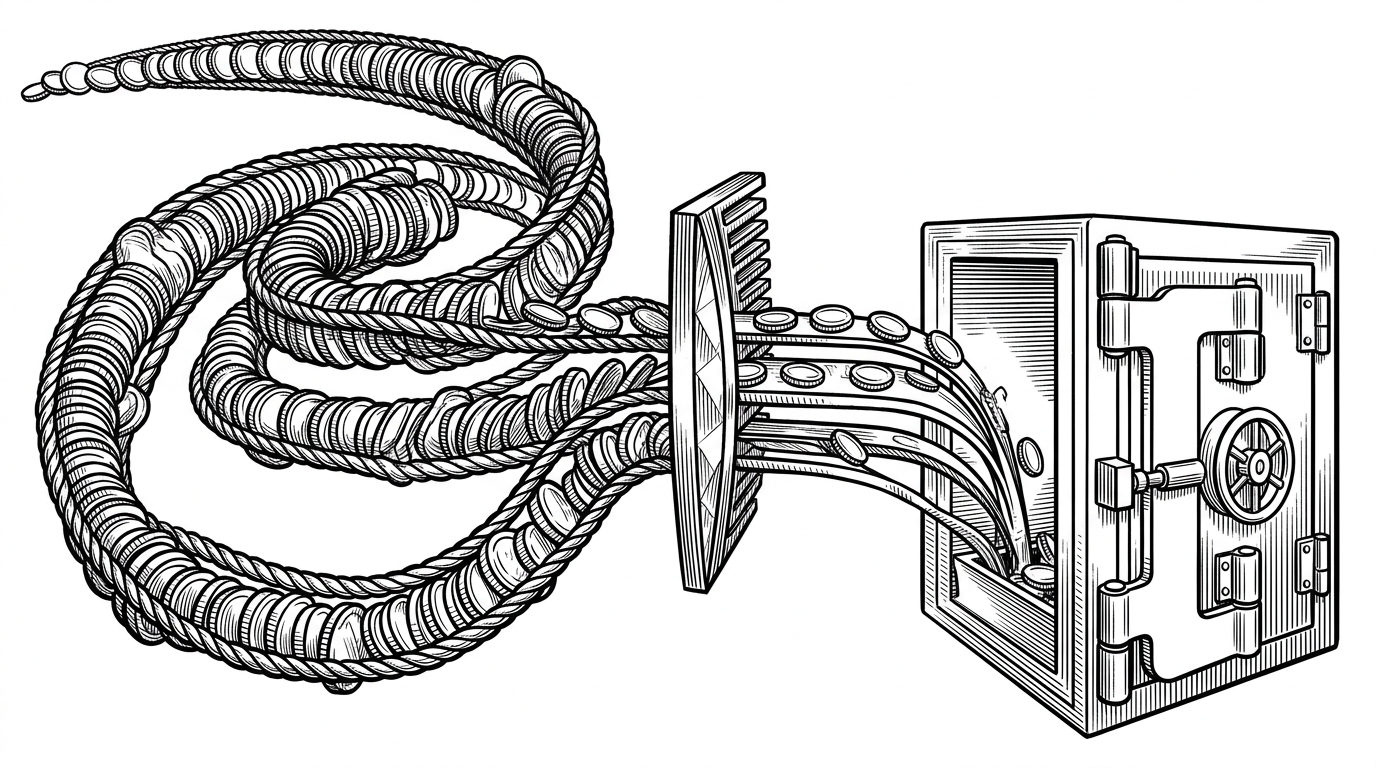
- TriAttention reframes KV cache management as prediction, not eviction, by using frequency-domain structure to estimate which memories will still matter later.
- Its runtime patching strategy matters as much as the math, because it slots into standard HuggingFace attention layers without forcing a model rewrite.
- Calibration gives the compressor a learned notion of signal shape before inference begins, which is why it can score keys without seeing the future.
- The practical win is deployment, not just elegance: long-reasoning models become much more realistic on consumer GPUs.
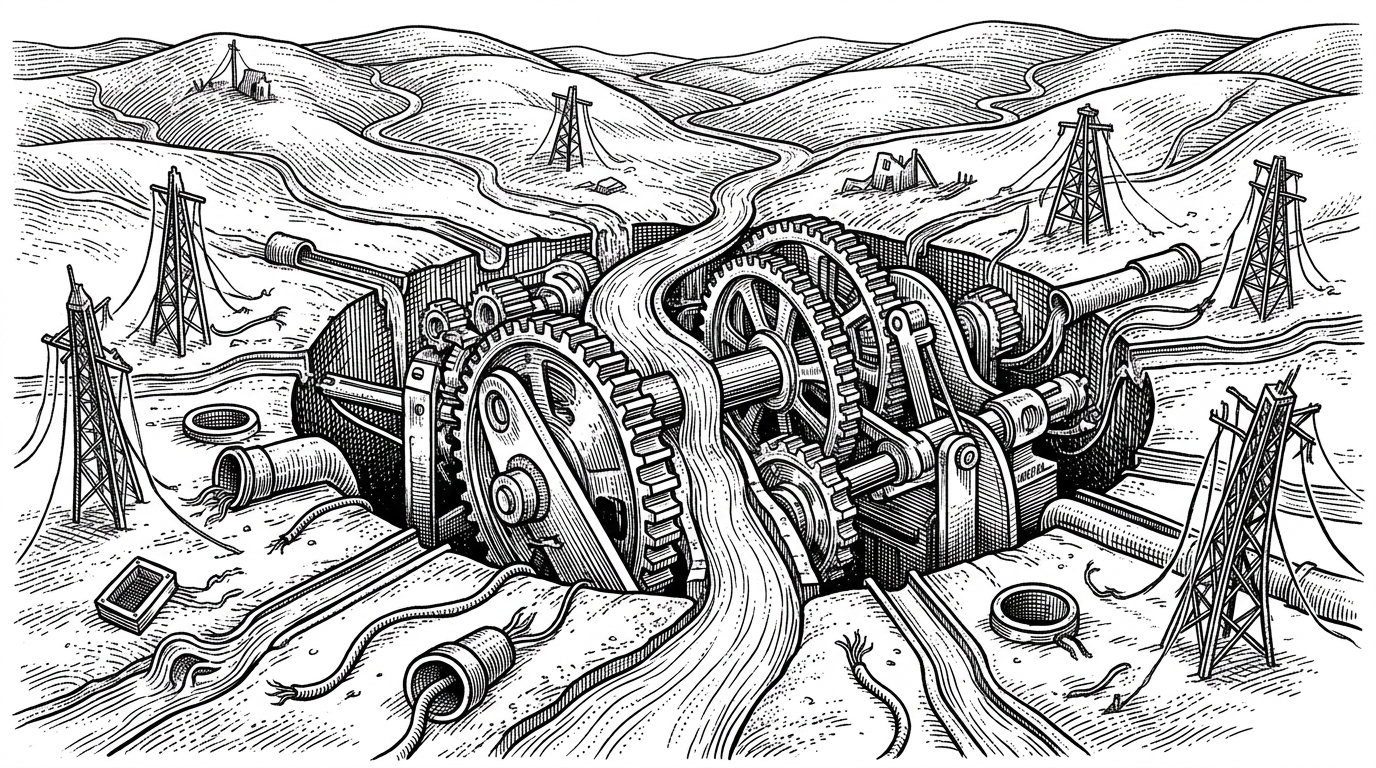
The hard limit in long reasoning is rarely the prompt itself. It is the KV cache, which grows as the model thinks and quietly eats VRAM until the run collapses. TriAttention attacks that wall by changing the question from which old tokens were recently attended to to which tokens are likely to stay useful.
That is a useful shift because reasoning workloads are not ordinary chat turns. They are long, branching, stateful, and expensive. On a small GPU, the model can become memory-bound long before it becomes intellectually spent.
The wall is not context length. It is KV memory
TriAttention is built for the moment when a model is still coherent but the cache is not. In that regime, a smarter retention rule matters more than raw context window size. The project claims up to 10.7x KV memory reduction and 2.5x throughput gain on long reasoning workloads, which makes the difference between a demo and a deployable setup.
This is especially important for local inference. A 24GB card can be a strong compute device and still fail on memory, especially once long prompts, generated chain-of-thought, and agent-style tool traces start piling up. TriAttention treats that constraint as something to engineer around, not accept.
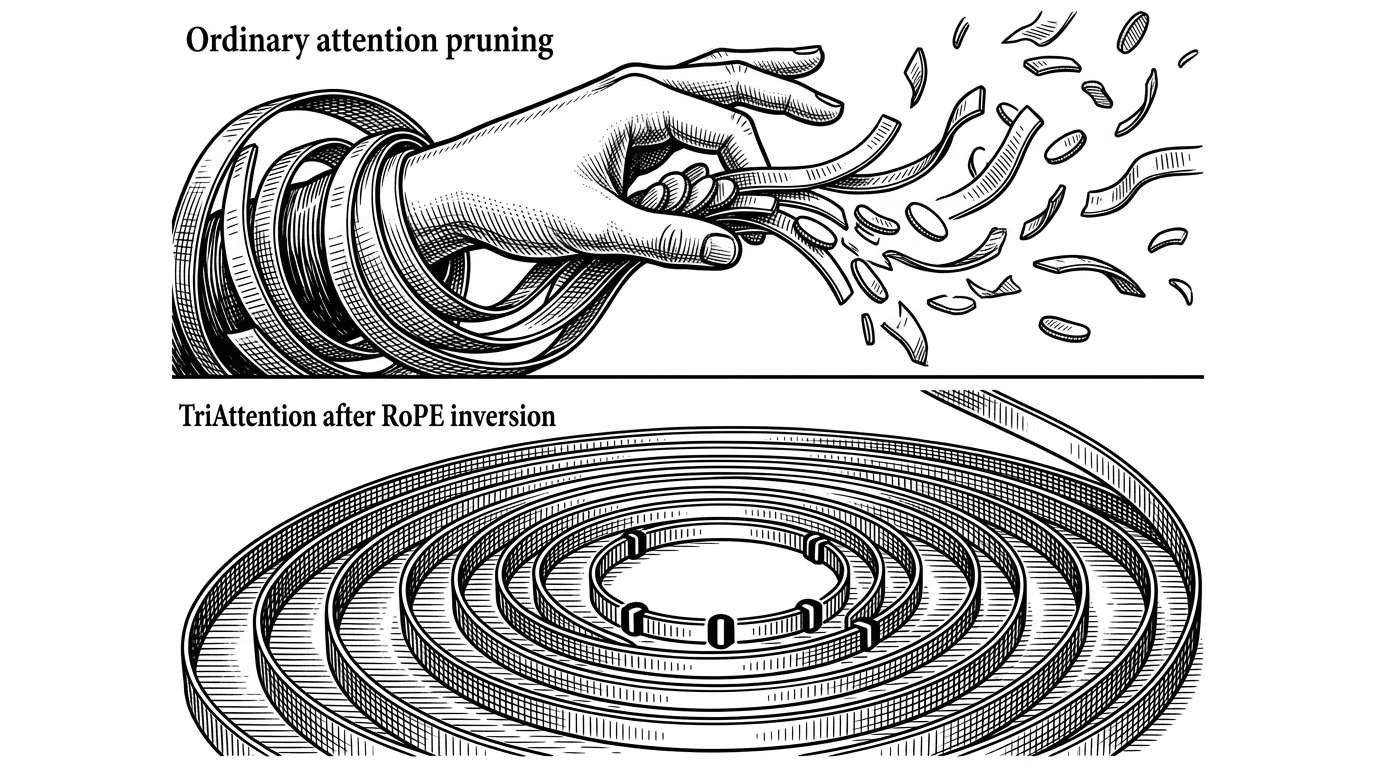
TriAttention’s bet: predict usefulness in frequency space
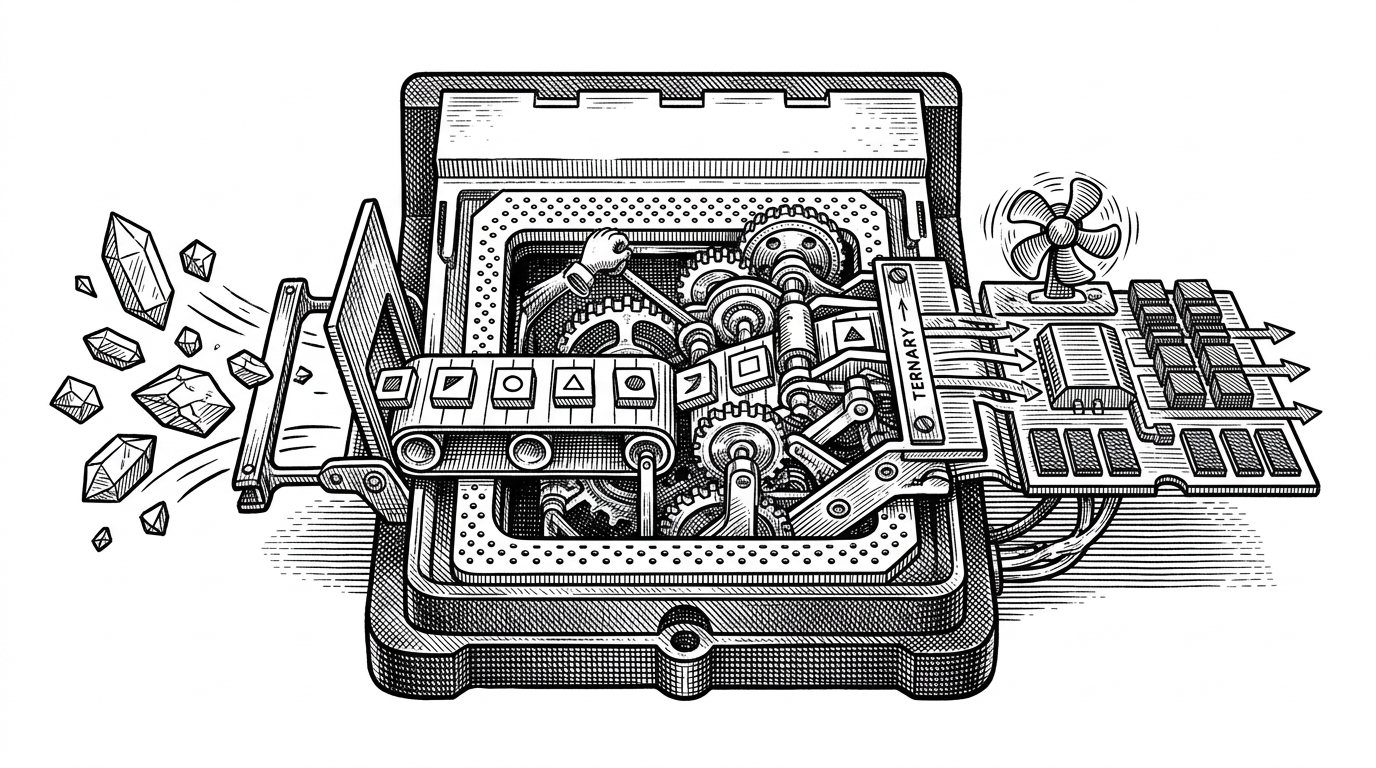
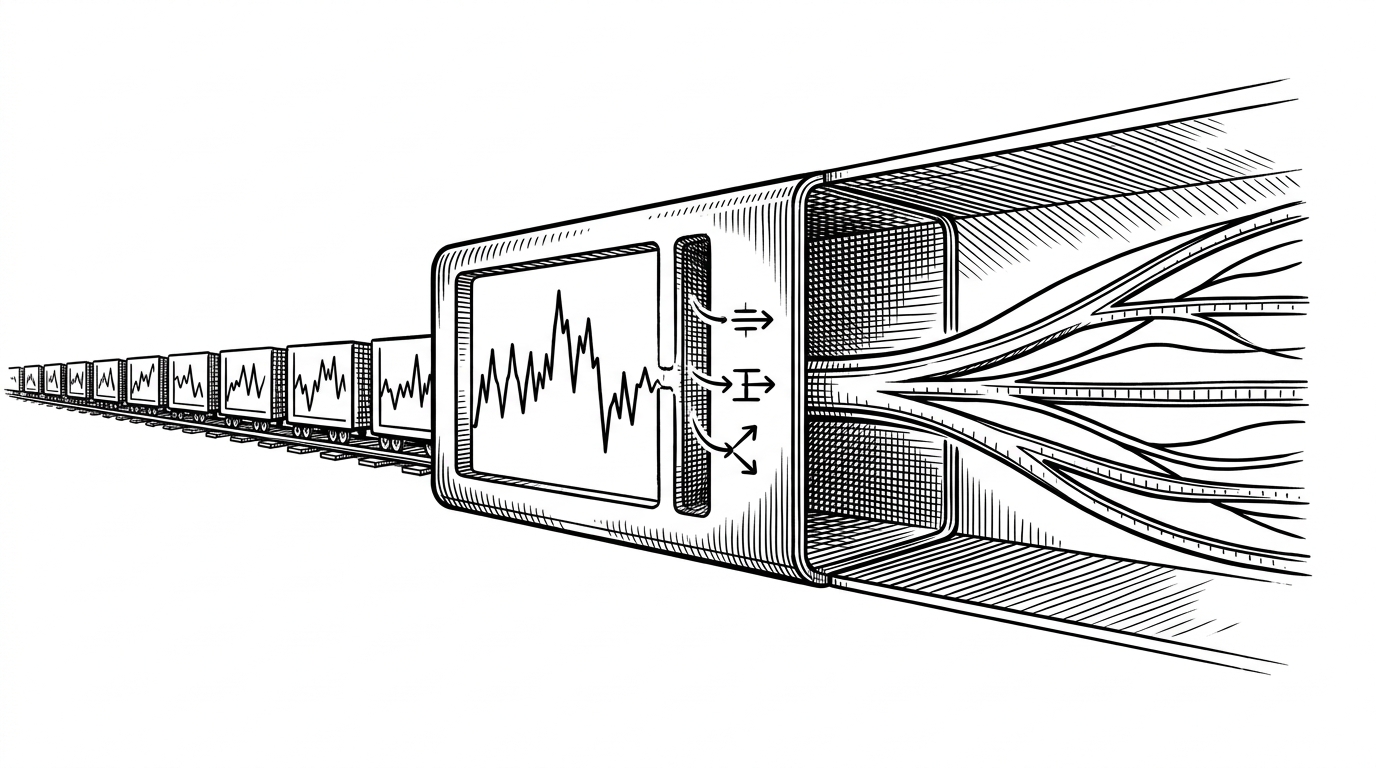
The core idea is strange in a good way. TriAttention inverts RoPE, calibrates Q/K statistics ahead of time, and then scores cache entries using a frequency-domain view of attention behavior. In plain English, it tries to recover structure that post-RoPE attention scores blur away.
Compress KV cache by 10.7x and boost throughput by 2.5x on long reasoning tasks -- with no accuracy loss.
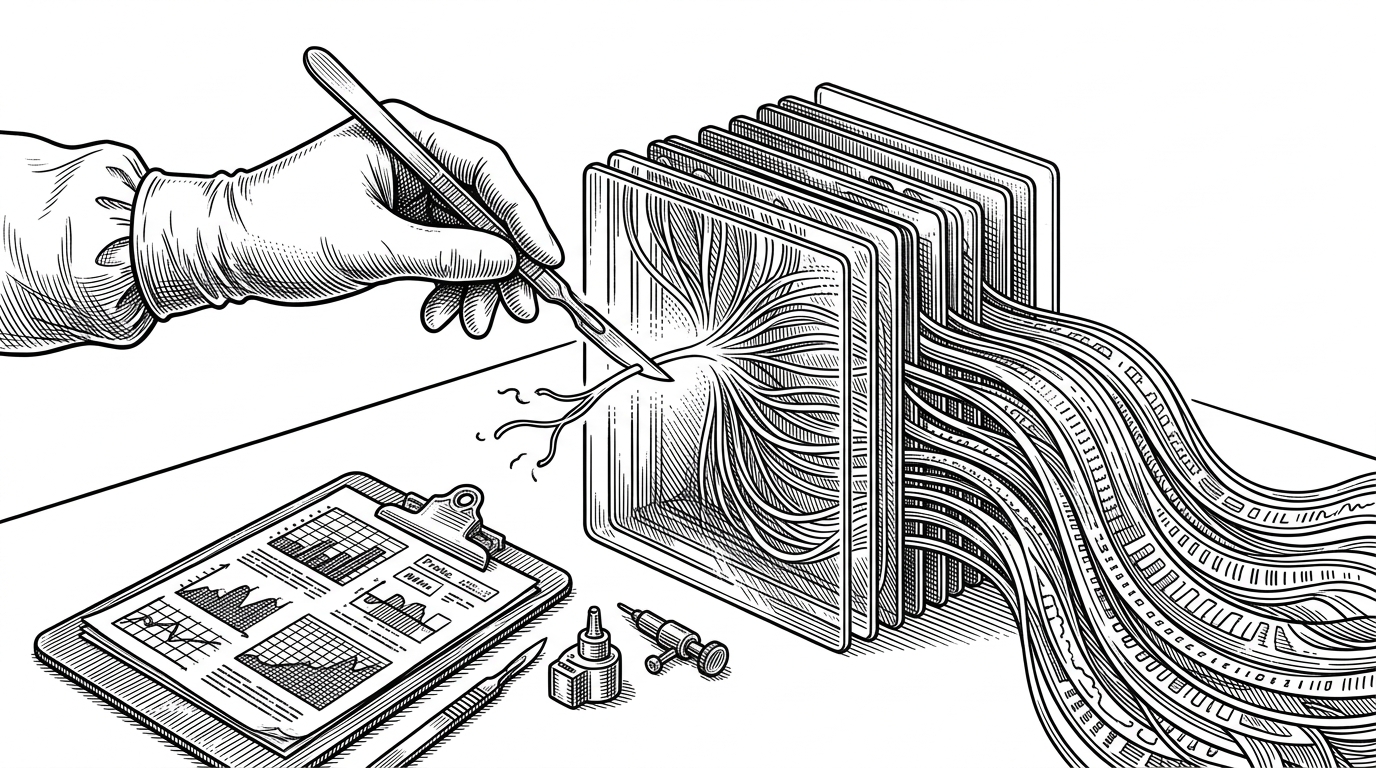
The diagram matters because the mental model changes. Generic pruning says, “keep what the last queries already liked.” TriAttention says, “find the structure in Q/K that predicts what future queries will still need.” That is the whole wager.
How the runtime patch fits into existing models
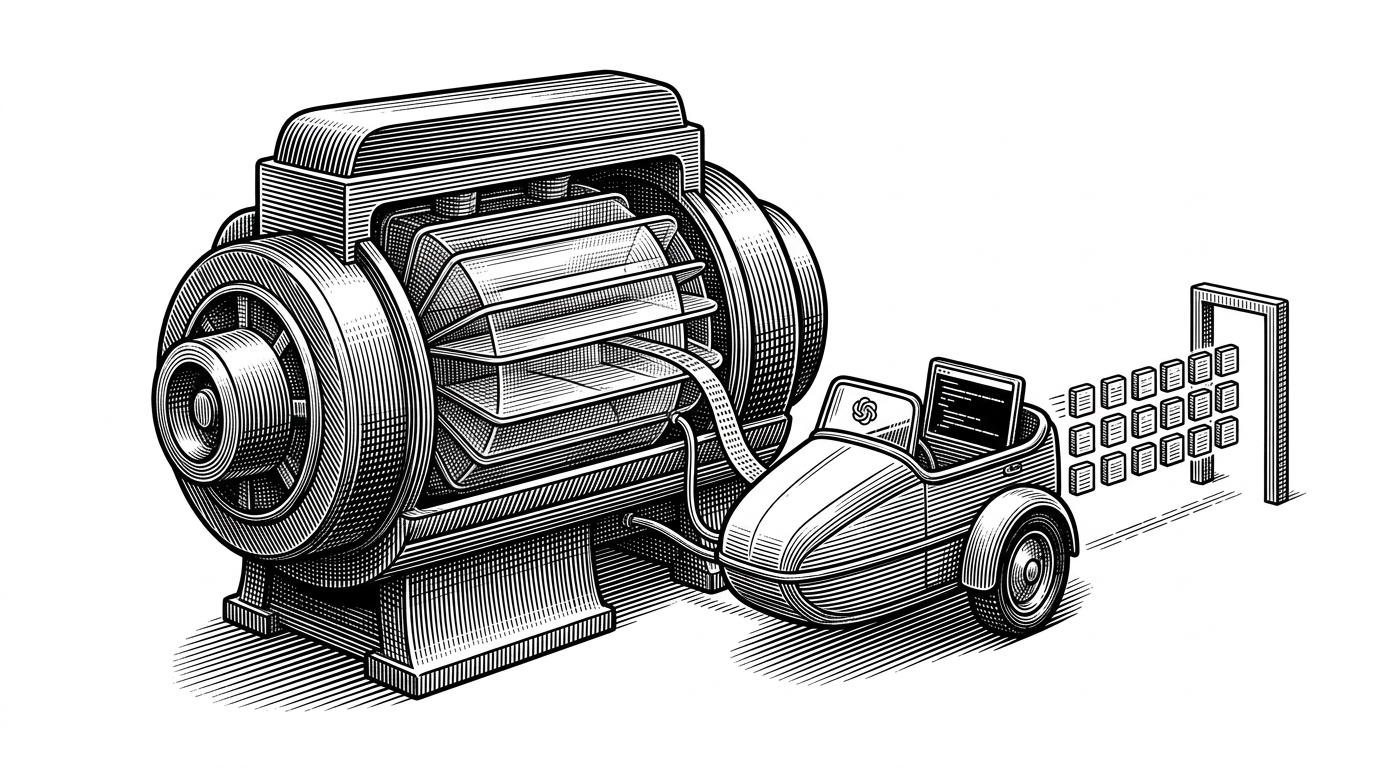
The project is designed as a runtime layer, not a model surgery kit. Its integration code monkeypatches HuggingFace attention classes, including Llama and Qwen variants, so the cache logic can be inserted into existing inference stacks instead of requiring custom weights or a new training run.
# Conceptual shape of the integration
from triattention.integration.monkeypatch import patch_model

model = patch_model(model)
outputs = model(
    input_ids=input_ids,
    past_key_values=past_key_values,
    use_cache=True,
)

# The patched attention path can maintain a query_cache
# alongside the usual KV cache, then use it to score retention.
That query cache is a subtle but important addition. It gives the system a short window into recent queries, which helps it decide which historical keys still deserve space. The point is not to preserve everything. It is to preserve the right things for the next step of reasoning.
Why calibration matters before compression starts
TriAttention does not walk into inference blind. Its calibration script collects statistics from the model first, so the runtime scorer has a learned sense of how Q and K behave in frequency space. That makes the inference-time decision less like guesswork and more like applying a pretrained filter.
# Simplified calibration flow
python scripts/calibrate.py \
  --model qwen3-8b \
  --output stats/qwen3-8b.pt

# At runtime, the saved stats are loaded to guide
# which cache entries remain valuable under compression.
In other words, the system separates learning from acting. Calibration gathers the geometry of attention behavior. Runtime compression consumes that geometry to make fast cache decisions under memory pressure.
TriAttention vs. simpler KV pruning methods
| Method | What it looks at | When it decides | Strength | Weakness | Best fit |
|---|---|---|---|---|---|
| TriAttention | Calibrated Q/K structure after RoPE inversion | Before the cache fills, using learned frequency statistics | Predictive retention with strong reasoning accuracy | Needs calibration and a more complex mental model | Long reasoning on tight VRAM |
| SnapKV | Recent attention activity | After recent queries have already exposed usefulness | Simple and practical | Reactive, can miss future relevance | General-purpose pruning |
| R1-KV | Attention pooling and similarity signals | During inference from observed attention patterns | Better than naive eviction | Still anchored to observed attention instead of predicted structure | Reasoning workloads with moderate memory pressure |
| Generic recent-attention pruning | Whatever was attended to most recently | After local attention has happened | Easy to explain and implement | Often throws away long-range dependencies | Basic cache reduction |
The real comparison is not just accuracy. It is the decision rule. TriAttention is the only one here that tries to score latent usefulness from calibrated structure rather than waiting for recent attention to prove a token mattered.
Why the deployment story matters
This project is built to ship. Its vLLM integration and OpenClaw compatibility mean the compressor can sit inside a local inference workflow instead of remaining a research artifact. That is why the article is worth reading even if you already know the KV-cache literature.
TriAttention's vLLM server exposes an OpenAI-compatible API, which means you can use it directly as a custom provider in OpenClaw.
That matters because deployment friction usually kills clever inference ideas. A patch that works only in a notebook is not a product lever. A patch that plugs into the serving stack can change what local models are practical at all.
What this means for local reasoning models
TriAttention’s bigger implication is not that every model should compress more aggressively. It is that memory management can be treated as an intelligent layer with its own signal model. Once that idea clicks, the ceiling on local reasoning gets more negotiable.
That is why the project feels less like a benchmark trick and more like middleware for the next phase of local AI. It turns the KV cache from a hard ceiling into something tunable, and that is exactly the kind of shift that changes which models people can run at home.