deep-research: The research agent that wins by never opening a browser
Aaron Francis turns web research into a straight-line pipeline: fan out search, canonicalize and dedupe URLs, fetch with retries, then synthesize a citation-grounded brief.

- deep-research treats research as an evidence funnel, so the model sees a curated source set instead of an open-ended browsing loop.
- Its biggest bet is simplicity, because API-first search and fetch replace browser sessions and the brittle machinery that usually follows them.
- The code spends its effort on the unglamorous parts that matter, including URL canonicalization, domain balancing, retries, and chunked synthesis.
- It reads as a strong proof of concept for citation-grounded research, not a universal replacement for browser automation.
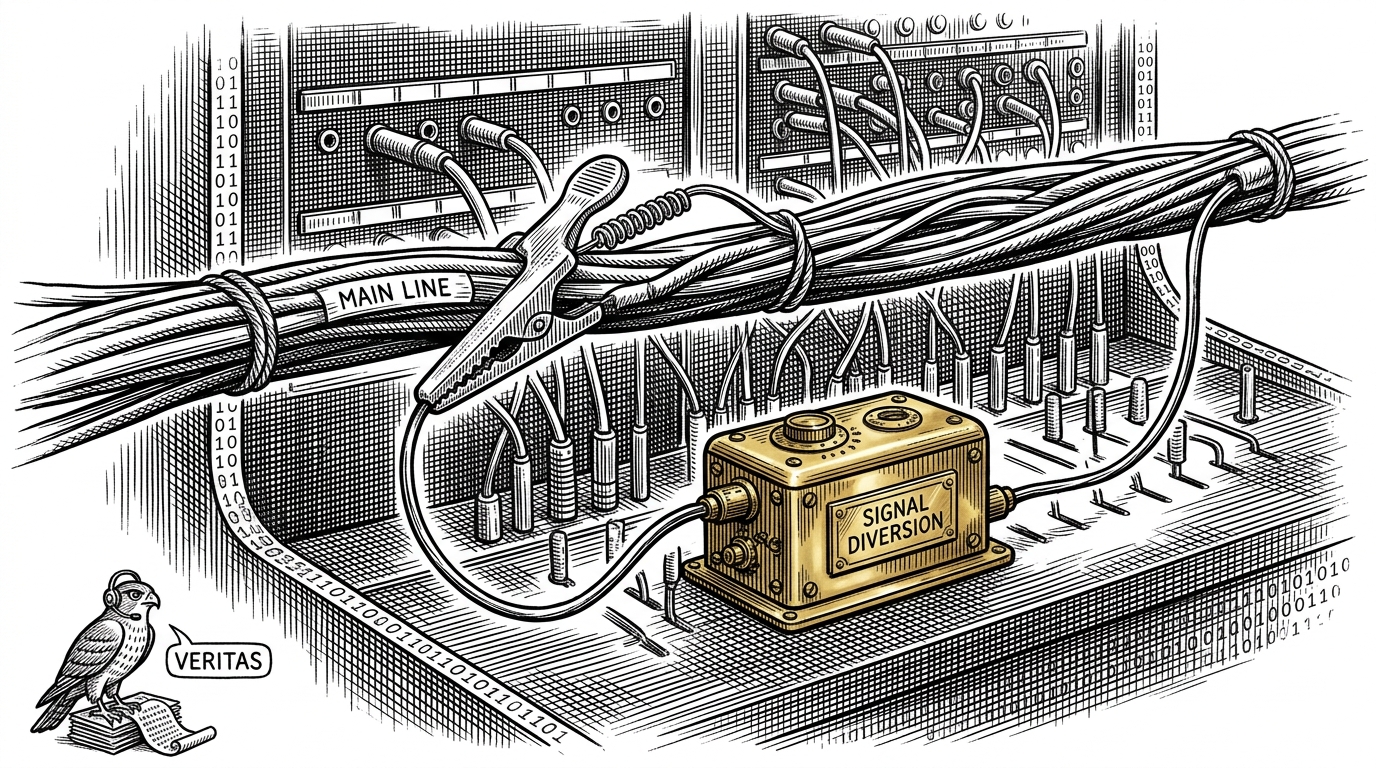
The surprise in aarondfrancis/deep-research is not that it can do deep research. It is that it refuses the thing most agent demos lean on: a live browser. Instead, Aaron Francis pushes the web through a narrower, cleaner pipeline. Search widens the net. Fetch strips the noise. Synthesis writes the brief.
The weird part is the point
Yesterday, OpenAI released Deep Research, a system that browses the web to summarize content and answer questions based on the summary. The system is impressive and blew our minds when we tried it for the first time.
That reaction captures the overlap. The project is not trying to out-browse the browser. It is trying to recover the useful parts of research and leave the rest behind. The stack makes the bet explicit: Browserbase Search for discovery, Browserbase Fetch for retrieval, OpenAI for synthesis, and no session-heavy browser automation in the middle.
The evidence funnel
That funnel is the real product. The model never has to roam freely and invent its own search plan from scratch. It receives a smaller, curated bundle of pages that have already survived three filters: relevance, uniqueness, and fetchability.
Why Aaron Francis chose this path

Francis is the kind of builder who tends to expose the mechanism instead of hiding it. The repository is small on purpose, with index.ts at the edge, src/main.ts orchestrating the flow, and focused modules for discovery, fetch, synthesis, async control, and HTTP handling. That shape matters. It keeps the architecture legible enough that you can see where the trust comes from.
What actually makes it work
The interesting part is not any single model call. It is the glue. src/discovery.ts expands a topic into multiple search angles and then canonicalizes URLs so tracking parameters and query-order noise do not create fake uniqueness. It also keeps results from collapsing into one domain bubble. src/fetch.ts is defensive about bad pages, using retries and content extraction to throw away nav chrome and cookie-wall sludge. Then src/synthesis.ts chunks sources into manageable groups and asks the model to write from evidence notes, not from memory.
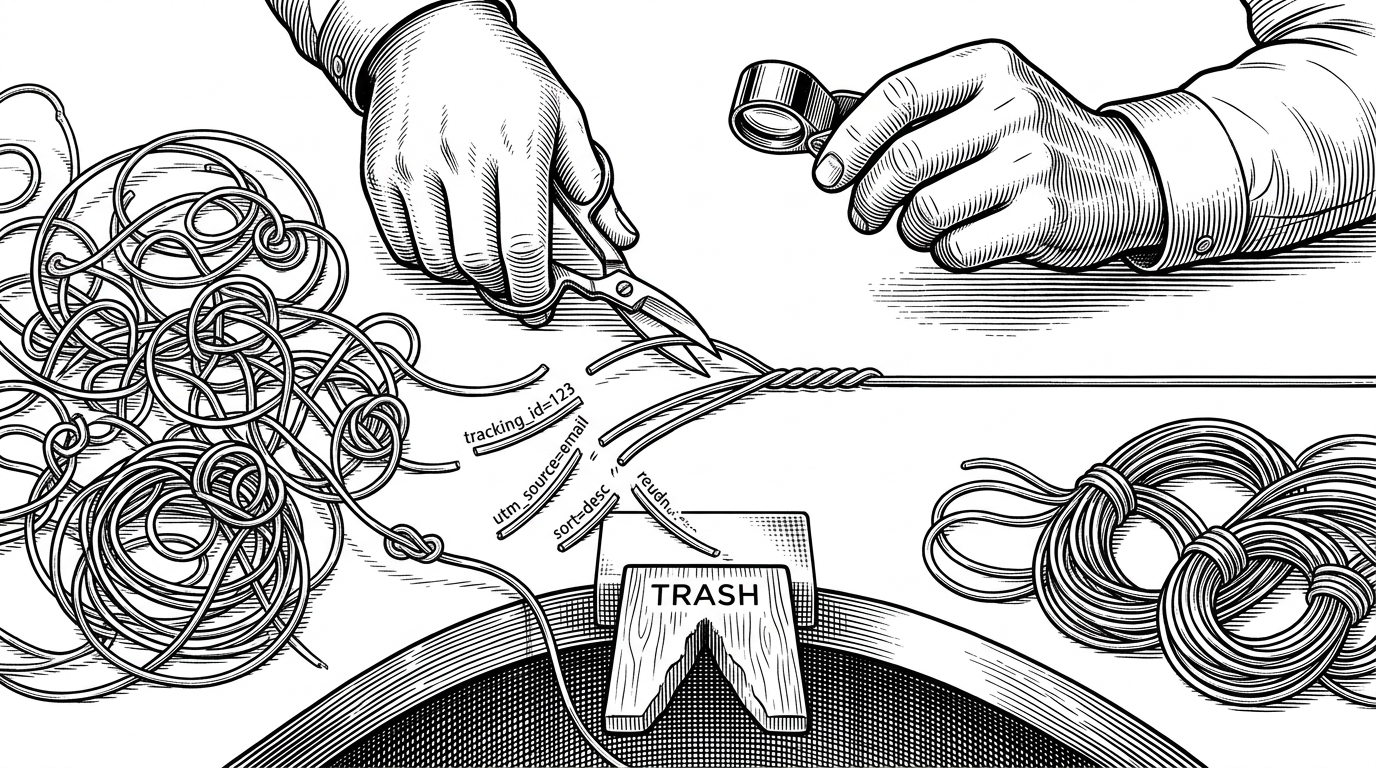
That little step changes the economics of the run. Without it, the agent wastes requests on the same page under different URLs. With it, each fetch has more chance of adding something new.
A thin stack on purpose
The stack is plain TypeScript, not a framework maze. cheerio handles HTML parsing, dotenv handles configuration, and the custom async and HTTP helpers keep concurrency and backoff predictable. That is the larger design move: every layer is there to reduce surprise, not to impress anyone.
What it beats, and what it does not
| System | Browser dependency | What it optimizes | Trade-off |
|---|---|---|---|
| aarondfrancis/deep-research | None in the core path | Fast, citation-grounded briefs | Less able to handle interactive pages that need a live session |
| Playwright-style browser agent | Full browser session | Interactive site coverage | Heavier, slower, and more brittle |
| LangChain Open Deep Research | Configurable | Composable production workflows | More setup and orchestration overhead |

integrating these LLMs into agentic systems can give them real superpowers!
That is the promise, and this repo shows the practical version of it. Agentic systems become useful when they are constrained by retrieval, not when they are allowed to wander. deep-research is closer to a disciplined evidence tool than to a free-form explorer, which is exactly why it feels credible.
The limits are part of the lesson
The limitations are not accidental. It is a proof of concept, not a full product, so there is no database, no UI, and no claim that every site can be handled without escalation. Some pages still want a live browser. The value here is narrower and better: show that a lot of research can be done with API calls, careful normalization, and a strict synthesis step.