ArtSpew: The Prompt Is the Experiment
Inside a Stable Diffusion engine that injects random tokens, chases visual accidents, and uses extreme throughput to make discovery feel immediate.
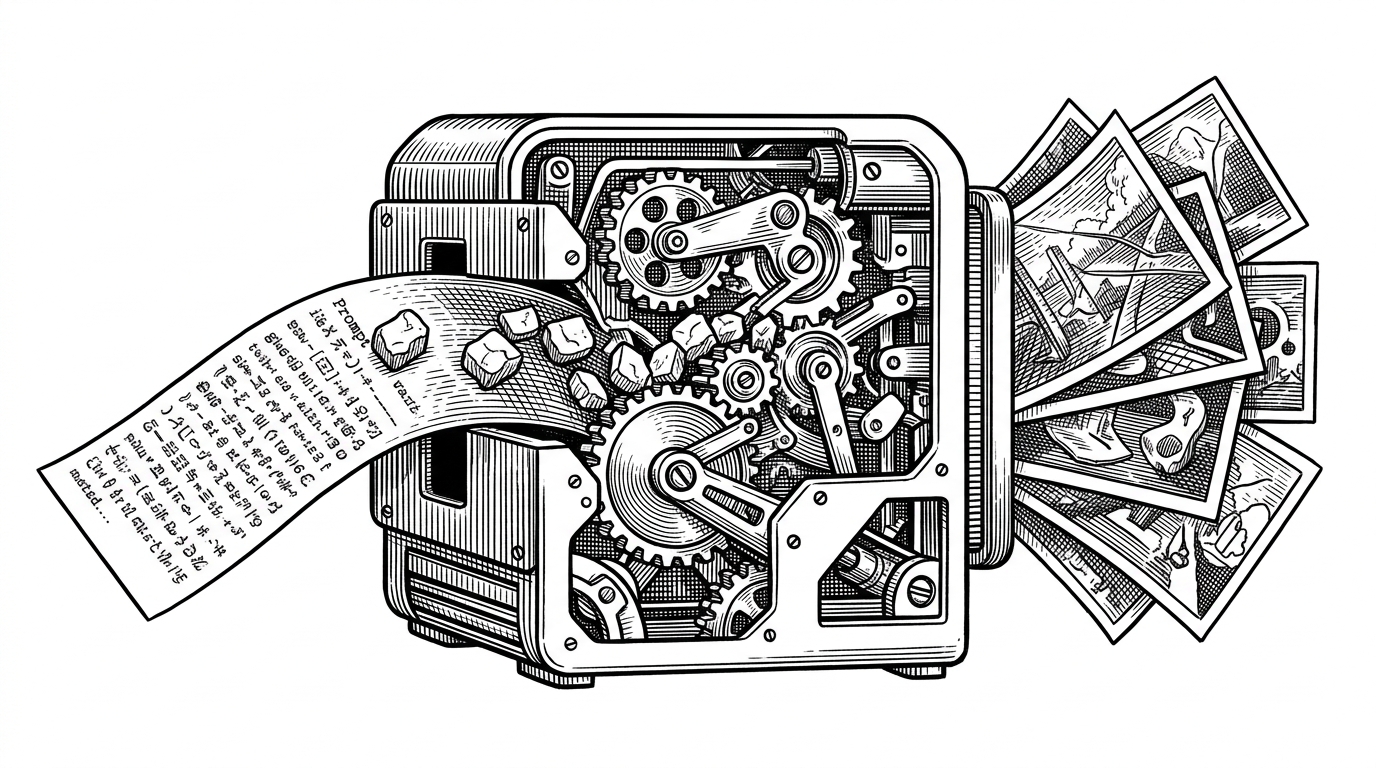
- ArtSpew turns the prompt into a variable, which makes image generation feel like a search for useful accidents instead of a chase for one perfect seed.
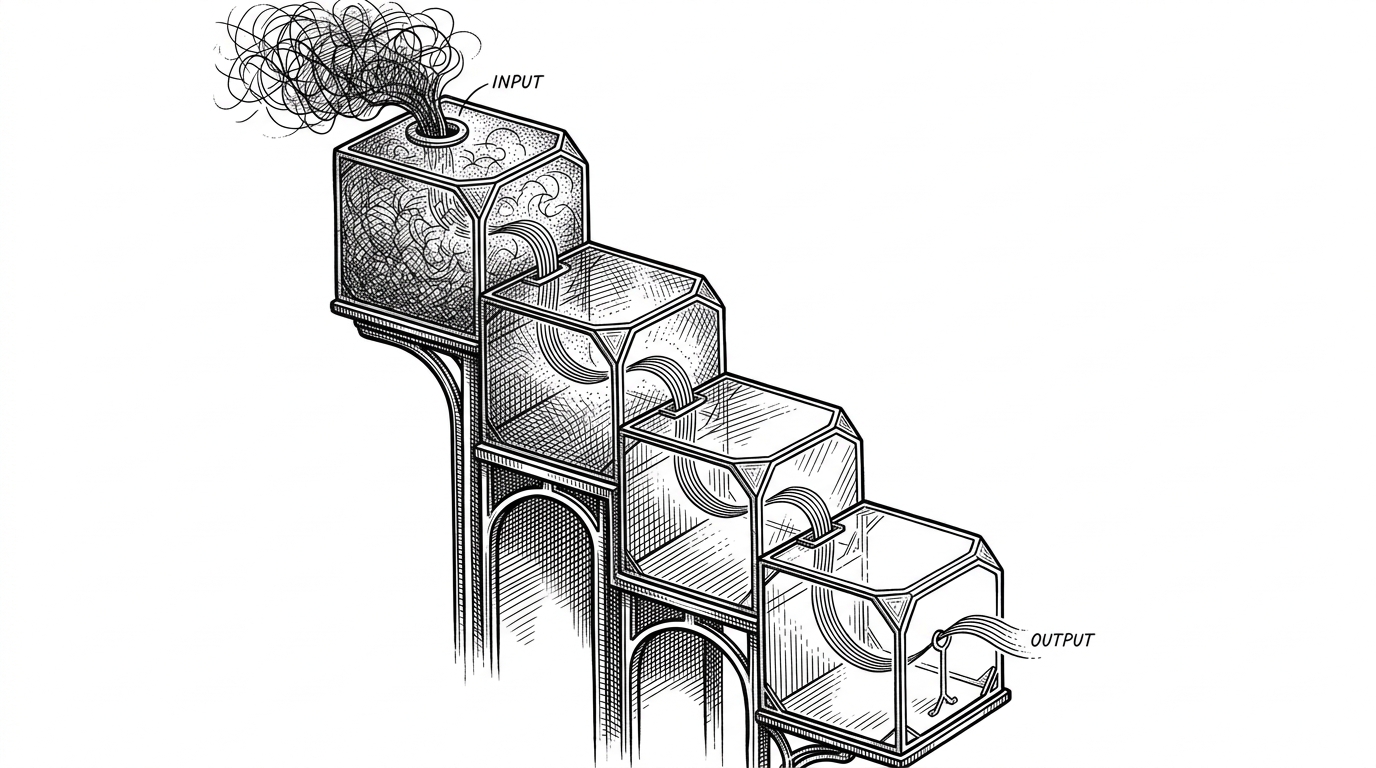
- Its random token injection changes the conditioning stream before the text encoder sees it, so variety starts in the input representation, not just the sampler.
- The speed stack matters because fast feedback makes prompt perturbation usable, not theoretical.
- ArtSpew is built for discovery, and its trade-offs are the point: less polish, more exploratory range.
A prompt that will not stay still
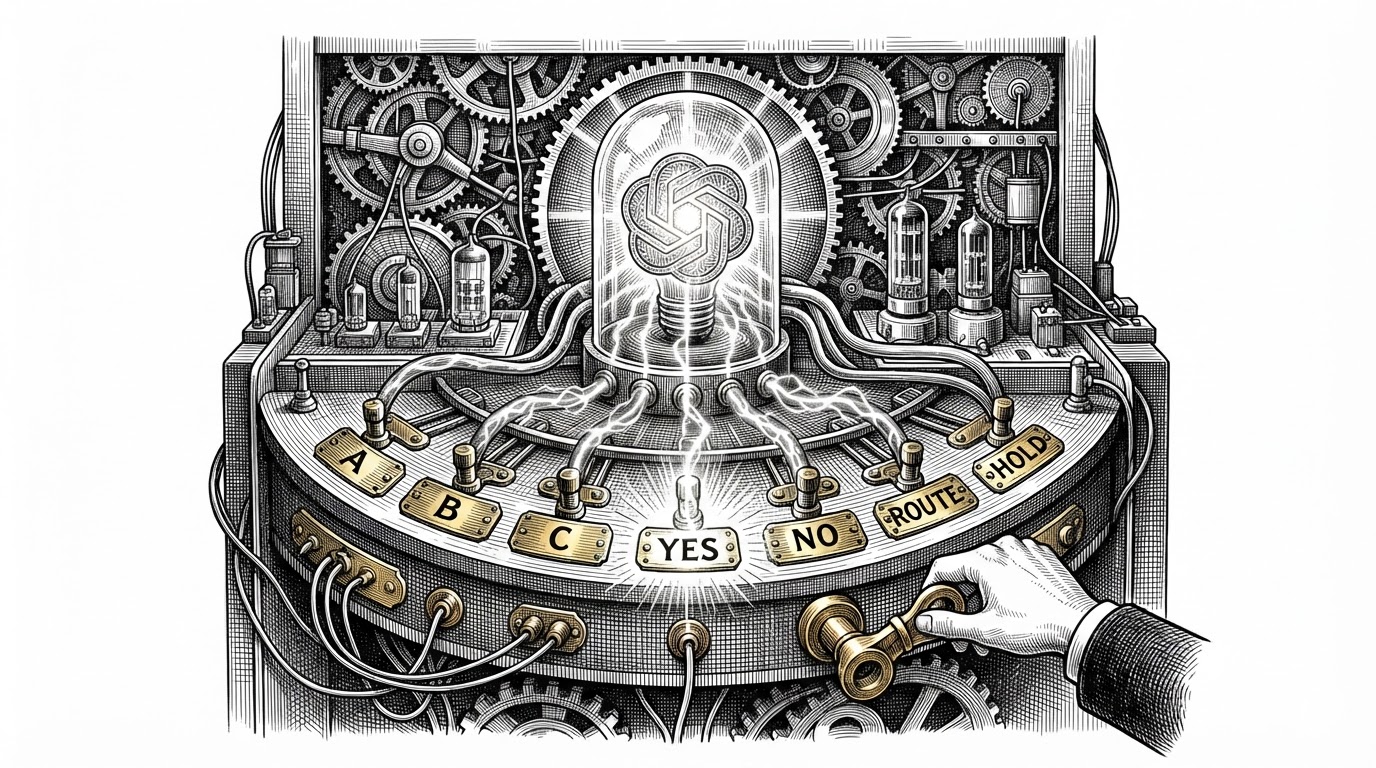
Most Stable Diffusion tools treat the prompt as a fixed sentence and the seed as the variable. ArtSpew flips that logic. It mutates the prompt itself by injecting random token IDs before encoding, which turns image generation into a search for useful accidents.
That changes the job of the interface. Instead of polishing one description until it behaves, you keep sampling neighboring prompts and watching which combinations survive the model. The tool is less a painter than a probe.
How ArtSpew scrambles the token stream
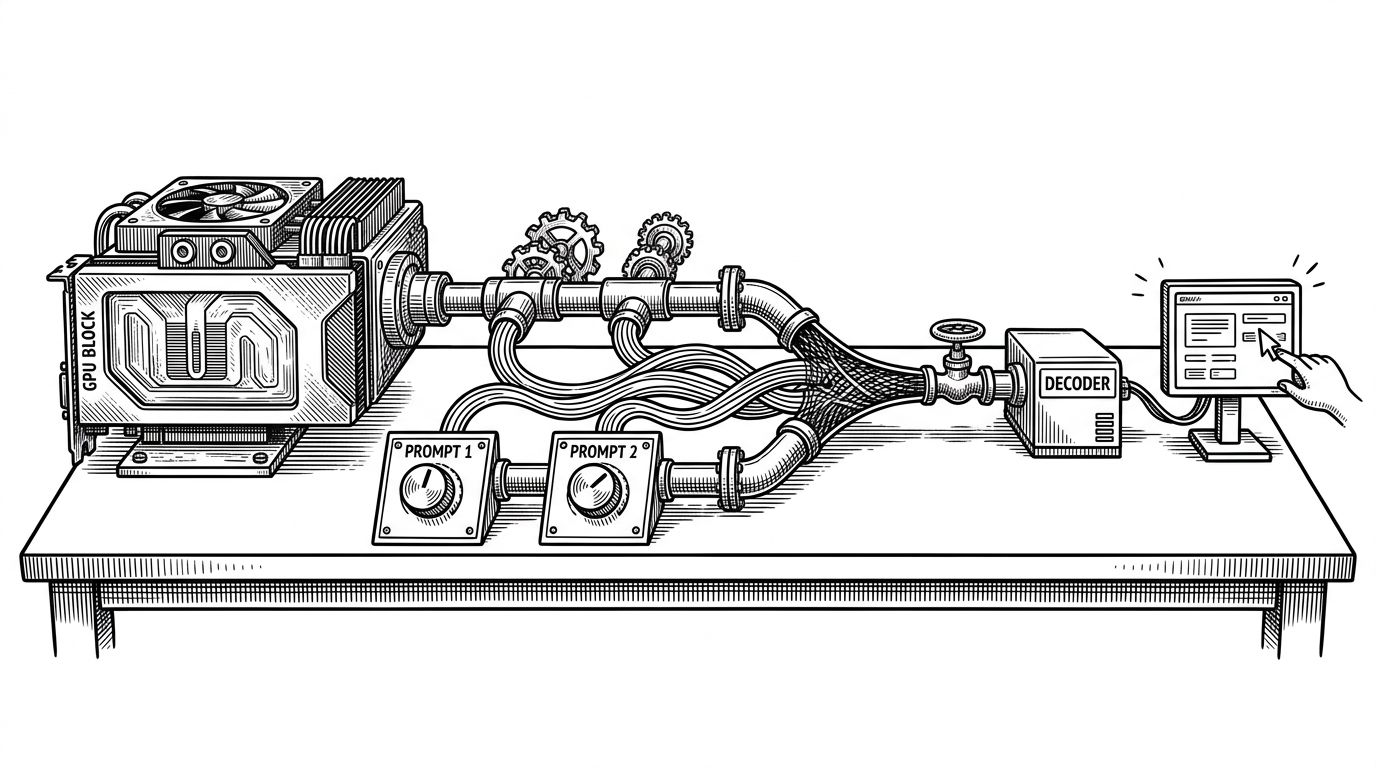
The core move lives in `src/prompt.py`, where user text is tokenized and then mixed with random tokens before the text encoder sees it. That means the model is not just sampling different images from the same prompt. It is conditioning on a slightly altered version of the prompt each time.
Seen this way, the prompt is not prose. It is a tensor-shaped input that can be nudged, extended, and perturbed. ArtSpew makes that manipulation explicit, which is why the weirdness feels intentional instead of accidental.
Why the project cares so much about speed
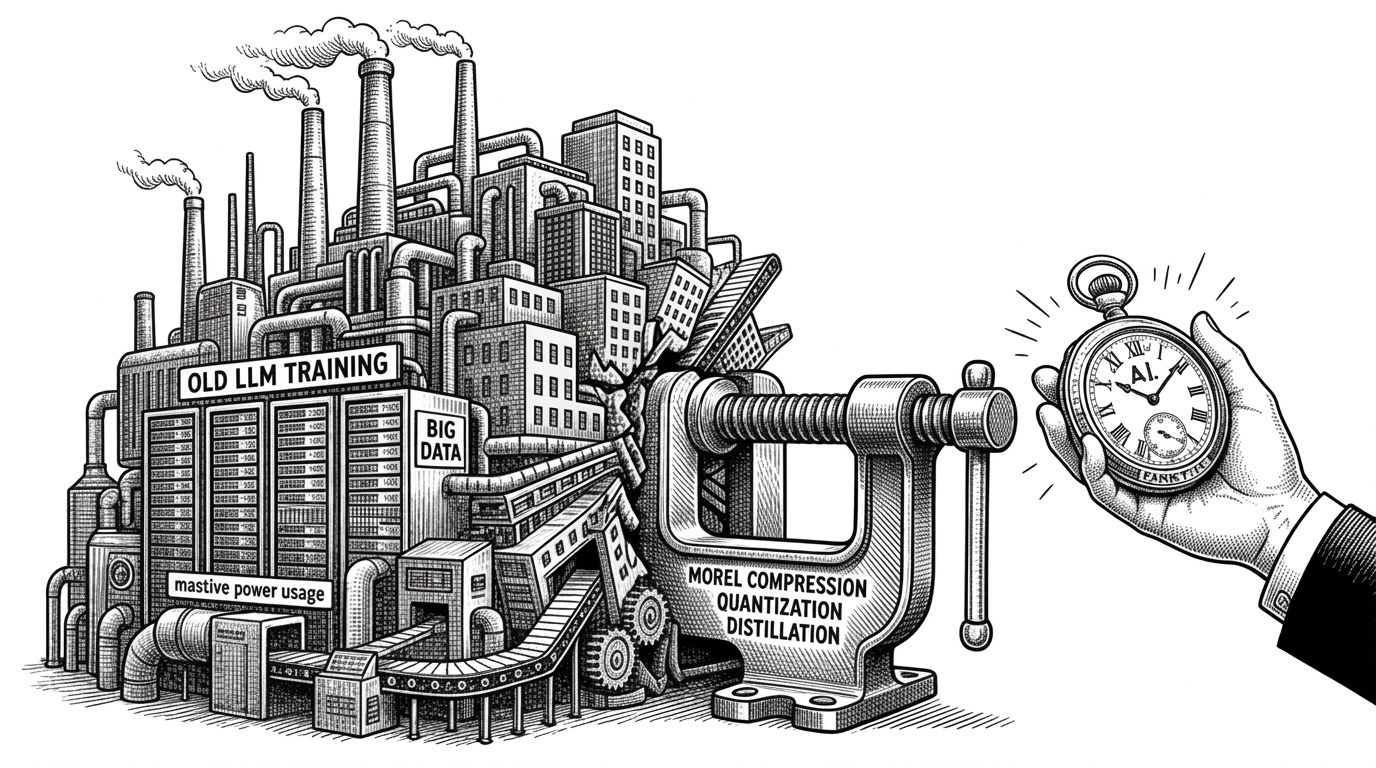
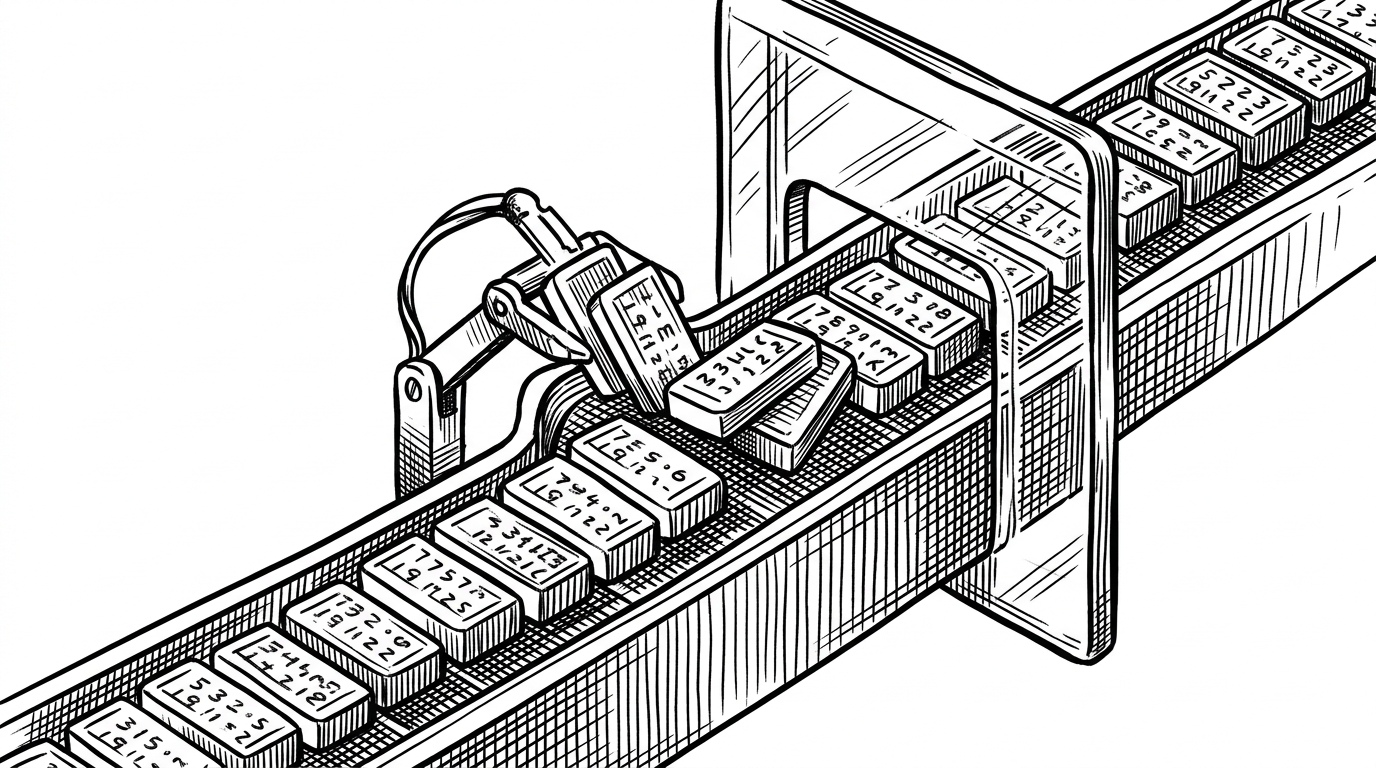
Speed is not a vanity metric here. It is the feedback loop that makes the prompt experiment usable. If every mutation takes a long time, the search feels theoretical. If the next image arrives almost immediately, the human can keep steering toward the strange and the useful.
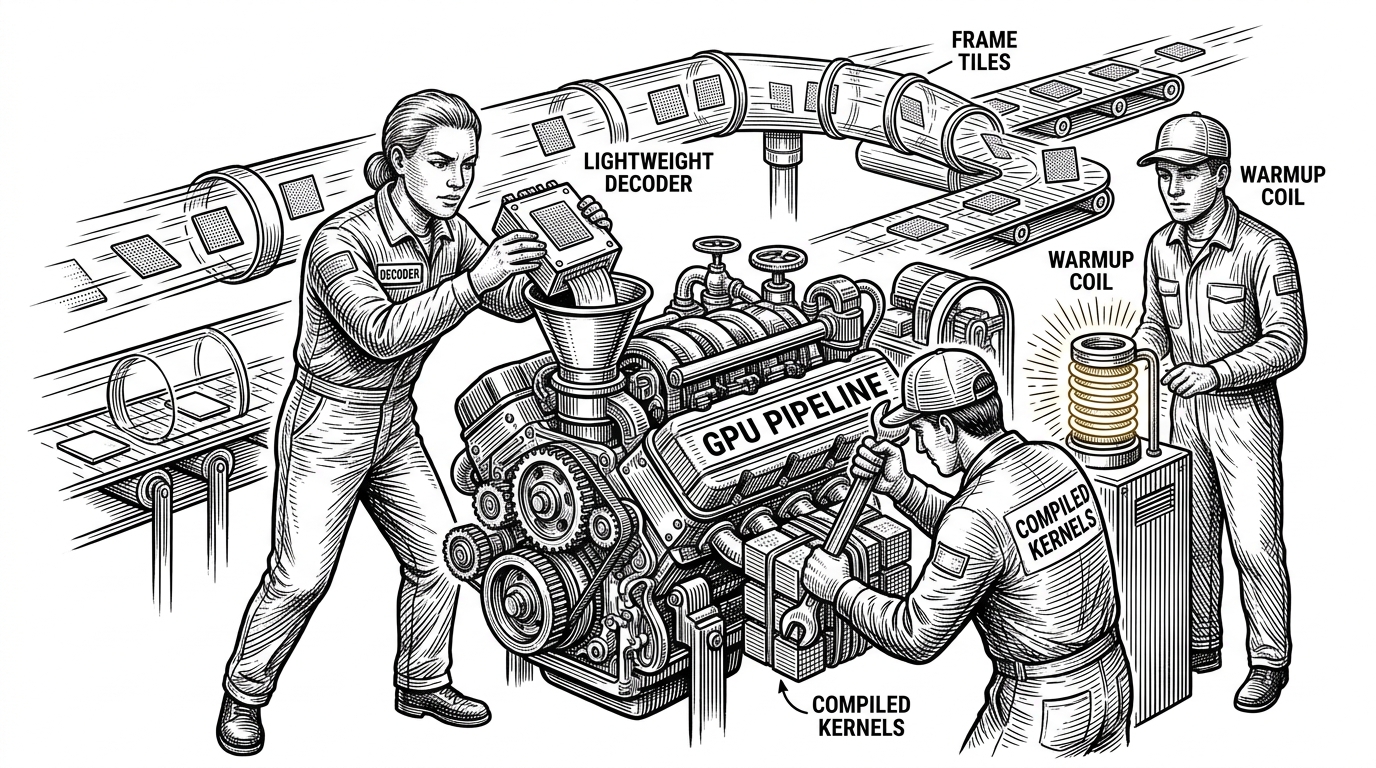
That explains the optimization stack: LCM for low-step generation, TinyVAE for fast decoding, `torch.compile` and stable-fast for kernel-level throughput, and a warmup phase that pays the setup cost once so the loop can stay hot. In `maxperf.py`, the UI behaves more like a live instrument than a batch tool.
The trade-offs are the point
| Conventional Stable Diffusion | ArtSpew |
|---|---|
| Seed changes while the prompt stays mostly stable. | The prompt itself changes through random token injection. |
| The goal is usually to refine one image. | The goal is to discover unexpected variations quickly. |
| Fidelity and careful control tend to matter most. | Iteration speed and visual surprise matter more. |
| Best for polished deliverables and precise art direction. | Best for exploratory ideation and style fishing. |
| Failure mode is sameness when the prompt is too rigid. | Failure mode is loss of detail, legibility, or finish. |
The stack is opinionated because the job is opinionated. Low-step generation, lightweight decoding, and prompt perturbation all trade fidelity for iteration speed. ArtSpew is not trying to win a single render. It is trying to maximize the odds of finding one worth keeping.
Where ArtSpew sits in the Stable Diffusion ecosystem
Compared with mainstream UIs, ArtSpew is closer to an exploratory lab bench than a gallery app. It does not replace prompt craft, but it does demote it from sacred text to adjustable input.
- Best when you need lots of visual options fast.
- Best when surprise is part of the brief.
- Not best when exact layout, legible text, or production-grade finish matter.
That puts it in a narrow but valuable lane. Conventional workflows optimize for control, while ArtSpew optimizes for serendipity. The repo is interesting because it formalizes a habit many users already have: keep changing the input until the model says something unexpected.
What ArtSpew suggests about AI art tools
The lesson here is less about one repo than about a product philosophy. The most useful AI art tools may be the ones that expose randomness as a first-class control, then remove enough friction that people can actually use it. ArtSpew treats the model's weirdness seriously, and that is exactly why it feels practical.