aifartist/aifartist: The One-File Repo That Turns a GitHub Profile Into a Technical Persona
A special repository, a single Markdown file, and a surprisingly dense signal about AI tooling, inference optimization, and how GitHub profiles work as public identity infrastructure.
- This repository matters because GitHub turns a username-matched README into a public identity layer, so the platform does half the product work for free.
- The README compresses a personal brand into a few symbols and bullet points, but the real signal is technical: AI tooling, Stable Diffusion, and inference performance.
- The project is less a codebase than a social artifact, which makes its simplicity part of the design rather than a limitation.
- Its value comes from convention over customization, because native GitHub placement buys credibility, discoverability, and almost no maintenance burden.
The README That Becomes the Homepage
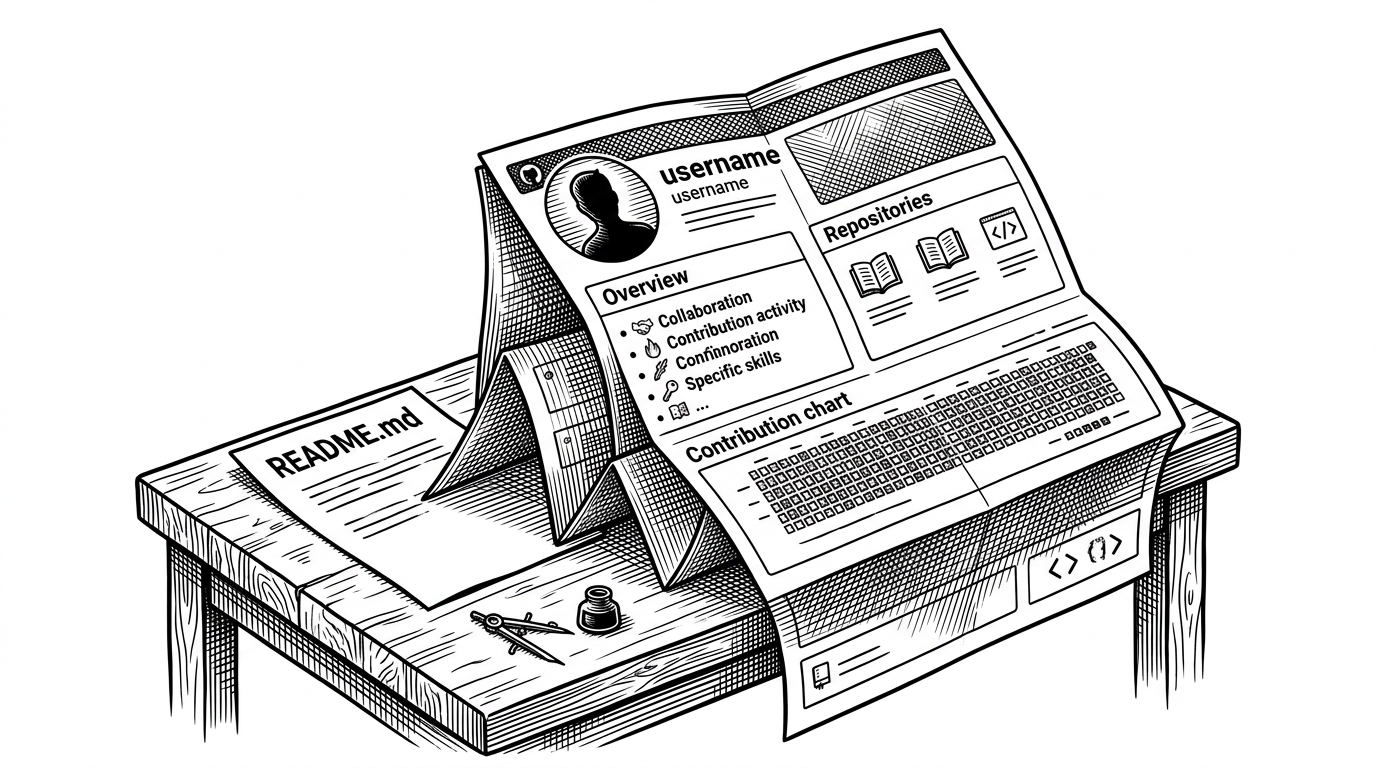
The trick is almost invisible. A repository named after the owner, with a `README.md` at the root, gets rendered at the top of that user’s GitHub profile. In practice, that means aifartist/aifartist is not just a repo. It is the public front door for a developer identity.
Config files for my GitHub profile.

A File That Talks in Signals
The README is doing three jobs at once. It introduces the person, sketches what they care about, and signals how they want to be perceived by other builders. The emoji labels are doing real work here. They make the file read like a compact interface, not a prose bio.
<!-- special repository: appears on profile -->
👋 Hi, I’m aifartist
👀 Interested in AI, SD, and high-performance software
🌱 Learning and experimenting with AI tooling
💞️ Looking to collaborate on Automatic1111
📫 Reach me through GitHub profile contact links
That structure matters because it sets a tone. It is not trying to impress with depth. It is trying to make the right kinds of things legible fast.
Why the AI Stack Mentions Matter
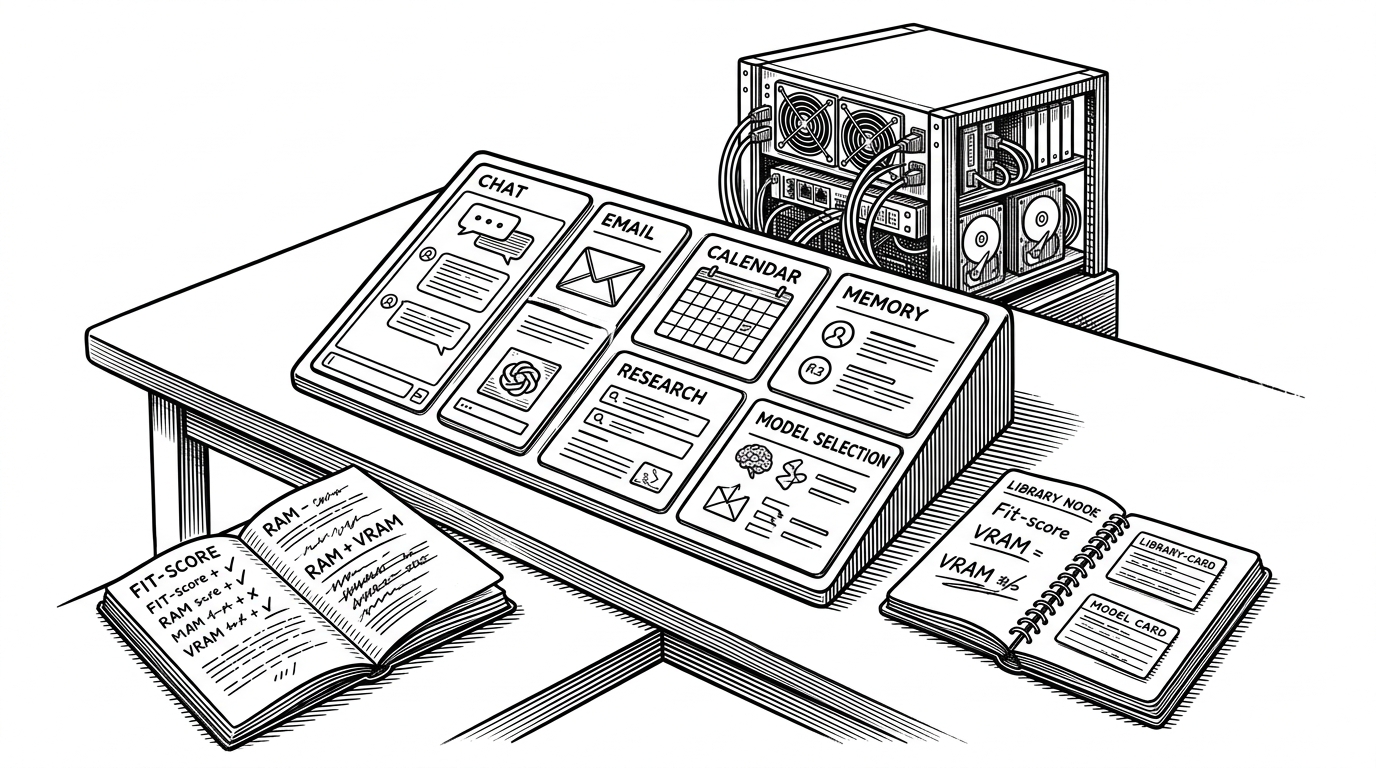
The technical names in the profile are where the personality becomes specific. Automatic1111 points to the Stable Diffusion ecosystem and the community tooling around it. voltaML and TensorRT push the signal further toward inference optimization, hardware awareness, and performance rather than generic AI enthusiasm.
| Surface | What it signals | Cost to maintain | Developer credibility |
|---|---|---|---|
| Prompt-only AI bio | Interest in models and outputs | Low | Moderate |
| Inference-aware profile | Interest in performance and deployment | Low | High |
| Generic portfolio site | Custom positioning and design taste | High | Variable |
| GitHub profile README | Native presence inside the dev platform | Very low | High |
That is the interesting asymmetry. The repo itself has almost no machinery, yet the tools it names imply a point of view that is much more technical than decorative. In a small space, it communicates taste, domain interest, and a working knowledge of the AI stack.
Not a Portfolio Site, Not a Library
A profile README sits in a strange middle category. It is not a normal open-source project, because it is not built for reuse. It is not a portfolio website either, because it depends on GitHub’s own rendering rules instead of custom infrastructure.
| Surface | Best for | Weakness | Why people use it |
|---|---|---|---|
| GitHub profile README | Low-friction identity on the platform | Limited layout control | It is native, fast, and discoverable |
| Personal portfolio site | Full design freedom | More upkeep and more decisions | It can showcase work and story in one place |
| Normal repository | Reusable code and collaboration | Not meant for identity signaling | It is the default form of open source |
The tradeoff is obvious once you see it. The README gives up freedom so it can borrow authority from the platform. That is a good deal if the goal is not to build a product, but to establish a credible presence.

What This Repo Optimizes For
The profile favors stability over motion. It does not chase live stats, animated widgets, or sprawling badges. That restraint is the point. It wants to be easy to read, easy to maintain, and immediately compatible with the platform that hosts it.
This is a branding surface for developers who want the platform itself to do the distribution work. GitHub already has the audience, the trust, and the context. The README just supplies the signal.
The Quiet Power of Convention
The larger lesson is bigger than this one repository. Open-source platforms often hide powerful identity features inside naming conventions and default rendering rules. Once you know the rule, a one-file repo stops looking trivial. It starts looking like a deliberately minimal interface to a public persona.