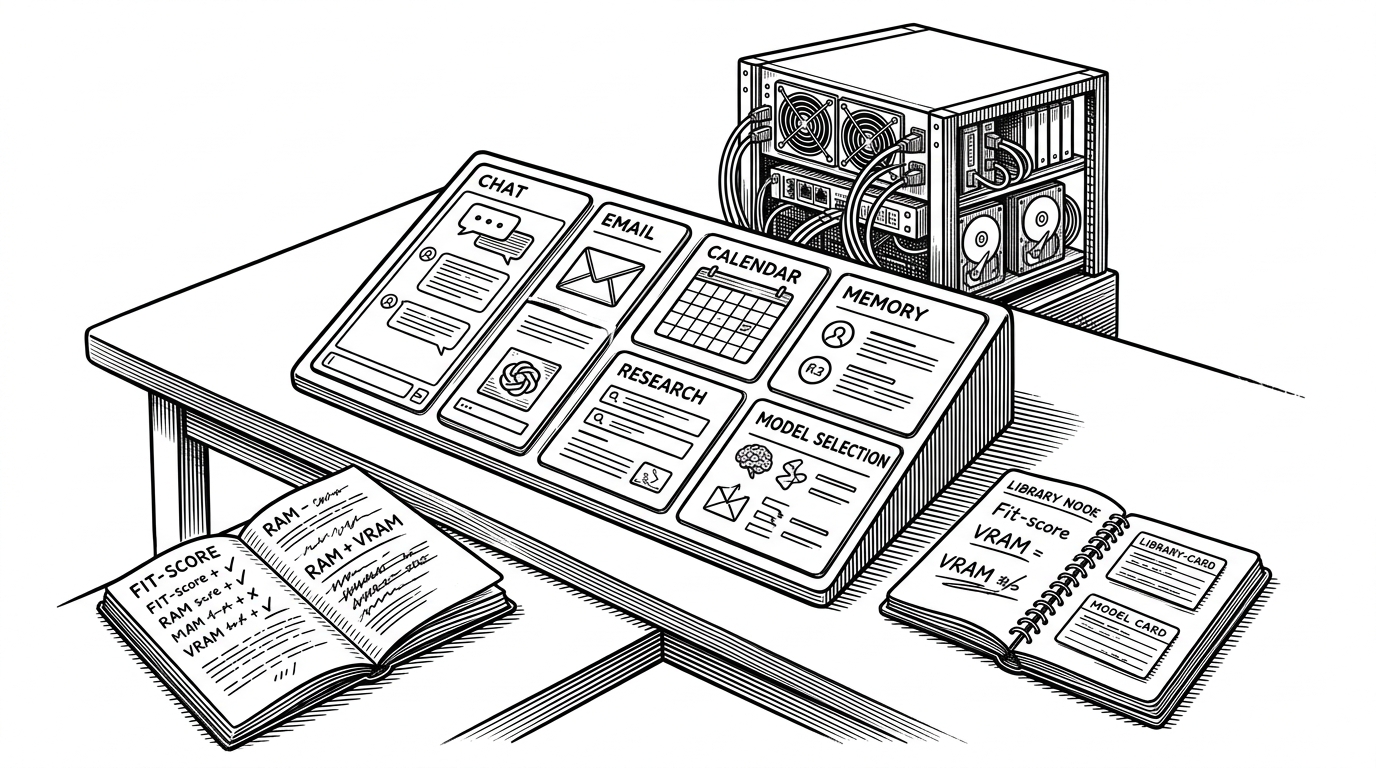
obsidian-copilot: The Portable Agent Runtime Hidden Inside Your Notes
A deep dive into the Obsidian plugin that turns vault search, tool calling, and model switching into one local-first AI workflow.
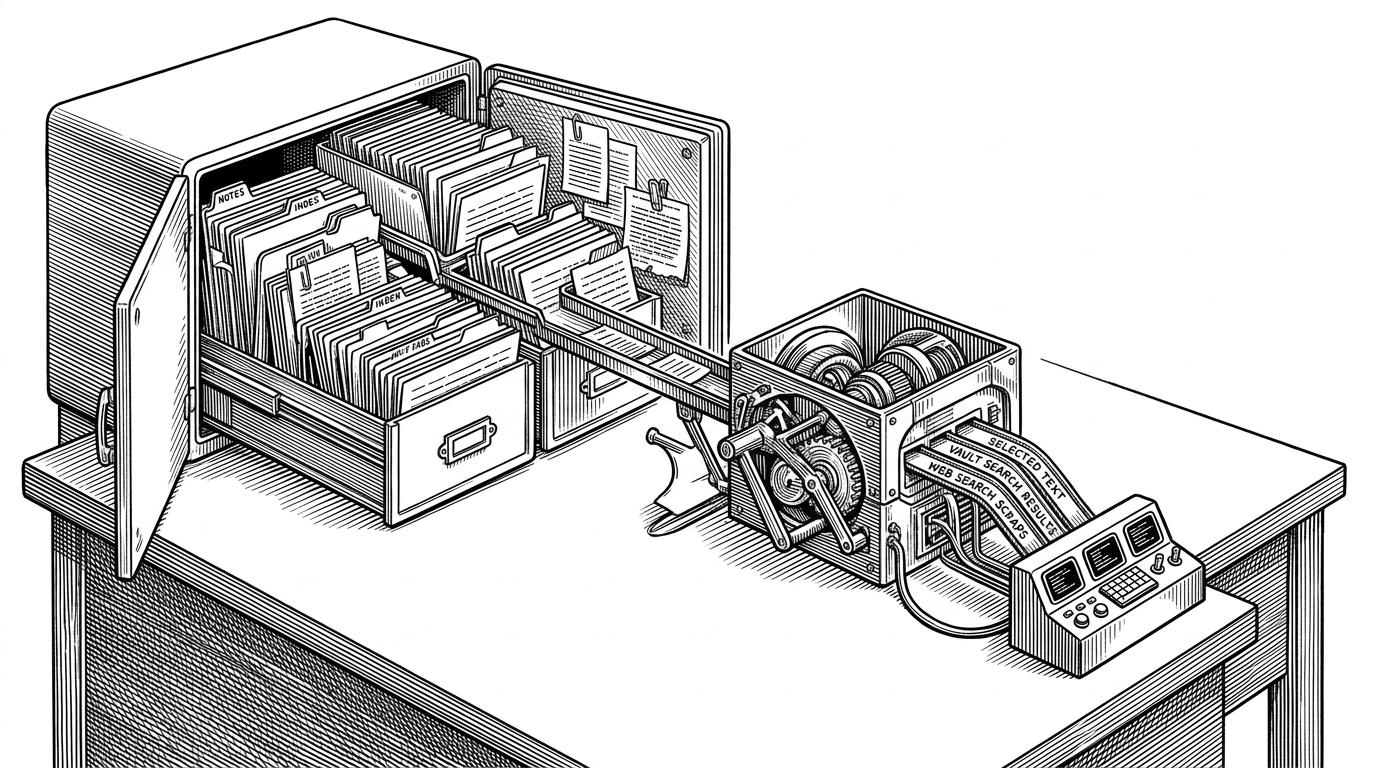
- obsidian-copilot treats context as the main product, not chat, by shaping vault notes, selection state, search, and tool results into one prompt boundary.
- Its portability comes from a model abstraction layer that keeps the same agent logic working across cloud and local providers.
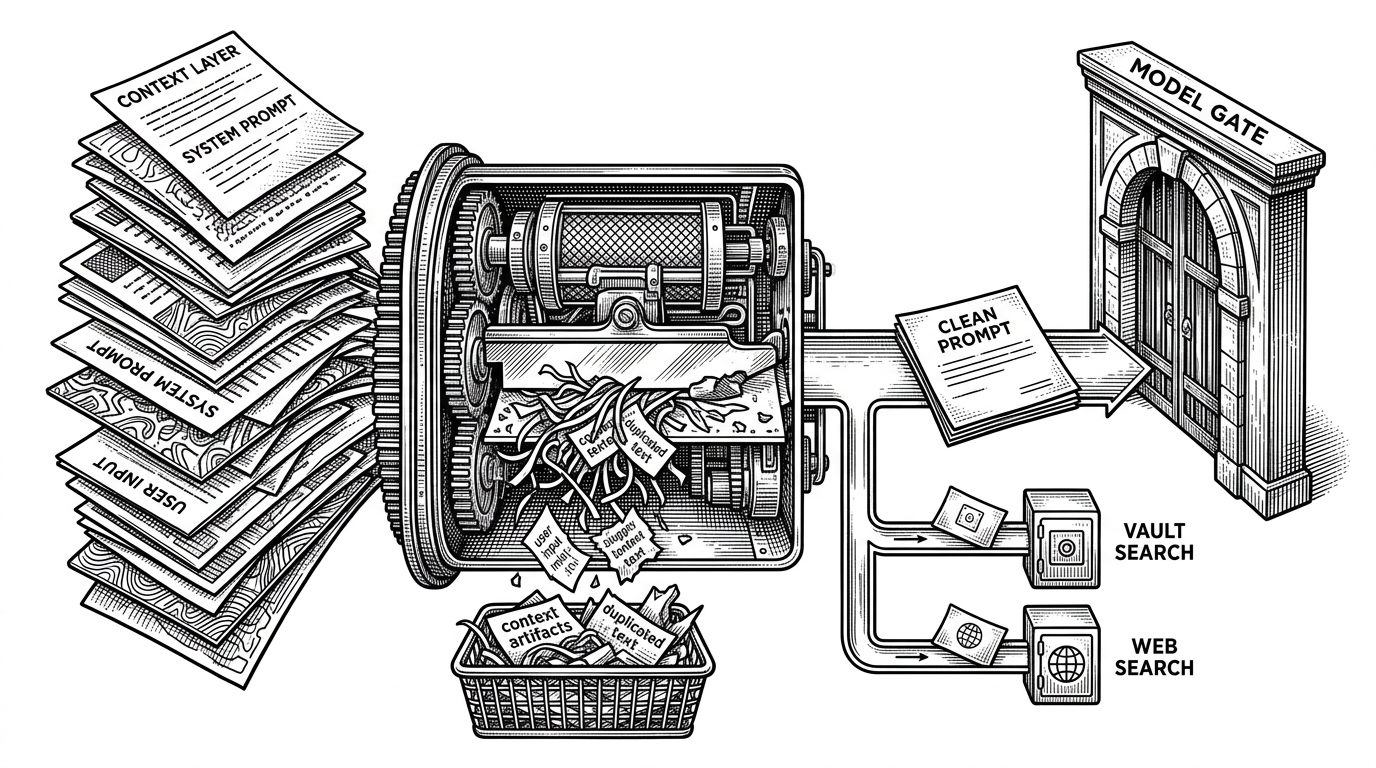
- The chain runner matters because it prunes context artifacts and preserves durable conversation state instead of letting history balloon.
- The project is aiming at infrastructure for a personal knowledge system, which is a bigger bet than a simple AI note plugin.
The first thing to understand about obsidian-copilot is that it is not really selling chat. Chat is the interface. The product is the layer underneath, where notes, selections, searches, tools, and model calls are turned into a stable agent experience.
That distinction matters. Most AI note plugins stop at prompts. This one tries to own the boundary between the vault and the model, which is where context bloat, provider quirks, and brittle workflows usually break down.
The real product is not chat. It is context
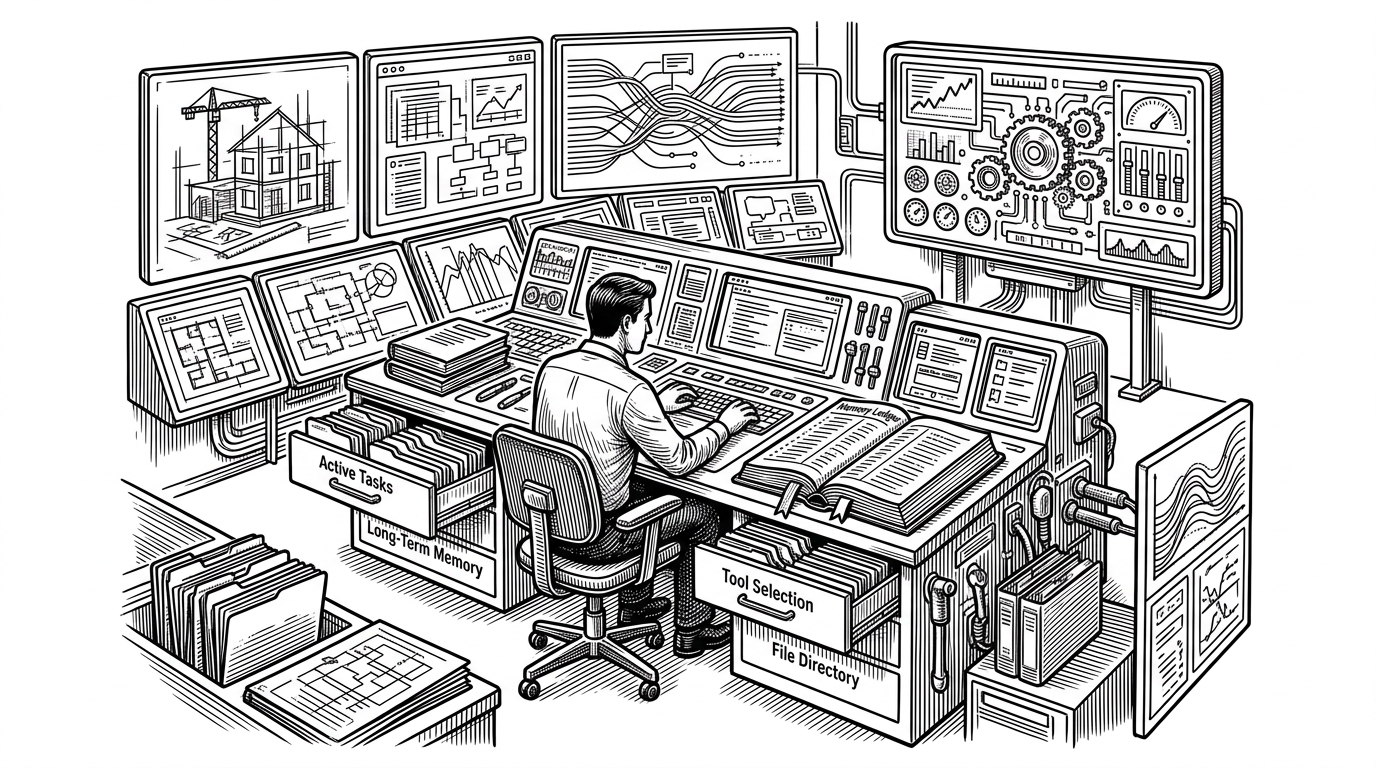
Obsidian is already a context machine. The plugin turns that latent structure into something an agent can use: selected text, note references, vault search, web search, and tool calls all feed the same conversation boundary. The goal is not to send more data to the model. The goal is to send the right data, in the right shape, with as little friction as possible.
That is why the hidden engineering problem here is prompt hygiene. If context is sloppy, the model drifts. If history is too verbose, token costs rise and the loop gets brittle. If provider behavior changes, the experience fractures.
What Obsidian users get when the plumbing disappears
The user-facing pitch is broad, but the logic is specific. You can chat with notes, ask questions across a vault, search the web, bring in YouTube or PDF material, and move into autonomous agent mode without juggling separate apps for each step. That makes the plugin feel less like a feature and more like a workspace.
It also gives power users a cleaner ownership model. The project supports bring-your-own-model setups, local search, and self-hosted paths, so the workflow does not have to collapse into one vendor or one cloud backend.
| Capability | obsidian-copilot | Simple AI note plugin |
|---|---|---|
| Provider choice | Open and model-agnostic | Often tied to one provider |
| Vault search | Built into the workflow | Usually limited or manual |
| Agentic tool use | Yes, with chained tool calls | Usually no |
| Self-host or BYOM | Supported | Rare |
| Prompt hygiene | Context pruning and layered handling | Mostly direct prompt stuffing |
| Search setup | Zero-setup vault querying plus indexing options | Often index-first or chat-only |
The portability layer: one interface, many models
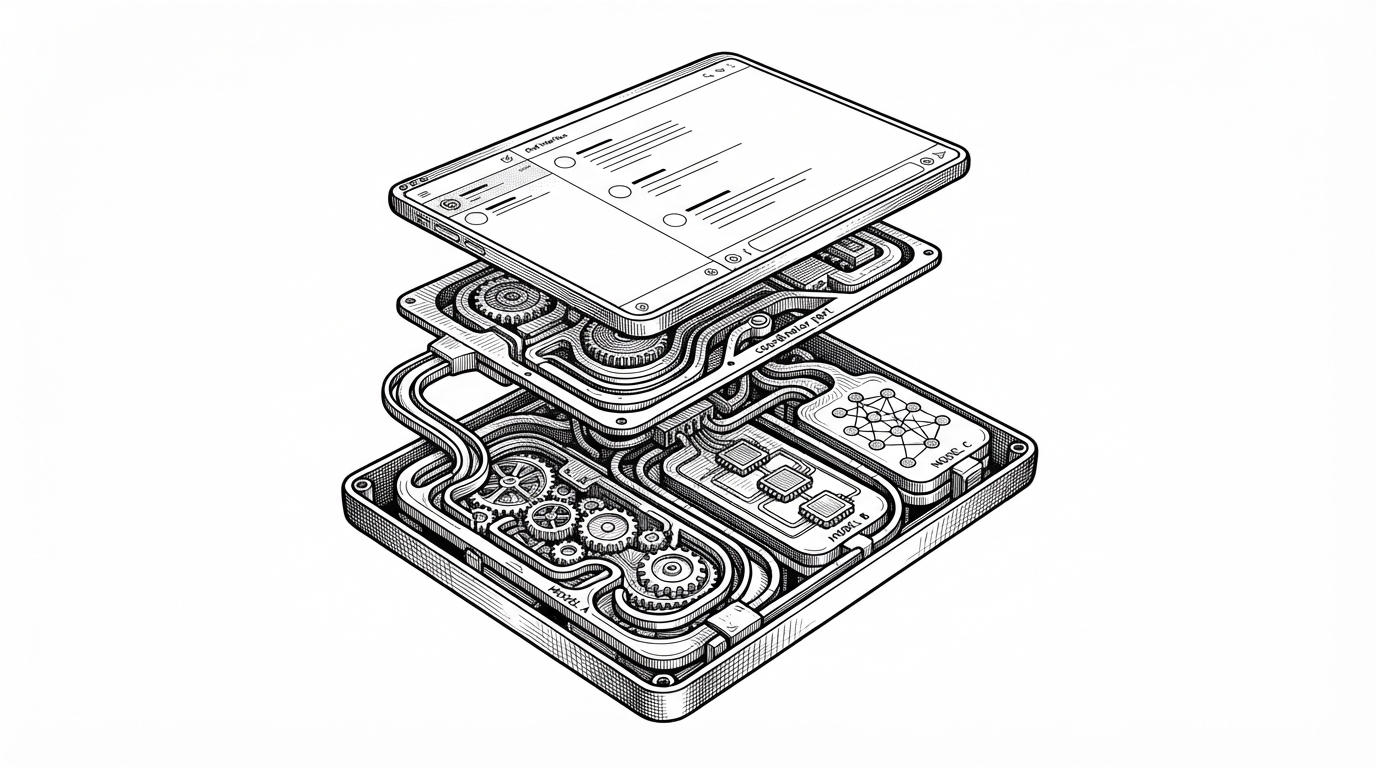
The portability story lives in the provider abstraction, especially chatModelManager.ts. That layer makes the rest of the system model-agnostic, so the same agent logic can talk to OpenAI, Anthropic, Ollama, Azure, Bedrock, and other backends without rewriting the workflow.
This is where the anti-lock-in claim becomes real. The code does not just accept different model names. It normalizes provider quirks, handles token counting fallbacks, and smooths over things like Azure URL formatting so the agent can keep moving.
| Portability concern | How obsidian-copilot handles it | Why it matters |
|---|---|---|
| Token counting | Fallback estimation when provider tokenization is unavailable | Keeps offline and firewalled setups usable |
| Provider quirks | Normalization layers for backend-specific behavior | Prevents one model from breaking the chain |
| Model switching | Shared agent logic over a unified interface | Users can swap providers without redesigning the workflow |
| Local support | Compatible with local and self-hosted backends | Preserves data control and reduces lock-in |
The important point is not that many providers are supported. It is that provider diversity does not leak upward into the user experience. That is what makes the runtime portable.
How the chain runner keeps prompts from eating themselves
The chain runner is the technical centerpiece. BaseChainRunner manages how responses are handled, including the special treatment of L5 messages. The plugin preserves the useful part of the exchange while stripping out context artifacts so chat history does not become a pile of repeated prompt baggage.
That design choice is subtle, but it is the difference between a demo and a durable system. An agent loop can only stay useful if every turn does not reintroduce the entire mess of previous turns.
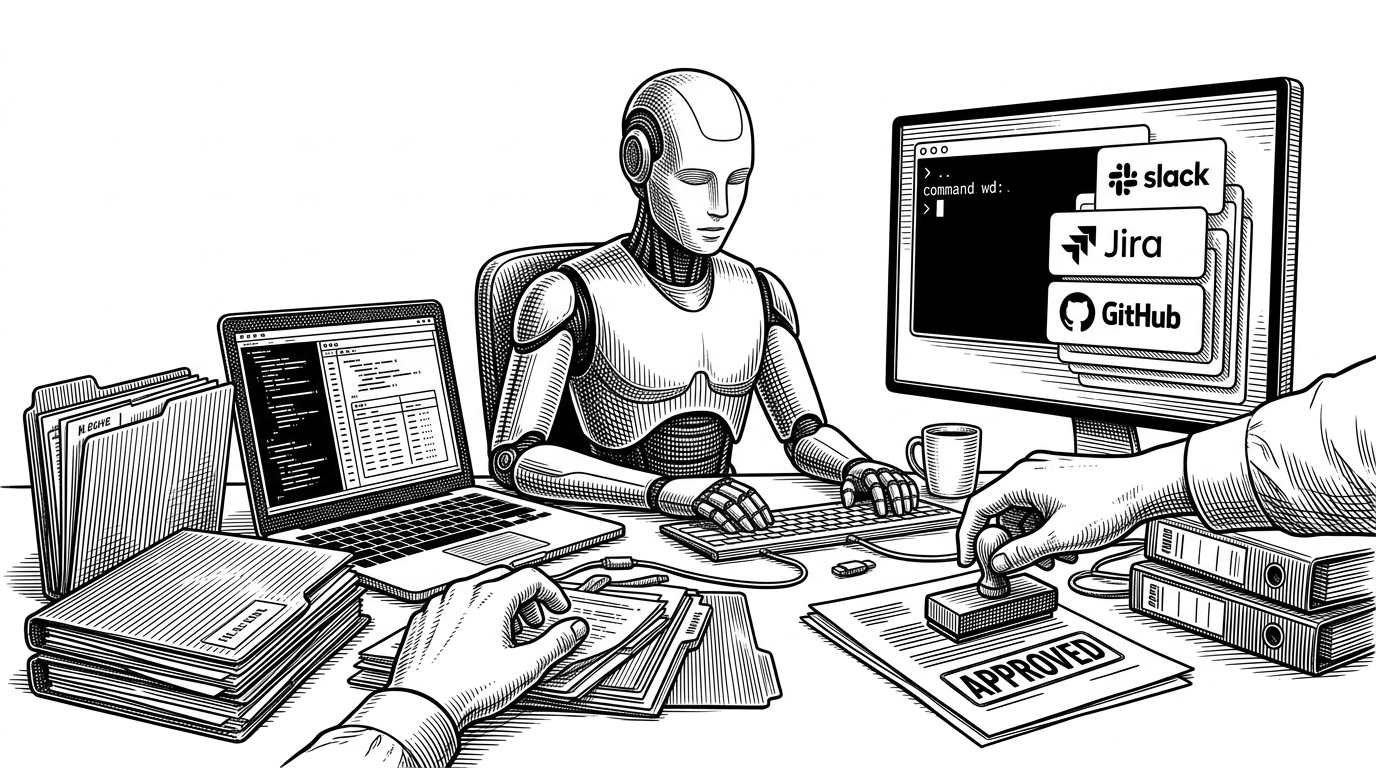
The autonomous runner then adds the other half of the story. It can loop through search, tool use, and final answer generation while keeping the conversation state coherent. In practice, that means the model can act, observe, and respond without the whole session collapsing into token noise.
// Conceptual shape of the loop
const prompt = assembleContext({
  userInput,
  selectedText,
  vaultData,
  searchResults,
  toolOutputs,
});

const response = await llm.generate(prompt);
const parsed = toolCallParser(response);

if (parsed.needsTool) {
  const toolResult = await runTool(parsed.toolName, parsed.args);
  return continueLoop(toolResult);
}

saveToHistory(stripArtifacts(response));
Why XML-style tool calls beat brittle JSON
The repo uses XML-style markers for tool interaction, which is a practical answer to a very old LLM problem: outputs are often messy. JSON looks elegant until the model drops a brace or invents a field. XML markers are easier to parse reliably in a looping system where one malformed tool call can derail the whole exchange.
This is not a stylistic preference. It is an uptime choice. In an autonomous agent, the parser is part of the product.
| Tool-call format | Strength | Weakness |
|---|---|---|
| XML markers | Easier to detect and recover from in noisy model output | Less compact than pure JSON |
| Raw JSON | Readable and structured when perfect | Fragile under generation errors |
| Free-form text | Flexible | Hard to automate safely |
Search without ceremony
The search strategy is deliberately low-friction. New users can query their vault right away with minisearch, while more advanced setups can layer in semantic search and indexing. The product philosophy is clear: get value first, deepen the stack later.
That order matters for adoption. If search demands a heavy setup before it becomes useful, the agent feels like infrastructure work instead of a helper. Here, search is a native behavior, not a project.
| Search approach | Trade-off | Best fit |
|---|---|---|
| Zero-setup lexical search | Fast to start, easy to understand | Most users and most vault QA |
| Indexed semantic search | More powerful retrieval | Larger or more complex vaults |
| Hybrid search | Balanced default with room to grow | Power users who want both speed and depth |
Why this is more than an Obsidian plugin
Compared with simpler note-chat plugins, obsidian-copilot is trying to become infrastructure. It is not only answering questions about notes. It is defining the boundary where personal knowledge, tool use, and model behavior meet.
That is a bigger bet than a UI wrapper. A wrapper can be replaced when the next model comes along. A runtime that owns the workflow boundary is harder to dislodge.
| Category | Simple note AI | Cloud-first copilot | obsidian-copilot |
|---|---|---|---|
| Owns vault boundary | No | Partially | Yes |
| Model agnostic | Sometimes | Often no | Yes |
| Local-first path | Rare | Limited | Yes |
| Agentic loops | Usually no | Sometimes | Yes |
| Prompt debugging | Minimal | Hidden | Explicit |
The origin story and the maintainer’s bet
That origin story is simple, but the architecture it led to is not. The project evolved from a convenience layer into a full agentic system with self-host options, vault-aware search, and a strong bias toward data ownership.
The strategic bet is clear. If knowledge work is increasingly mediated by agents, then the winning experience will not be the prettiest chat box. It will be the one that can live inside your own system, keep its context clean, and let you change models without rebuilding your habits.