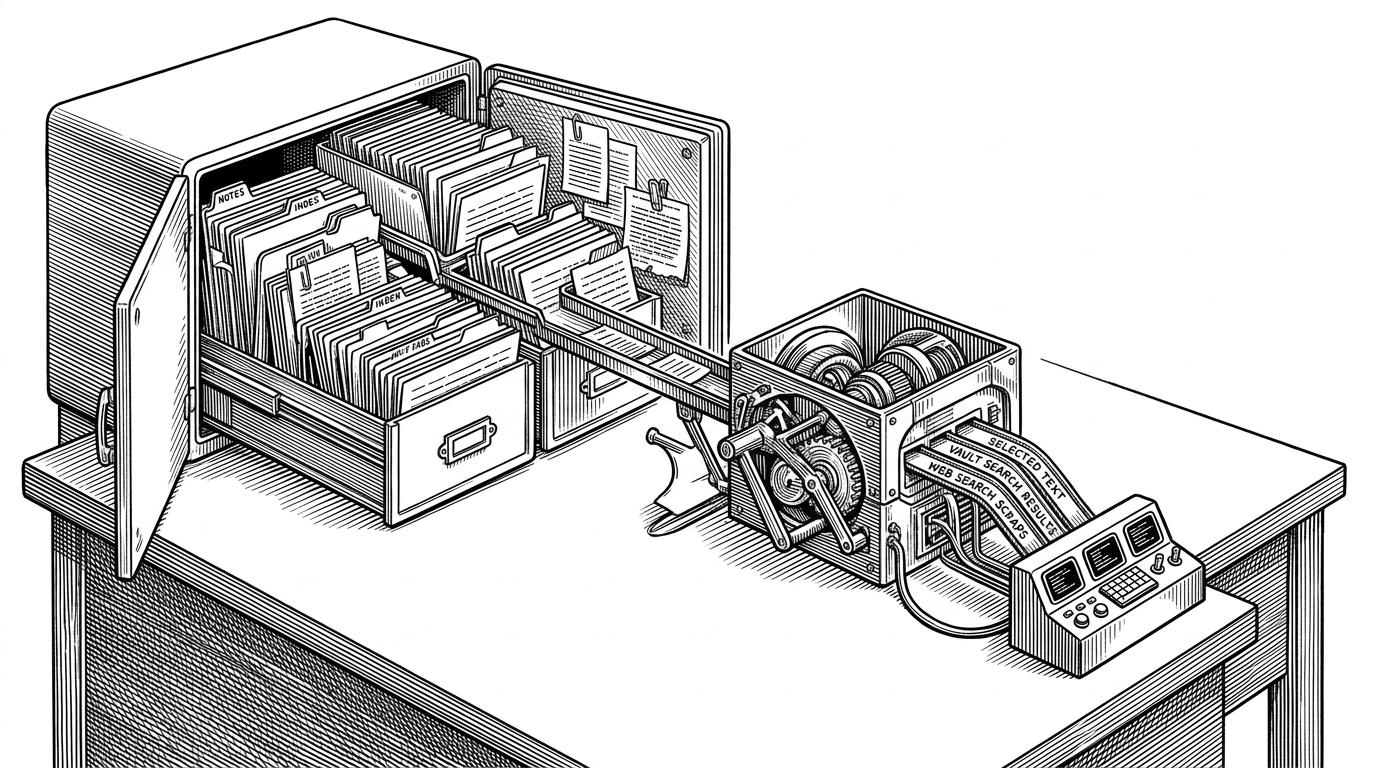
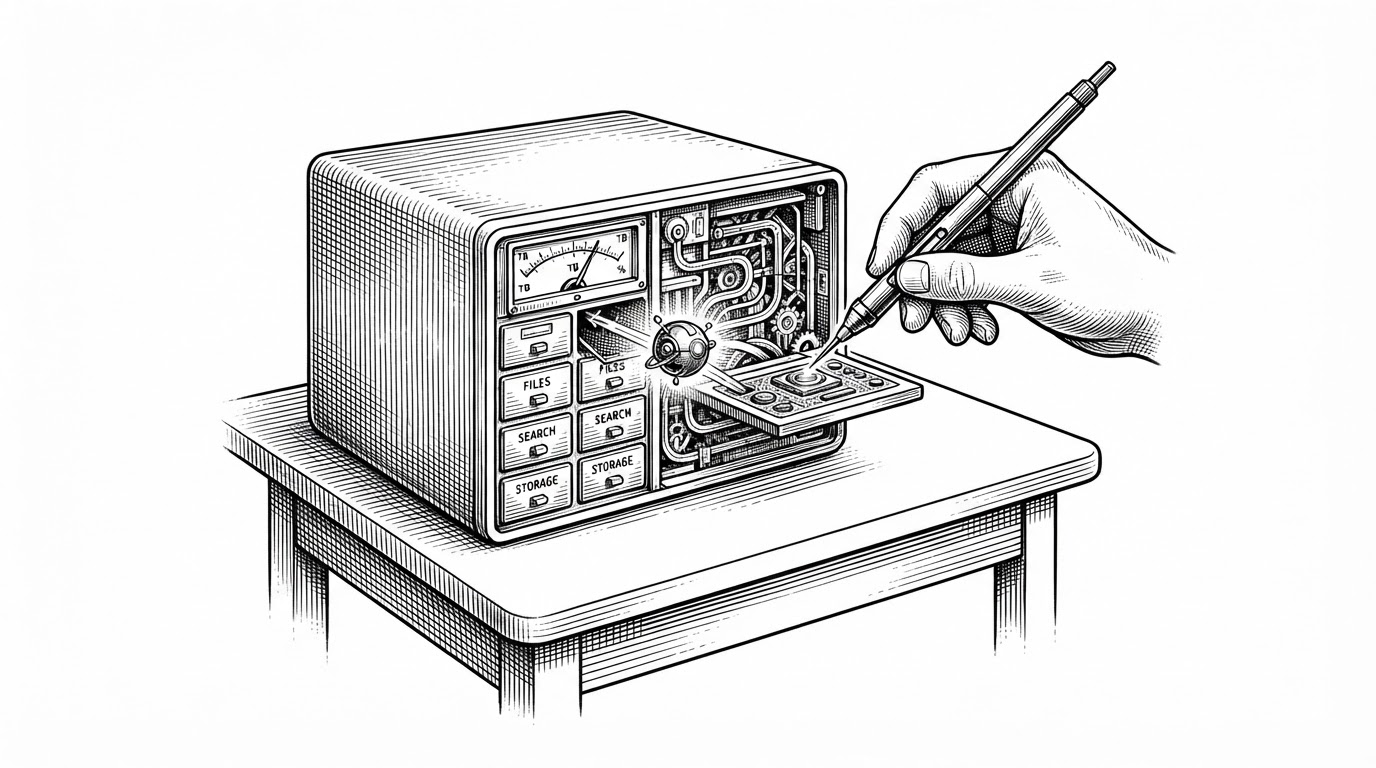
PilotDeck: The Agent OS That Treats Memory, Files, and Background Work as First-Class Citizens
A close look at the open-source system pushing beyond chat into persistent WorkSpaces, white-box memory, smart routing, and always-on execution.
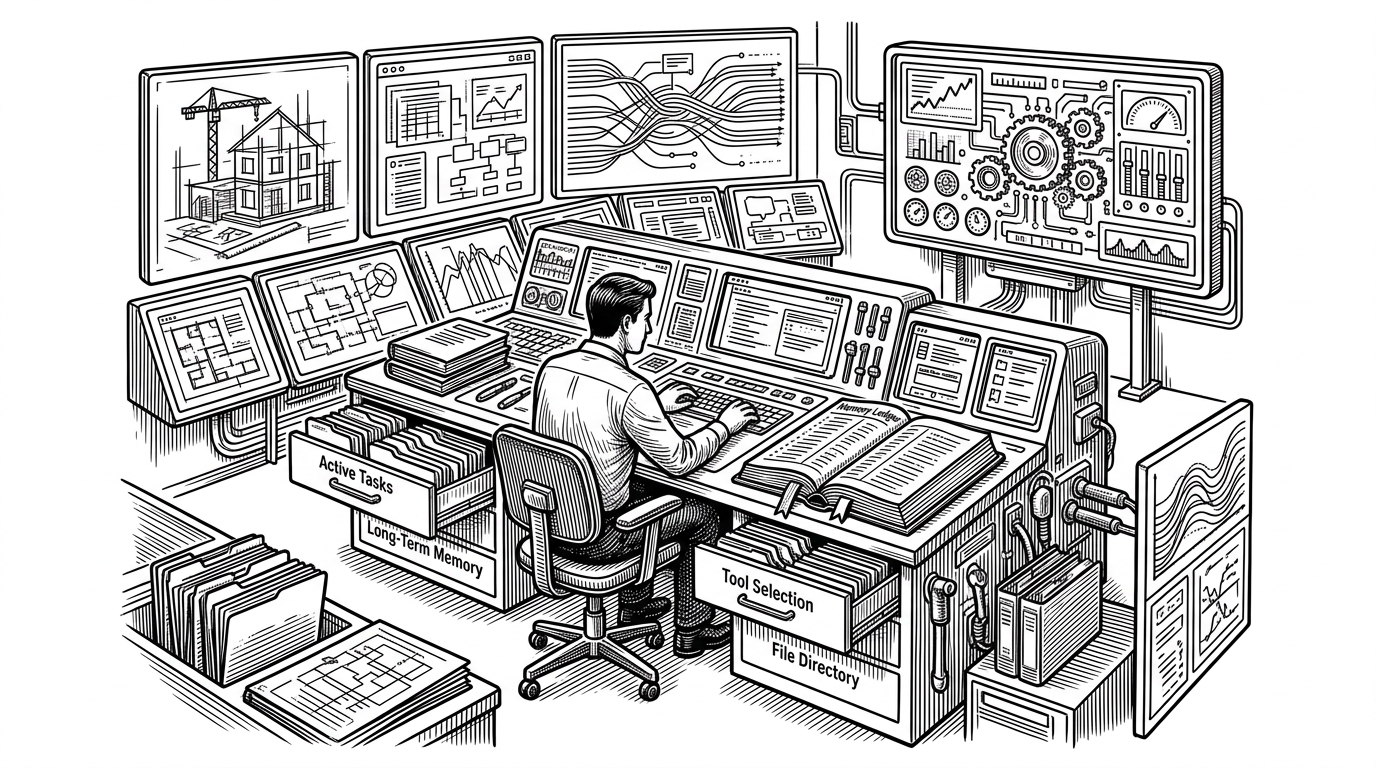
- PilotDeck’s real unit is the WorkSpace, not the conversation, so files, memory, skills, and execution stay scoped to a project instead of bleeding across tasks.
- Its white-box memory turns agent state into something users can inspect and edit, which makes persistence feel operational rather than mystical.
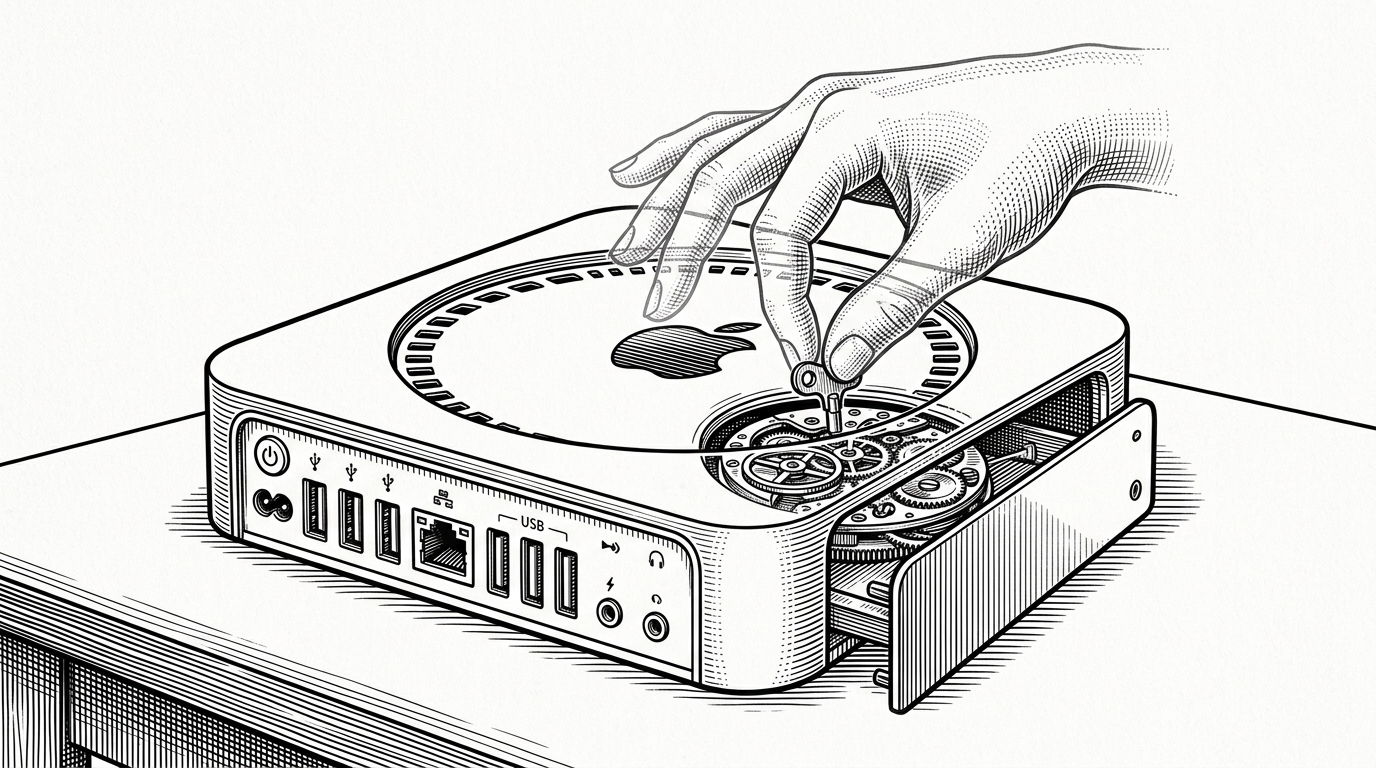
- The loop is designed to keep working in the background, with snapshots, recovery, and structured sub-agent reporting to survive interruptions.
- Smart routing makes the whole idea economically plausible by matching model cost to task complexity instead of burning flagship tokens on everything.
Why PilotDeck Rejects the Chat Box
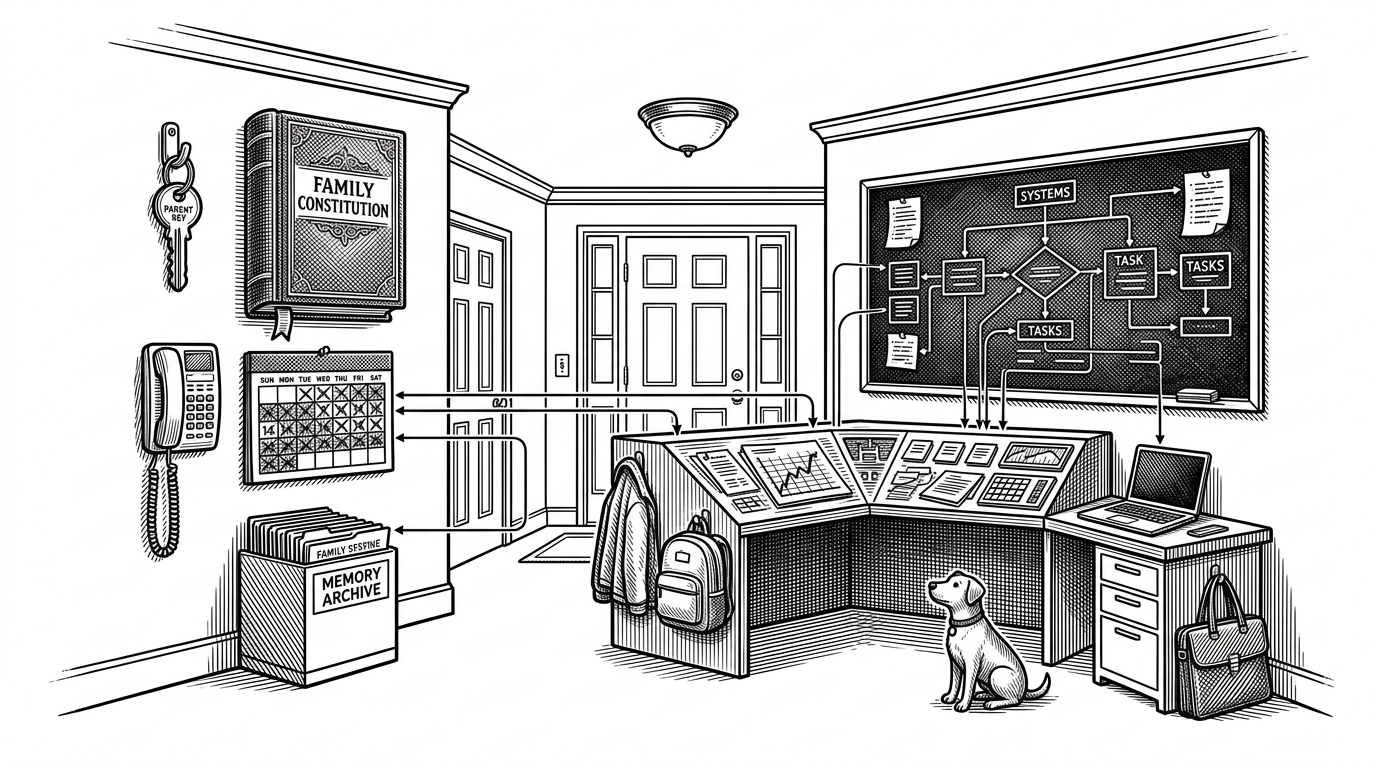
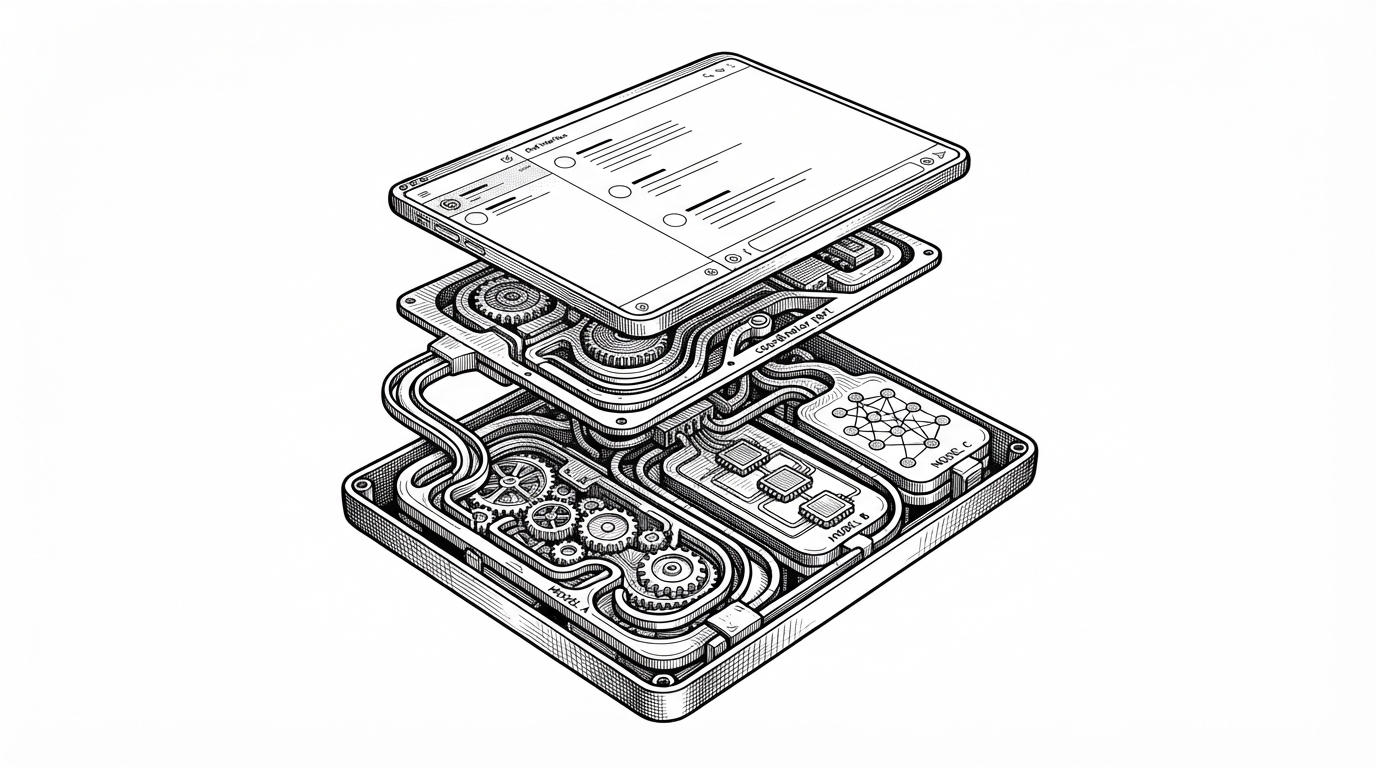
PilotDeck is not trying to be a better chatbot. It is trying to be a persistent operating environment for agentic work, where the basic unit is a WorkSpace, not a conversation. That shift matters because real work is scattered across files, tasks, failures, and follow-ups, not a single prompt stream.
PilotDeck is an open-source agent operating system designed around the concept of "WorkSpace". It is jointly developed and open-sourced by Tsinghua University THUNLP, ModelBest, OpenBMB, and AI9Stars. Targeting general-purpose, multi-task scenarios, PilotDeck is built to be a true productivity tool for the Agent era.
That is the product thesis in one sentence. PilotDeck is betting that agents should feel less like a prompt box and more like a cockpit, with state that persists when you leave and resumes when you come back.
The WorkSpace Is the Real Product
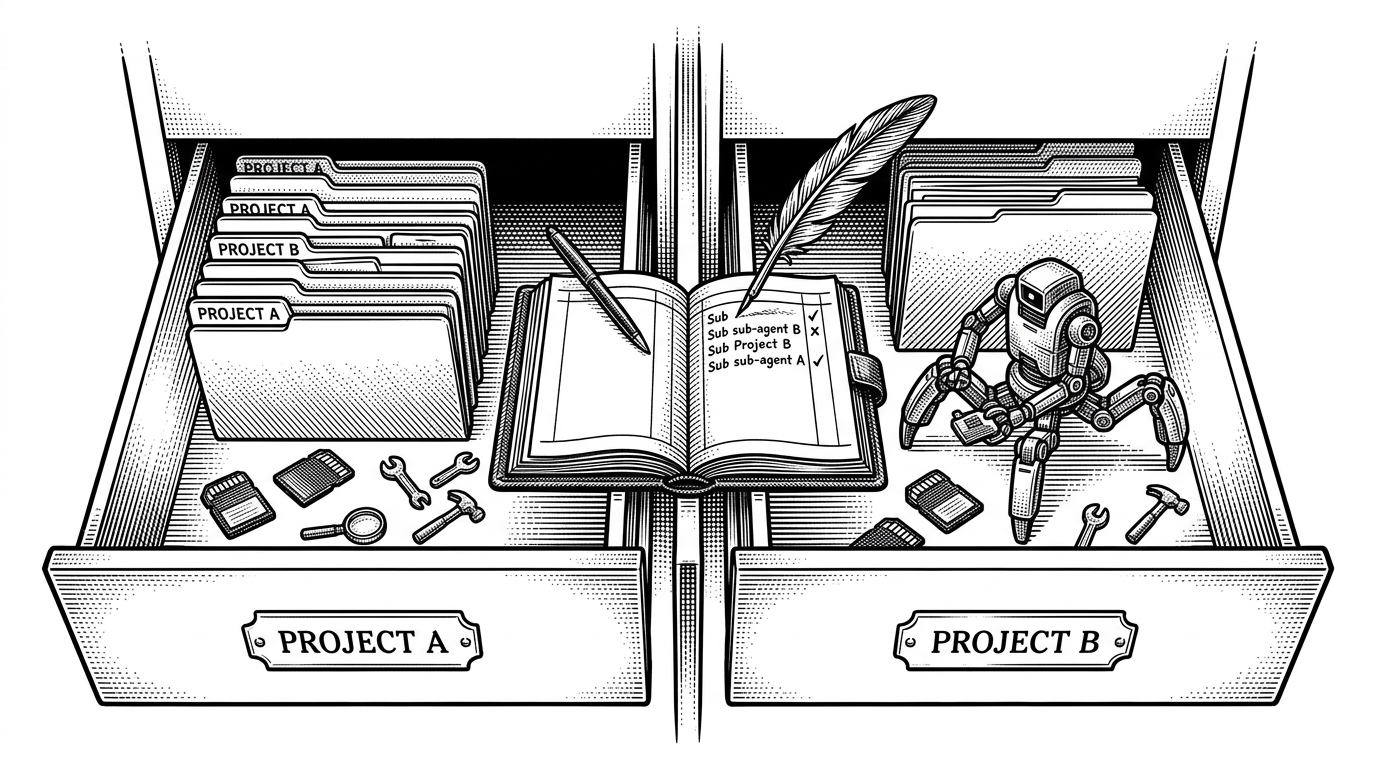
The repo’s core move is isolation. Files, memory, and skills are scoped to a project so the agent can work on Project A without polluting Project B. That is a small idea with large consequences: context becomes portable, recoverable, and easier to reason about.
| Dimension | PilotDeck | Typical chat agent |
|---|---|---|
| Core unit | WorkSpace | Conversation thread |
| State boundary | Files, memory, and tools are scoped per project | State often lives in one shared context |
| Persistence | Snapshots and resume are part of the design | Usually session-bound or brittle across interruptions |
| Sub-task handling | Structured, scoped sub-agents | Loose delegation or ad hoc tool calls |
| Best fit | Long-running multi-project work | Single-turn assistance or short bursts |
White-Box Memory Makes the Agent Inspectable
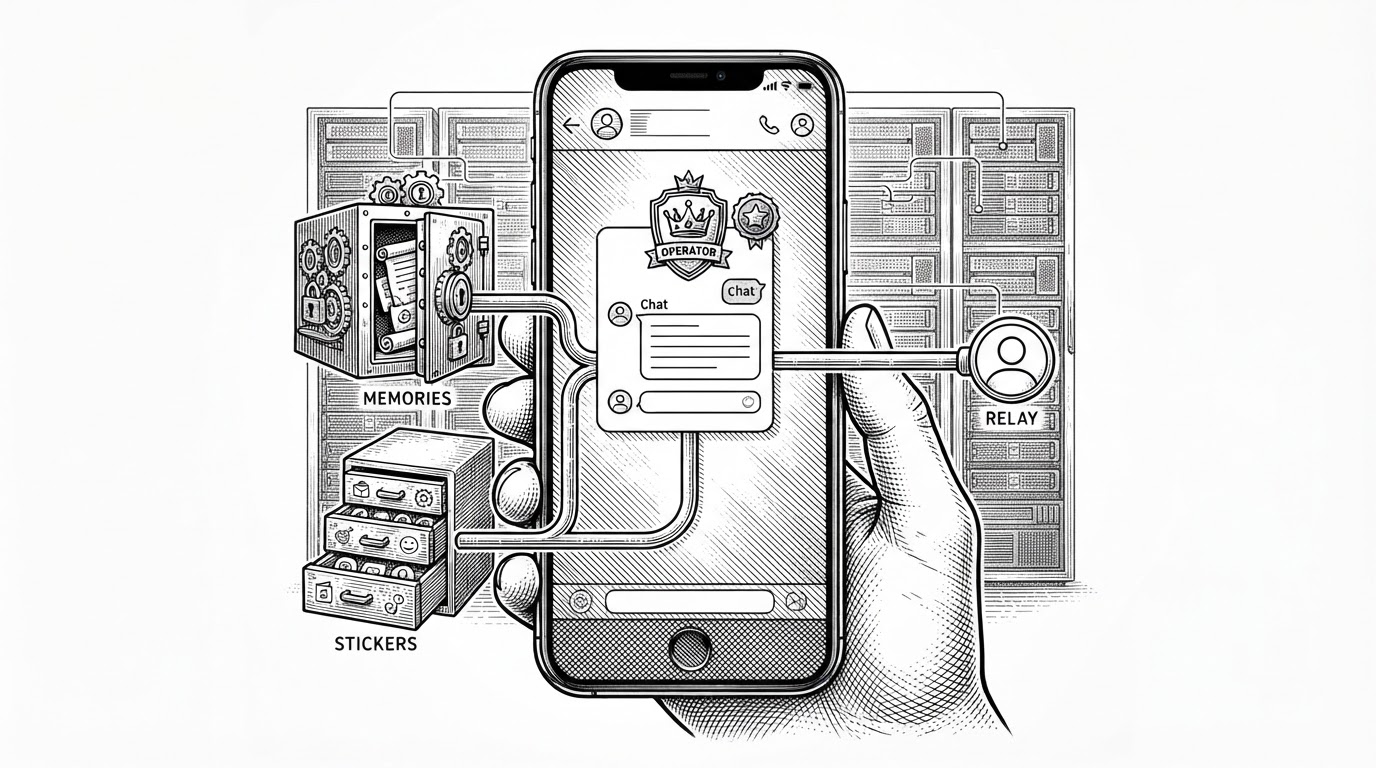
PilotDeck treats memory as a control surface, not a hidden vector soup. The repository’s white-box memory idea makes the agent’s state visible, traceable, and editable, which is a very different promise from “trust the model, it remembers.”
That matters because long-running systems fail in boring ways. They forget what they were doing, merge unrelated tasks, or carry stale assumptions forward. PilotDeck’s answer is to make the state legible enough that a human can inspect the machine before the machine drifts too far.
The most interesting implication is not philosophical. It is operational. If memory is visible, users can fix it. If users can fix it, agents become easier to trust in ongoing work.
Inside the Loop: How the Agent Keeps Going
The execution core is built around an AsyncGenerator event stream in AgentLoop, which lets the UI observe more than final text. It can stream tool calls, state changes, and recovery steps as the agent runs.
// Simplified from the agent loop pattern
async function* run(task) {
  while (!done) {
    const modelOutput = await callModel(state)
    if (!isValid(modelOutput)) {
      state = selfCorrect(state)
      continue
    }

    const events = await executeTools(modelOutput)
    state = applyEvents(state, events)

    if (shouldSnapshot(state)) {
      yield { type: 'snapshot', state }
    }

    yield { type: 'update', state }
  }
}
That structure makes the system resilient in ways a chat transcript is not. The loop can self-correct malformed output, stop after too many bad turns, and serialize runtime state so the agent can be resumed later without losing its place.
Sub-Agents Are Scoped, Not Free-Range
PilotDeck does support delegation, but it is delegation with guardrails. Parent agents fork sub-agents with a scoped registry, which means the child only sees the tools it actually needs. That reduces accidental context leakage and makes the task boundary explicit.
Just as important, the sub-agent returns a structured report instead of a raw, wandering transcript. That is a small but serious product decision. Structured output is easier to validate, route, and store than another blob of model prose.
| Aspect | PilotDeck sub-agents | Loose agent delegation |
|---|---|---|
| Tool access | Scoped to the task | Often broad or inherited |
| Output | Structured report | Free-form transcript |
| Risk of leakage | Lower | Higher |
| Best use | Bounded sub-tasks | Exploratory chatter |
Smart Routing Is the Cost Story
Always-on agents are only useful if they can afford to stay on. PilotDeck’s routing layer treats model choice as an economic control, not just a quality setting. The system can downshift to cheaper models for simpler work and reserve bigger models for harder tasks.
That is the practical answer to the background-agent dream. If every tiny action consumes premium tokens, the product dies by invoice. If the system can route intelligently, background execution becomes something a team can actually sustain.
| Routing goal | PilotDeck | Naive agent stack |
|---|---|---|
| Cost control | Task-aware model selection | One expensive model for everything |
| Cache behavior | Routing is part of the system design | Routing often breaks continuity |
| Operational fit | Built for always-on work | Built for bursty prompting |
PilotDeck’s own framing makes the point clearly: it is an incremental exploration around long-running productivity, white-box memory, and tracked token cost. In other words, the repo is not chasing novelty for its own sake. It is trying to make agency economically survivable.
How PilotDeck Stacks Up
PilotDeck belongs to the same broad family as AutoGPT and BabyAGI, but the philosophy is different. The early autonomous agents popularized the loop. PilotDeck is trying to build the operating environment around it.
| Project | Core philosophy | What stands out |
|---|---|---|
| AutoGPT / BabyAGI | Autonomous task loops | Popularized the idea of agents that plan and execute |
| Claude Code / Cursor | IDE-centric coding workflows | Deep integration with development environments |
| Claude Cowork | Project-level isolation | A closer cousin on workspace boundaries |
| PilotDeck | Persistent agent OS | White-box memory, background execution, scoped sub-agents, smart routing |
That distinction matters. PilotDeck is not merely “better chat” or even “better coding help.” It is a different category: a persistent system for multi-project work that can keep going after the user stops watching.
What This Repo Is Really Betting On
PilotDeck’s wager is straightforward. If AI is going to become useful for real work, it needs a stable unit of organization, inspectable memory, background execution, and a cost model that does not collapse under its own ambition. The WorkSpace is the answer to the first problem. White-box memory answers the second. Smart routing answers the third.
The strongest version of the project is not a flashy demo. It is a boring, dependable system that can sit between people and long-running work without losing state, wasting tokens, or turning every task into a fresh conversation. That is a much harder product to build than a chatbot, and a more interesting one.