ZimaOS-MCP: The Repo That Tries to Make a NAS Speak MCP
A small TypeScript server, a Python generator, and a bigger idea: turning a personal cloud OS into an AI-native control surface.
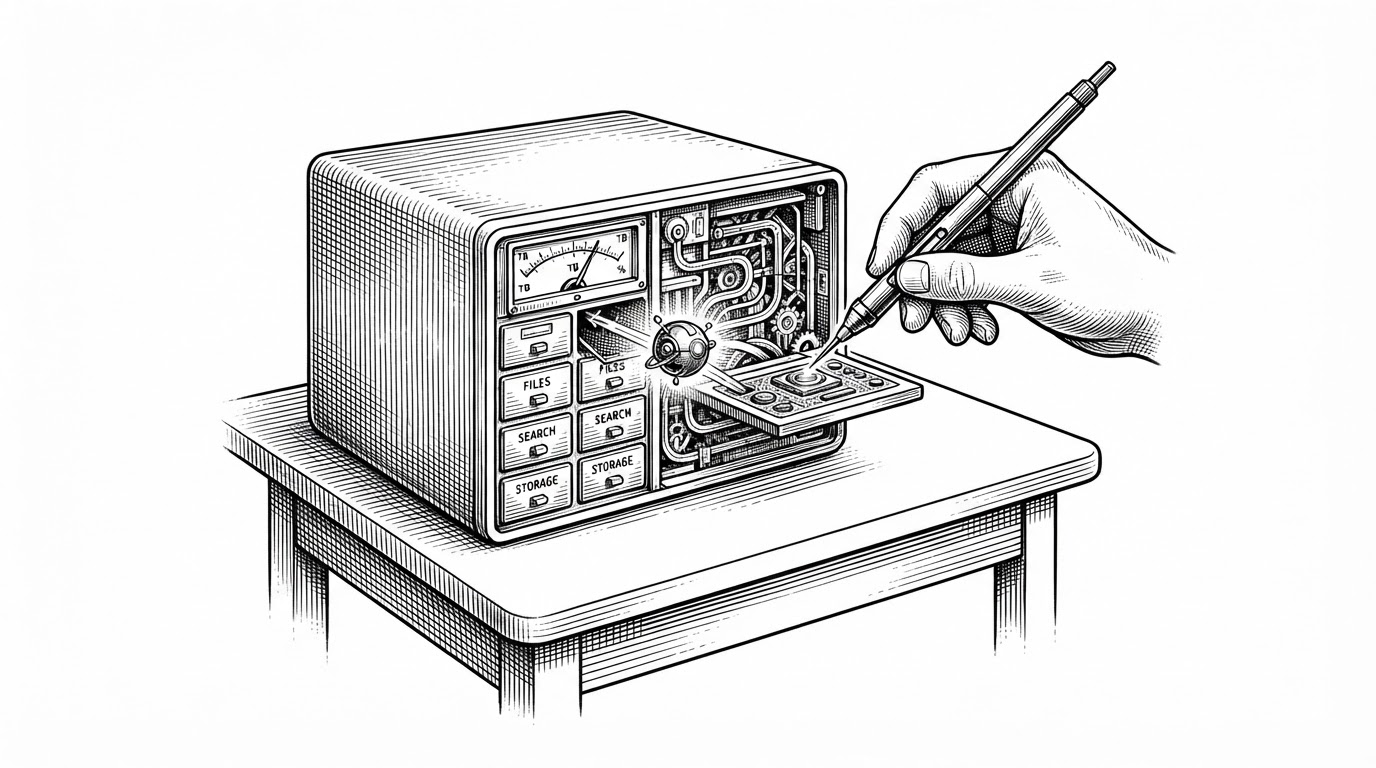
- ZimaOS-MCP is interesting because it treats a NAS as an agent-operable system, not just a storage box with APIs.
- Its real edge is not the current tool list, but the idea of generating MCP tools from ZimaOS OpenAPI specs at scale.
- The repo optimizes for model readability, with compact outputs and scoped API wrappers instead of raw shell access.
- The project feels early, but it points toward a broader interface layer for local AI control of personal infrastructure.
From NAS UI to agent-native control
ZimaOS-MCP is not trying to be another file browser for AI. It is trying to make ZimaOS itself readable to an agent, so a model can ask for files, storage, and search results as structured actions instead of clicking through a web UI. That is a different interface philosophy. It turns a personal cloud OS into something closer to an operating surface for software.
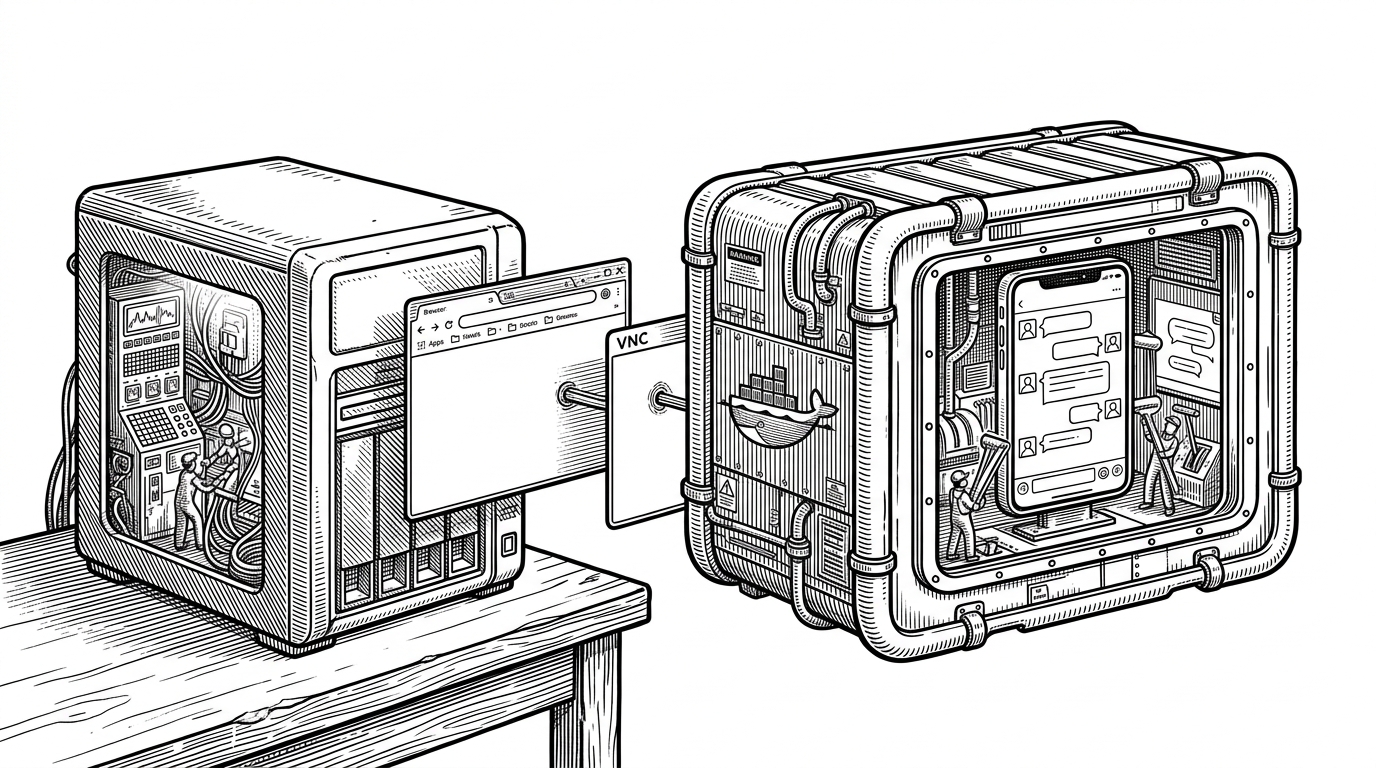
That matters because ZimaOS already sits in a good place for this experiment. It is local, appliance-like, and built around a defined API surface. MCP gives it a standard way to expose that surface to assistants like Claude Desktop without inventing a new protocol for every client.
What the server actually does
The flow is simple on the surface. An MCP client sends a request, the server logs into ZimaOS, and the right tool forwards the call to the right API. The repo does this with a small TypeScript core and a set of focused tools under src/tools/.
export const ListDirectoryTool = new MCPTool({
  name: 'list_directory',
  description: 'List files and folders in a directory',
  schema: z.object({
    path: z.string()
  }),
  handler: async ({ path }) => {
    const res = await FileAPI().getFiles({ path });
    return res.data
      .map((file) => `${file?.is_dir ? '[DIR]' : '[FILE]'} ${file?.name}`)
      .join('\n');
  }
});
The quiet trick: it speaks in LLM-shaped output
The best detail in the repo is not flashy. It is the formatting. Instead of dumping raw JSON and asking the model to parse it, tools like ListDirectoryTool flatten the result into labeled lines. That saves tokens, reduces noise, and gives the model a cleaner shape to reason over.
That is a small UX decision with a large implication. It says the server is not just a proxy. It is already optimizing for model consumption. The output is shaped for reading, not just transport.
Why generate.py matters more than it looks
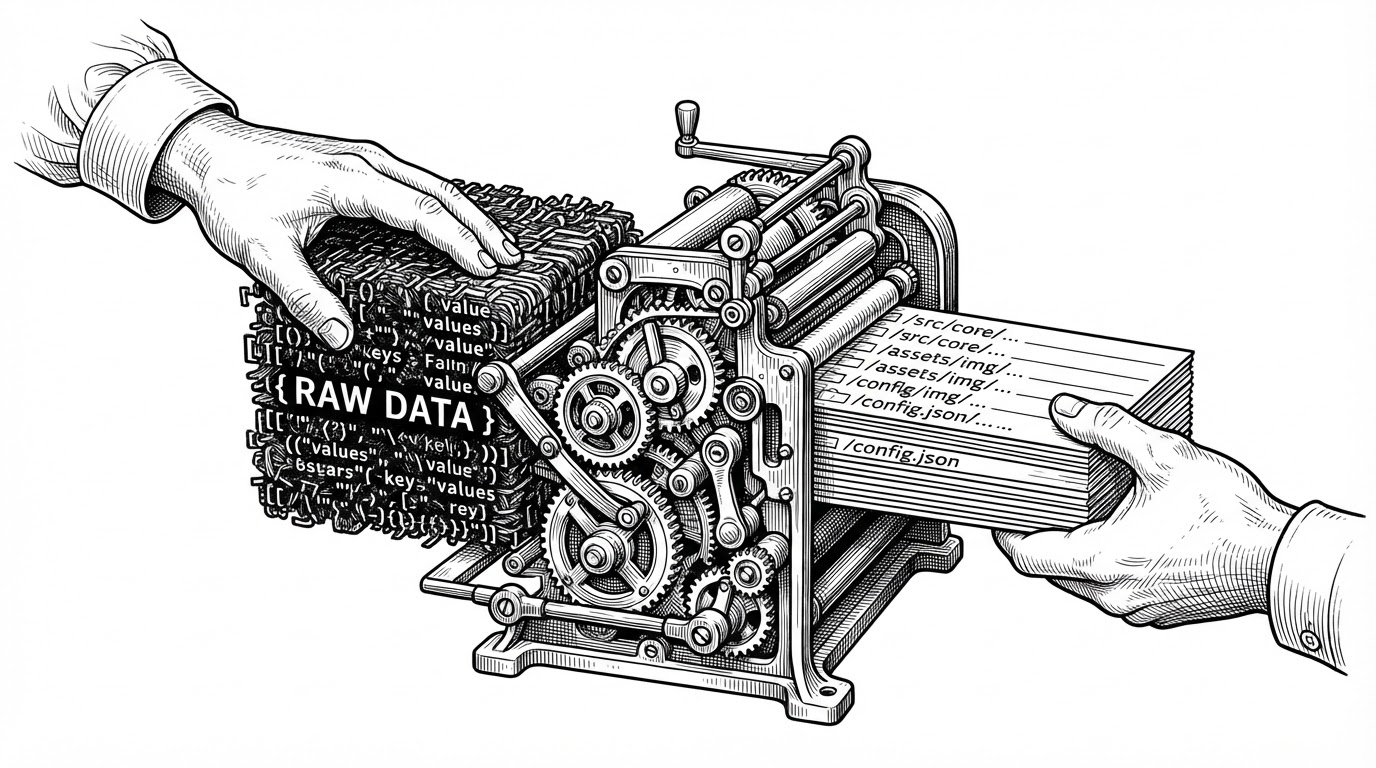
This is the repo’s real differentiator. generate.py hints at a compiler-like future where OpenAPI specs become MCP tools automatically. That is much bigger than hand-writing wrappers for a few endpoints.
If that pipeline matures, ZimaOS-MCP stops being a small adapter and becomes an interface generator. New APIs can turn into new tools without a human authoring every method, schema, and response shape by hand. That is the kind of scaling story that matters in an AI-native system.
def generate_tool(spec, name):
    tool_class = f"{name}Tool"
    schema = build_zod_schema(spec)
    return f"class {tool_class}(MCPTool): ..."
The building blocks: auth, factories, tools
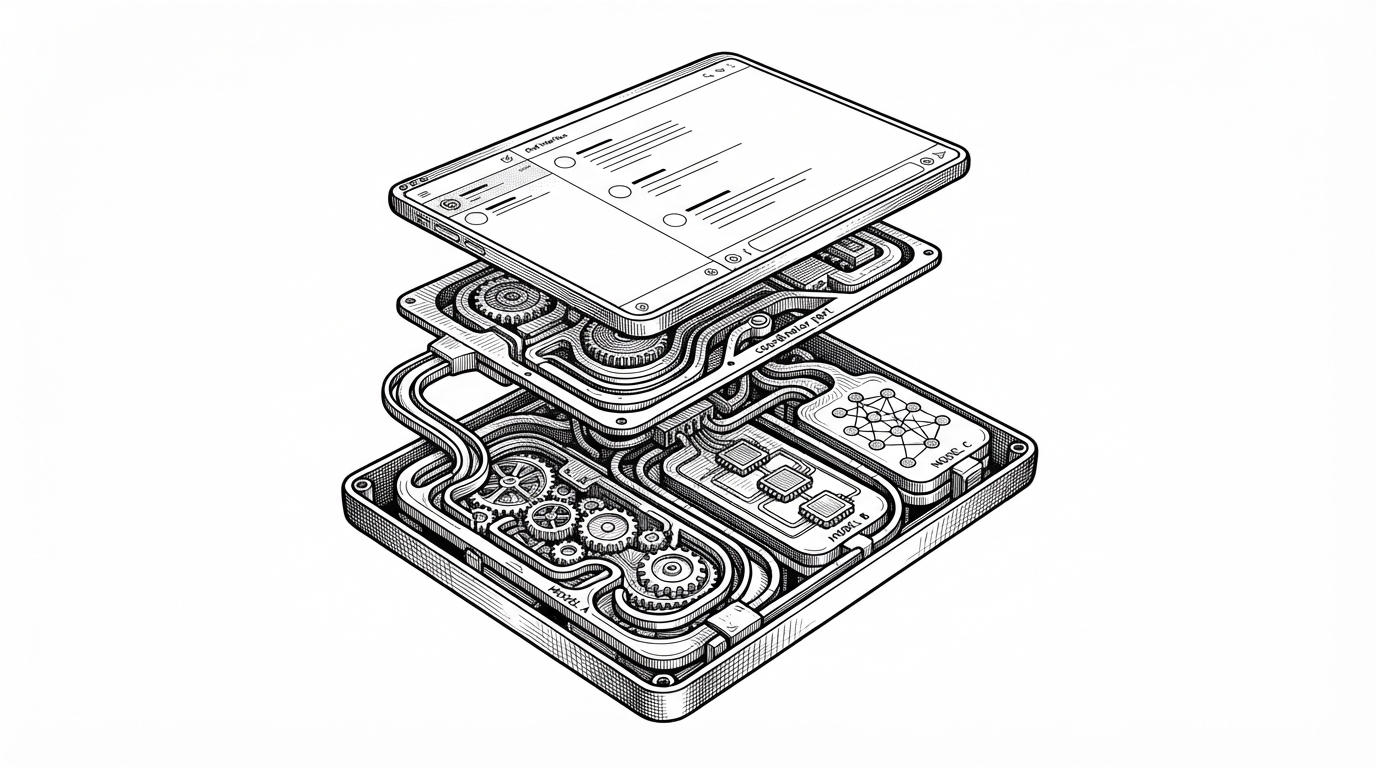
The architecture is tidy. src/index.ts handles the pre-flight login and loads the API token before the server starts. src/lib/getAxios.ts provides scoped Axios factories for different ZimaOS services. The tools themselves stay narrow, with Zod schemas at the edge and small handlers in the middle.
That separation keeps the repo readable. Auth is one problem, request routing is another, and tool logic is another. It is the right split for a server that wants to scale beyond a few hard-coded capabilities.
| Approach | Safety | Readability | Setup cost | Scalability |
|---|---|---|---|---|
| Raw SSH or shell access | Low | Low | Medium | High, but coarse |
| Generic MCP bridge | Medium | Medium | Low | Medium |
| ZimaOS-MCP API tools | Higher | High | Medium | High, within ZimaOS |
The point of the comparison is not that shell access is wrong. It is that ZimaOS-MCP chooses a narrower, more legible middle ground. It is more structured than raw terminal control and more domain-aware than a generic bridge.
Why this feels early, but important
The repo is small. The versioning is early. Some files are still clearly in motion. But the pattern is already visible: a local cloud OS that can be driven through an AI protocol, with tooling that is meant to grow as the API grows.
That is why ZimaOS-MCP feels bigger than its file tree. It is not trying to be the best file browser for AI. It is trying to become the interface layer between a personal server and an agent that can operate it.