CarsonOS Turns a Family Into an AI System
A self-hosted agent platform with constitutional rules, trust-based tools, shared memory, and delegated tasks for the household.
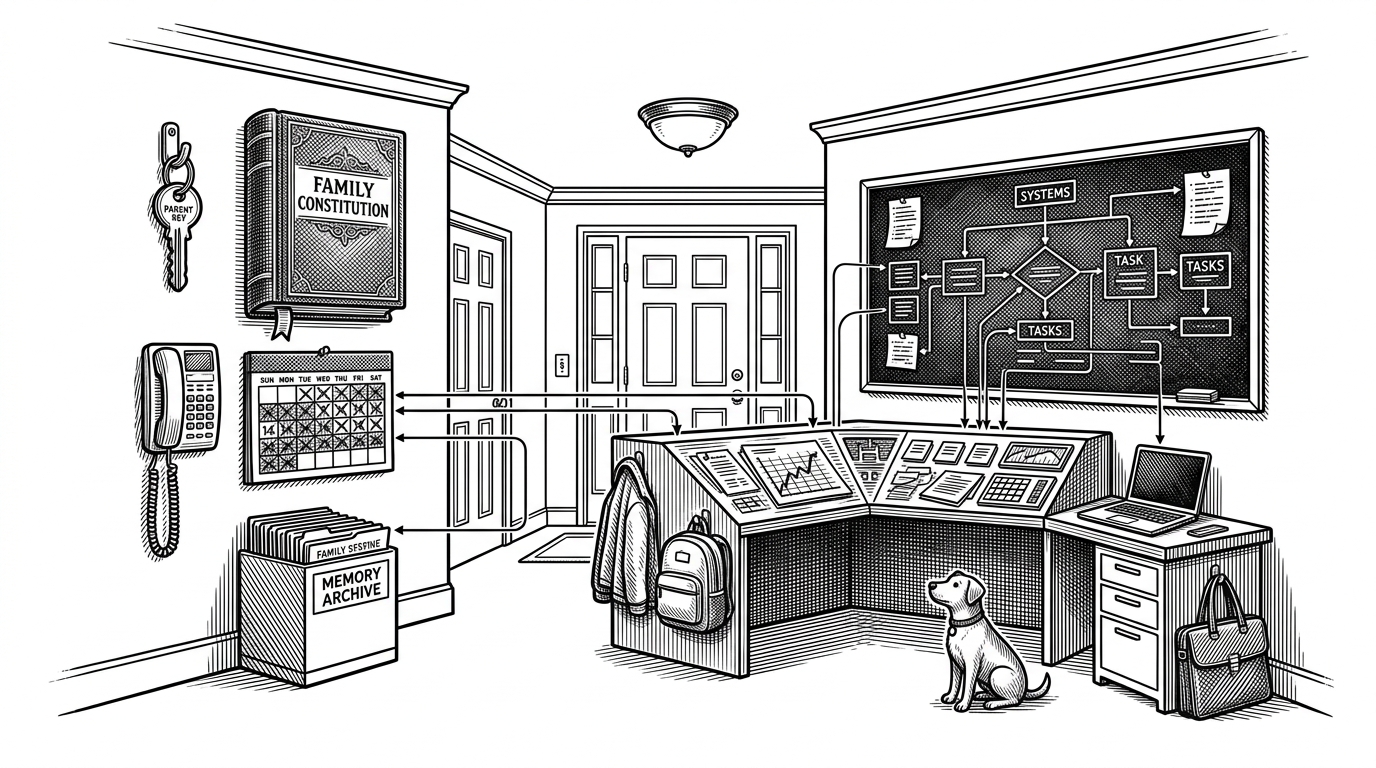
- CarsonOS is interesting because it treats AI as a governed household service, not a generic prompt box.
- Its Family Constitution turns policy into a live control layer that shapes behavior, tools, and memory by relationship and trust.
- Its memory model favors human-readable Markdown over opaque vector storage, which makes household knowledge inspectable and durable.
- Its Claude subprocess adapter and delegation flow make the system feel operationally mature, not like a thin chatbot wrapper.
Most AI apps start with a single user and a blank prompt. CarsonOS starts somewhere stranger and more useful: a family with roles, boundaries, and shared history. That shift changes everything, because the system is not trying to answer questions in the abstract. It is trying to act inside a household with rules.
When AI Stops Being Generic
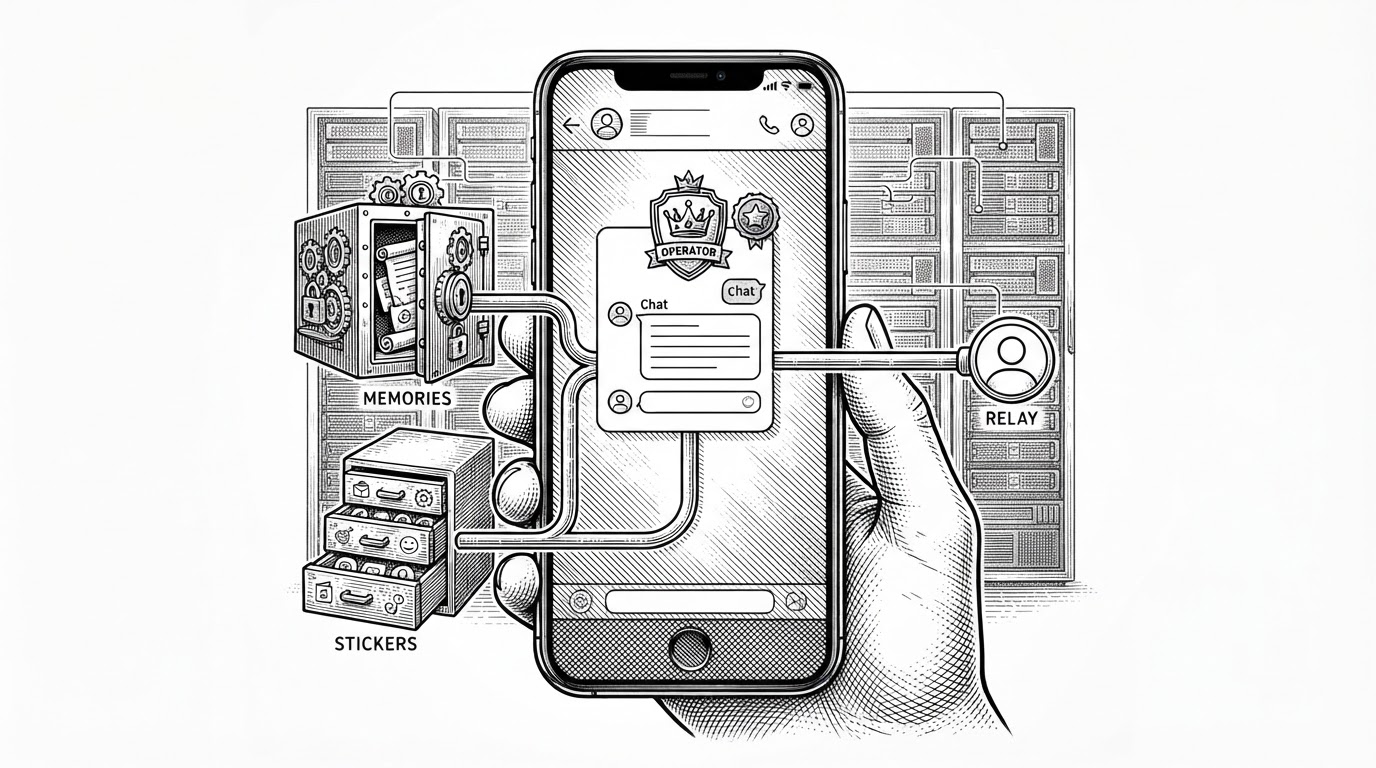
The project’s core move is simple to describe and hard to build well. Different people get different behavior. A child, a parent, and a guest should not have the same access to memory, tools, or assistance. CarsonOS treats that as a first-class design constraint, which makes the whole system feel less like a chatbot and more like a household service layer.
The Family Constitution Is the Real Product
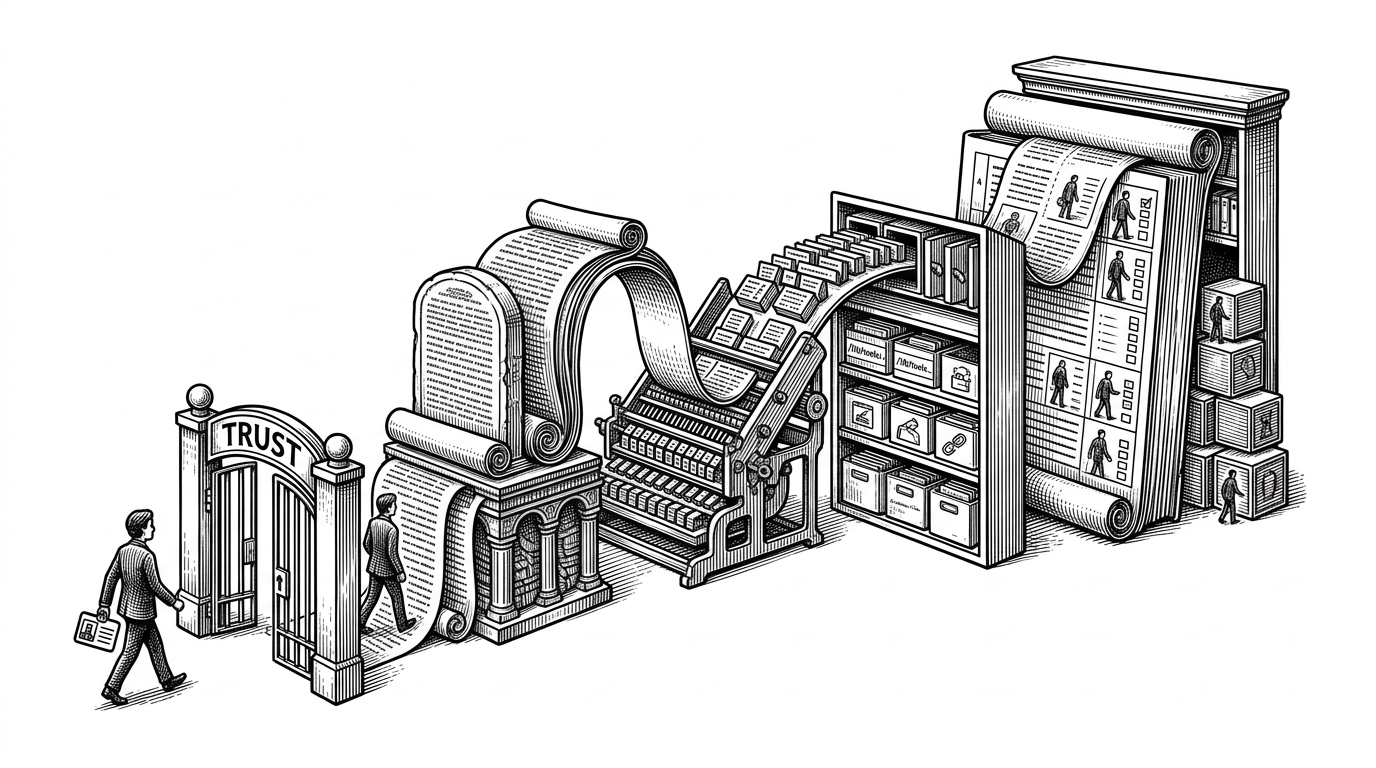
The Constitution Engine is the project’s intellectual center. Rules are stored as clauses with enforcement levels and evaluation types, then injected at the top of the agent context before the model does anything else. That matters because it moves governance upstream. Instead of asking permission after the fact, CarsonOS shapes the agent’s behavior before the response is even formed.
type Clause = {
  id: string;
  enforcement_level: 'hard' | 'soft';
  evaluation_type: 'behavioral' | 'age_gate' | 'contextual';
  text: string;
};

function buildPrompt(member: FamilyMember, clauses: Clause[]) {
  return [
    ...clauses.map(clause => clause.text),
    '',
    `User role: ${member.role}`,
    `Trust level: ${member.trust_level}`,
  ].join('\n');
}
Trust Levels Replace Random Permission Prompts
CarsonOS uses trust levels as capability control. That is a stronger pattern than a stream of approval popups, because it defines what the agent can even see. Tool access becomes structural, not conversational. In practice, that means a restricted agent does less by design, while a trusted parent agent can touch more of the household surface area.
| Dimension | Generic chatbot | CarsonOS |
|---|---|---|
| Identity model | One user, one prompt | Role-aware household members |
| Memory model | Mostly opaque or external | Shared Markdown files with structure |
| Tool access model | Ad hoc approvals | Trust-level capability control |
| Governance model | Prompt conventions | Family Constitution with enforcement |
| Operational durability | Session-bound | Persisted tasks and recoverable state |
| Primary purpose | Answer questions | Coordinate household work |
Claude as a Subprocess, Not an API
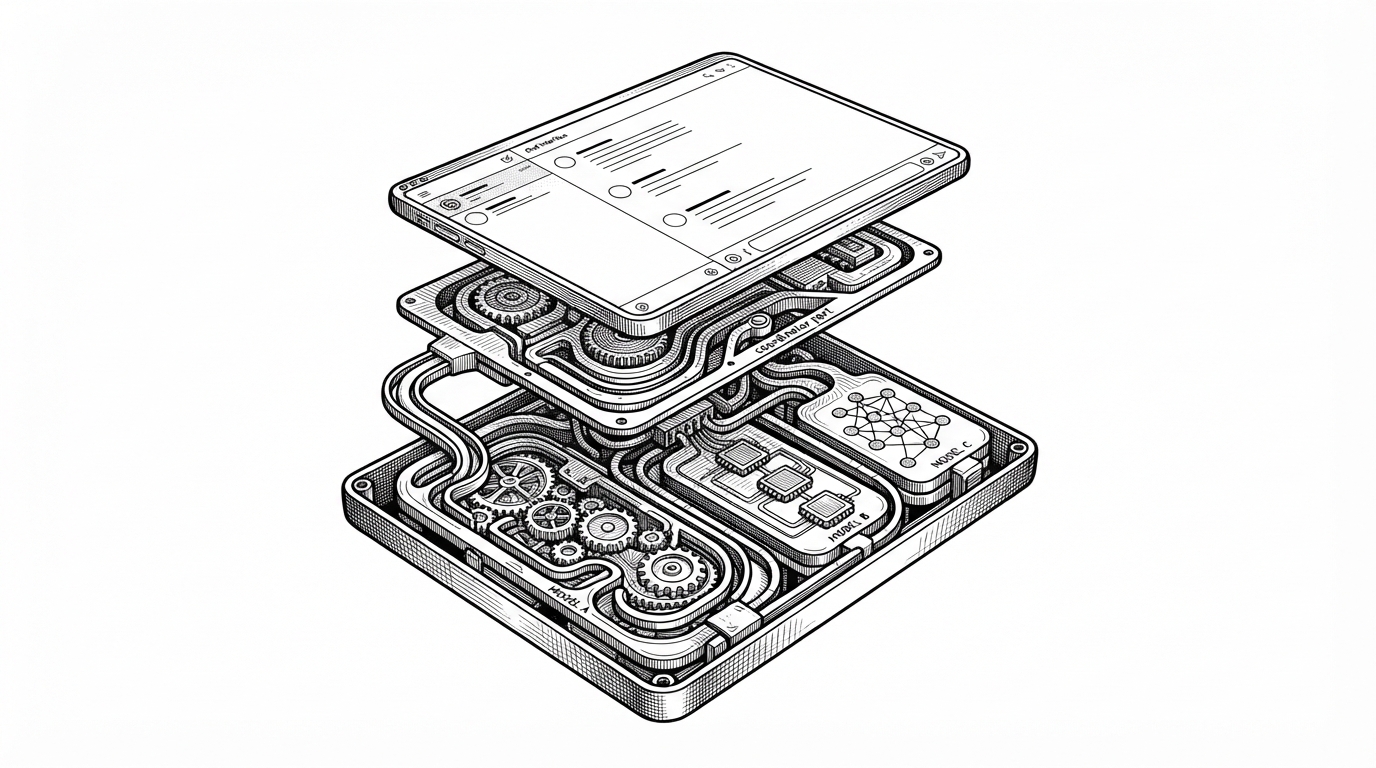
One of the project’s sharpest choices is using Claude as a spawned process instead of treating the model like a conventional endpoint. That sounds small, but it changes the operating model. The system can lean on a consumer subscription, expose local tools through MCP, and avoid designing the whole product around per-token API plumbing. It is a pragmatic bet on subscription-native software.
That also explains why the stack feels unusually disciplined. The adapter pattern keeps the backend in charge of orchestration while the model remains the reasoning layer. Local tools, memory access, and Google Workspace actions are exposed through the agent boundary, not manually glued into every request path.
Memory as Markdown, Not a Black Box
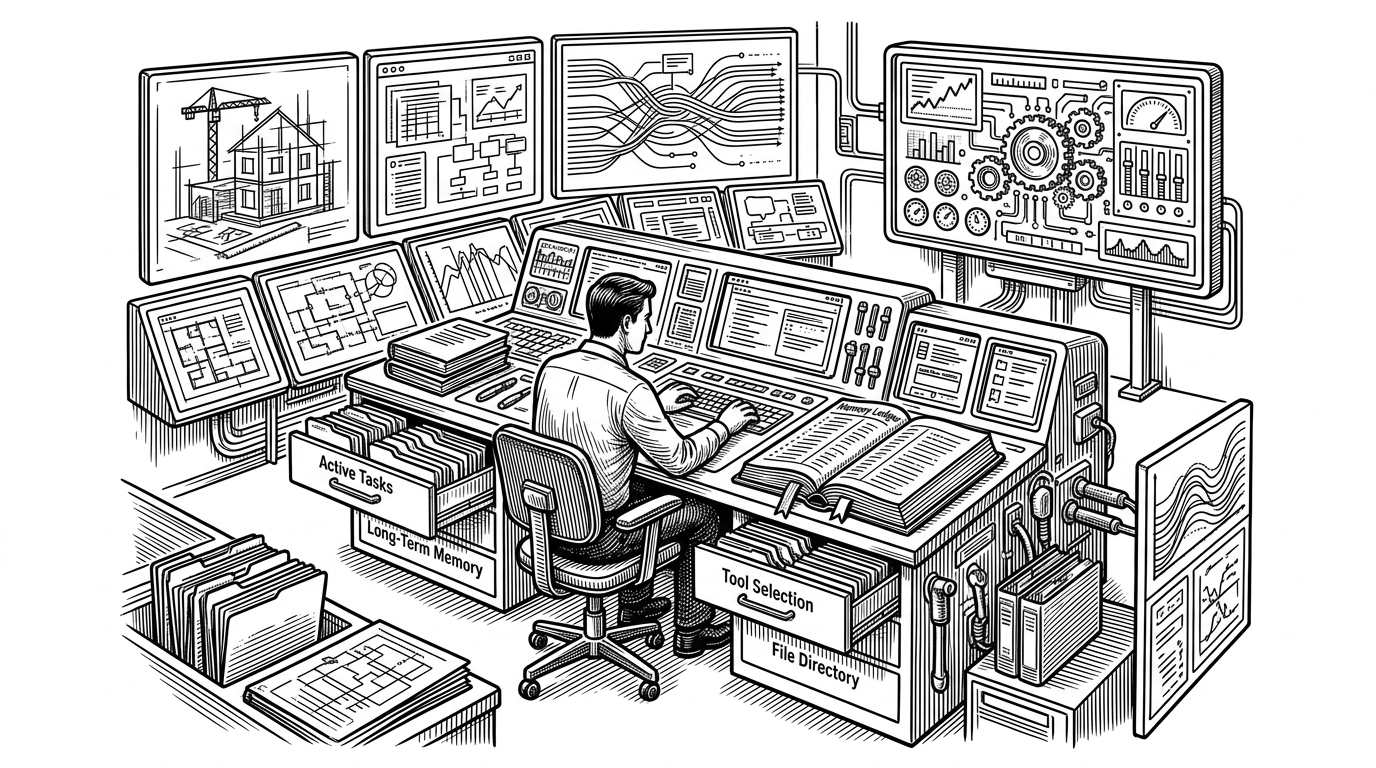
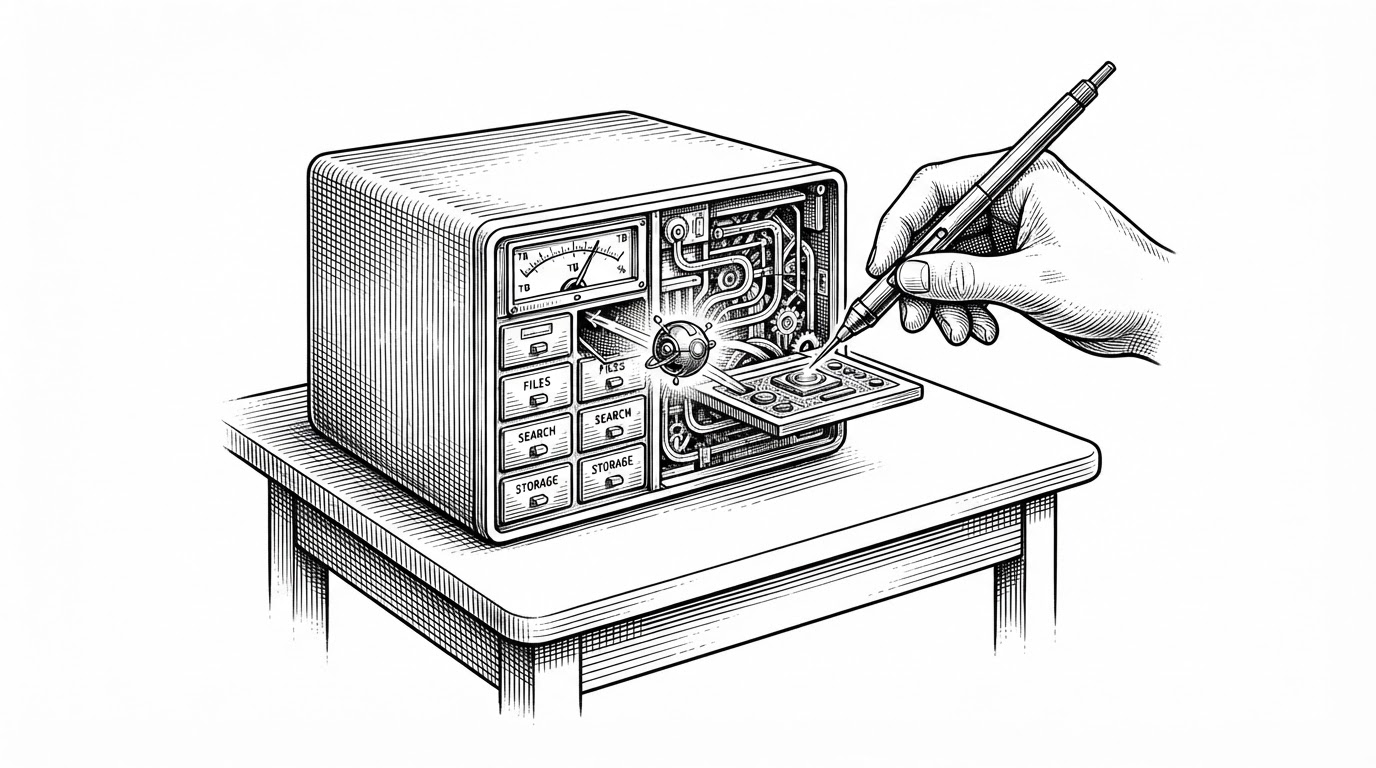
CarsonOS stores memory in human-readable Markdown with YAML frontmatter, then indexes it locally. That is a different philosophy from the usual vector database story. Instead of hiding family knowledge inside embeddings and retrieval heuristics, the system preserves it as files people can open, inspect, back up, and version control. For a household product, that is a real advantage.
| Memory approach | What it optimizes for | Tradeoff |
|---|---|---|
| Markdown files | Transparency and durability | Less magical than a black-box store |
| Vector database | Similarity search | Harder to inspect and audit |
| App database only | Convenience | Less portable across tools and time |
The structure matters too. The project defines multiple memory types, which turns storage into a social model rather than a dump of notes. Facts, preferences, and commitments can live side by side without collapsing into a single blob of context.
Delegation Makes It Feel Like a Staff
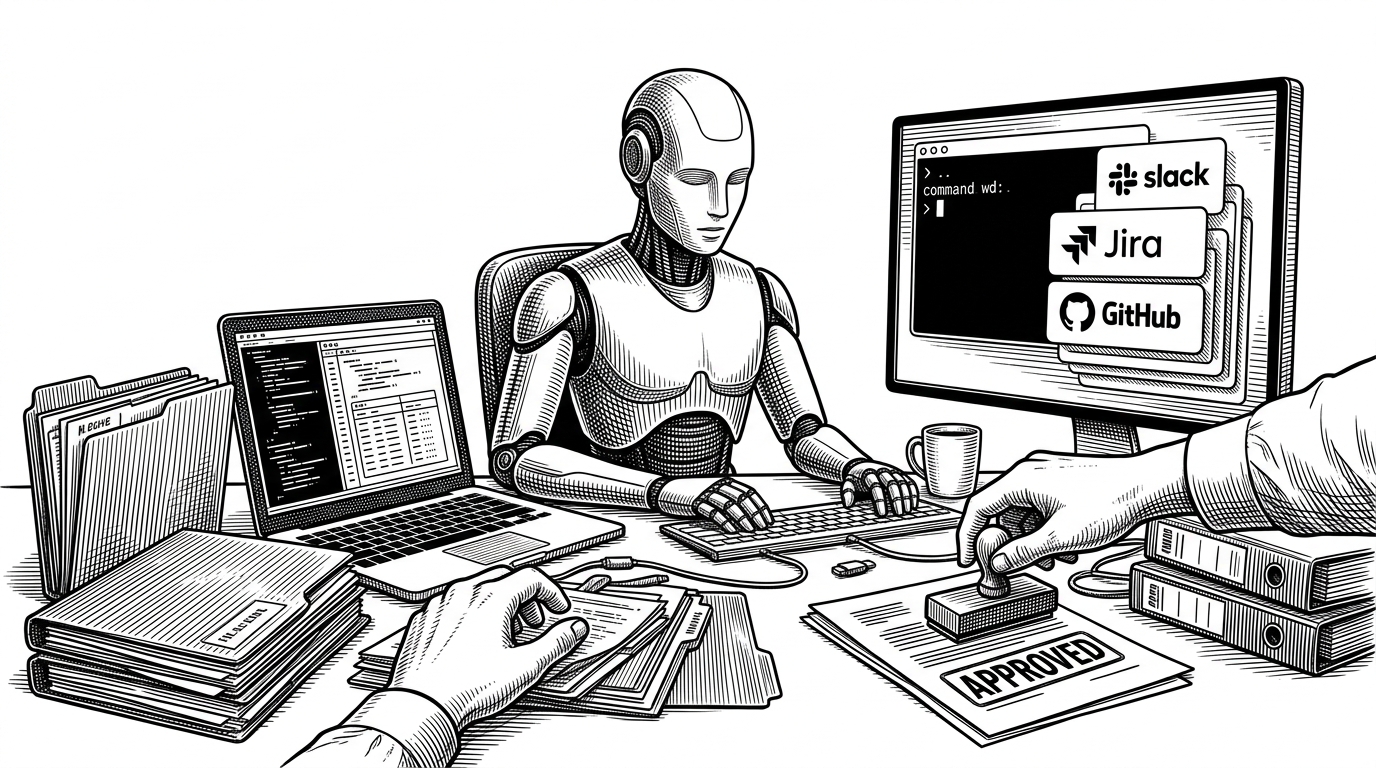
CarsonOS becomes much more interesting once one agent can hand off work to another. A delegate block is not just a message. It is a task boundary. The dispatcher persists the subtask, tracks it, and can recover stuck work after a restart. That makes the system feel less like a smart inbox and more like a service desk with memory.
| Pattern | Strength | Weakness |
|---|---|---|
| Single chatbot session | Simple to start | No durable handoff |
| Manual agent wrapper | Flexible | Easy to become brittle |
| CarsonOS delegation | Tracked and recoverable | More moving parts, but real state |
Why CarsonOS Feels Further Along Than Its Star Count
The interesting signal here is not popularity. It is engineering posture. The repository shows architecture docs, installation scripts, a clean package split, and task recovery paths. Those are the artifacts of a project built to be run, not merely demoed. Even in an early state, the design reads like a system with responsibilities.
That is why CarsonOS stands out. It is not trying to be another generic agent framework. It is trying to formalize a household into software, with policy, trust, memory, and delegation all wired together. That is a specific ambition, and the architecture is disciplined enough to make it believable.
What CarsonOS is really contrasting against
| Adjacent pattern | Why CarsonOS differs |
|---|---|
| Generic chatbot | It encodes roles and rules, not just prompts |
| API-key agent stack | It uses a subprocess and subscription-native execution |
| Vector memory app | It keeps memory readable, portable, and inspectable |