eGemma: The Local AI Workbench That Speaks OpenAI’s Agent Language
A private, localhost-first stack for responses, conversations, thinking traces, embeddings, and code intelligence.
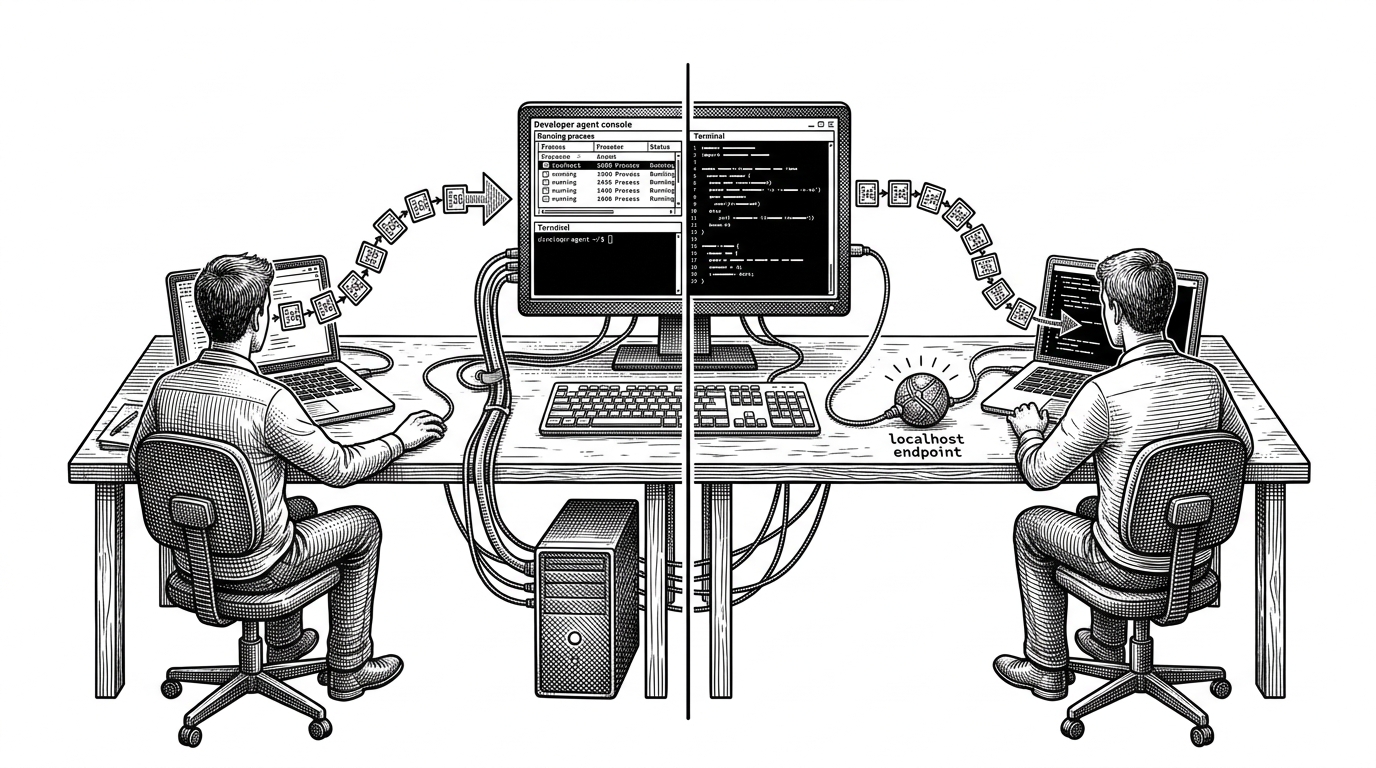
- eGemma is not mainly a local chat server, it is a local agent backend that tries to preserve OpenAI-style workflow semantics on private hardware.
- Its real differentiator is state, not just inference, because Responses and Conversations are treated as first-class objects with memory and reasoning traces.
- The project bundles embeddings, personas, and AST parsing into one workbench, which makes it feel like infrastructure for serious local AI systems.
- Hardware awareness matters here because the stack is built to adapt to consumer GPUs and mixed local setups instead of assuming datacenter defaults.
Most local LLM tools stop at chat completions. eGemma goes after the contract developers actually build against: Responses, Conversations, reasoning traces, and tool-aware agent flows. That makes it interesting for anyone who wants OpenAI-shaped behavior without shipping prompts, memory, and code context to a hosted API.
Why eGemma exists
The project’s pitch is not just privacy. It is compatibility. Point a client at localhost, and the workbench still speaks the language that agent SDKs expect, which means less glue code and fewer compromises when you want to stay local.
That choice changes the product category. A conventional wrapper forwards text to a model. eGemma manages state, merges history, and returns structured outputs that behave more like an agent session than a one-shot completion.
The compatibility layer is the product
This is the part that makes eGemma more than a local inference wrapper. The repo implements the newer OpenAI Responses API and a Conversations API, which means it can support richer agent workflows with a smaller amount of integration friction. For developer tooling, that is the difference between a demo and a drop-in backend.
The core mental shift is simple: a response is not just text. It is a bundle of message content, reasoning, and tool state that can be resumed. Once you model that correctly, the rest of the system starts to look like a local state machine instead of a plain endpoint.
How a response becomes state
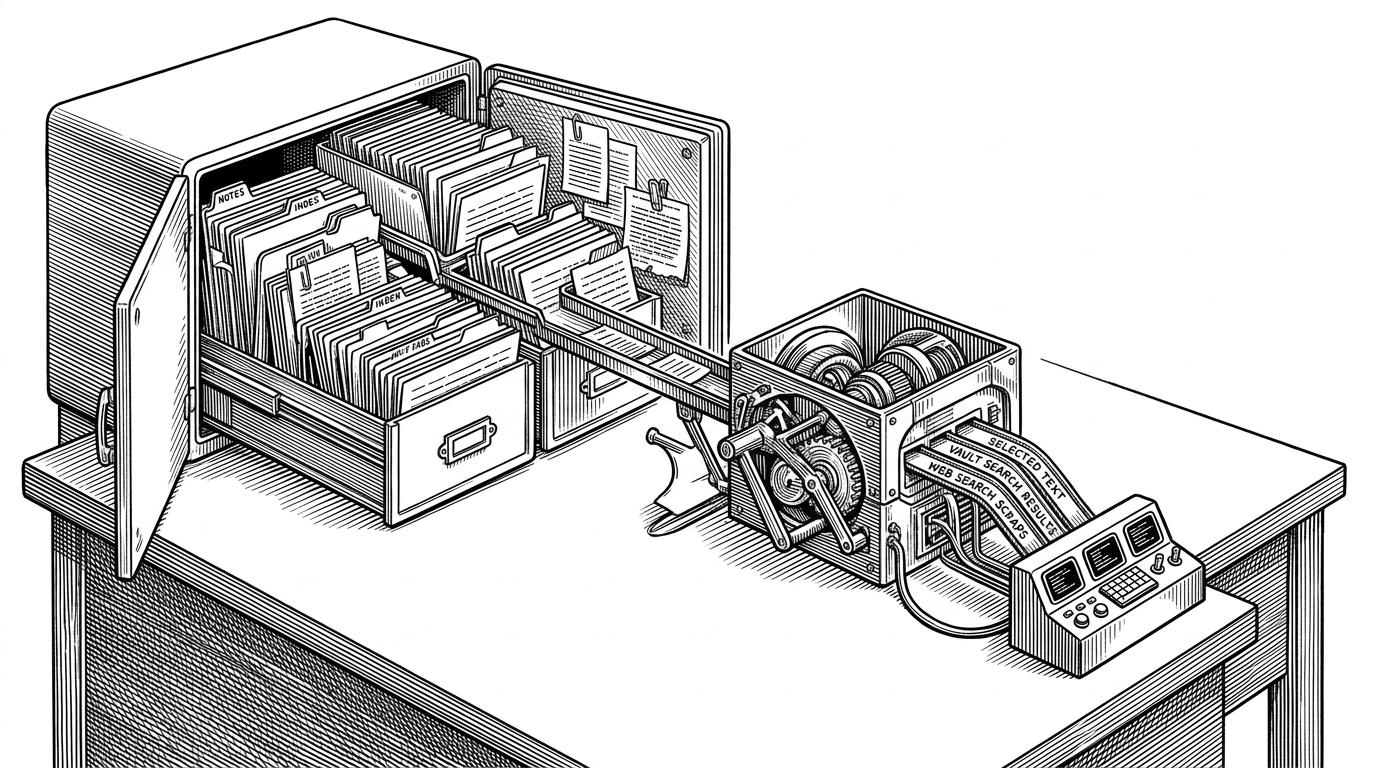
The router accepts a new request, looks for prior context, merges in any referenced response history, and builds a structured response object. That response object is where the project keeps the useful stuff: the final answer, the thinking channel, and the pieces needed to continue the interaction later.
This matters because it turns agent behavior into something serializable. Instead of hiding the session in RAM or a remote service, eGemma can reconstruct it locally and keep moving. That is what makes the project feel closer to infrastructure than to a prompt playground.
Memory without a database
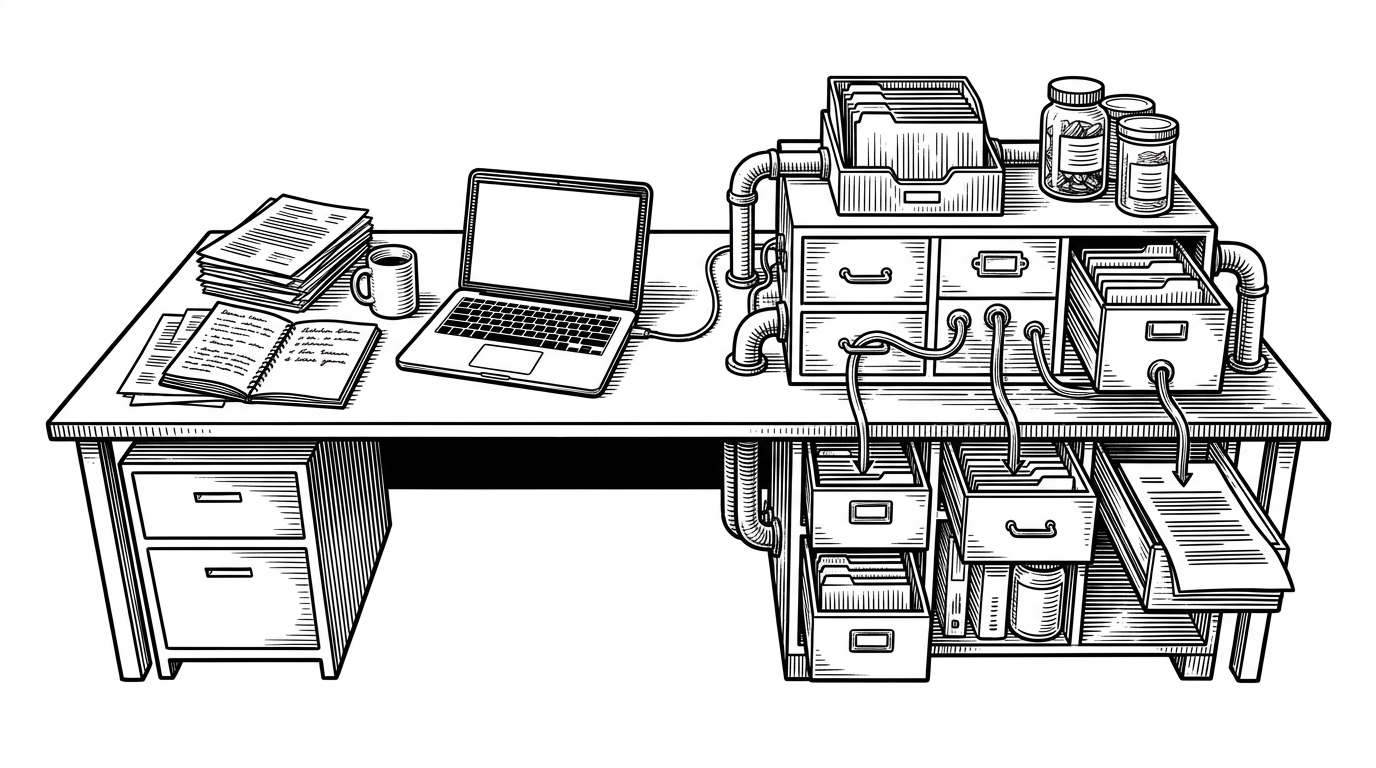
eGemma’s conversation layer is refreshingly plain. Conversations are stored as JSON on disk, with thread-safe access and a small manager class handling persistence. No database server. No migration burden. No extra moving parts just to remember a thread.
That simplicity is not a downgrade. It is a design choice that fits the product. If your goal is local-first AI, a file-backed conversation store gives you durability, inspectability, and portability in one shot.
| Capability | Typical local wrapper | eGemma | Why it matters |
|---|---|---|---|
| Agent API shape | Chat completions only | Responses and Conversations APIs | Existing agent tooling can connect with less friction. |
| Conversation memory | Stateless prompts | JSON-backed persisted sessions | The system can resume work across restarts. |
| Prompt management | Inline strings | File-based personas | Workflows are easier to inspect and version. |
| Code understanding | Raw text input | AST-aware parsing | Structured code context improves summarization and analysis. |
| Embeddings | Single-purpose vectors | Matryoshka-friendly embeddings | You can trade vector size for speed and storage more gracefully. |
| Deployment posture | Cloud-first assumptions | Local-first hardware-aware startup | The stack fits private and consumer hardware setups. |
Three subsystems make the workbench feel complete
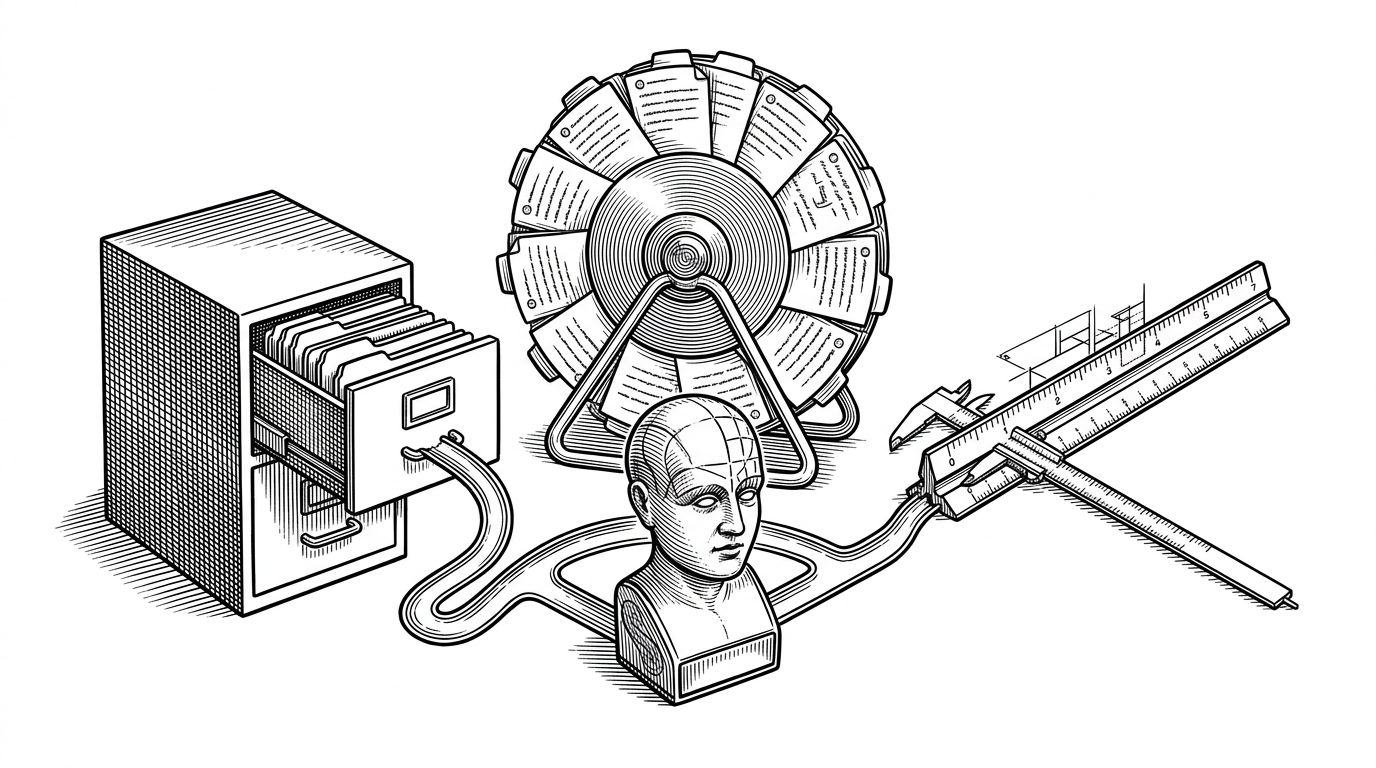
The project gets more interesting once you stop treating it as an API layer. The personas directory turns behavior into files. The conversation store gives the system memory. The AST parser adds structure for code-aware tasks. Together, they make the workbench feel coherent instead of bolted together.
That combination is the real differentiator. Many projects have one of these pieces. Fewer make them cooperate cleanly enough that a developer can build repeatable local workflows around them.
Why the model wrappers matter
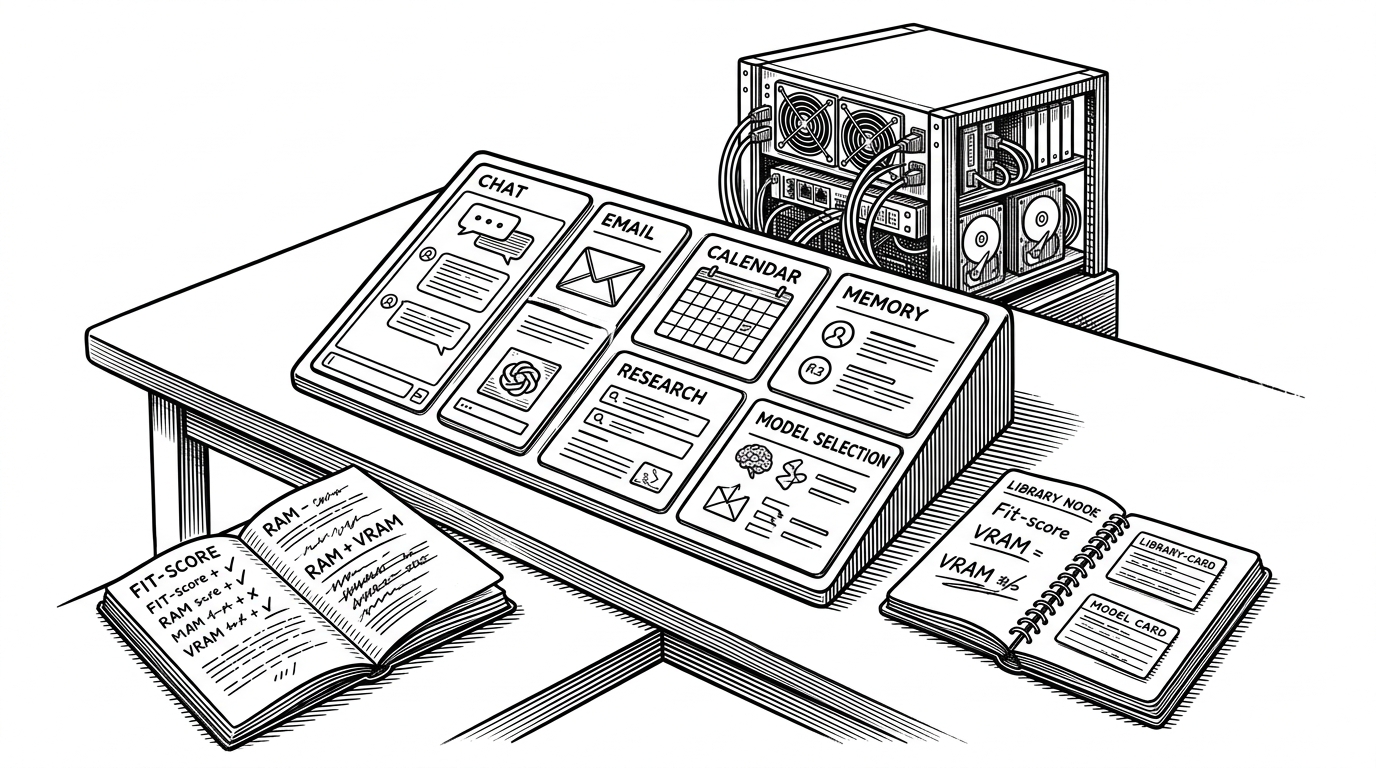
The repository is also opinionated about hardware. It is built around local model execution, GPU offload, and startup paths that adapt to available resources rather than assuming a fixed machine profile. That makes it more practical for people running on Apple Silicon, CUDA systems, or smaller boxes with uneven VRAM.
This is where the project’s ambition becomes visible. It is not chasing only correctness. It is trying to be usable on real developer machines, which means the orchestration layer has to be aware of inference cost, memory pressure, and model selection.
Persona engineering beats hard-coded prompts
Storing personas as Markdown files is a small decision with big consequences. It keeps behavior inspectable, makes changes reviewable, and avoids burying important workflow logic inside application code. That is a healthier abstraction than scattering prompt strings through the server.
It also makes the system easier to reason about as it grows. If a persona needs tuning, you edit a file. If a workflow needs to be shared, you move the file. The project starts to look less like a single app and more like a local operating kit for agent behavior.
What eGemma is really optimizing for
The most useful way to read eGemma is as a fidelity project. It is trying to preserve the shape of modern agent development while moving the execution boundary onto hardware you control. That means structured responses, persistent conversations, code-aware context, and local-first deployment all matter at once.
In other words, eGemma is not optimizing for the shortest path to a generated paragraph. It is optimizing for the smallest system that still feels like a real agent platform.