nuwa-skill: Nuwa Skill Turns Public Thinkers Into Runnable Cognitive OS Files
A deep dive into the open-source framework that distills mental models, decision heuristics, and expression DNA into portable Claude Code skills, complete with source checks and explicit limits.
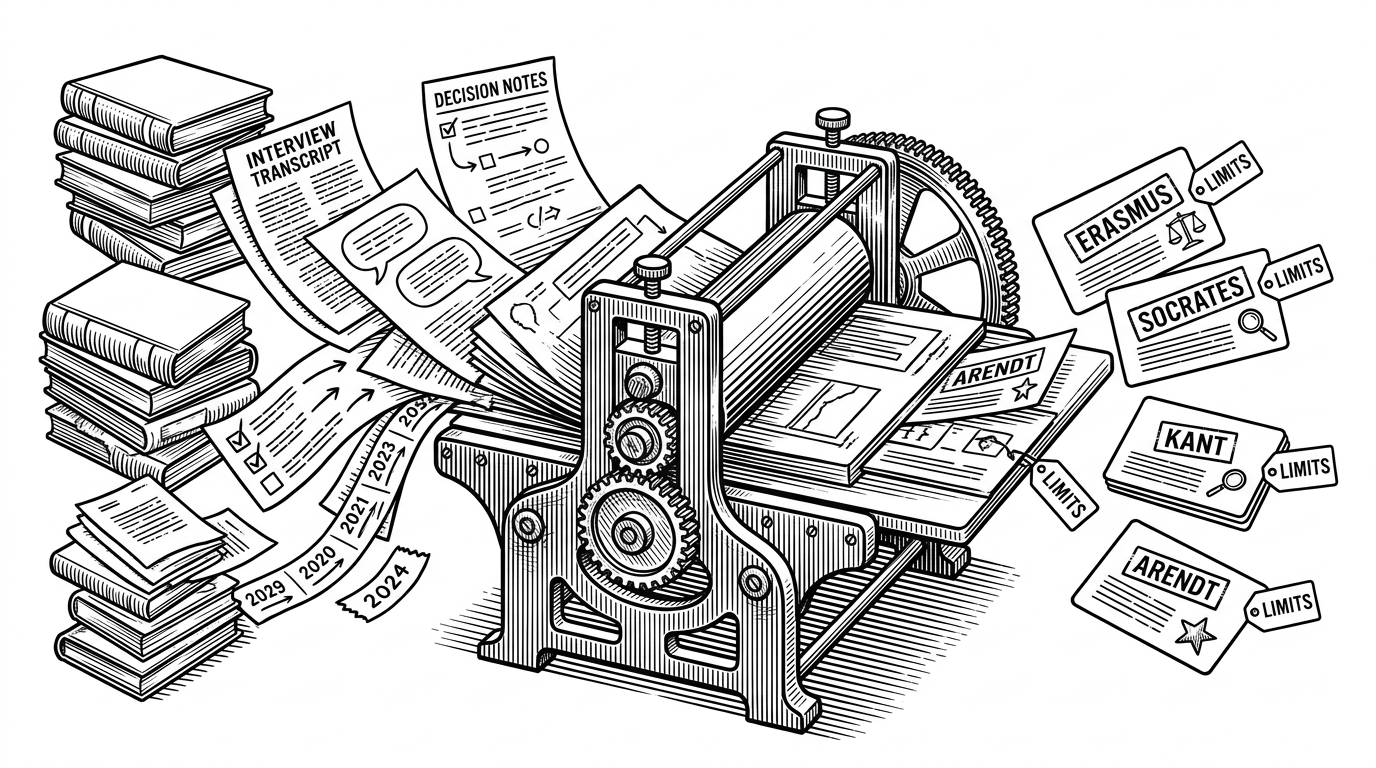
- Nuwa’s core idea is not imitation, but distillation of how a public thinker reasons into a portable skill file.
- Its credibility comes from a multi-lane research pipeline, explicit verification rules, and hard limits on what the system claims to know.
- The repository feels more like a production toolchain than a prompt pack because the scripts clean, merge, and validate source material before synthesis.
- Its real thesis is that useful AI mentors need honest boundaries, not just stronger personality simulation.
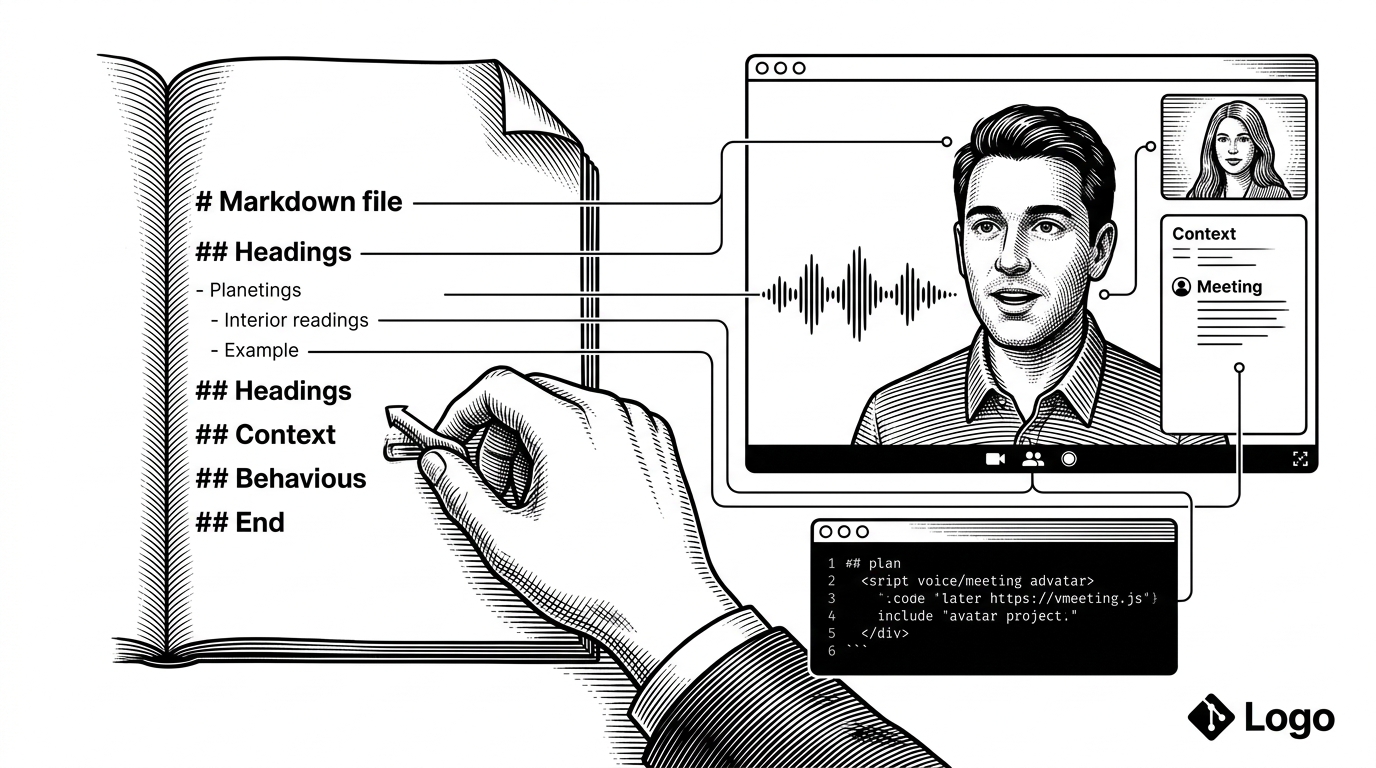
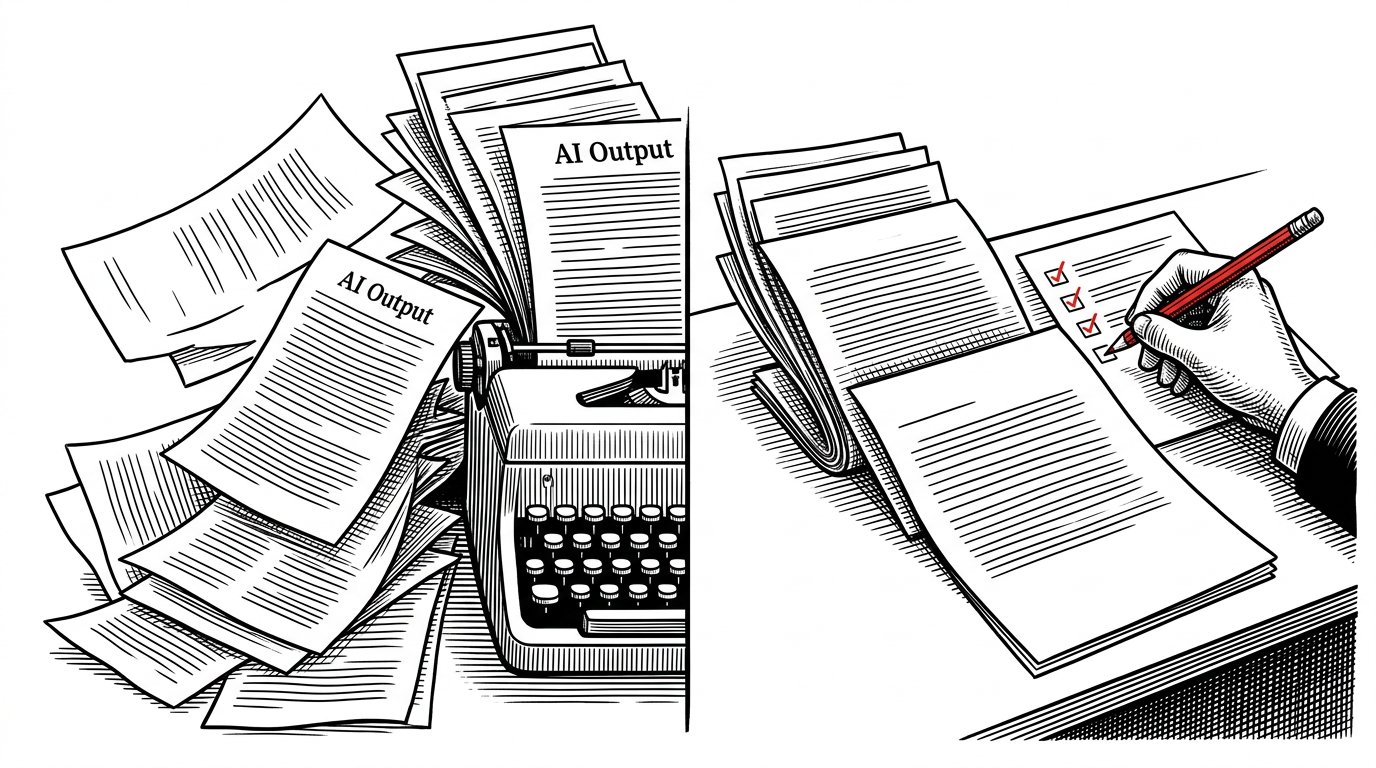
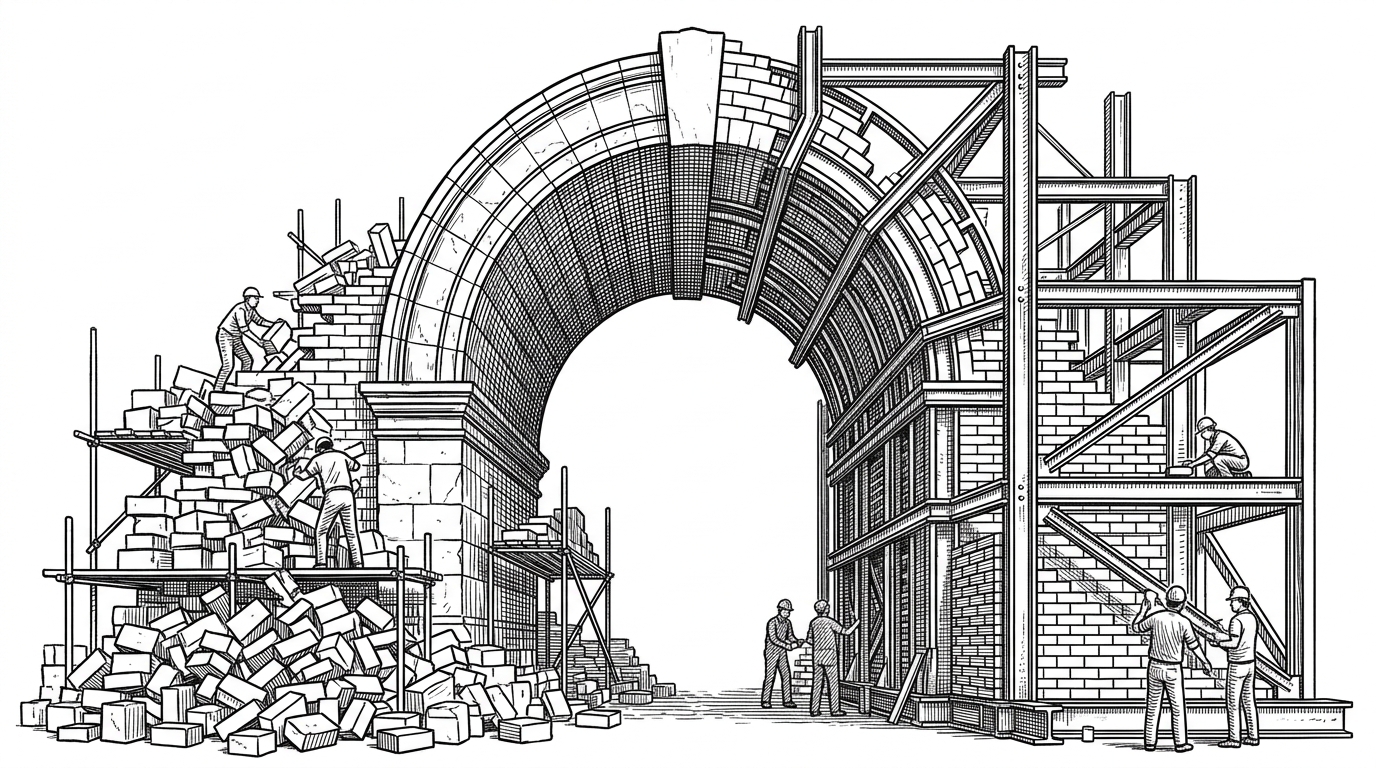
The weird part is that Nuwa behaves like software, not theater. The repo does not stop at “sound like Steve Jobs.” It tries to extract a thinker’s mental models, decision heuristics, and expression DNA, then bundle that synthesis into a runnable Claude Code skill. That is a much sharper claim than roleplay, and it is why the project stands out.
The author says the point directly: “女娲不复制人。它提取认知操作系统。” In other words, the target is not a fake personality. It is a portable way to borrow judgment.
女娲不复制人。它提取认知操作系统。
From Public Figure to Portable Mentor
Nuwa has two entry paths. The Direct Path starts with a known person and asks the system to distill them. The Diagnostic Path starts with a problem and asks Nuwa to recommend the right mentor skill for the job. That split matters because it turns the project from a novelty into a decision-support interface.
How Nuwa Extracts Cognitive DNA
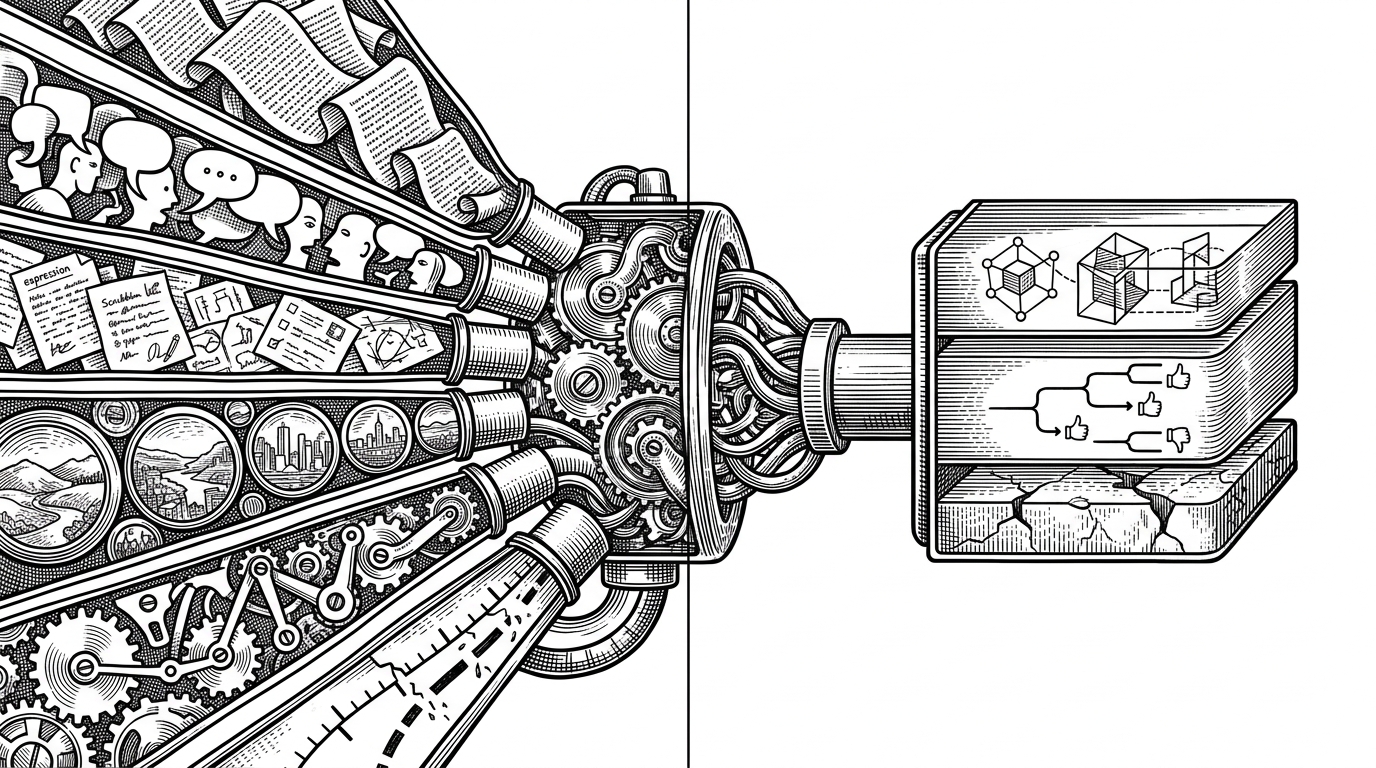
The heart of the repo is the four-phase workflow in SKILL.md. Phase 0 chooses the entry path. Phase 1 launches six parallel research lanes. Phase 2 applies the extraction framework. Phase 3 packages the result as a self-contained skill folder.
Phase 0: Entry
- Direct Path: known figure
- Diagnostic Path: user problem, mentor suggested

Phase 1: Multi-source collection
- Writings
- Conversations
- Expression
- External Views
- Decisions
- Timeline

Phase 2: Extraction
- Mental models
- Decision heuristics
- Expression DNA

Phase 3: Packaging
- Self-contained skill folder
- Portable Claude Code skill
The first serious signal is that the repository does not rely on a single source type. It spreads the work across writings, conversations, public expression, outside commentary, decisions, and timeline. That is a better fit for cognitive reconstruction than a one-shot prompt ever could be.
The Part That Makes It Feel Serious
Nuwa’s rigor shows up in its limits. The framework requires a bounded number of mental models, explicit limitations, and a majority of primary sources. That is a strong editorial choice. It reduces the temptation to overfit a persona into a fan fiction machine.
同事.skill 蒸馏了人做什么。女娲 蒸馏了人怎么想。
That distinction is the whole project. A roleplay system can mimic tone, but Nuwa tries to preserve a reasoning structure that can still be checked against sources. The best part is that it admits the parts it cannot capture, including intuition and live adaptation.
The Scripts Are the Unsung Product
The repo is not just a prompt and a dream. The scripts handle subtitle downloading, transcript cleaning, deduplication, paragraph reconstruction, title analysis, and quality checks. That makes the project feel operational, not decorative.
scripts/
  download_subtitles.sh
  srt_to_transcript.py
  quality_check.py

examples/
  mrbeast-perspective/
    scripts/
      analyze_titles.py
      retention_curve_checker.py
This is where Nuwa stops looking like a single prompt and starts looking like a toolchain. The cleaning logic matters because the quality of the final skill depends on the quality of the source corpus. If the transcripts are noisy, the distilled mentor will be noisy too.
Why Nuwa Beats Simple Roleplay
| Dimension | Nuwa | Generic roleplay prompt |
|---|---|---|
| Goal | Package a thinking process | Imitate a voice or persona |
| Input sources | Writings, interviews, decisions, timelines | Usually a short description or style note |
| Verification | Cross-domain recurrence, generative power, exclusivity | Often none beyond plausibility |
| Portability | Self-contained skill folder | Prompt text copied into a chat |
| Limits | Explicit honesty section | Usually implicit or absent |
| Output | Runnable Claude Code skill | A conversational persona |
The comparison is not subtle. Simple persona tools are usually about surface resemblance. Nuwa is trying to preserve reasoning structure, source evidence, and operational portability. That makes it more useful, but also more demanding.
The Real Constraint Is Honesty
Nuwa’s strongest claim may also be its healthiest limitation. It cannot reproduce intuition, epiphany, or the live judgment that only comes from being a person in motion. That is not a flaw in the story. It is the boundary that keeps the story credible.
同事.skill 证明了蒸馏一个人是可行的。那何必蒸馏同事?去蒸馏乔布斯、芒格、费曼、马斯克。只需输入一个名字,女娲自动完成调研、提炼、验证全流程。
That is why the project feels more ambitious than a character bot. It is not trying to fake presence. It is trying to package judgment in a form that can be inspected, copied, and used.