ai-copywriter: The Prompt That Treats Marketing Copy Like a Build System
A portable skill that drafts, audits, and humanizes prose with intake gates, version checks, and a 33-pattern cleanup loop.
- ai-copywriter turns writing into a gated workflow that refuses weak inputs before it drafts a single line.
- Its real edge is the audit loop, which treats human-sounding prose as something you can test, not just hope for.
- The 33-pattern humanizer makes editorial judgment feel like a repeatable checklist instead of a vibe.
- Portability matters here because the repo packages the same behavior across harnesses and validates the package like software.
The editor is the product
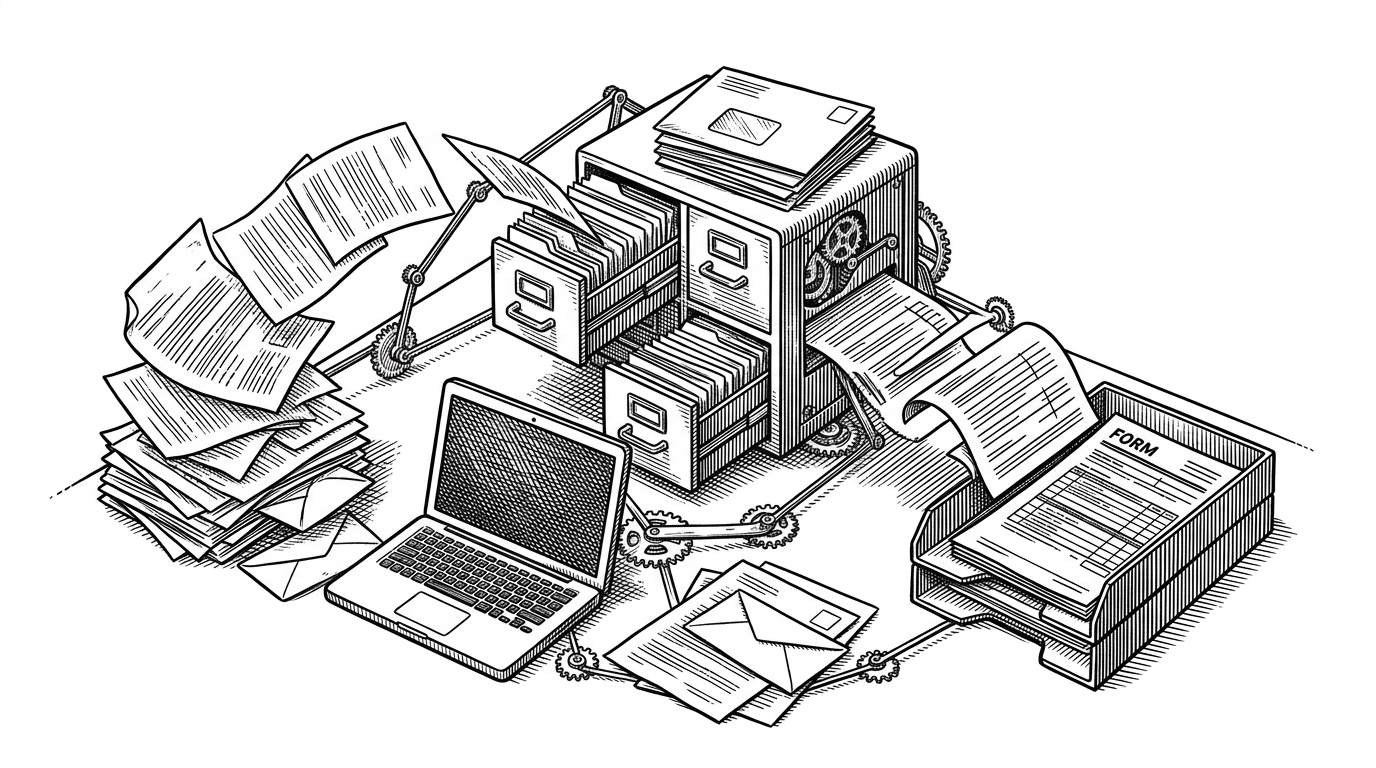
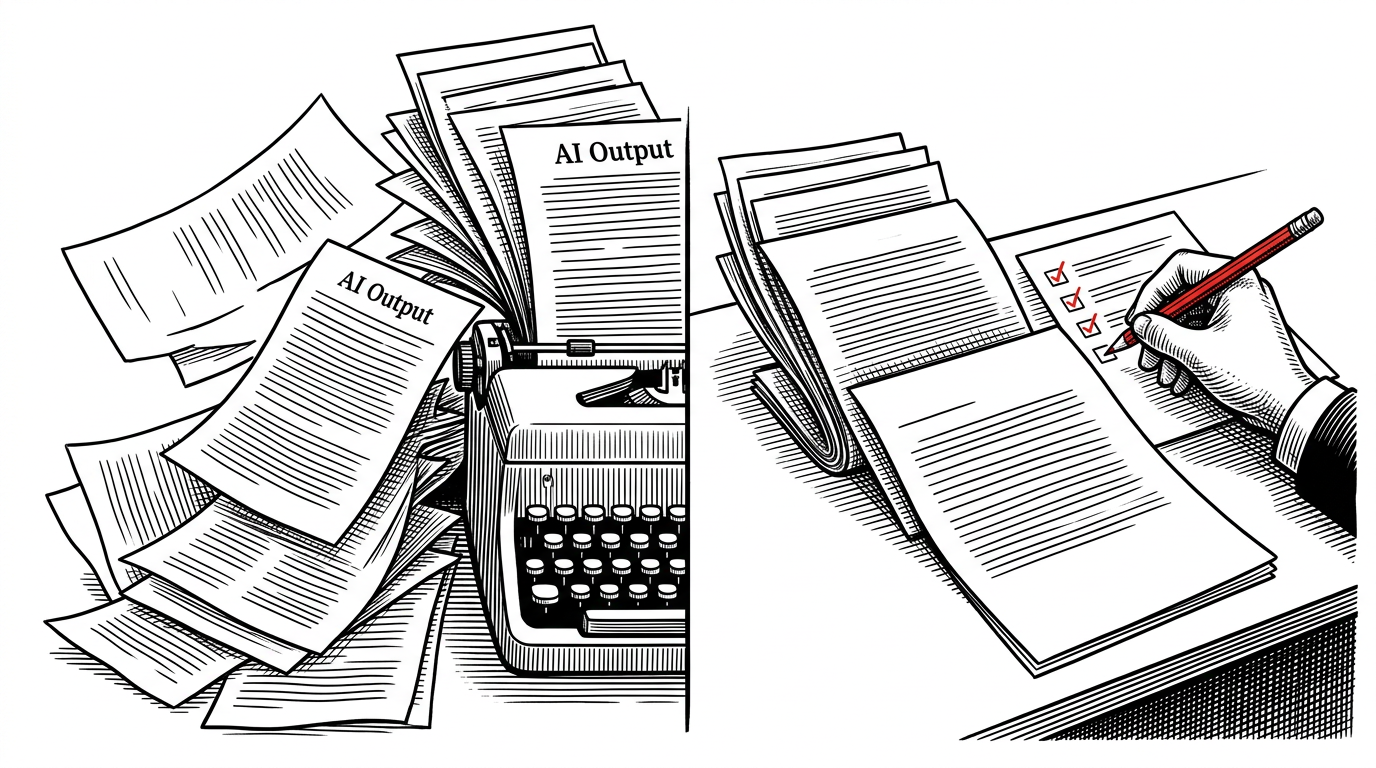
Most AI copy tools try to be faster than a writer. This repo tries to be stricter than an editor. That shift matters, because the core promise is not volume, it is control: intake first, draft second, audit third, final only if the piece survives the cleanup loop.
It is plain Markdown, so it runs in any harness that supports skill-style instructions.
That framing turns the skill into a writing system. The model is not asked to improvise its way to good copy. It is asked to behave like a copywriter, then like a ruthless reviewer, then like a final pass that only ships the parts that still sound human.
Why it refuses to write too early
The intake step is doing real work. It pressures the user for story, audience, offer, and context before generating prose, which prevents the usual failure mode where a vague prompt produces polished nonsense.
That is the difference between a prompt and a process. A prompt can ask for copy. A process can decide whether the brief is worthy of copy, and if not, stop there.
Draft, audit, final
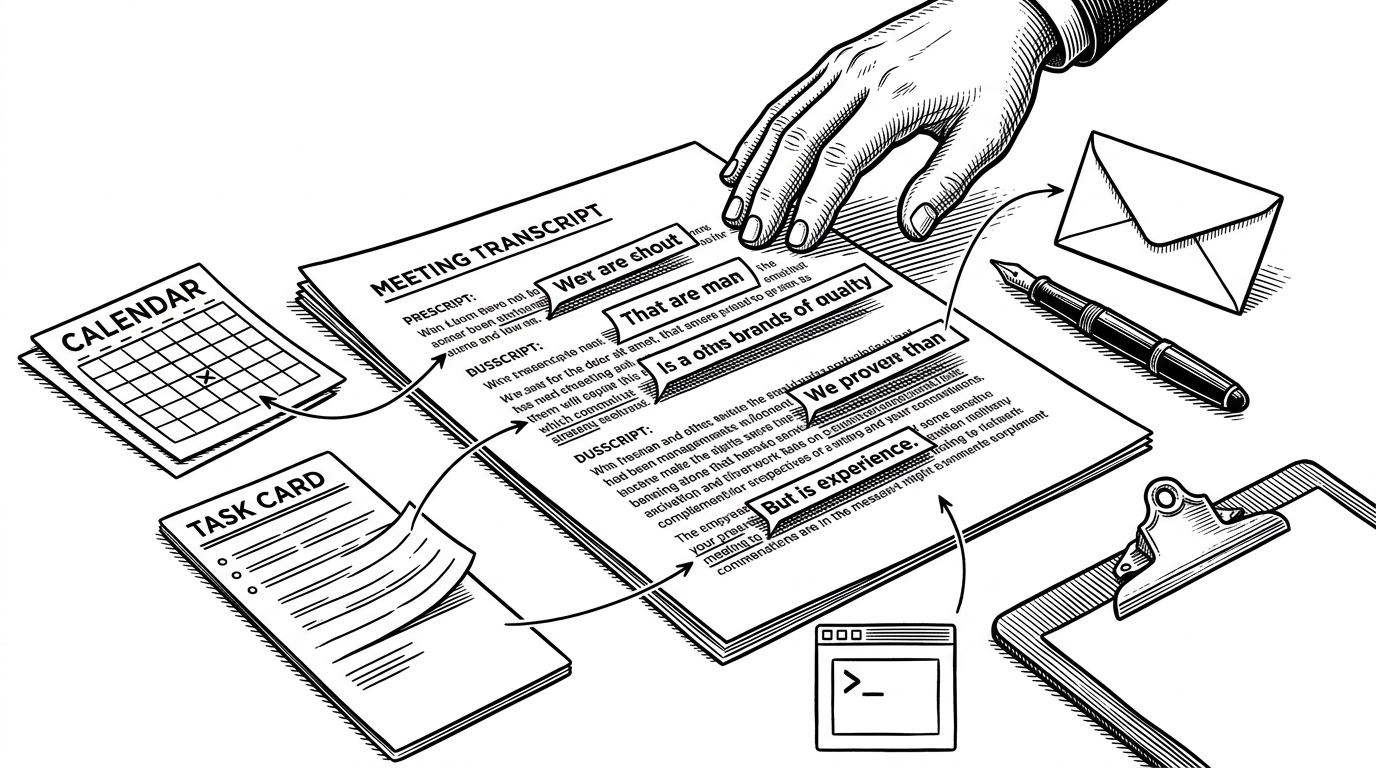
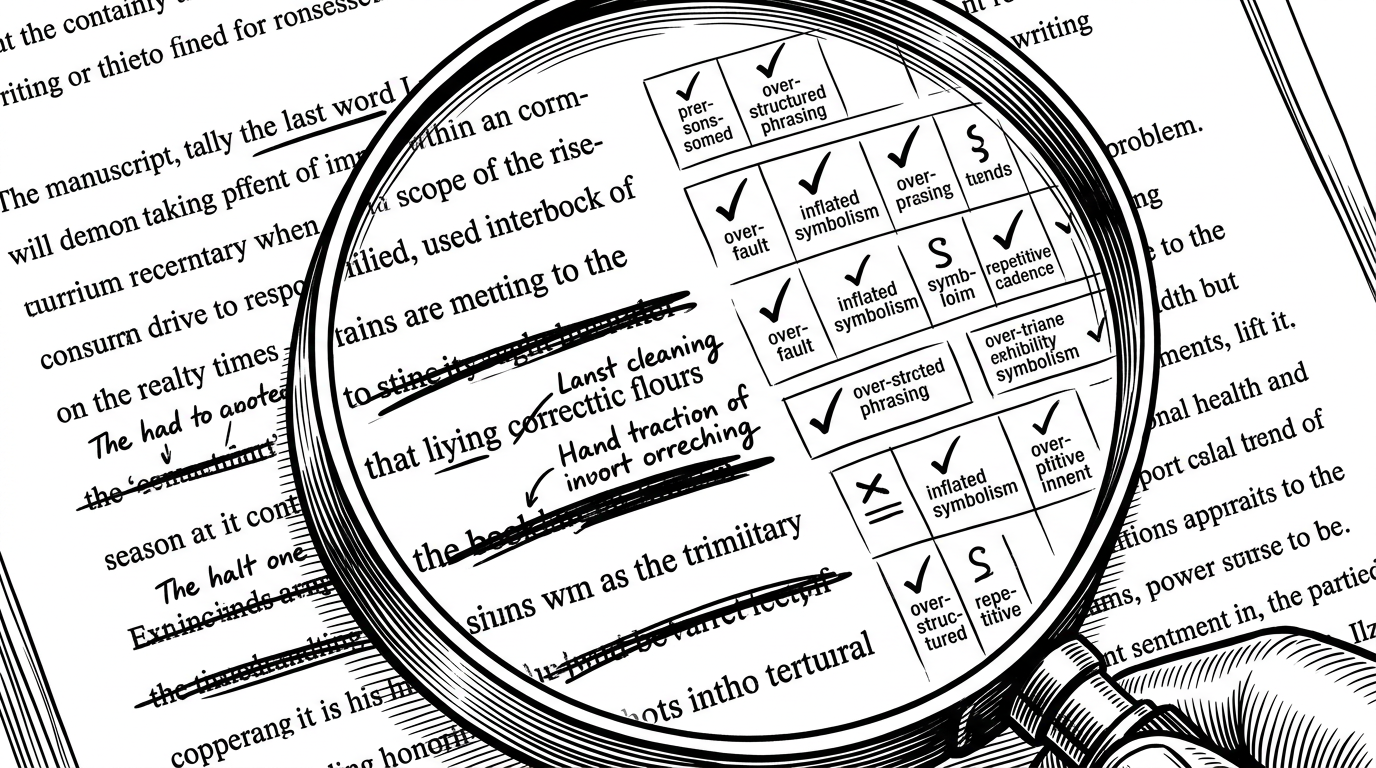
This is the technical center of gravity. The first pass generates marketing structure. The second pass scans for machine tells: over-structured phrasing, inflated symbolism, awkward parallelism, and the little habits that make copy feel synthetic.
| Stage | Generic AI writer | ai-copywriter |
|---|---|---|
| Input | Accepts vague prompts and fills the gaps | Pressures the brief until the story, audience, and offer are clear |
| Drafting | Optimizes for speed and completion | Uses explicit marketing structure |
| Revision | Often one more generic rewrite | Runs an audit that targets human-ness |
| Humanization | Usually a style prompt | A checklist of specific writing faults |
| Failure mode | Confident slop | Refusal until the brief is usable |
 the audit phase turns subjective cleanup into a repeatable filter." data-prompt="Create an editorial illustration rendered entirely in black ink on a pure white background. The image depicts a close-up manuscript page being scanned by a magnifying glass. The magnifying glass reveals a stack or grid of small editorial checks for writing faults, with tiny visual cues suggesting over-structured phrasing, inflated symbolism, and repetitive cadence being removed as the page moves under the lens. The manuscript page is actively cleaned as it passes beneath the glass, with a few lines crossing out and replacing awkward phrases. The artist uses tightly packed crosshatching lines layered at different angles to build up shadow and form, with clean open areas of white for highlights. The line work has the quality of a classic metal engraving, precise and deliberate, with varied line weights where bold contour lines define shapes and finer interior lines create tonal depth. The overall style evokes vintage newspaper editorial illustrations from The Economist or Wall Street Journal. No color, no gradients, no grey fills. Only black lines on white. The background MUST be pure white #FFFFFF. No paper texture, no cream, no off-white, no noise, no grain. Perfectly clean flat white background. The composition is a close-up. The magnifying glass dominates the frame and the manuscript fills the rest of the scene." loading="lazy">
The project’s moat is not that it can write. Plenty of models can write. The moat is that it can diagnose bad writing in a structured way, then make the next pass materially better.
The 33-pattern cleanup is the real moat
The README says the skill is built on Humanizer, which packaged Wikipedia’s Signs of AI writing into 33 detectable, fixable patterns. That matters because it converts a subjective problem into something operational.
It is built on blader's Humanizer, which packaged Wikipedia's "Signs of AI writing" guide into 33 detectable, fixable patterns.
Instead of asking the model to become “more human,” the repo gives it a taxonomy of failure. That is a much better engineering move. It lets the system correct for specific habits instead of chasing a vibe.
Why portability matters more than novelty
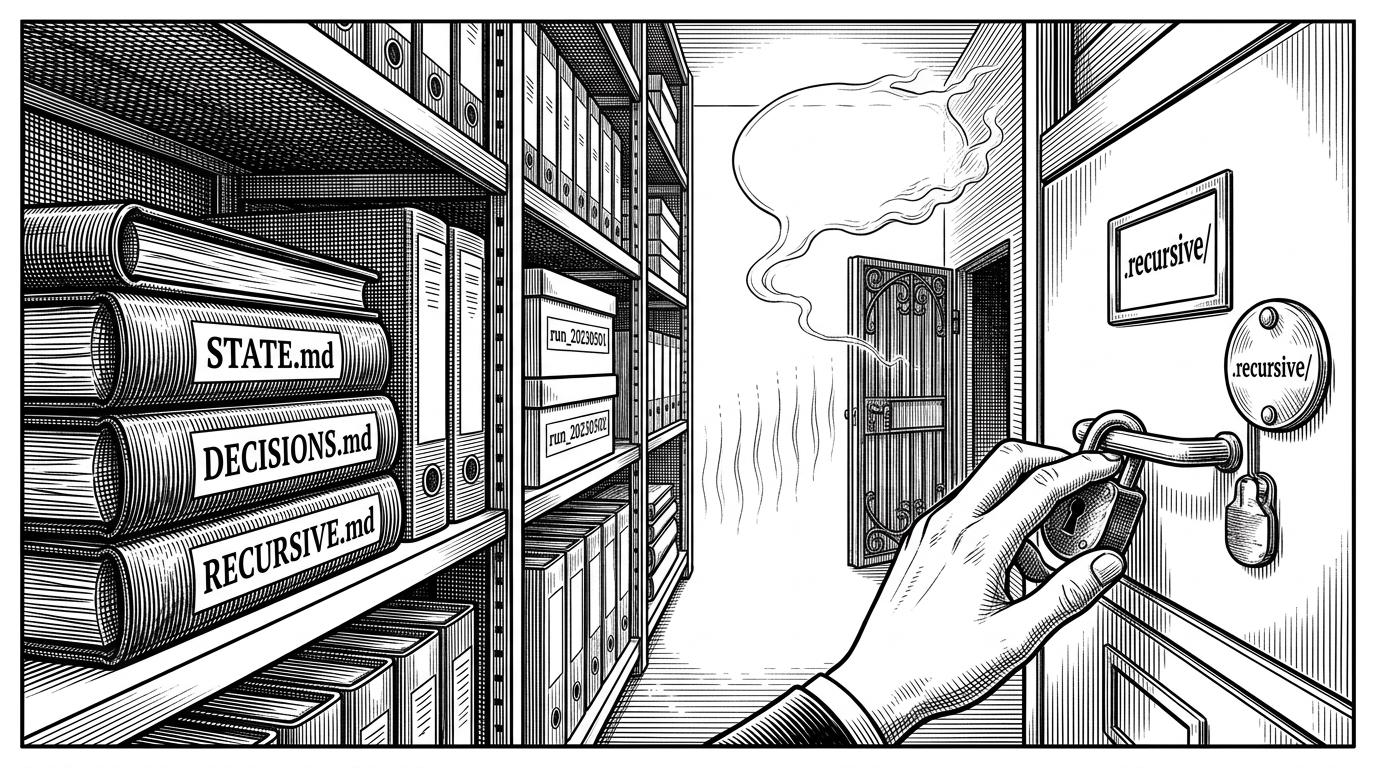
This is not a one-off prompt dump. The repo is packaged across harnesses, with version sync and validation scripts that keep the manifests aligned. That makes it feel like software, not a clever paste into a chat window.
# scripts/validate-package.py
# Ensures version strings match across SKILL.md, README.md, and plugin.json
# Fails if the prompt package gets too large for portability

if skill_version != readme_version or readme_version != plugin_version:
    raise SystemExit('Version mismatch')

if skill_lines > 600:
raise SystemExit('Prompt exceeds portability budget')| Concern | Generic writing tool | ai-copywriter |
|---|---|---|
| Packaging | Lives inside one product | Ships as portable skill-style instructions |
| Versioning | Usually opaque | Explicit sync across files |
| Validation | Ad hoc | Scripted checks before release |
| Context limits | Ignored until it breaks | Managed as a design constraint |
| Reuse | Hard to lift into another harness | Built for cross-harness portability |
That packaging choice changes the category. The repo is not selling inspiration. It is selling repeatable editorial infrastructure.
What this changes about AI copywriting
The broader lesson is simple: the best AI writing tools may stop trying to be authors and start acting like editorial systems. If you care about conversion, tone, and trust, the interesting question is no longer whether the model can draft. It is whether the workflow can keep the model honest.
| Question | Generic AI copywriting | ai-copywriter |
|---|---|---|
| What is it optimizing? | Speed and output | Reader empathy and tone control |
| Who is in charge? | The model | The editorial workflow |
| What fixes the text? | One more rewrite | A structured audit loop |
| What makes it useful? | Convenience | Process discipline |