Apache Airflow: The Orchestrator That Won by Making the Core Smaller
A deep dive into the provider model, Breeze, and the control-plane discipline that keeps one of the biggest workflow engines maintainable.
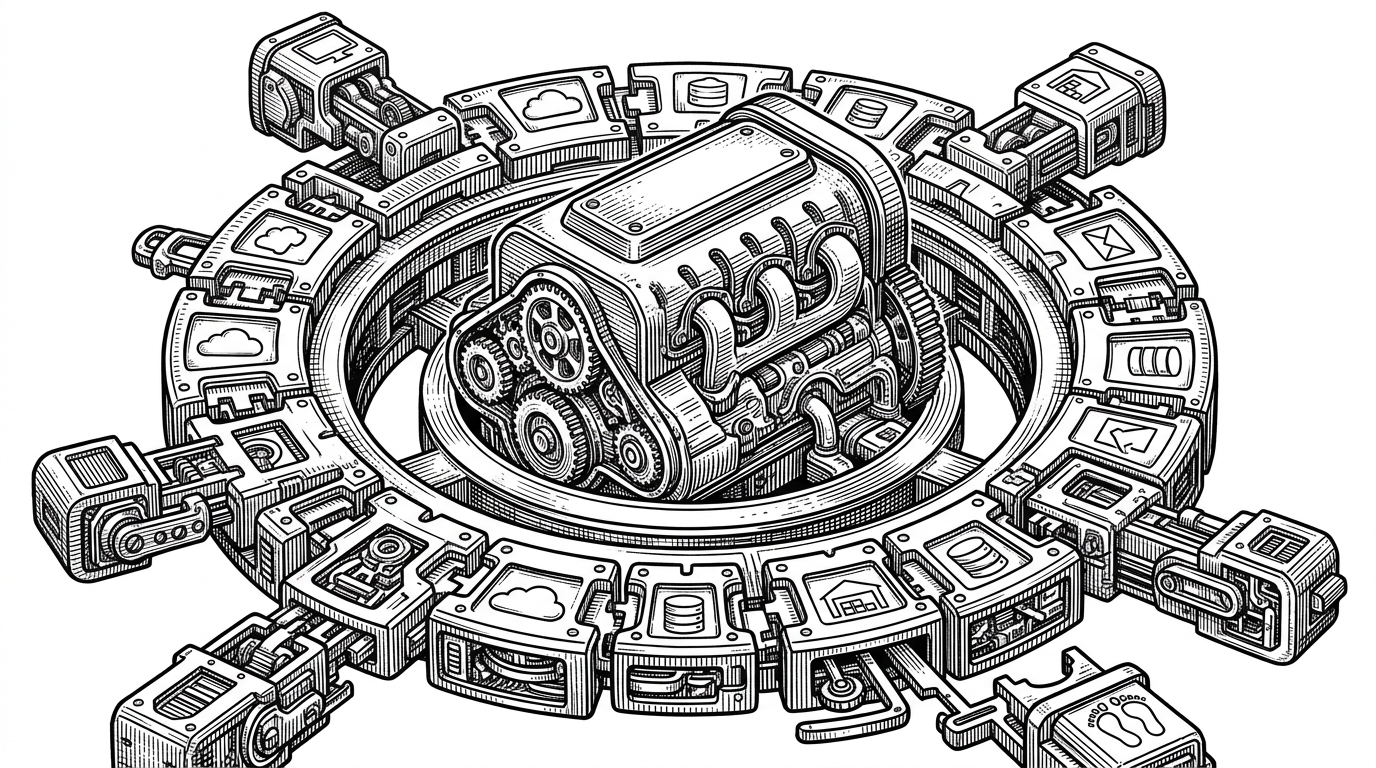
- Airflow scales by shrinking the center, not by stuffing every integration into the core.
- Providers turn the ecosystem into the real extension point, which keeps releases and ownership boundaries clean.
- Breeze is architecture in disguise because reproducible development is what makes a huge contributor base viable.
- Airflow’s 3.x direction reads like control-plane modernization, not a cosmetic version bump.
Airflow is often described as a scheduler. That is true, but incomplete. The more revealing fact is that it survives by being stubborn about what belongs in the core and what does not.
Once you see that boundary, the rest of the repository starts to make sense. The scheduler, webserver, and task execution machinery stay narrow. Everything messy, fast-moving, and vendor-specific gets pushed outward into providers.
The center is small on purpose
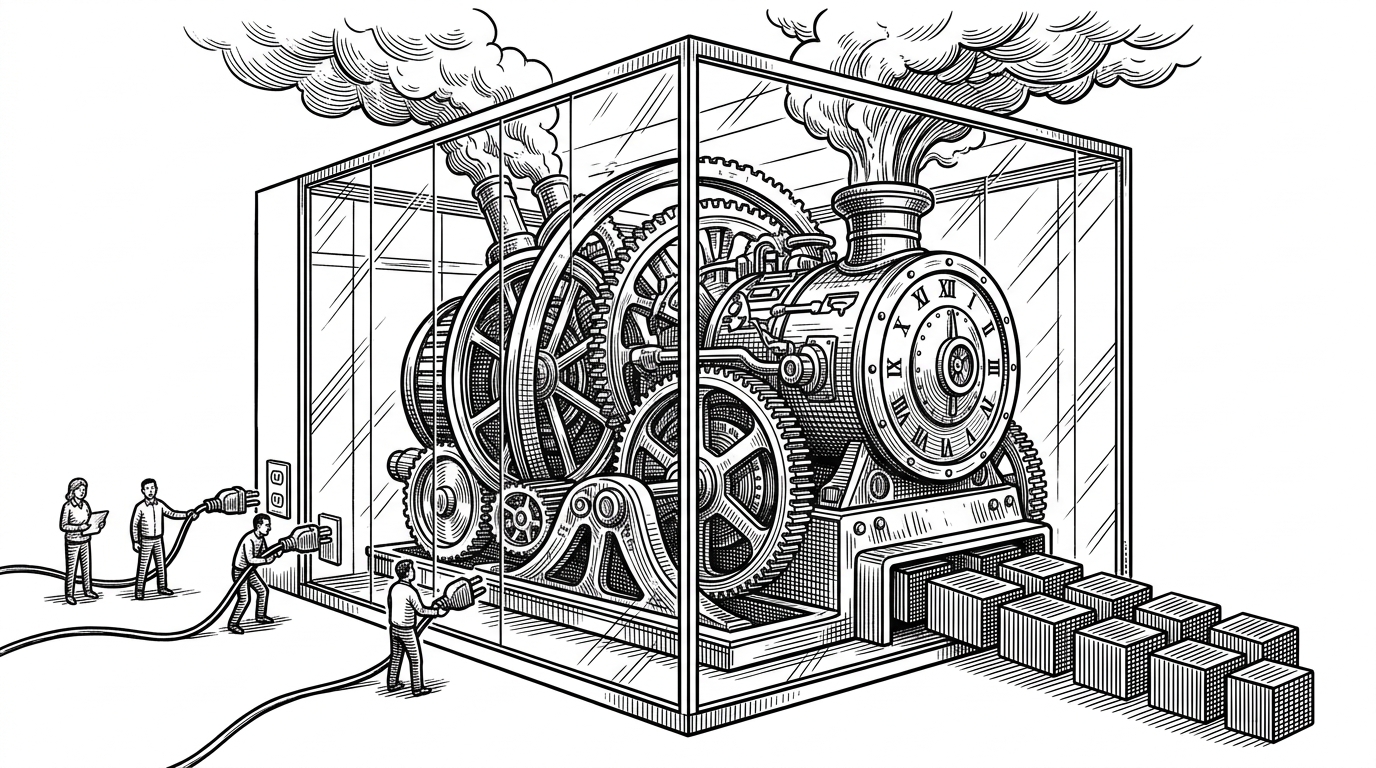
That is the whole trick. Airflow is not trying to absorb every cloud API, warehouse quirk, or SaaS integration into a single monolith. It keeps the orchestration engine coherent, then lets the ecosystem absorb change.
This matters because workflow engines do not fail only on runtime complexity. They fail when the integration surface becomes the product. Airflow’s architecture says the opposite: integrations are important, but they should not dictate the shape of the engine.
Providers are Airflow’s real moat
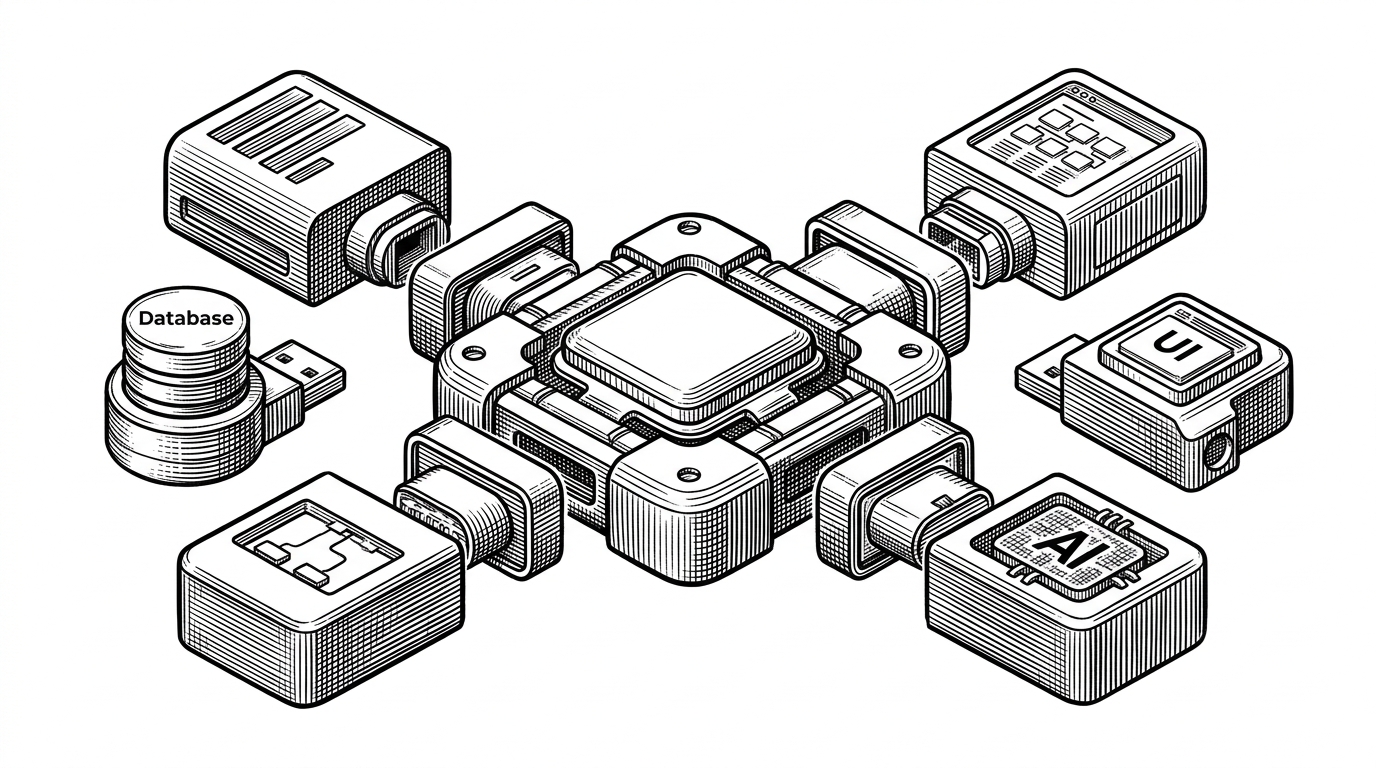
Providers are not a minor packaging detail. They are the boundary that keeps Airflow from collapsing under its own success. Cloud hooks, database operators, messaging integrations, and warehouse adapters can evolve without forcing a core rewrite every time a vendor changes an API.
That split also changes ownership. The core project can stay opinionated about orchestration semantics while contributors work in smaller, more legible packages. In a project this large, that is a governance mechanism as much as a software design choice.
| Dimension | Airflow core | Providers |
|---|---|---|
| Scope | Scheduler, webserver, execution semantics | Integrations and service-specific logic |
| Change rate | Deliberately slow | Can move quickly |
| Risk | Breaking orchestration guarantees | Breaking a connector or operator |
| Release pressure | High scrutiny | Isolated blast radius |
| Value | Stability | Ecosystem reach |
The comparison is simple, but the effect is profound. Airflow does not win by making the core bigger. It wins by making the edge easier to extend.
Breeze exists because “pip install” is not enough
Our Airflow translation story is a vivid example of how AI, when used thoughtfully and with a commitment to community, can not only accelerate progress but also strengthen the bonds that make open source truly special.
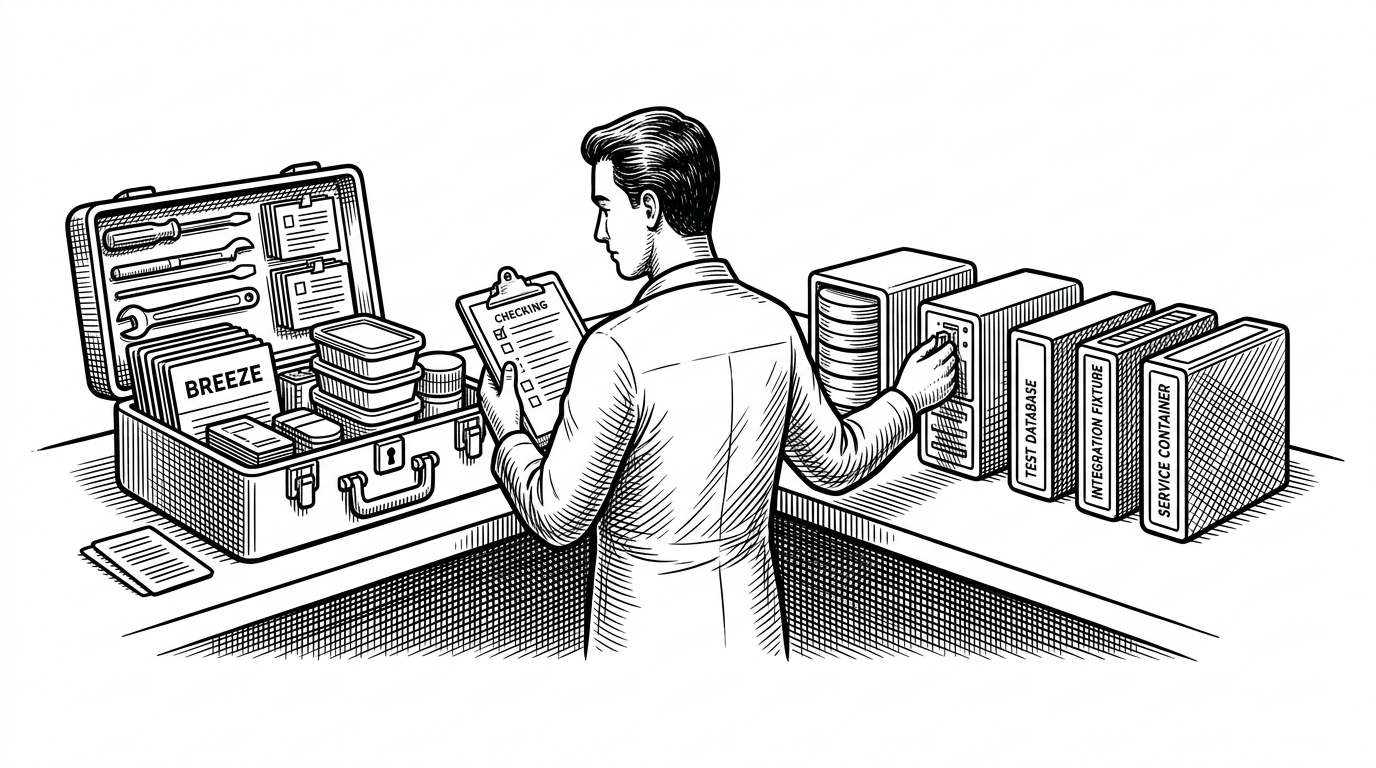
At Airflow scale, contributor experience is not a side quest. It is part of the architecture. Breeze standardizes the development environment so a contributor can work against the same databases, dependencies, and integration assumptions as everyone else.
That sounds like tooling. In practice, it is a way to preserve the architecture’s invariants. If every contributor can reproduce the same environment, then the project can enforce the same boundaries, tests, and release discipline without relying on tribal knowledge.
from airflow.decorators import dag, task
from datetime import datetime

@dag(start_date=datetime(2024, 1, 1), schedule=None, catchup=False)
def sales_pipeline():
    @task
    def load_regions():
        return ["us", "eu", "apac"]

    @task
    def build_tasks(region):
        return f"process_{region}"

    for region in load_regions():
        build_tasks(region)

sales_pipeline()
That little loop is the reason Python still works here. Airflow does not need a declarative DSL to generate large workflow graphs. It uses Python itself, which means the code can inspect configuration, emit tasks dynamically, and still remain understandable to the people who own it.
The tradeoff is that Python becomes both authoring language and orchestration surface. Airflow accepts that bargain. It would rather be explicit, programmable, and familiar than invent a separate abstraction layer that contributors have to learn and maintain.
The container stack is part of the product
The Docker story is not incidental either. The repository’s build system is tuned to produce slim runtime images from a heavier builder stage, then copy only what the final image needs. That is a classic production pattern, but here it carries the project’s philosophy into deployment.
Even details like LTO toggles and FIPS handling tell the same story. Airflow is not just a library. It is an operational platform that has to work in regulated, performance-sensitive environments without making the release process fragile.
| Concern | What Airflow does | Why it matters |
|---|---|---|
| Build size | Uses a multi-stage image | Keeps runtime containers slim |
| Performance | Can enable LTO | Pursues faster Python startup and execution |
| Compliance | Has FIPS-aware paths | Supports stricter environments |
| Reproducibility | Copies a prepared virtualenv | Reduces drift between build and runtime |
This is what maturity looks like in infrastructure software. The build pipeline is not just packaging. It is a statement about what the project expects from itself in production.
Airflow versus Prefect is a philosophy fight
| Question | Airflow | Prefect |
|---|---|---|
| What is it first? | A governed orchestration framework | A more flexible Python library and platform |
| Primary strength | A stable ecosystem boundary | Fast developer ergonomics |
| Integration model | Providers around a narrow core | Closer coupling to user code |
| Best fit | Large teams with shared operational discipline | Teams that want more runtime flexibility |
| Core tradeoff | More structure | More adaptability |
This is not a winner-takes-all comparison. Airflow’s model makes sense when the problem is less about writing tasks and more about governing a huge shared system. Prefect’s model makes sense when developer velocity and runtime flexibility matter more than a rigid framework boundary.
What the 3.x transition signals
The 3.x line reads like control-plane modernization. The important part is not just the new UI or the shiny surface layer. It is the deeper move toward decoupled execution, stronger versioning, and a clearer split between orchestration and runtime concerns.
That is exactly what you would expect from a project that has learned to survive by reducing pressure on the center. Airflow does not need to reinvent itself as a different kind of tool. It needs to keep tightening the boundary that made it durable in the first place.