GrowthOS: GrowthClaw: The Marketing OS That Refuses to Ship Without a Gate
A stateful workflow engine for growth work, where strategy becomes tasks, tasks require approval, and every run leaves a replayable trail in SQLite.
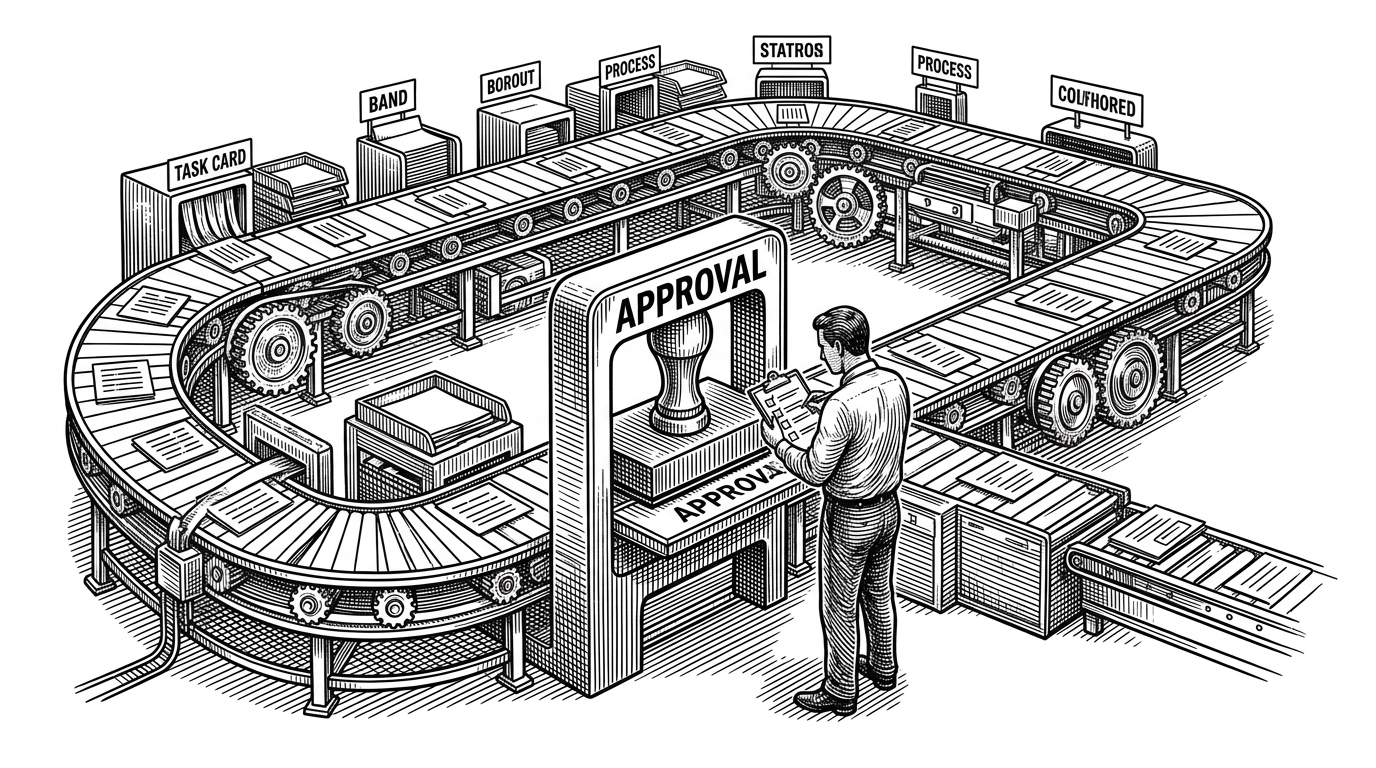
- GrowthClaw treats marketing as a controlled state machine, not a chat interface with better prompts.
- Its most important feature is the approval gate, which forces drafted work through human review before execution.
- SQLite-backed state gives the system replayability, auditability, and a memory that generic automation tools usually skip.
- The scheduled strategy-evolution loop closes the feedback cycle and turns growth into an operating discipline.
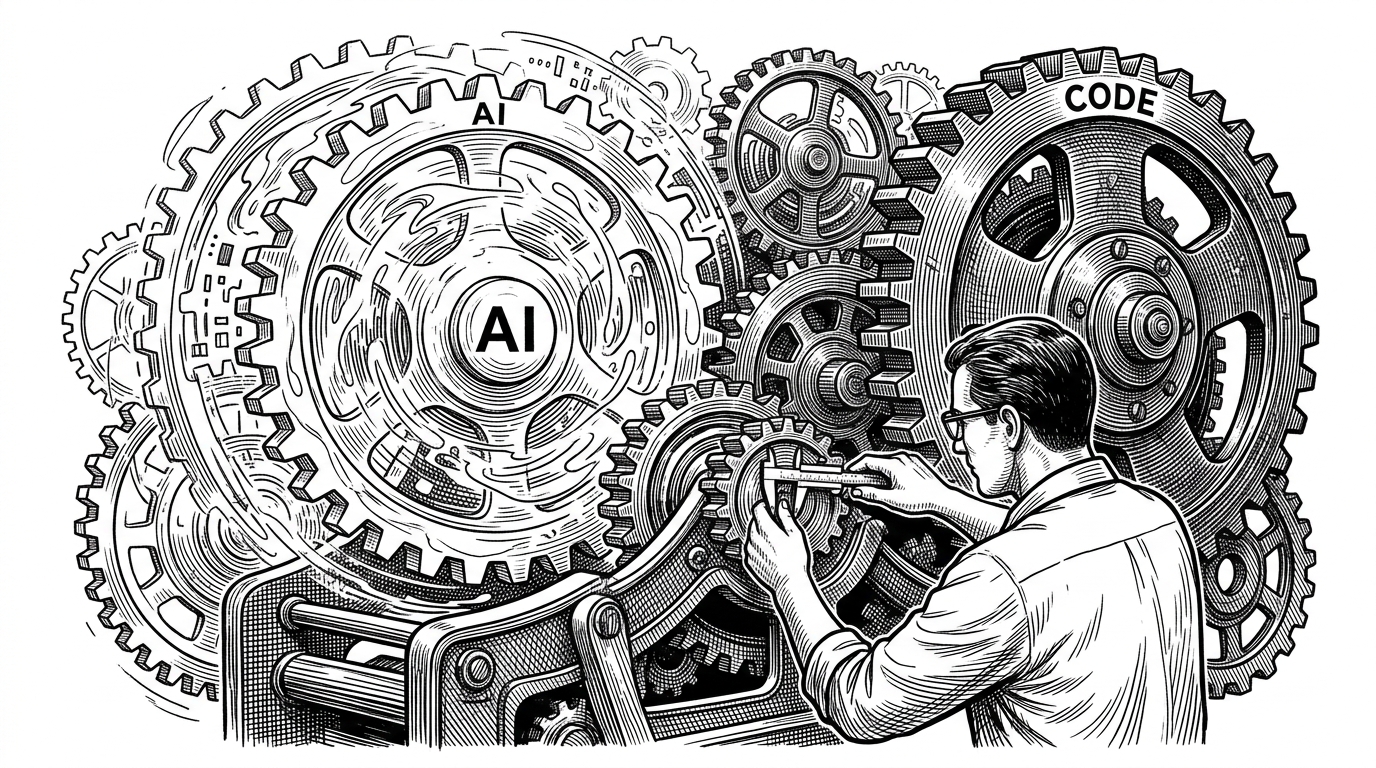
GrowthClaw is interesting because it does not try to make marketing more conversational. It tries to make it more governable. The repo frames growth work as a pipeline with memory, approval, execution, evaluation, and scheduled revision, which is a very different claim from “AI helps with marketing.”
The Growth Loop Is the Product
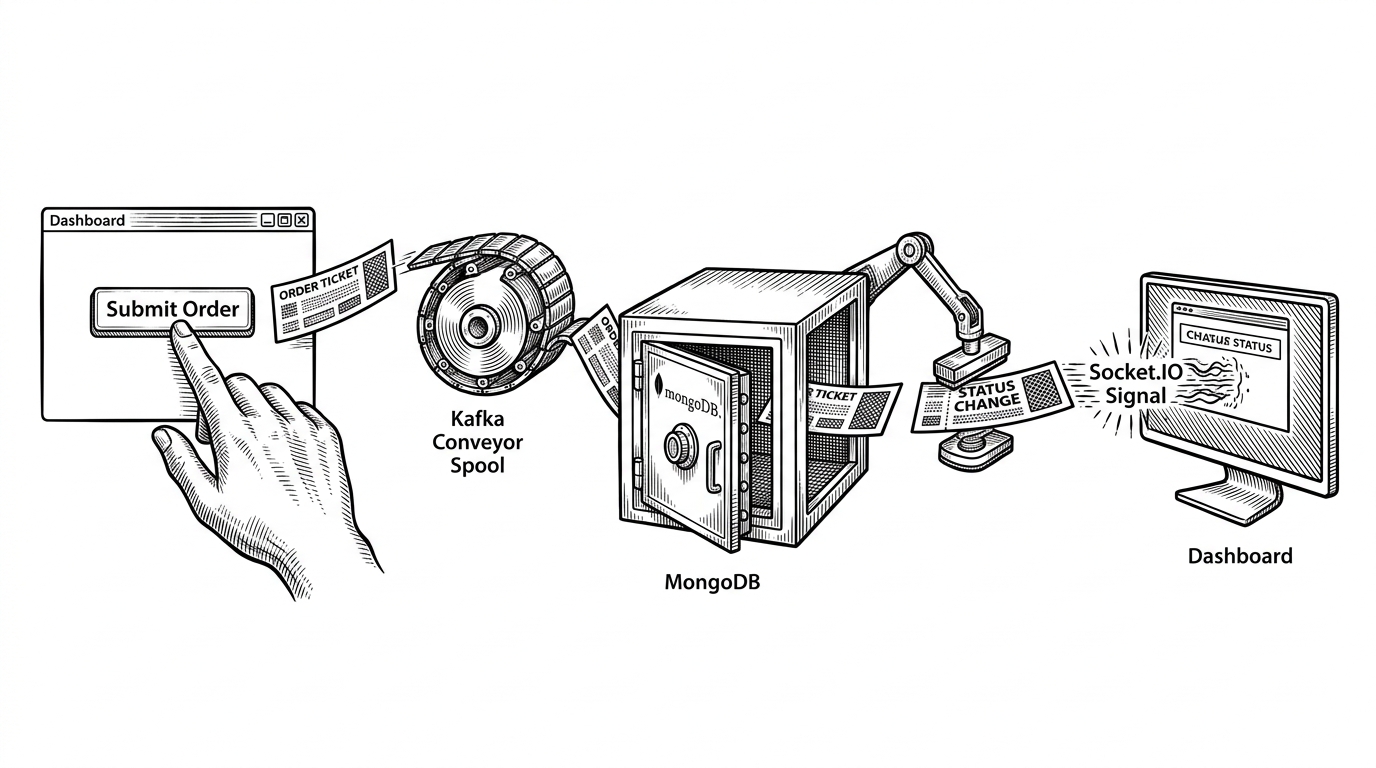
The core unit in GrowthClaw is not a prompt. It is a loop. Context comes in, strategy gets proposed, tasks get planned, a human approves them, execution produces artifacts, and evaluation feeds the next decision. That is the whole point: the project is trying to structure judgment, not merely accelerate output.
GrowthClaw is an open-source marketing operating system that runs alongside OpenClaw. It turns high-level marketing goals into a structured task pipeline: context intake, strategy, human approval, execution, and strict evaluation—so your agent-driven marketing stays on strategy and under control.
That quote is the project in one sentence. The important word is not marketing. It is pipeline. GrowthClaw is opinionated about sequence, permission, and accountability, which is why it reads less like a bot and more like infrastructure.
Why Human Approval Is the Point
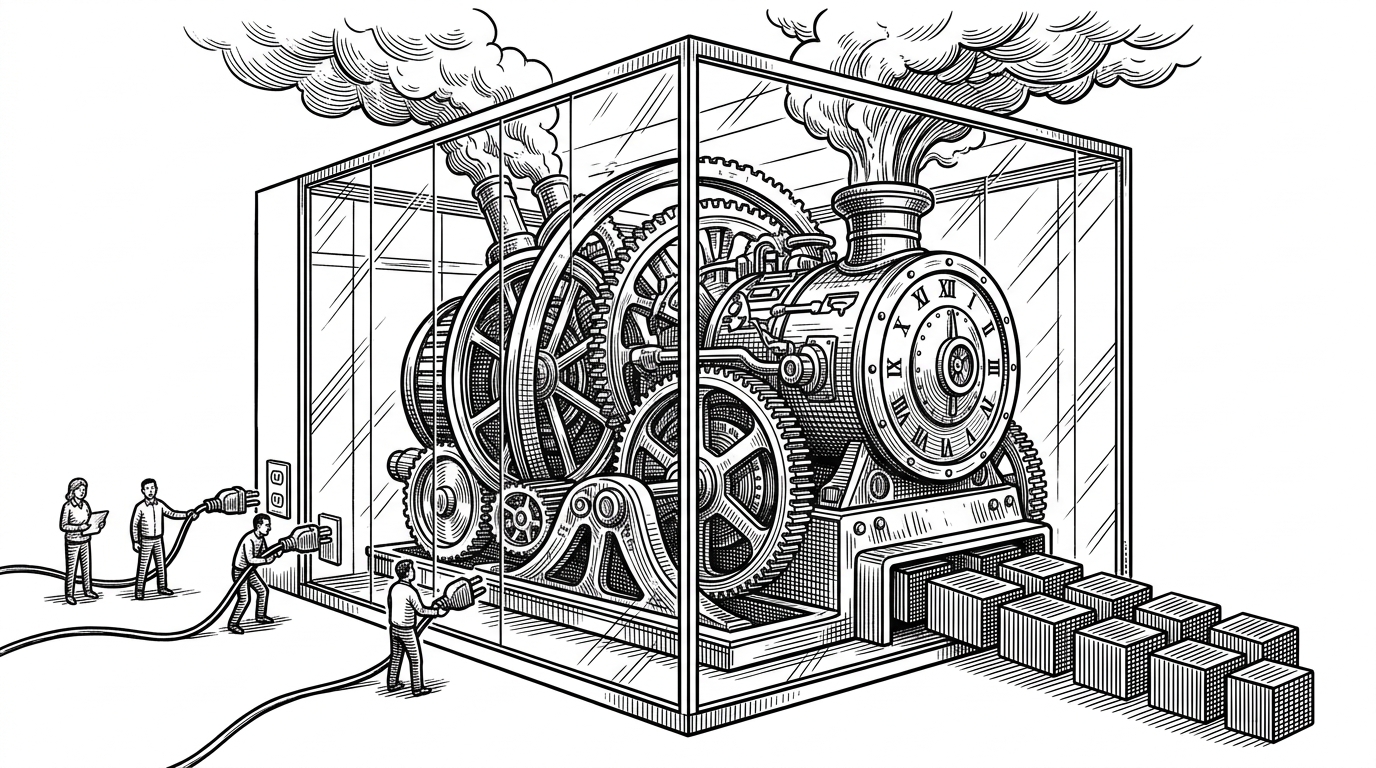
The `needs-approval` gate changes the whole shape of the system. Tasks are drafted first, then reviewed, then allowed to run. That sounds obvious until you compare it with the usual agent pattern, where a model keeps moving unless someone intervenes after the fact.
task:
  id: launch-week-landing-page
  status: needs-approval
  owner: marketing
  inputs:
    context: product-launch-notes
    strategy: q2-growth-plan
  next:
    - review
    - approve
    - execute
    - evaluate
That kind of state makes the project legible. You can see where work is blocked, who can unblock it, and what happened before the current step. The system is designed to make discretion explicit instead of hiding it inside prompt text.
The State Machine Under the Hood
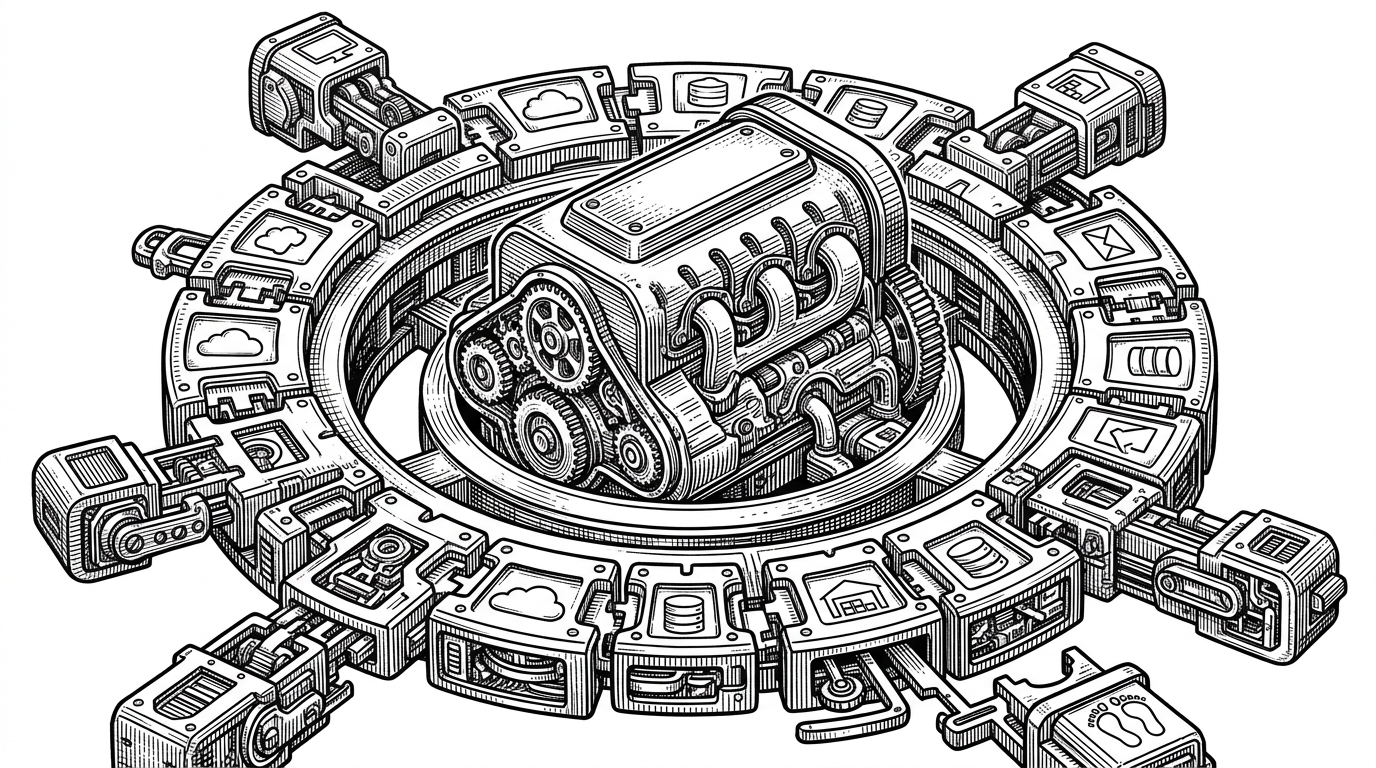
Underneath the workflow is persistent state. Tasks, strategies, and outcomes are stored so the system can be replayed, audited, and revisited. That matters because growth work is usually messy in exactly the places software likes to forget: why a decision was made, who approved it, and what result followed.
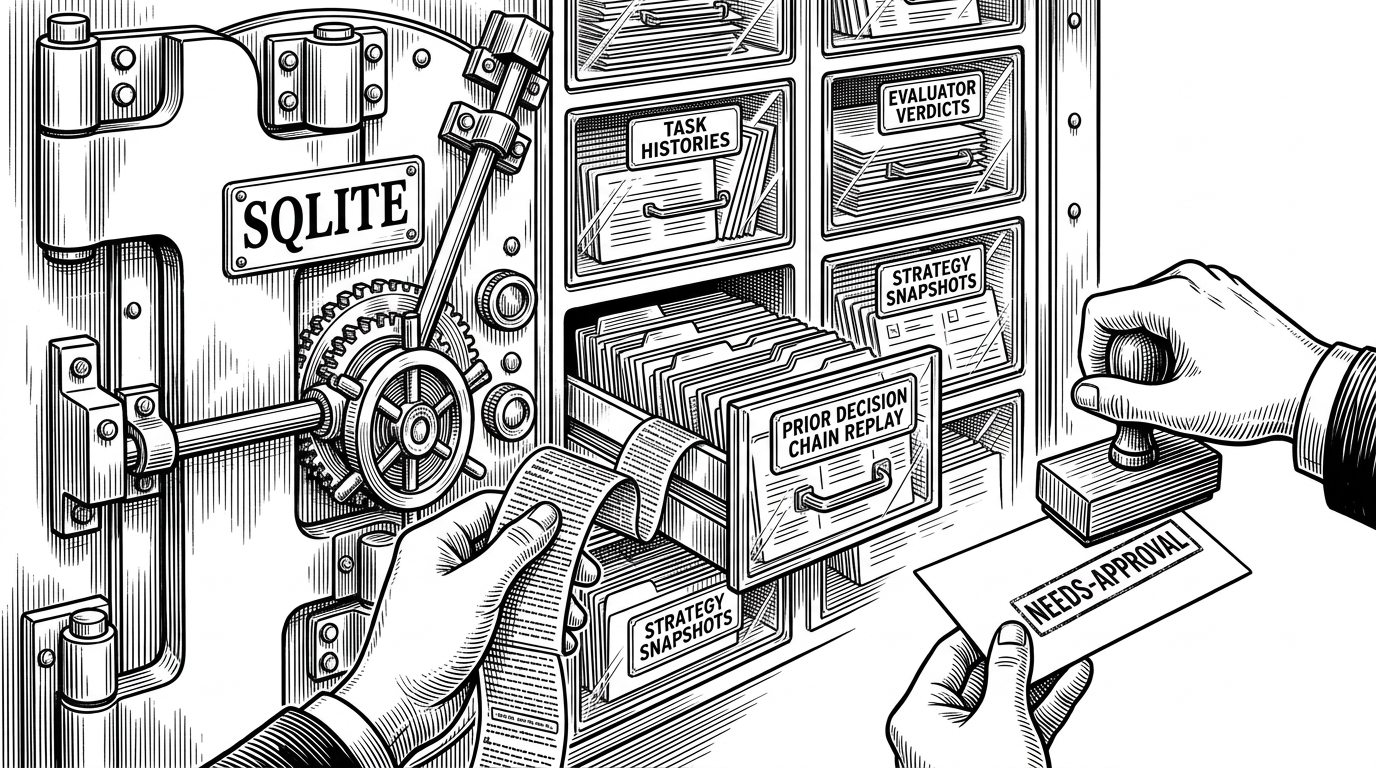
The technical bet is simple. If the system remembers enough, it can review itself. If it can review itself, it can improve without becoming a black box. That is a much stronger story than a one-off automation script.
The Strategy Evolution Loop
The most editorially interesting part of GrowthClaw is the scheduled review cycle. Instead of waiting for a person to notice drift, it re-reads context and outcomes on a cadence, then proposes new work based on what actually happened. The result is a feedback system, not a queue of chores.
I’ve been experimenting with treating growth execution as a stateful system instead of a collection of tools.
That framing is the bridge between the repo and the article. GrowthClaw is not trying to be smarter than the team. It is trying to make the team’s strategy less forgetful, less ad hoc, and more reviewable over time.
Where the loop matters most
In a normal workflow, finished work disappears into history. Here, finished work becomes input. The evaluator’s verdict, the task history, and the current context are all part of the next proposal, which means the system can course-correct on its own schedule.
Why It Feels Different From Generic Automation
| System | What it optimizes for | What it lacks |
|---|---|---|
| GrowthClaw | A marketing-specific workflow with state, approval, and eval gates | Broad generality |
| Zapier or n8n | Trigger-action automation across many apps | A built-in strategic loop |
| Auto-GPT style agents | Higher autonomy and open-ended execution | Tight control and replayable governance |
| LangChain or Flowise | Frameworks and building blocks | A prebuilt marketing operating system |
| Manual marketing ops | Human judgment and flexibility | Persistent memory and structured replay |
The comparison is not about winners and losers. It is about shape. GrowthClaw is narrower than general tools on purpose, and that narrowness is what gives it coherence.
Who This Is Really For
This is for people who want agentic marketing without surrendering control. If you want approval gates, deterministic steps, visible history, and a clear place to inspect every decision, the project makes sense. If you want a chatbot that improvises freely, it probably feels heavy.
Nothing goes “live” without going through this pipeline; draft-only and approval gates are the default.
That default tells you exactly who the system is for. It is for teams that care about discipline as much as speed, and for operators who want software to enforce process instead of merely suggesting it.
The Hard Trade-Offs
The upside is obvious: auditability, control, and a clean feedback loop. The cost is just as real: setup friction, a narrower model of marketing work, and more ceremony than a casual automation stack. GrowthClaw earns its complexity by taking accountability seriously.
That is why the project stands out. It is not trying to be a universal agent framework or a shiny marketing copilot. It is trying to be the operating layer for a very specific kind of growth team, one that wants every step to be visible, governed, and replayable.