dflash-mlx: Speculative Decoding Gets a Tape Recorder
A Mac-native DFlash engine that drafts tokens in blocks, verifies them losslessly, and rewinds hybrid model state without rebuilding everything from scratch.
- DFlash-mlx treats speculative decoding as a state problem, not just a token prediction problem, and that is what makes the speedup believable on hybrid models.
- The repo’s real trick is tape-replay rollback, which restores accepted state without rebuilding everything from scratch.
- Block drafting matters because it lets the draft model work in chunks, while the target model still keeps final authority over every emitted token.
- Apple Silicon and MLX are not just the setting here. They are what make custom kernels, unified memory, and numerically careful rollback practical.
The part everyone misses: rollback is the real problem
Speculative decoding sounds simple until the model state stops being a plain KV cache. Then the question is no longer just, which tokens did the draft guess? It becomes, what state can be safely rewound after some of those guesses are rejected?
That is where dflash-mlx gets interesting. It is built for DFlash block diffusion, but the hidden work is in preserving numerical coherence when the target model accepts only part of a draft block. For hybrid models like Qwen3.5, rollback is not a footnote. It is the central engineering problem.
| Mode | Draft unit | Rollback strategy | Best fit | Complexity |
|---|---|---|---|---|
| Baseline MLX generation | Token | No rollback, plain autoregressive step | Generic generation | Low |
| Standard speculative decoding | Token | KV cache or full-state handling | Broad LLM use | Medium |
| dflash-mlx | Block | Tape replay of accepted state deltas | Hybrid models on Apple Silicon | Higher, but targeted |
What DFlash changes: draft in blocks, verify in one pass
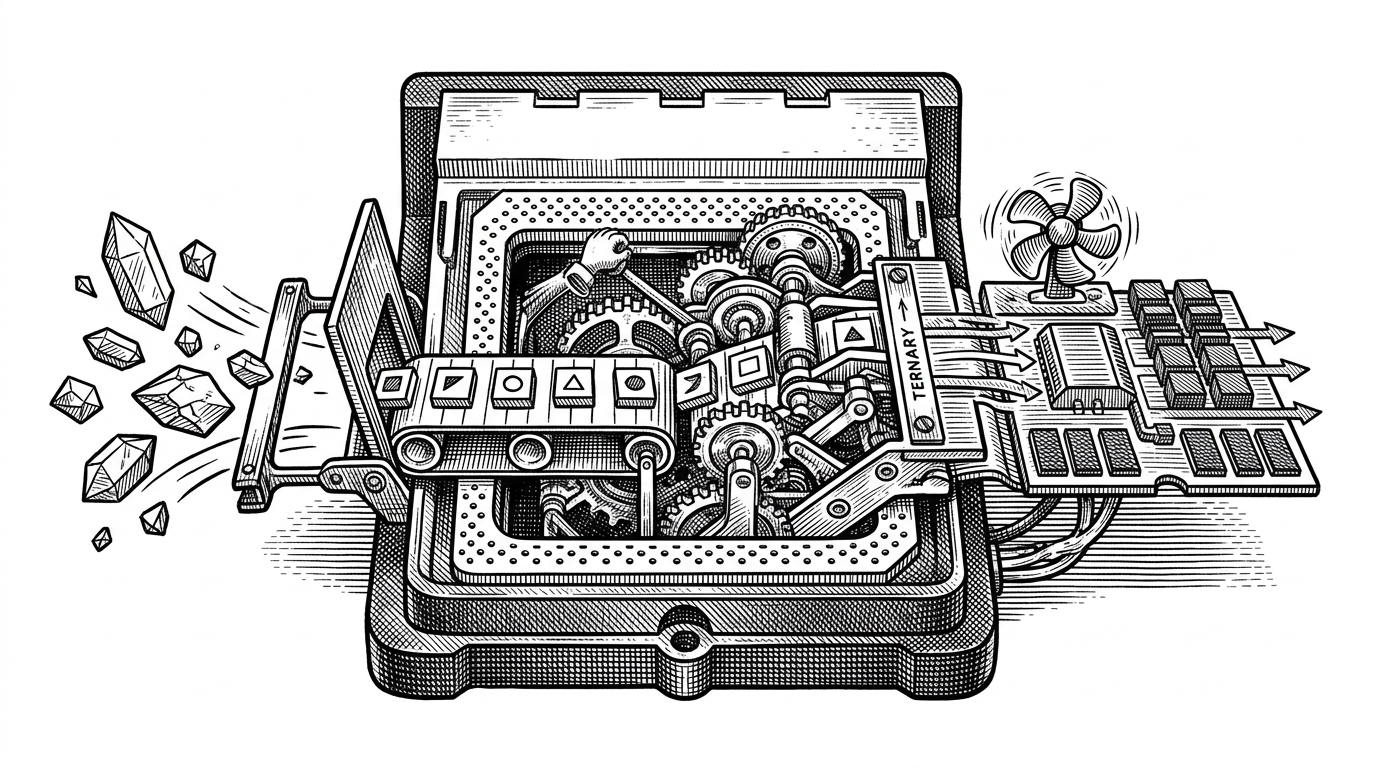
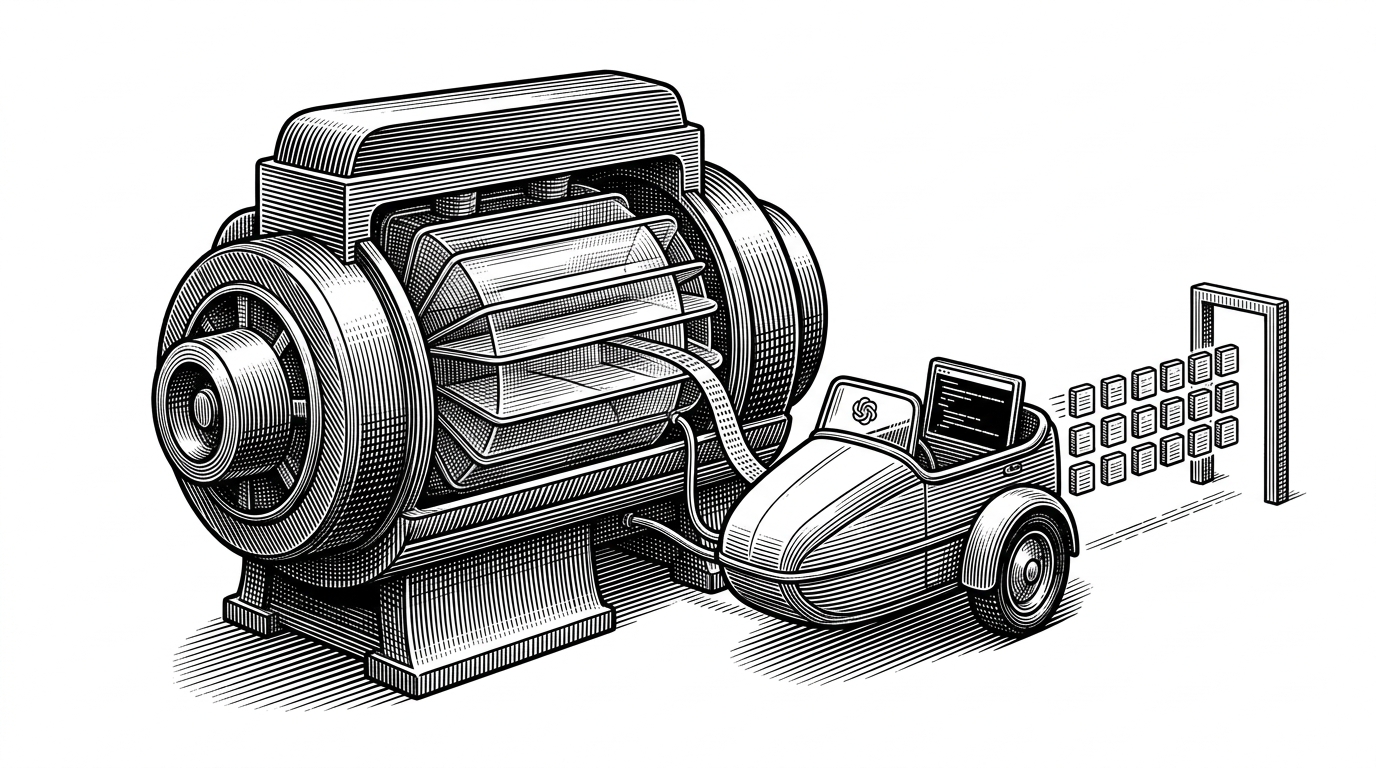
The basic loop is easy to state. A small draft model proposes a block of tokens in parallel. The target model then verifies them in one pass. If the prefix matches, those tokens are committed. If the draft diverges, the system rolls forward only the accepted part and replays the state it needs.
Block-diffusion draft generates 16 tokens in one pass. Target verifies in one pass. Output is lossless — every emitted token is verified against the target model before it is committed.
That block size is the point. Most speculative decoding visuals show a tiny fork where one token is guessed and then approved. This repo works with a slab of predictions, which changes the operational shape of the system. You are not merely predicting faster. You are amortizing the verification work across a chunk of output.

Tape-replay rollback: the repo’s most interesting trick
The smartest part of dflash-mlx is not the draft model. It is the way the repository treats state as something you can checkpoint implicitly through an innovation tape, then replay only as far as the accepted prefix. That matters because hybrid recurrent models do more than store attention history. They accumulate state that has to stay numerically aligned if the output is going to remain lossless.
accepted = _match_acceptance_length(draft_tokens, target_tokens)
cache.rollback(accepted)
# replay only the accepted prefix through the innovation tape
cache.replay(accepted)
commit(target_tokens[:accepted])
In practical terms, that means the project does not pay the cost of reconstructing everything after a mismatch. It only restores what is needed, and it does so with custom Metal kernels where MLX’s normal paths would be too blunt. That is the difference between a neat speculative demo and an inference engine that can survive hybrid state.
Uses stock MLX plus a small number of targeted kernels where rollback and long-context verify need tighter numerical control.
Why MLX and Apple Silicon are the point, not just the platform
MLX is not just a dependency here. It is the reason a Mac-native implementation of DFlash feels plausible. The project leans on MLX for model loading and dispatch, then reaches for targeted Metal kernels when the rollback path or long-context verification needs tighter control.
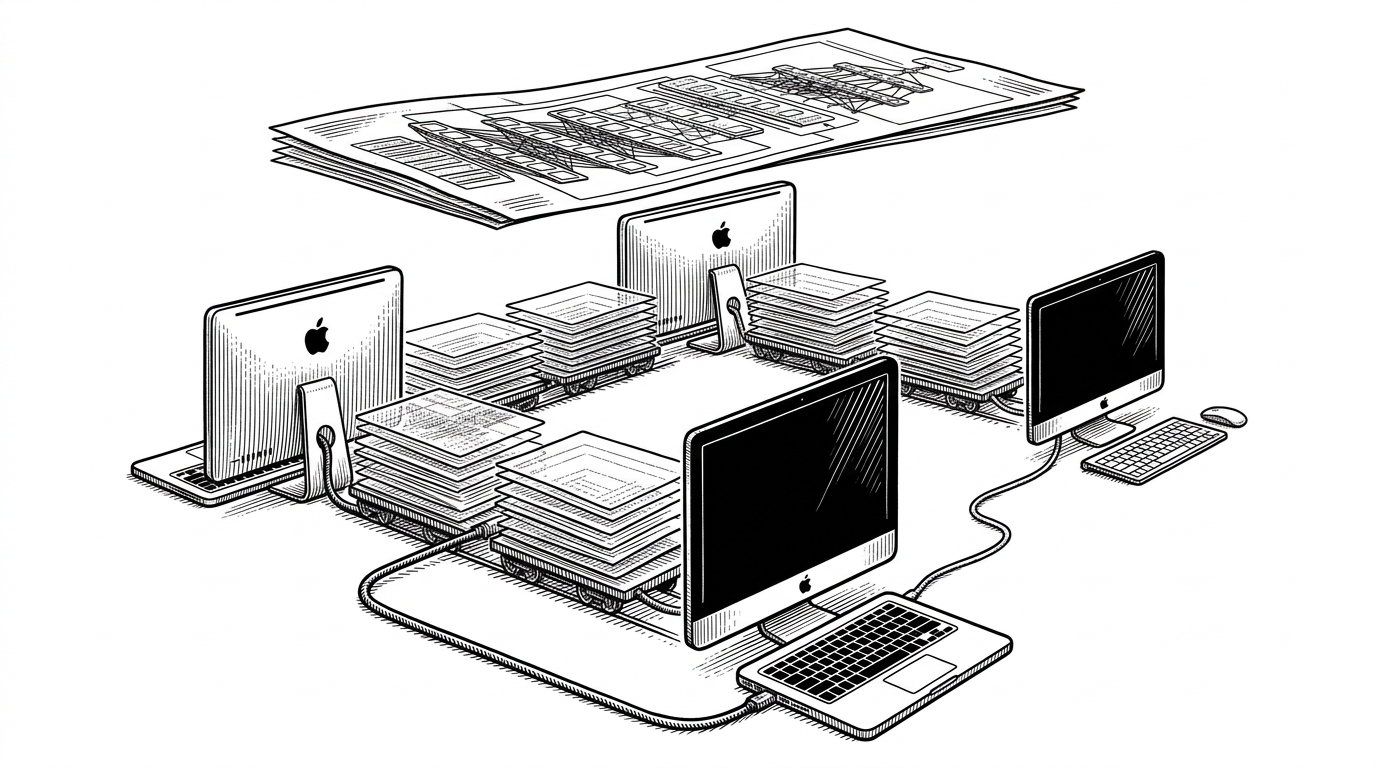
That architecture fits Apple Silicon well. Unified memory makes the data movement story cleaner, and the project’s OpenAI-compatible server shape means it can slot into real workflows instead of living only as a benchmark artifact. In other words, the repo is shaped like product infrastructure, not just a paper reproduction.
The broader implication is bigger than this one repo. Apple hardware is no longer just a place to run smaller models. It is becoming a serious lab for inference systems that need custom kernels, careful state handling, and end-to-end serving.
How it compares to the baseline
| Approach | What gets drafted | How rejection is handled | Numerical risk | When it shines |
|---|---|---|---|---|
| Baseline MLX autoregressive generation | One token at a time | No speculative rollback path | Lowest | Simple, generic generation |
| Standard speculative decoding | Single tokens or small steps | Often KV-centric rollback | Moderate | General speedups on broad LLMs |
| dflash-mlx | 16-token blocks | Tape replay of accepted state | Managed with custom kernels | Hybrid models on Apple Silicon |
The trade-off is clear. dflash-mlx is more specialized than a generic generator, and more opinionated than a standard speculative decoder. But that specialization buys it the thing general approaches often miss: a rollback story that matches the model’s actual state.
Who this is for, and where it fits
This repo makes the most sense for MLX users, Apple Silicon builders, and inference engineers who care about stateful models. It also has the feel of a real toolchain: a server, benchmarks, compatibility with Open WebUI and Continue, and model-specific tuning rather than a one-size-fits-all abstraction.
If you care about how fast generation gets engineered, not just advertised, dflash-mlx is worth studying. The point is not that speculative decoding exists. The point is that once the state gets complicated, the rollback mechanism becomes the product.