Core Framework Is a Design System Compiler, Not Just Another CSS Toolkit
A deep dive into the token engine that turns colors, spacing, and typography into portable CSS for WordPress, Figma, and the web.

- Core Framework’s real product is portability, because it compiles one design source into multiple builder and web outputs.
- The token model is stricter than a normal CSS toolkit, using schema validation, IDs, and structured objects to keep design systems from drifting.
- Its color engine is the clearest proof that the project behaves like a compiler, not a stylesheet, because one token fans out into variables, utilities, and theme variants.
- The project sits between opinionated frameworks and token tools, trying to become the middle layer that design teams can actually keep in sync.
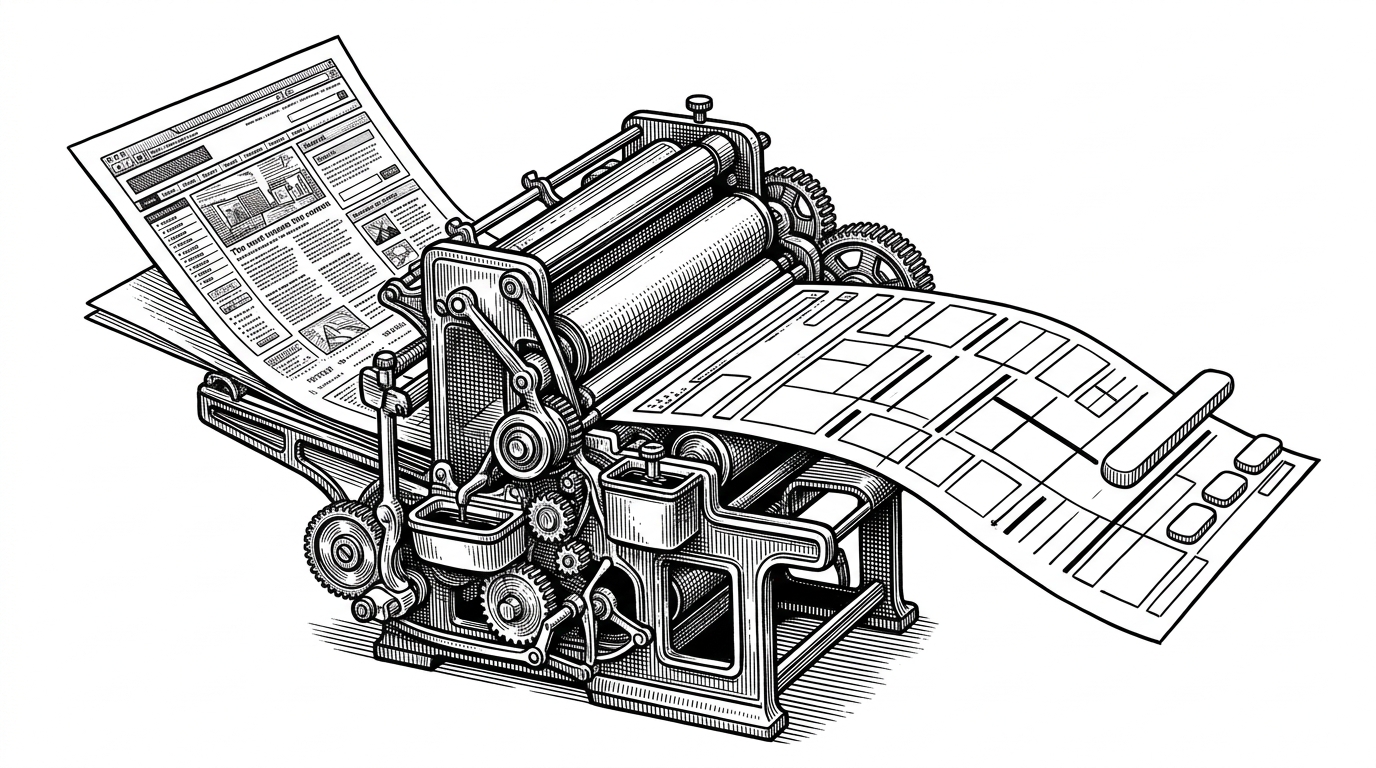
Core Framework looks like a CSS framework until you watch what it does. Then the better description becomes obvious: it is a compiler for design systems.
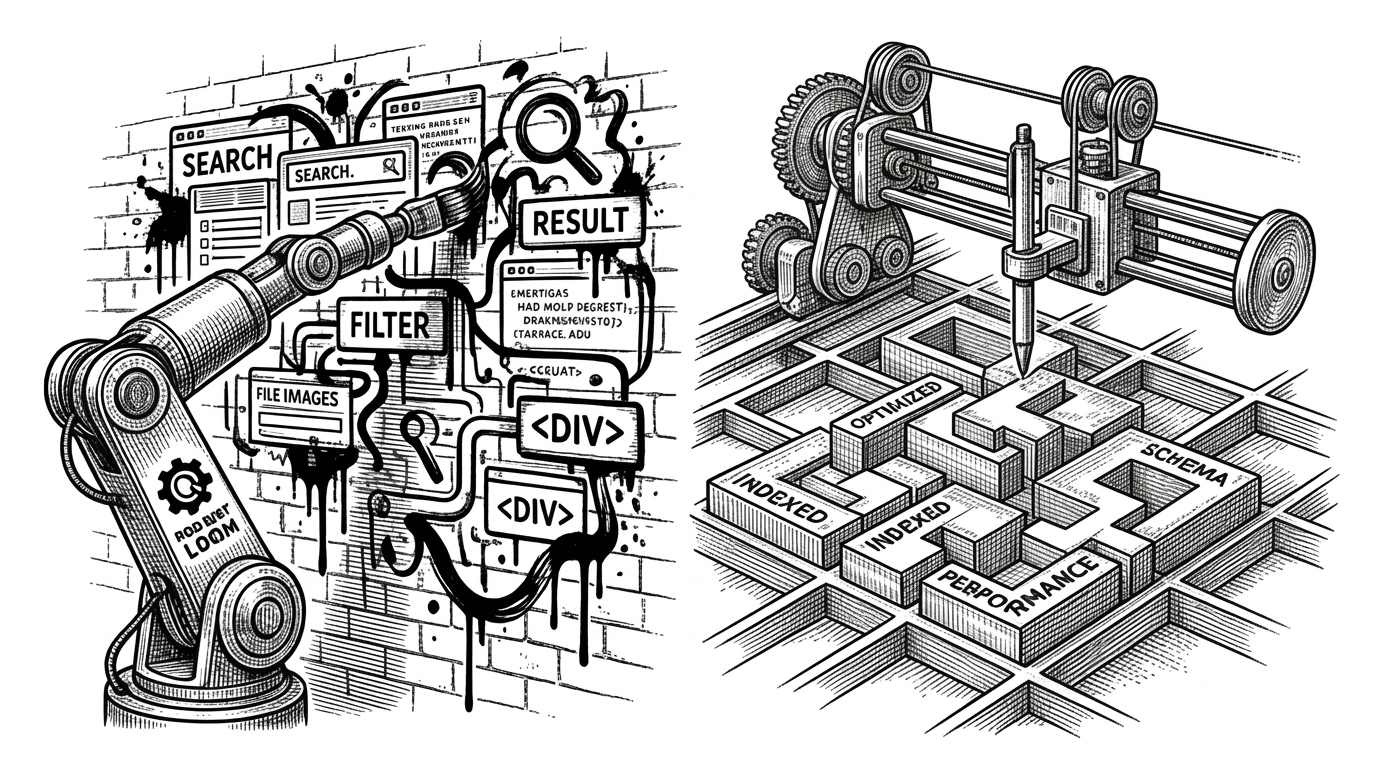
That matters because most styling tools solve only one layer of the problem. They give you classes, variables, or a theme. Core Framework tries to turn a design language into a portable data model that can survive movement across WordPress builders, Figma, and the web app without collapsing into hand-tuned CSS.
Core Framework is going open source. David Babinec has announced that the framework and its builder extensions will become free and live on GitHub, while the template packs stay as a premium option on the website.
The real product is portability
The project’s main promise is not a prettier stylesheet. It is a shared source of truth that can be edited once and emitted in different forms. In practice, that means design tokens, utility classes, and builder-specific outputs are all downstream from the same model.
That is a sharper proposition than a normal framework. Opinionated systems ask you to adapt to them. Core Framework asks the system to stay editable, validated, and transportable.

A design system treated like data
The repo structure makes the intent plain. The core package holds shared components, Zod schemas, and generation logic. Builder integrations live separately. Figma has its own bridge. The system is organized like software that expects transformation, not just rendering.
The important detail is the schema-first approach. Tokens, groups, and declarations are modeled as structured objects and validated with Zod. They also use ULIDs, which helps keep everything identifiable when the same token has to move between tools without collisions.
const slope = (max.fontSize - min.fontSize) / (max.breakpoint - min.breakpoint)
const preferred = `${min.fontSize}px + ${slope}vw`
const size = `clamp(${min.fontSize}px, ${preferred}, ${max.fontSize}px)`
That is the kind of code that reveals the project’s worldview. The system is not guessing at styles. It is calculating them from explicit inputs, then packaging the result so other parts of the stack can consume it.
The color engine is the clearest proof
The color system is where the compiler analogy stops being metaphor and starts looking literal. One color definition does not just become a variable. It fans out into theme variables, utility classes, shade generation, and dark-mode behavior.
That is the real differentiation. A normal theme swaps colors. Core Framework generates a color system.
Core Framework is not a plugin — it's wired into Instatic as a core system. The same engine that thousands of WordPress professionals use in Bricks and Oxygen is the foundation of Instatic's design layer.
The repository’s color pipeline also shows why the project feels more like infrastructure than a theme pack. It generates artifacts, preserves metadata, and keeps enough structure around the token to let the editor inspect what happened downstream.
Fluid spacing is math, not magic
The spacing and type scale code is refreshingly direct. Instead of hiding responsiveness behind preset jumps, it uses slope and intercept calculations to generate `clamp()` values between two known breakpoints.
That makes the behavior testable. If the input changes, the output changes predictably. That is the difference between a design token system and a pile of utility shortcuts.
The key insight is not that the math is advanced. It is that the math is explicit enough to be reused everywhere else in the framework.
The state model explains how the editor stays sane
Core Framework’s editor logic uses a reducer-in-hook pattern, with Jotai holding the larger state graph. That combination matters when you are manipulating nested token trees and need the UI to stay consistent while users add, duplicate, move, or reshape groups.
// State is shared by reference with Jotai, so mutations must stay disciplined.
// The reducer owns structural changes to the token tree.
const [state, dispatch] = useReducer(formReducer, initialState)
This is the unglamorous part of the system, but it is the part that keeps the editor coherent. Once tokens become data, the state layer has to behave like an actual model, not a bag of form inputs.
Why it sits between frameworks and builders
| Project | What it optimizes for | How opinionated it is | Portability | Figma sync |
|---|---|---|---|---|
| Core Framework | Editable token pipeline | Moderately opinionated | High | Yes |
| Automatic.css | A complete WordPress system | Highly opinionated | Medium | No |
| Fancy Framework | Lightweight Bricks-native setup | Opinionated at the builder level | Low to medium | No |
| Winden / WindPress | Tailwind inside WordPress | Tailwind-first | Medium | No |
| Tokens Studio / Figma Tokens | Design-token authoring | Low at the output layer | High on design side | Yes, but not a full CSS engine |
The cleanest way to understand the comparison is this: Core Framework wants to be the middle layer. It is trying to sit between the designer’s token source and the production system that has to emit real CSS.
That puts it in a rare spot. It is less rigid than a full opinionated framework, but more operational than a pure token editor.
The open-source pivot changed the story, not the architecture
Core Framework is now Free and Open Source. https://github.com/corebunch/core-framework
The FOSS transition changes distribution, audience, and expectations. It does not change what the project is trying to be. The architecture was already set up to act like a shared engine across products, and the open-source move simply widened the surface area.
That is also why the repo feels strategically interesting. It is not just a framework release. It is a bet that design tooling should be portable enough to outlive any single builder, plugin, or workflow.
What Core Framework is really betting on
Core Framework is betting that design systems will work better when they are modeled as structured, validated data instead of hand-maintained CSS. If that is right, the future belongs to tools that can compile the same source of truth into many environments without forcing everyone into one opinionated workflow.
That is a bigger idea than a framework upgrade. It is a claim about where design tooling is headed.