Petdex Turns AI Coding Agents Into Tiny Living Dashboards
A community registry, CLI, and desktop runtime that give long-running coding tasks a visible pulse.
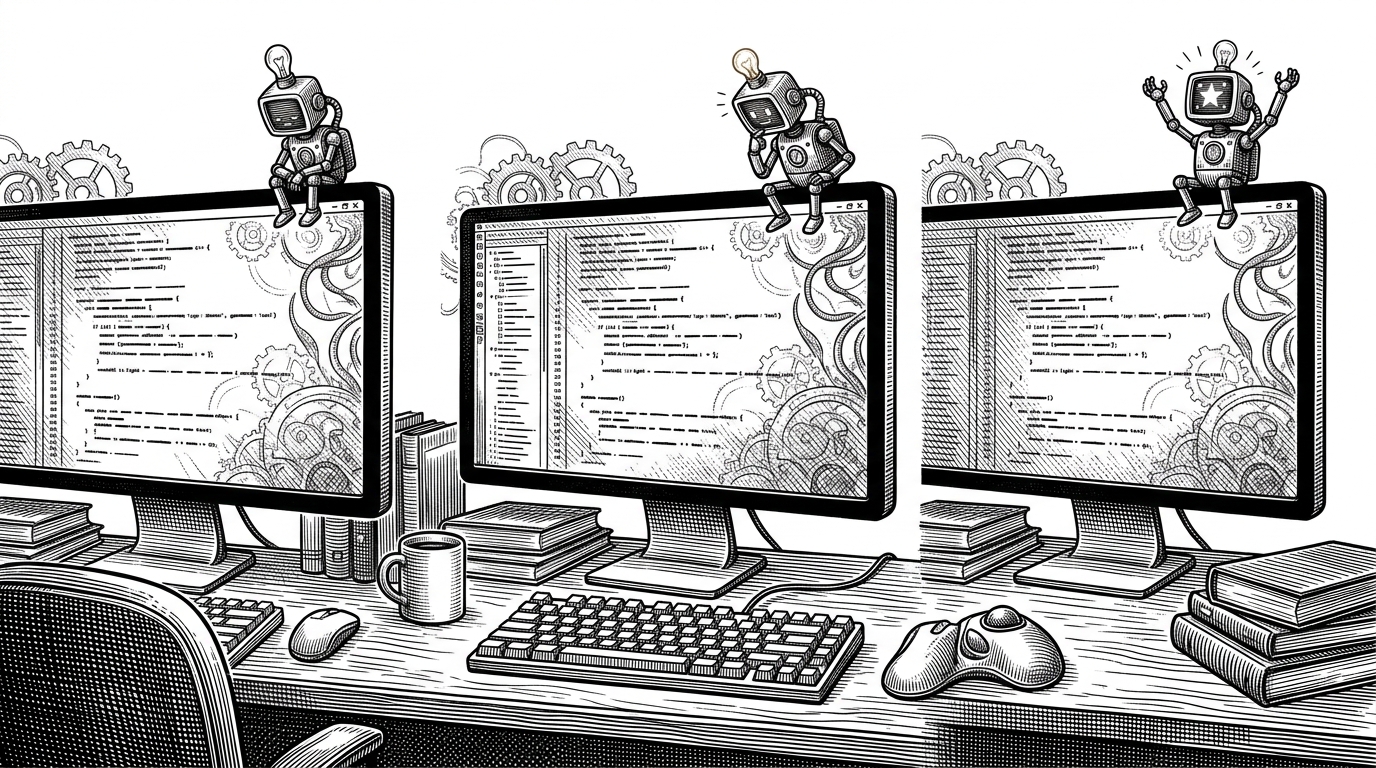
- Petdex treats agent UX as a visibility problem, not a novelty problem, by giving long-running coding work a living status signal.
- Its core trick is a translation layer that collapses messy agent lifecycle events into a small shared pet-state model.
- The project is more than a gallery because the CLI and desktop runtime make the ecosystem installable, routable, and local-first.
- Petdex matters because it turns an open-source community into infrastructure for a new interface pattern around autonomous coding agents.
The hidden job Petdex solves
AI coding agents can be productive and still feel absent. They disappear into long stretches of tool use, file edits, and waiting, which leaves the user guessing whether anything is happening at all. Petdex exists to make that invisible work legible.
That is why the project reads less like a mascot generator and more like a presence layer. It turns agent activity into a companion with a state you can see, share, and react to. The payoff is simple: less uncertainty, more trust.
Founder of Crafter Station, building Peru's tech ecosystem through hackathons, open source, and community.
The bubble system is the real product
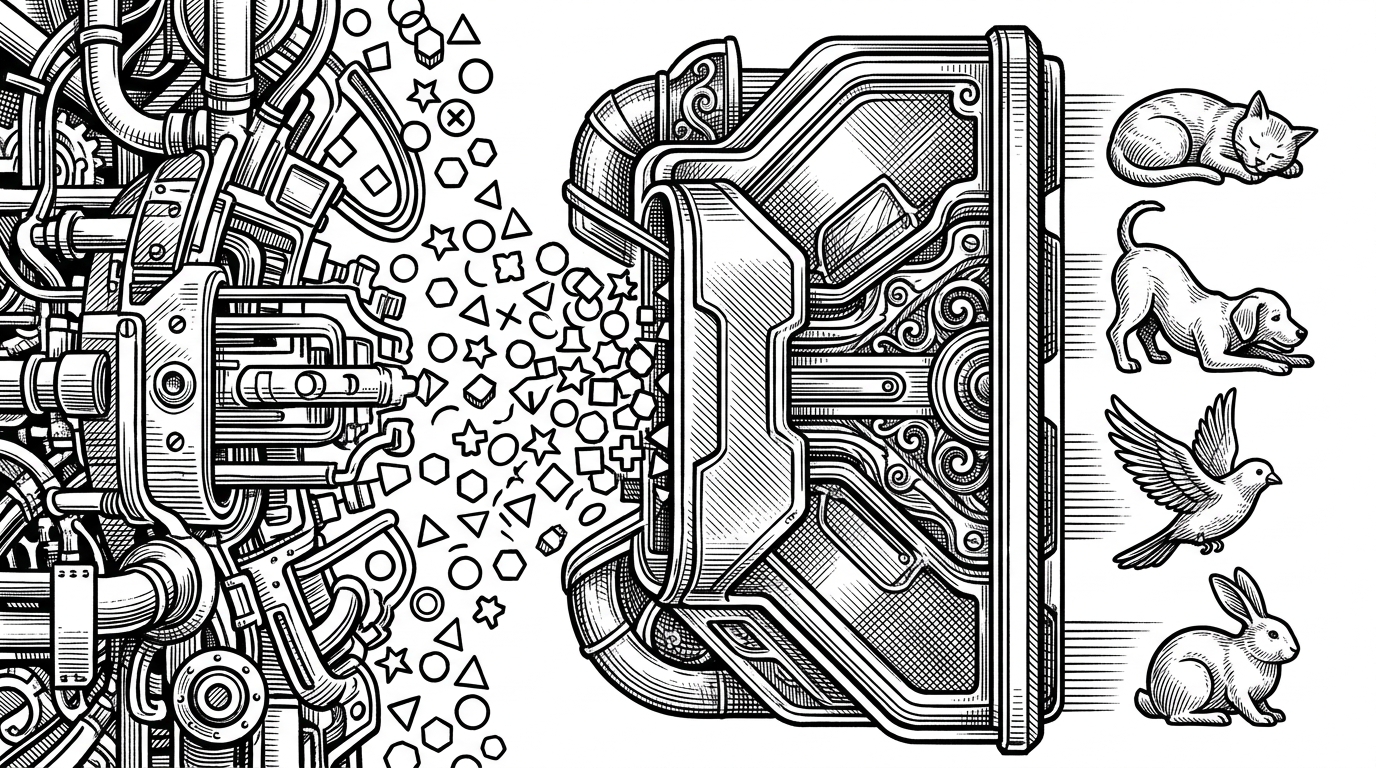
Petdex's interesting idea is not the pet gallery. It is the bubble event pipeline underneath it. Agent hooks such as PreToolUse and UserPromptSubmit are normalized into a shared PetState, then routed locally to the desktop runtime.
That translation step is the whole game. Instead of teaching every agent and every pet pack to speak the same language, Petdex makes the CLI the bridge. Different hooks can collapse into the same reaction, which is exactly what you want when the system is meant to feel coherent rather than exhaustive.
A gallery, a CLI, and a desktop runtime
Petdex is split into three jobs. The web app is the registry and browser. The CLI installs the right assets and forwards events. The desktop client renders the companion and keeps it responsive while the agent works.
petdex up
petdex bubble PreToolUse
petdex bubble UserPromptSubmit
That split matters because it keeps the system legible. The gallery does not have to know how to animate locally. The desktop app does not have to care about community curation. The CLI sits in the middle and makes the handoff feel boring in the best way.
Why the stack looks overbuilt, and why it is not
| Layer | What it does | Why this choice fits |
|---|---|---|
| Next.js, Clerk, Postgres, R2 | Registry, auth, uploads, browsing | Good for a public submission flow with structured metadata and asset hosting |
| Bun CLI | Install, authenticate, route bubbles | Fast startup and simple scripting for local developer tooling |
| Zig desktop client plus Node sidecar | Windowing, rendering, local state | Low-overhead native shell with flexible runtime logic behind it |
| Redis and caching | Rate limits and manifest delivery | Keeps the public registry responsive under repeated client fetches |
The stack only looks theatrical if you treat it as one product. It is actually a set of constraints. Public registry, local agent hook bridge, asset hosting, and a native desktop shell all want different tools. Petdex lets each layer do one job well.
The contribution story is as important as the runtime
Open systems only feel open when the barrier to entry is low. Petdex lowers that barrier with mock auth for local development, a predictable sprite format, and agent-specific slash commands that let people control the companion from inside their workflow.
That is how a niche idea becomes a community format. Contributors do not need to reverse-engineer the whole stack before they can ship a pet pack or test the pipeline. The project is shaped to be extended, not just admired.
Petdex in context
| Project | Ownership | Runtime integration | Contribution model | What it is really for |
|---|---|---|---|---|
| Petdex | Open source and community-owned | Local CLI plus desktop sidecar | Direct code and pet pack contributions | An infrastructure layer for agent presence |
| Built-in proprietary pets | Vendor-owned | Native inside one product | Closed or tightly controlled | A product feature that adds charm |
| Standalone gallery site | Usually service-driven | Mostly browser only | Uploads and browsing, less runtime depth | Discovery and showcase |
The important distinction is not whether Petdex has more pets. It is whether it makes the ecosystem understandable and buildable. That is the difference between a feature and a platform.
What Petdex suggests about agentic software
As agents get better at working on their own, the UX problem changes. The challenge is no longer only command and control. It is staying in sync with a process that may be active, silent, and useful for minutes at a time.
Petdex answers that with presence. It gives the user a tiny visible pulse to follow, and it does so through an open system that others can extend. That is a surprisingly serious idea hiding inside a very charming one.