LobsterAI: Your Desktop as a Remote-Controlled Agent
How NetEase Youdao turned the local PC into a 24/7 autonomic worker accessible from any chat app.

中英文语言下模型供应商不同是为了在国内合规,中文语言下不会展示国内无法访问的海外模型供应商,英文版会展示完整的模型供应商列表。
- LobsterAI transforms the local desktop into a remote-controlled worker accessible through mobile chat apps like WeChat and Telegram.
- The Cowork Engine uses an Electron-based architecture to isolate sensitive file system operations from the AI execution layer.
- A specialized OOXML skill allows the agent to perform structural surgery on professional documents while preserving complex formatting.
- Sandboxed Alpine Linux containers and permission gating ensure that local code execution remains secure and private.
The Desktop in Your Pocket
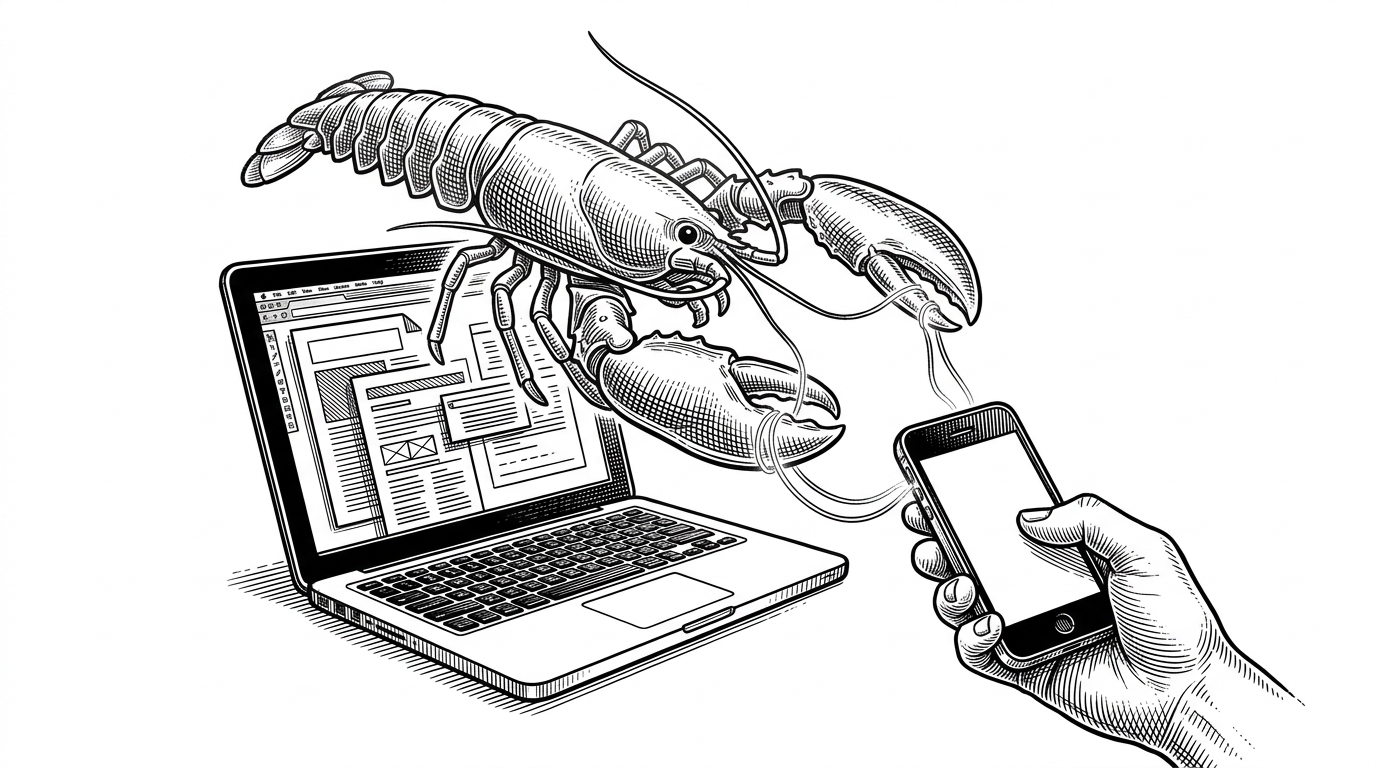
The artificial intelligence agent landscape is crowded with browser extensions and cloud-based orchestrators. Most treat your local machine as a dumb terminal. LobsterAI takes the opposite approach. It transforms your physical computer into a high-powered peripheral for your smartphone.
By bridging mobile instant messaging gateways like WeChat, DingTalk, and Telegram with a local Electron-based execution engine, it creates a persistent background worker. You can trigger a complex, multi-step desktop workflow while standing in line for coffee. The agent wakes up on your home or office PC, executes the task, and drops the finished file back into your chat thread.
This architectural decoupling of the interface from the compute layer is significant. It allows for deep, resource-intensive work without requiring the user to be chained to a keyboard. The desktop becomes a true remote server for personal automation.
The "Cowork" Engine
Under the hood, LobsterAI relies on an Electron architecture built for process isolation. The application does not simply wrap a web view around a chat prompt. The main process handles sensitive operations like SQLite storage, file system access, and IM gateway connections. The React-based renderer process is strictly isolated.
The core execution logic lives in the Cowork Engine. This engine manages the lifecycle of the Anthropic Claude Agent SDK, orchestrating tool calls and execution flow. It features a Memory Extractor that runs in the background. This process parses conversations to extract personal facts and preferences, storing them to provide long-term context for future tasks.
Your 24/7 all-scenario AI agent that gets work done for you.
To execute untrusted code safely, LobsterAI integrates with OpenClaw. This allows the system to spawn worker threads inside a sandboxed Alpine Linux container. The agent can write and run Python or Node scripts without risking the host operating system.
Document Surgery: The OOXML Skill
The true test of an agent is its ability to interact with professional formats. LobsterAI ships with a modular "Skill" system. These are self-contained environments with their own documentation, scripts, and behavioral philosophies designed to guide the model.
The document generation skill is particularly revealing. Instead of relying on high-level libraries that often strip formatting, LobsterAI dives into raw Office Open XML (OOXML). The repository contains strict technical guardrails for manipulating tags like paragraphs and runs directly.
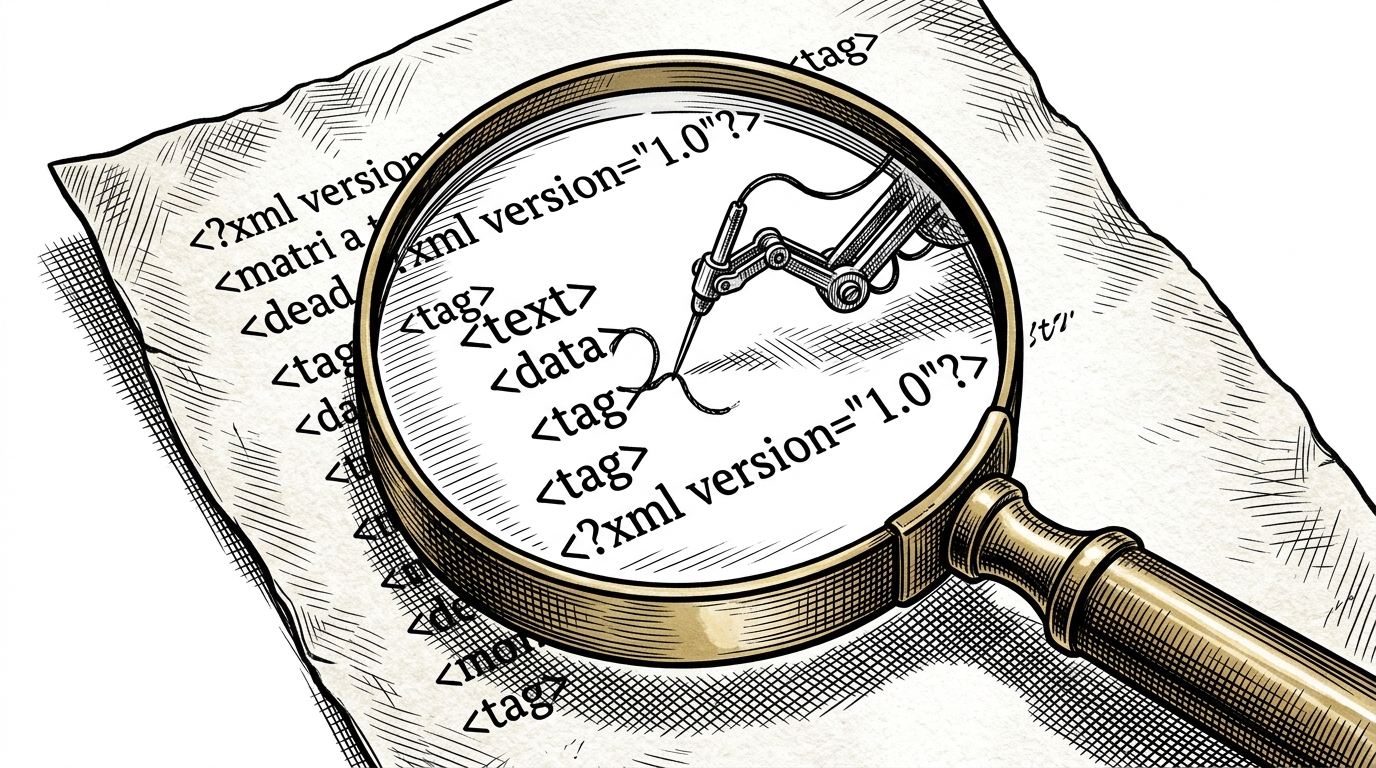
This enables a programmatic redlining workflow. The agent can track changes, manage revision save IDs, and inject attributes for author metadata. It does not just write text. It performs structural surgery on professional documents, preserving the complex formatting required by enterprise users.
Local-First, Security-Always
Cloud-heavy agents require sending sensitive local files to external servers. LobsterAI keeps the brain on the local machine. By utilizing SQLite for local history and configuration, user data remains private.
The application enforces a safety-first Permission Gating architecture. When the agent proposes a destructive action, like deleting a file or executing a complex script, it pauses. It waits for an explicit approval from the user, mediated through the secure inter-process communication bridge.
| Feature | LobsterAI | OpenClaw (Original) | Cloud Agents |
|---|---|---|---|
| Execution Environment | Local Desktop App | Docker / Terminal | Cloud Server / Browser |
| Primary Interface | IM Gateways (WeChat, Telegram) | CLI / Discord | Web Extension |
| Data Privacy | High (Local SQLite) | High | Low (Cloud Storage) |
| Document Support | Deep OOXML (Redlining) | Basic File I/O | Browser-only Context |
This hybrid approach secures the environment while maintaining the flexibility of a heavily parameterized agent framework.
The NetEase Pedigree
LobsterAI was developed by NetEase Youdao, a major player in the Chinese education and productivity software market. The project is often described as a localized successor to the OpenClaw movement. It strips away the terminal-centric complexity that alienates non-technical users, replacing it with a consumer-grade application pre-configured for the Chinese enterprise ecosystem.
This localization required specific architectural decisions regarding model access and compliance.
By open-sourcing a tool that integrates seamlessly with daily communication apps, the team has shifted the desktop agent from a developer experiment to a practical utility. It marks a transition from brittle, rules-based automation to reasoning systems that understand the context of the host machine.
Sources: LobsterAI GitHub Repository; Tencent Cloud Developer Community; JavaBetter Review.