digwijoy/LMS: Where AI Becomes the Search Router, Not the Product
A MERN learning platform that pairs standard course, payment, and enrollment plumbing with a disciplined Gemini fallback that turns vague intent into database-safe results.

- digwijoy/LMS treats Gemini as a controlled translator for search, not as a freeform assistant, which keeps vague user intent inside a schema the database already understands.
- The repo’s architecture is deliberately familiar, using a conventional MERN and MVC shape so the AI layer stays small and easy to reason about.
- Course delivery, enrollment, and payments are wired into a simple commercial loop, so the LMS behaves like a product business instead of a content archive.
- Its main lesson is practical: use AI where it removes friction, then stop before it starts inventing new complexity.
The LMS that uses AI like a traffic cop
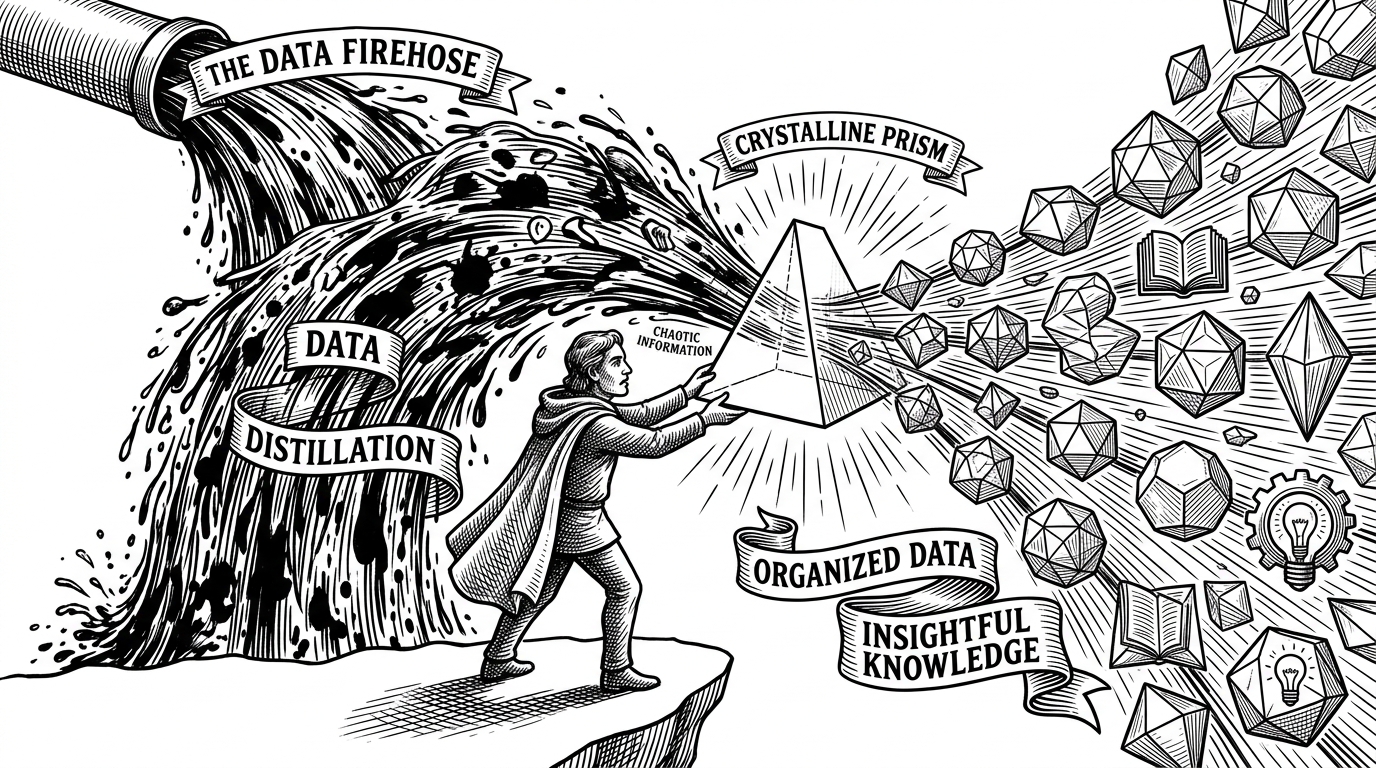
The most interesting thing in this repo is not the MERN stack. It is the search flow. The app first tries a normal MongoDB regex match, and only if that fails does it call Gemini to turn messy user language into a fixed category the database already knows how to use.
That matters because most search features fail in one of two ways. They are too rigid for real people, or they become loose enough to break the schema. This project picks a third path: let AI normalize the query, then hand the result back to the database.

Why the fallback matters more than a chatbot
This design choice keeps the model on a leash. Gemini is not asked to explain the course catalog or invent an answer. It is asked to choose from a controlled taxonomy, which makes the result safe for a MongoDB query and cheap enough to run as a fallback.
That is a useful product pattern. A lot of early AI features try to replace the system of record. This repo does the opposite. It uses the model to protect the system of record from bad language input.
A conventional backend, assembled cleanly
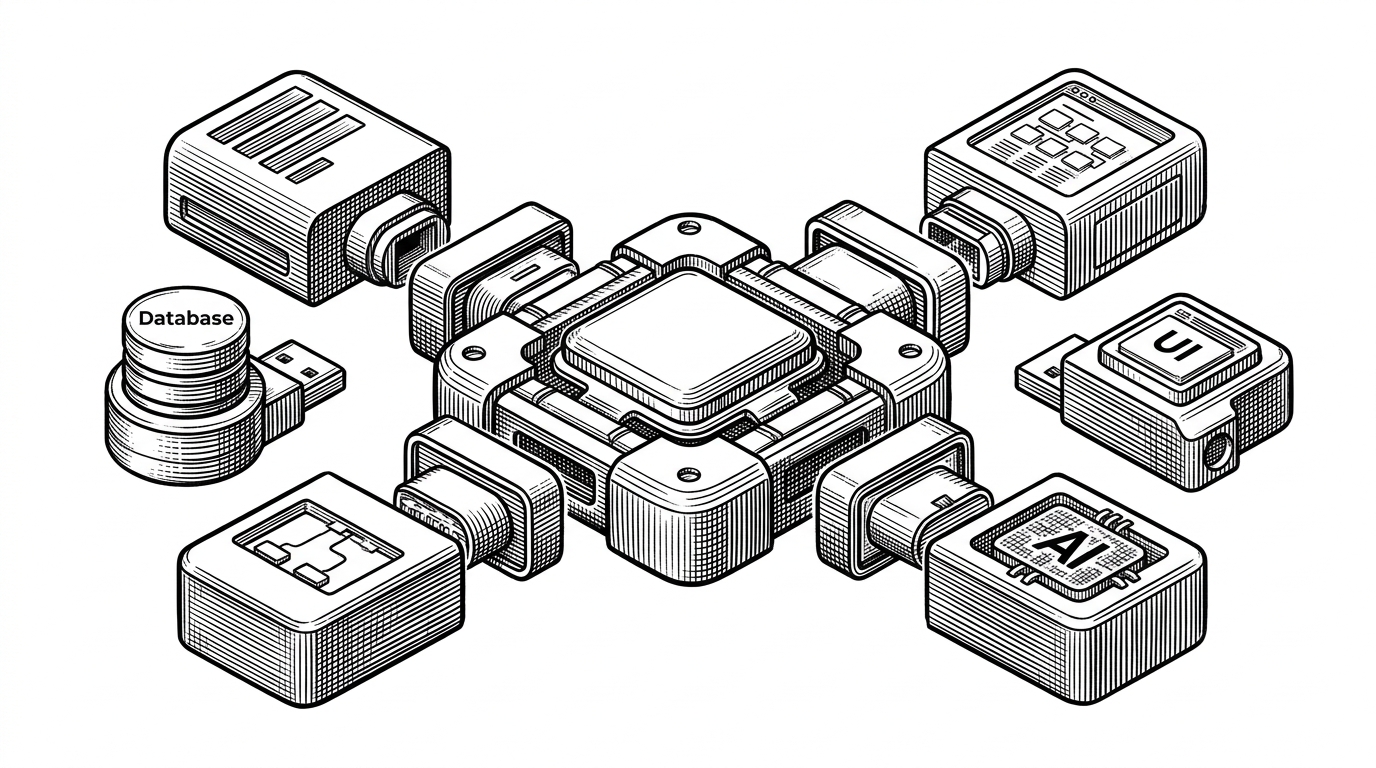
Under the AI layer, the codebase is familiar on purpose. The backend is organized into configs, controllers, models, middleware, and routes. That MVC shape gives the project a clean center of gravity: course management, authentication, payments, and AI each live in their own lane.
That restraint is the point. Instead of inventing a new platform shape, the repo uses a pattern most JavaScript developers already understand. The benefit is lower cognitive load, which matters more than novelty when a project needs to support courses, enrollments, media, and payments.
Courses, lectures, and the parent-child document trick
The course model uses a simple but effective dual structure. Lectures exist as standalone documents, but the parent course also stores references to them. That gives the app the flexibility of separate lecture records while keeping the course tree easy to fetch.
| Design choice | What it gives you | Trade-off |
|---|---|---|
| Standalone lecture documents plus parent references | Flexible lecture-level updates and easy course assembly | A little duplication in relationship management |
| One giant embedded course document | Simple reads for small courses | Harder updates and less flexibility as content grows |
| Fully normalized relational model | Strong structure and clear joins | More schema ceremony than this project needs |
That is a sensible compromise for an LMS built around course sales and streaming. It is not trying to model every educational edge case. It is trying to make content manageable, queryable, and easy to extend.
Authentication, OTPs, and the small state machine hiding in plain sight
The auth flow is practical rather than ornate. JWTs are stored in httpOnly cookies, which keeps token handling out of client-side script. The repo also supports Google signup and an OTP-based password reset flow, so the user can enter and recover access without much friction.
The OTP reset sequence is especially tidy. A generated code, an expiry window, and a verification flag together form a small state machine that is easy to audit and hard to misuse. It is the kind of simple operational design that saves teams from inventing a more fragile system later.
| Flow | How it works | Why it matters |
|---|---|---|
| JWT in httpOnly cookies | Server sets the token, browser sends it automatically | Reduces exposure to XSS compared with script-accessible storage |
| Google signup | Lets a user enter without creating a password first | Lowers signup friction |
| OTP reset lifecycle | Code expires, then a verification flag clears the path to change credentials | Creates a bounded recovery flow instead of a permanent reset loophole |
Payments turn content into a business
Razorpay turns the LMS from a content library into a marketplace. Once payment succeeds, the system updates both sides of the relationship: the user gains the course, and the course gains the student. That dual write keeps enrollment state aligned instead of leaving it implicit.
This is where the repo stops being a demo and starts looking like an actual product. Courses can be sold, not just listed. The system can track who paid, who enrolled, and what content is now unlocked.
| Model | Revenue path | Operational shape |
|---|---|---|
| Free content library | No payment state to manage | Simpler, but limited business upside |
| Course marketplace | Paid enrollment with mirrored user and course updates | More moving parts, but a real monetization loop |
| Institutional LMS | Licenses, seats, and reporting at scale | Heavier ops and much more process |
What this repo gets right compared with heavyweight LMS platforms
Measured against Moodle, Canvas, Open edX, or Chamilo, digwijoy/LMS is obviously narrower. It does not try to win on breadth. It wins by staying lightweight, using a JavaScript stack that is easy to extend, and adding AI only where discovery needs help.
| Dimension | digwijoy/LMS | Heavyweight LMS platforms |
|---|---|---|
| Search model | Regex first, Gemini fallback | Usually traditional search or broader platform search |
| Complexity | Small MERN backend with clear modules | Large feature surface and more operational overhead |
| Category control | Fixed taxonomy with AI normalization | Often broader, more configurable, and less constrained |
| Best fit | Small to mid-sized course businesses | Large institutions and enterprise deployments |
| Developer familiarity | JavaScript end to end | Often PHP or platform-specific ecosystems |
That makes the repo interesting even if it is not trying to be a category leader. It shows a practical path for smaller teams: build the core LMS cleanly, add payments, add media, then use AI as a narrow layer that improves search without taking over the product.
What the repo signals about modern LMS design
The lesson here is not that every LMS needs Gemini. It is that modern product design gets sharper when intelligence is used as a routing layer, not as a substitute for structure. The model can translate intent, but the schema still does the real work.
That is a good template for a lot of tools beyond education. Keep the backend conventional. Keep the business logic legible. Add AI where it reduces friction, then stop before it starts creating new ambiguity.