SkillPath-AI: Turning a Resume Into a Roadmap
A look at the gap-analysis engine that converts scattered skills into a specific learning plan, target roles, and a job-fit score.

- SkillPath-AI is most compelling as a negative-space career engine that turns missing skills into a concrete next step.
- Its real value comes from simple plumbing, like normalization, gap subtraction, and domain scoring, not from a flashy chatbot layer.
- The recommendation layer makes the product feel prescriptive, because it ties gaps to courses, target companies, and a downloadable report.
- The repo is best understood as a prototype with a useful workflow, not yet as a statistically mature hiring system.
Most resume tools tell you what you already are. SkillPath-AI is more interesting because it starts with what you are not yet. That shift, from inventory to absence, is what makes the project feel closer to a career coach than a parser.

The smartest part is what it removes
SkillPath-AI starts with a blunt move: it subtracts. The central logic, visible in functions like analyze_gap, compares required skills against user skills and treats the missing set as the real product. That is a good editorial choice and a good product choice, because people do not need another flattering summary of their resume.
The repo’s core trick is deceptively small. Normalize the messy input, map it to a canonical skill list, then compute the gap. Once you do that, the output stops feeling like generic advice and starts feeling like a plan.
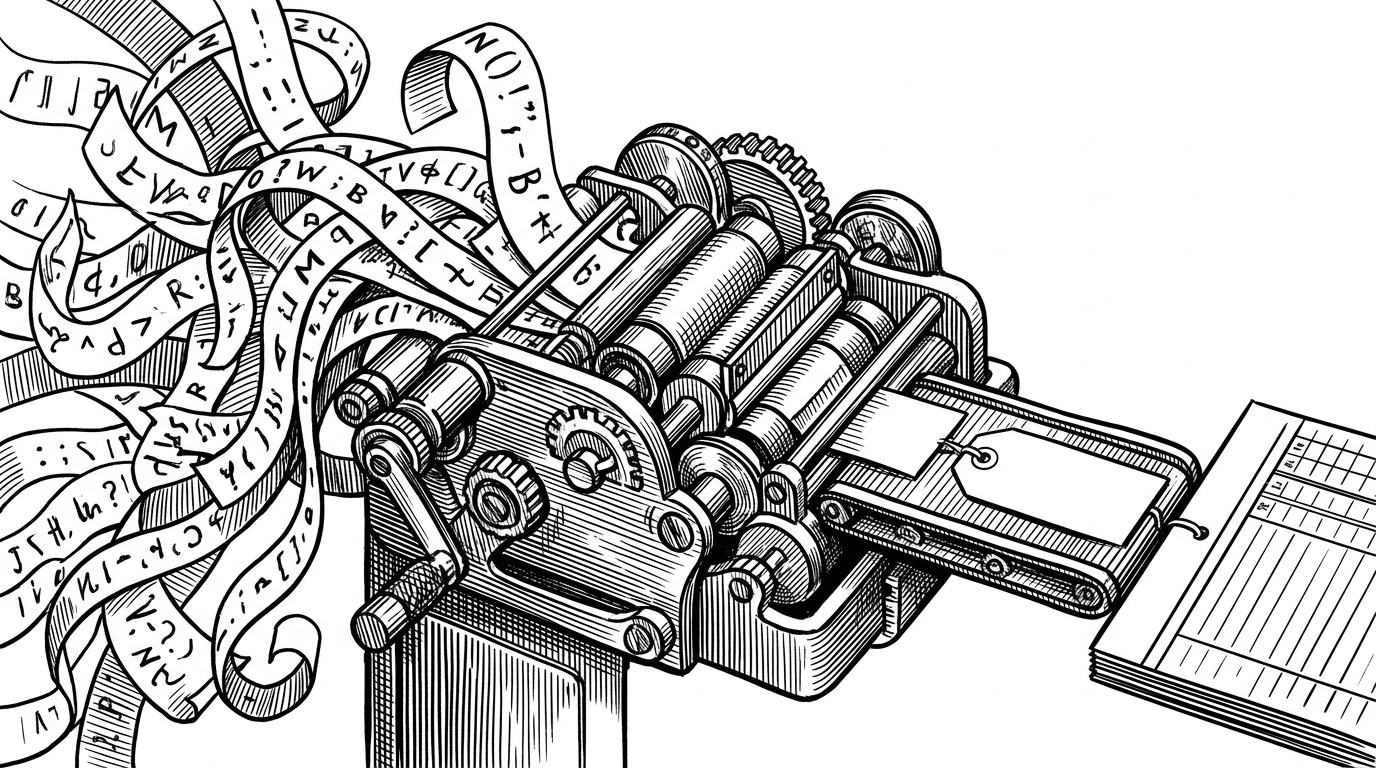
How the pipeline turns a resume into a career hypothesis
Under the hood, the repo is modular. PDF parsing, resume validation, skill extraction, domain confidence scoring, job probability prediction, and recommendations all live in separate utilities, which makes the system easier to reason about than a monolith. The flow is simple enough to debug, but opinionated enough to matter.
def normalize(skill):
    return skill.lower().replace('.', '').replace(' ', '')
That tiny function does more work than it looks like it should. By collapsing Node.js, Nodejs, and node js into the same form, the system improves recall before the recommender or predictor ever sees the data. In a messy resume world, that is often more valuable than a heavier model.
Why normalization does more than it looks like it should
This is where the project becomes practical. The skill database and fallback keyword list act like guardrails for real-world language, where users write React, react.js, and ReactJS as if the same thing were not three different strings. The normalization step is the bridge between human inconsistency and machine consistency.
The recommendation layer is the product
Once the gaps are known, SkillPath-AI becomes prescriptive. The course recommender maps missing skills to curated learning resources, while the company recommender maps inferred strengths to possible employers. That is the point where the repo stops being diagnostic and starts acting like a decision support tool.
| System | Approach | Transparency | Specificity | Output |
|---|---|---|---|---|
| SkillPath-AI | Resume plus job gap analysis | High, because the pipeline is modular | Narrow and user-specific | Roadmap, company suggestions, PDF report |
| Docebo or Degreed | Enterprise learning recommendations | Lower, because logic is usually productized | Broad and organization-wide | Learning paths and dashboards |
| Draft and Arc | Goal-based course generation | Medium | Focused on a topic or goal | Custom lessons or courses |
| Generic resume matcher | Keyword overlap only | Low | Shallow | Similarity score or pass-fail result |
Compared with enterprise LMS and LXP platforms, SkillPath-AI is narrower but clearer. It is not trying to manage corporate learning at scale. It is trying to answer one hard question well: what should I learn next to become hireable for this role?
The PDF report is the proof of concept becoming a tool
The pdfkit integration matters because it changes the unit of value. A browser session disappears. A PDF can be saved, sent, revisited, and treated like a deliverable. For students and job seekers, that is the difference between a demo and something reusable.
job_probability = model.predict_proba(X)[0][1]
The logistic regression model is modest, but it gives the app a useful shape. By combining skill match, test score, projects, and experience, it turns a resume review into a probability estimate instead of a vague encouragement.
What it is, and what it is not yet
This is still a prototype in the important sense. The dataset is small, the credentials are hardcoded in development-oriented places, and the deployment path is not hardened for production. None of that makes the idea weak, but it does mean the article should treat the model as a proof of workflow, not proof of statistical maturity.
| Question | Current answer | What that means |
|---|---|---|
| Is it useful? | Yes | The workflow is concrete and understandable. |
| Is it production-ready? | Not yet | Hardcoded values and small training data limit robustness. |
| Is the AI the main story? | No | The orchestration and normalization are doing most of the work. |
| Is it differentiated? | Yes | It focuses on the gap between current skills and target roles. |
How it compares to the rest of the market
The open-source niche here is specific: transparent, customizable, and centered on immediate career gap analysis. Commercial platforms win on scale and integration. SkillPath-AI wins on clarity and on making the next action obvious.