muse-protocol: How Account Farming Became "Protocol Research"
A Python repo for mass-creating Muse.ai accounts earned thousands of stars by calling itself research. The gap between its README and its function is the story.
- muse-protocol is a Muse.ai-specific HTTP client that sequences registration and invite-code redemption, not a general-purpose library.
- The "protocol research" framing is the product: the label is what made a mass-account-creation tool shareable and star-worthy.
- Invite scarcity manufactures black markets, so the tool is a symptom of waitlist and referral design rather than a cause.
- Asking who is accountable (maintainer, host, reader) is the same as asking what would close the loophole.
A Repo That Says One Thing and Does Another
The GitHub description for muse-protocol reads, in Chinese: "muse.ai 注册与邀请码兑换协议研究(纯 HTTP Python 实现)." In English that is Muse.ai registration and invite-code redemption protocol research, a pure HTTP Python implementation.
The word doing the work is 研究. Research. It sits in the title of a repository whose initial commit, pushed by duwqijlk, added a README, an example registration script, three client modules, a configuration example, and a license file.
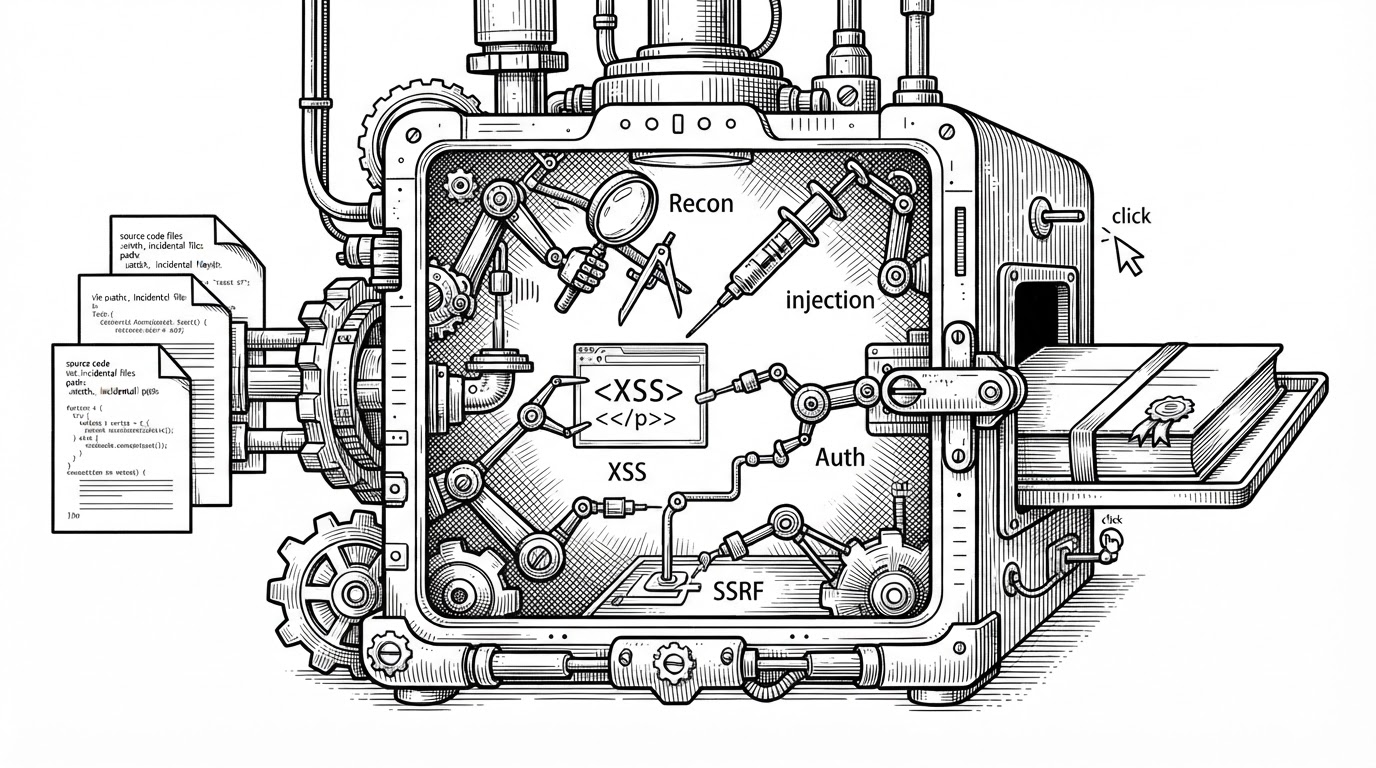
The modules do unremarkable things. They sequence HTTP requests, hold cookies, carry a CSRF token, request and confirm an email one-time password, initialize a session, and redeem invitation codes. There is no clever algorithm in the box. It is an HTTP client aimed at one company's signup flow.
That is the tension worth following. A tool whose design is serial account creation presents itself as study, and the presentation is not incidental. It is the reason the repo is legible, shareable, and easy to star.
Why Anyone Wants Twenty-Three Muse.ai Accounts
Tools like this do not appear on their own. They appear when access is scarce.
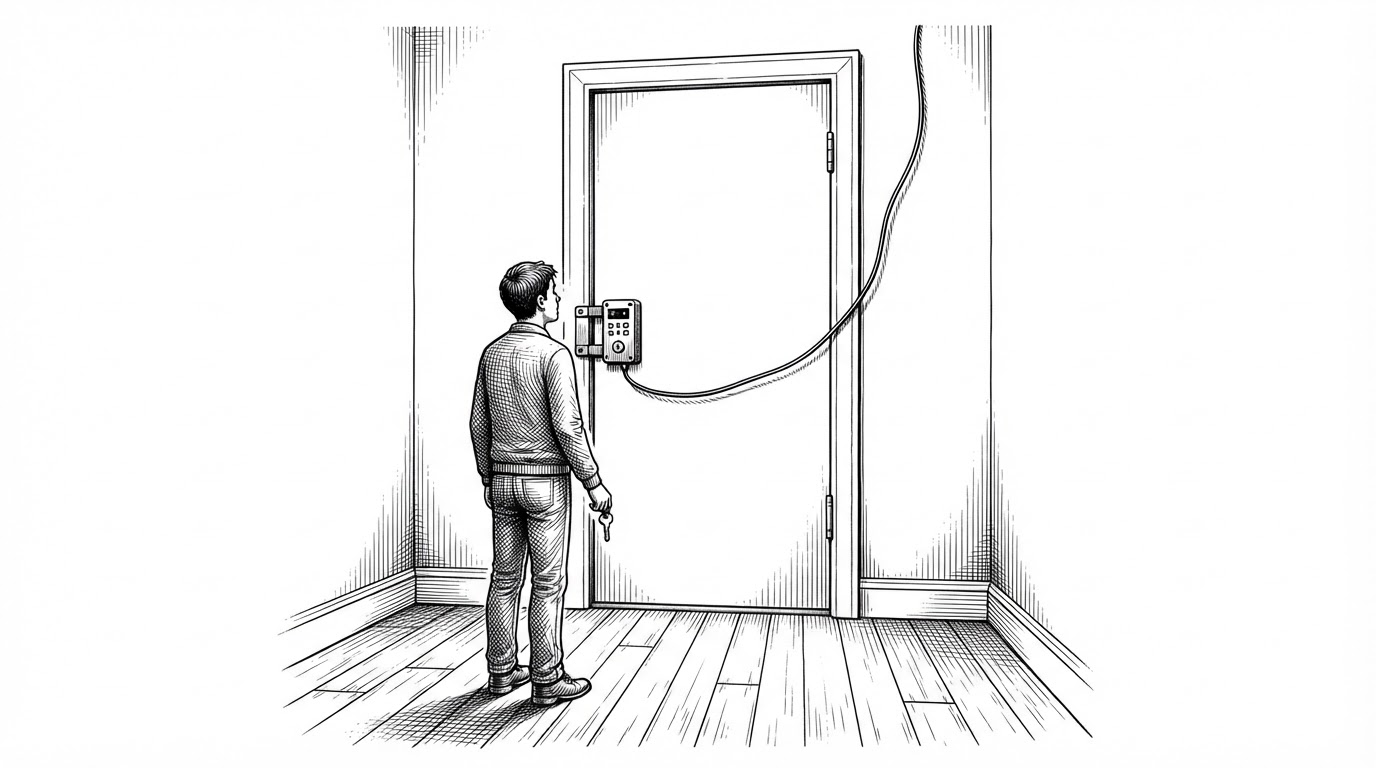
Muse.ai gates signup behind invitations and rewards referrals with credits. The moment a credit can be turned into something a user wants, an account stops being an identity and becomes an asset. Assets get traded, and where a thing is traded, a market forms around it.

Read this way, muse-protocol is a symptom, not a cause. The demand for twenty-three accounts exists because the platform made one account hard to get and a referral worth having. The repo industrialized the response.
That is the uncomfortable part for anyone running a waitlist. Your scarcity design is also a specification for the tooling that will attack it. Every invite code you withhold is a price signal, and every referral credit is a bounty.
The Stars Arrived Anyway
The reception was immediate. A GitDiscover snapshot recorded 932 stars on 2026-11-15 and 1,627 by 2026-11-19, alongside 641 forks. These are dated third-party snapshots, not live totals, and they measure attention rather than successful use.
The only concrete usage claim in the public record comes from a Russian-language report. It describes a Telegram channel called "Вайб-кодинг" claiming that a single run registered 23 accounts from 30 email addresses, plus a visual control panel. The report is explicit that this is unverified: no execution logs, no per-account evidence, and nothing tying the panel to the repository. Treat the number as a claim, not a result.
利用 Muse 和 FxEmbed 公开接口,自动抓取 24 小时内谁给你评论过,过滤已回访用户和 AI 评论,按互动数量生成可视化回访名单。 把繁琐的评论统计和回访管理交给 AI,避免漏回、重复回访,还能自动判断优先级。 https://t.co/IK5jWTq2js
The wider community does not treat Muse's interfaces as off-limits. A poster using the handle @hackdeacon describes building a tracking tool on "Muse and FxEmbed public interfaces." It is a different integration, but it shows the same reflex. If a service exposes an endpoint, someone will automate it, and the audience will applaud.
The "Research" Loophole
"Protocol research" and "personal learning" are not neutral descriptions. They are a frame, and the frame does real work. It converts a mass-registration tool into something a reasonable person can defend, share, and star without feeling like a participant in abuse.
The repo's own documentation reportedly limits intended use to personal, non-commercial study, disclaims an open-source license, and asks users to follow the target site's terms. A disclaimer is not a control. It changes what the tool claims to be, not what it does.
Legitimate protocol research has a recognizable shape. You read the flow, you coordinate with the vendor, you disclose what you find, and you do not ship a turnkey runner that anyone can point at the service.
| Practice | Legitimate protocol research | muse-protocol |
|---|---|---|
| Disclosure | Findings shared with the vendor | Documentation published for anyone to run |
| Coordination | Talks with the platform before publishing | No evidence of vendor coordination |
| Artifact | Notes, a write-up, a private proof | A batch runner for mass registration |
| Stated purpose | Understand and improve the protocol | Personal, non-commercial study |
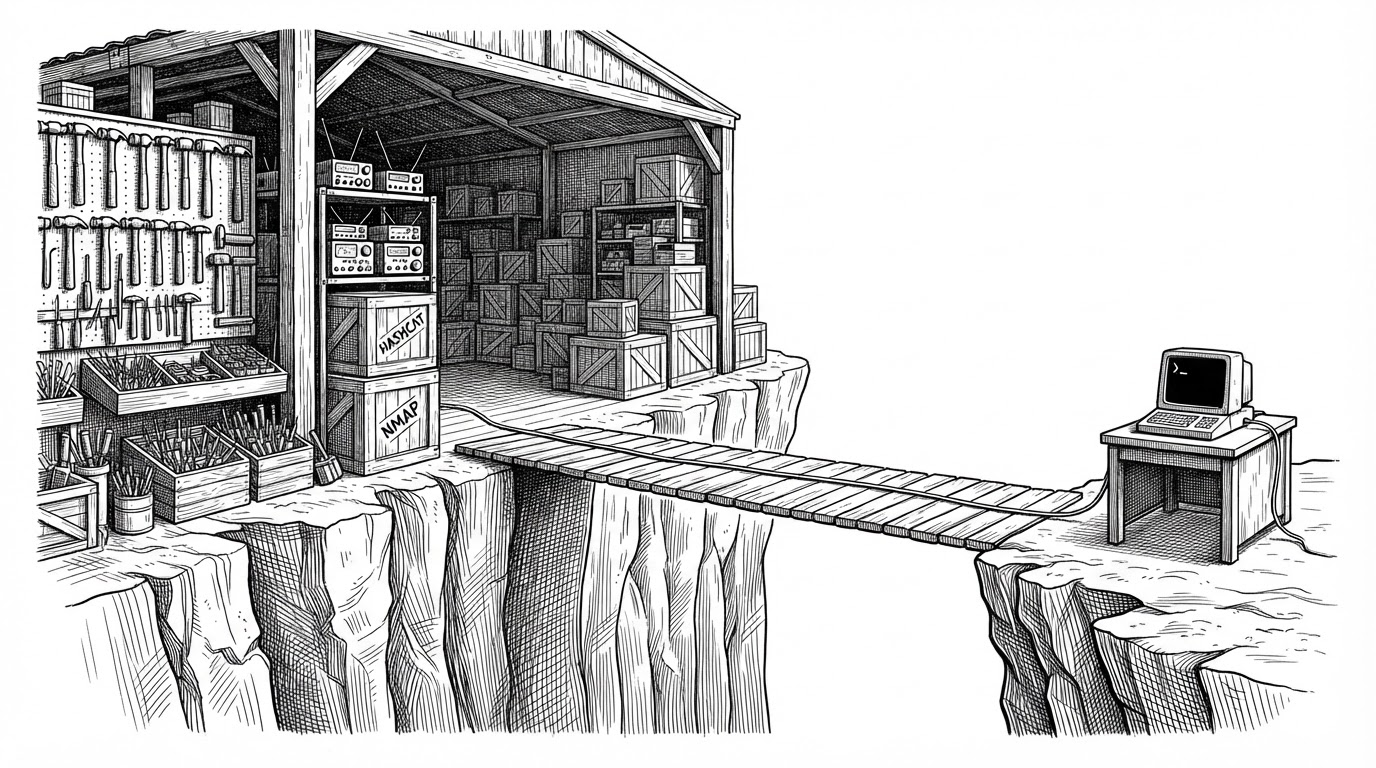
The difference from ordinary tooling is not capability. General HTTP libraries reach the same endpoints. The difference is that muse-protocol encodes a specific registration and invite sequence and hands it over ready to run.
| Project | Scope | What it encodes |
|---|---|---|
| muse-protocol | Muse.ai-specific | A fixed registration and invite-redemption sequence for one service |
| Requests | General-purpose Python HTTP | Transport and API primitives you assemble yourself |
| HTTPX | General-purpose Python HTTP, sync and async | Transport and API primitives you assemble yourself |
The specialization is the product, and the "research" label is what makes the product presentable.
What Defenders Actually See
If you run a signup flow, the useful question is not how the tool works. It is why the tool is hard to catch one account at a time and easy to catch as a group.
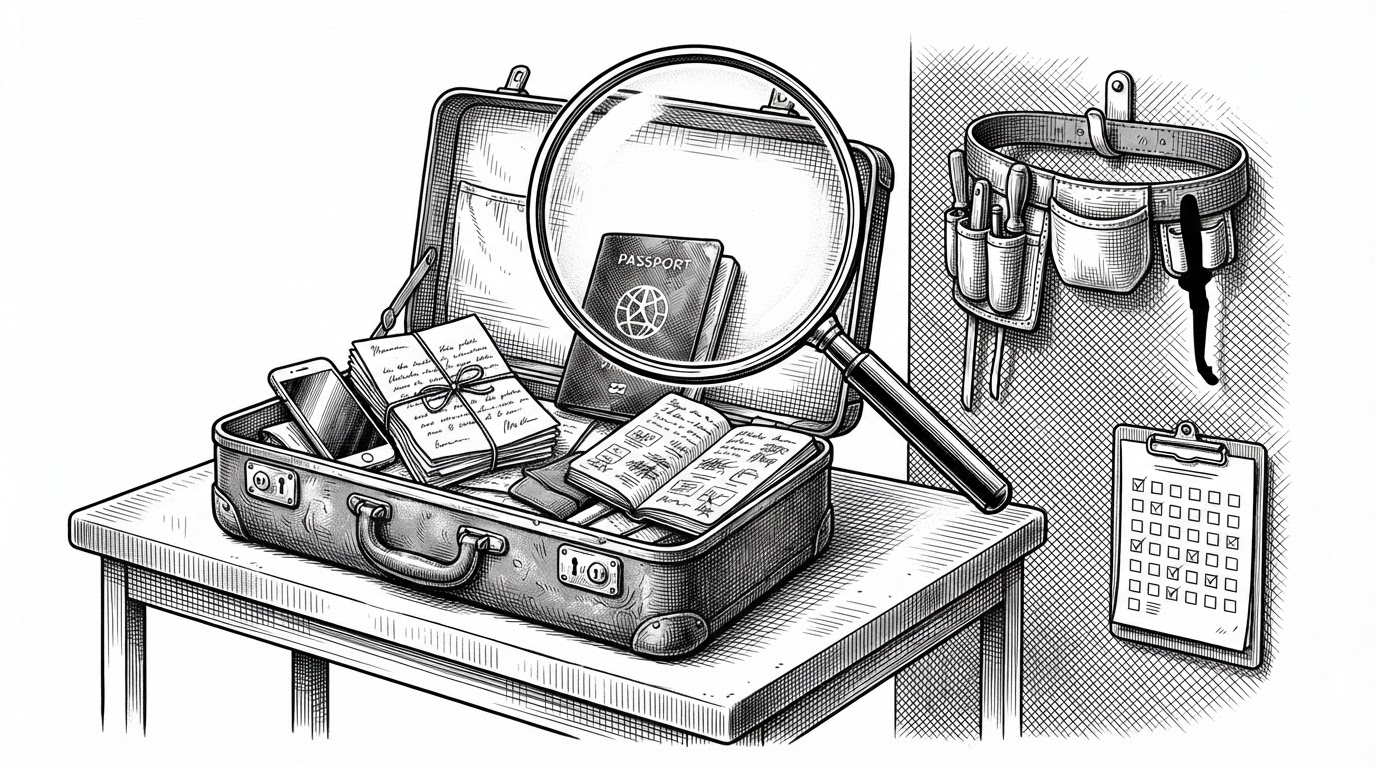
Individually, a farmed account looks clean. It has a plausible email, a real IP, a browser-like fingerprint, and a one-time password that arrived on time. Nothing about it trips a per-account rule, because the tool's whole job is to make each account boring.
The signal lives between accounts. Ten signups that share a domain family, an overlapping network range, near-identical timing, or a repeating fingerprint are not ten clean accounts. They are one pattern wearing ten masks. Detection is a graph problem, not a checklist.
This is why the defensive insight is simple to state and hard to fake: one account tells you nothing, the graph tells you everything. The farm is invisible until you stop looking at accounts and start looking at the space between them.
Who's Accountable
Three parties carry a share of this, and none of them is the tool.
The maintainer writes the disclaimer. Calling mass account creation "study" does not change what the code does when someone runs it. A stated purpose that contradicts the design is not a loophole. It is a claim to be tested.
The host carries the repository. GitHub's role in distributing a tool like this is real, and the platform's own policies on abuse are where the question gets decided.
And the readers star it. A star is a small signal, but a thousand of them is a recommendation, and a recommendation is why the next person finds the tool.
So the closing question is not whether muse-protocol works. It is whether the label is the loophole. If "research" is what makes a farming tool acceptable, then the fix is not a better detector buried in a signup flow. It is deciding, upstream, what "research" is allowed to cover.