era2: Joxy and the Art of the Elegant Exit
How evinjohnn/era2 uses sub-second RAG and state-driven handoffs to bridge the gap between AI assistance and luxury retail.
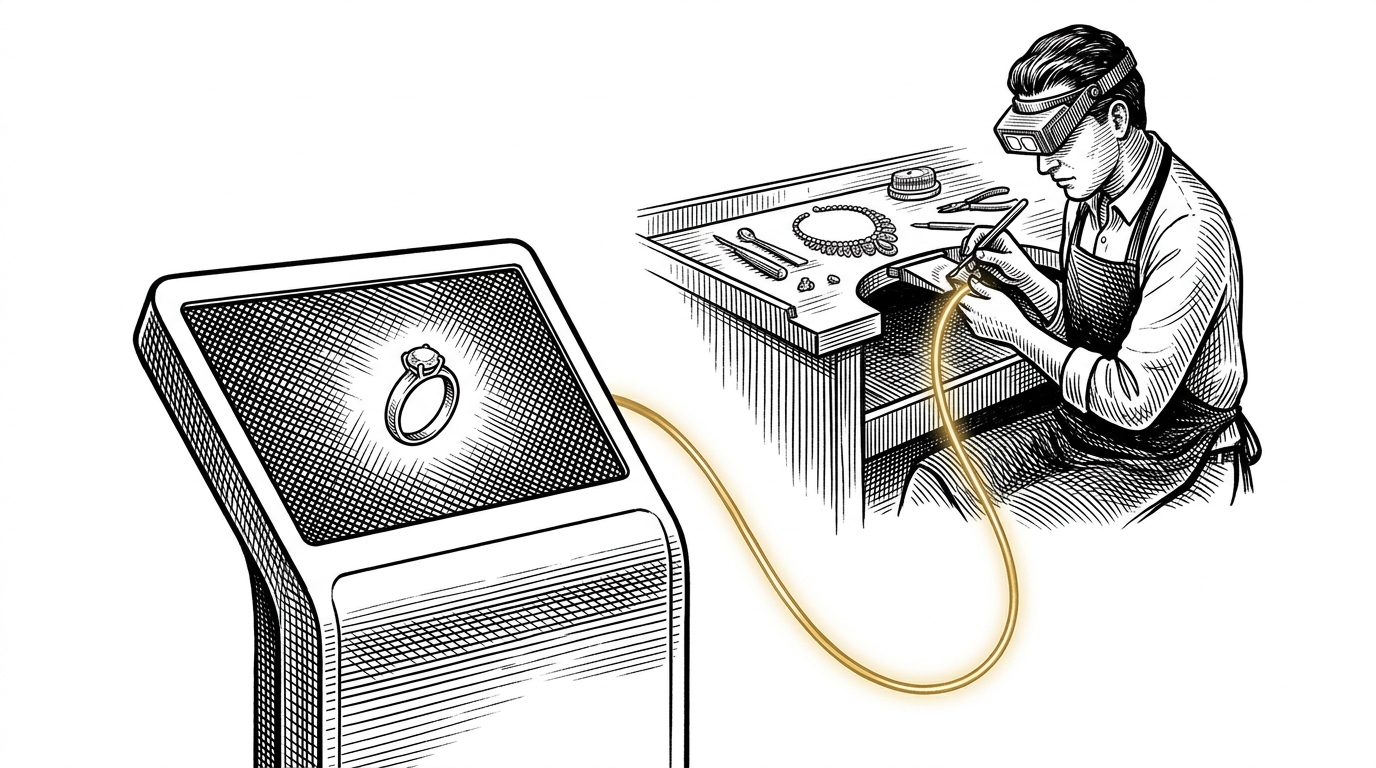
- An embedded Finite State Machine prioritizes human staff handoffs when the system detects high-value purchasing intent.
- The architecture leverages Groq and FastAPI to achieve sub-second inference speeds necessary for luxury retail environments.
- A hybrid search pipeline combines metadata filtering with vector similarity to ensure product recommendations meet strict inventory constraints.
- Integrated analytics shift the primary success metric from conversational accuracy to sales conversion and handoff efficiency.
The Luxury of Knowing When to Quit
Most Retrieval-Augmented Generation (RAG) projects strive for total automation. They treat human intervention as a failure of the system. Joxy takes the exact opposite approach. In the high-stakes world of luxury jewelry retail, an AI bot attempting to independently close a $10,000 sale is a massive liability.
The architecture treats the "Staff Handoff" as a first-class feature. Joxy utilizes a Finite State Machine embedded within its conversation engine to track the customer's buying journey. When purchasing intent hits a high-value threshold or a logic dead-end is reached, the system gracefully steps aside.
era2 is designed to be a more modular and efficient successor to the original ERA framework.
Zero-Latency Persuasion
In a retail kiosk environment, latency kills conversions. A three-second delay while an LLM generates a response shatters the illusion of luxury service. Joxy solves this by relying on Groq for sub-second inference speed.
Coupled with FastAPI's asynchronous request handling, the application maintains a conversational cadence. The underlying reactive framework ensures that state updates flow instantly from the database to the frontend without blocking the main thread.
Semantic Sparkle: The RAG Pipeline
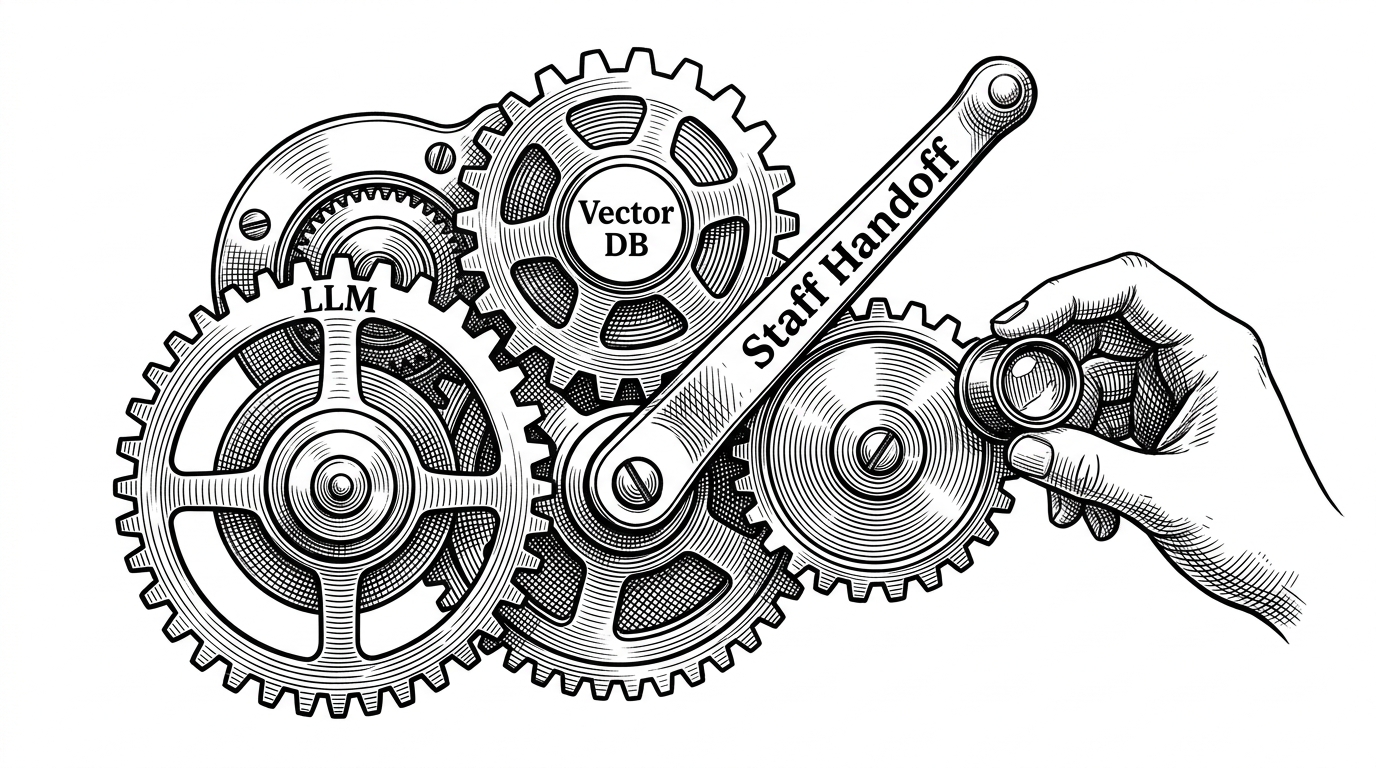
A standard "chat with PDF" bot fails when applied to a structured product catalog. Joxy's vector database transforms a jewelry inventory into a searchable latent space using Pinecone and local SentenceTransformers.
The system employs a sophisticated hybrid search pattern. It filters hard constraints like price ceilings and metal types using metadata before performing the vector search. This ensures the AI only recommends items that physically match the criteria while still capturing the stylistic "vibe" the customer wants.
Closing the Loop with Analytics
Most open-source RAG projects stop at the chat interface. Joxy includes a dedicated analytics engine and staff dashboard. It tracks the efficacy of product recommendations and aggregates session data over time.
This shifts the metric of success from "did the bot answer the question?" to "did the bot facilitate a sale?" By monitoring handoff rates alongside top recommended products, store operators can continuously tune the inventory and the AI's prompting strategy.
| Feature | Generic RAG Tutorial | Joxy Retail Engine |
|---|---|---|
| State Management | Stateless or simple buffer | Finite State Machine (FSM) |
| Primary Goal | Answer accuracy | Conversion or Staff Handoff |
| Data Source | Vector Only | Relational DB + Vector Index |
| Latency Focus | Variable (Standard API) | Optimized (Groq + Cache) |