The Agentic Terminal: Inside gear-foundation/vara-wallet
Why the next generation of CLI tools is abandoning interactive prompts and ASCII tables to serve a new primary user: the AI coding agent.
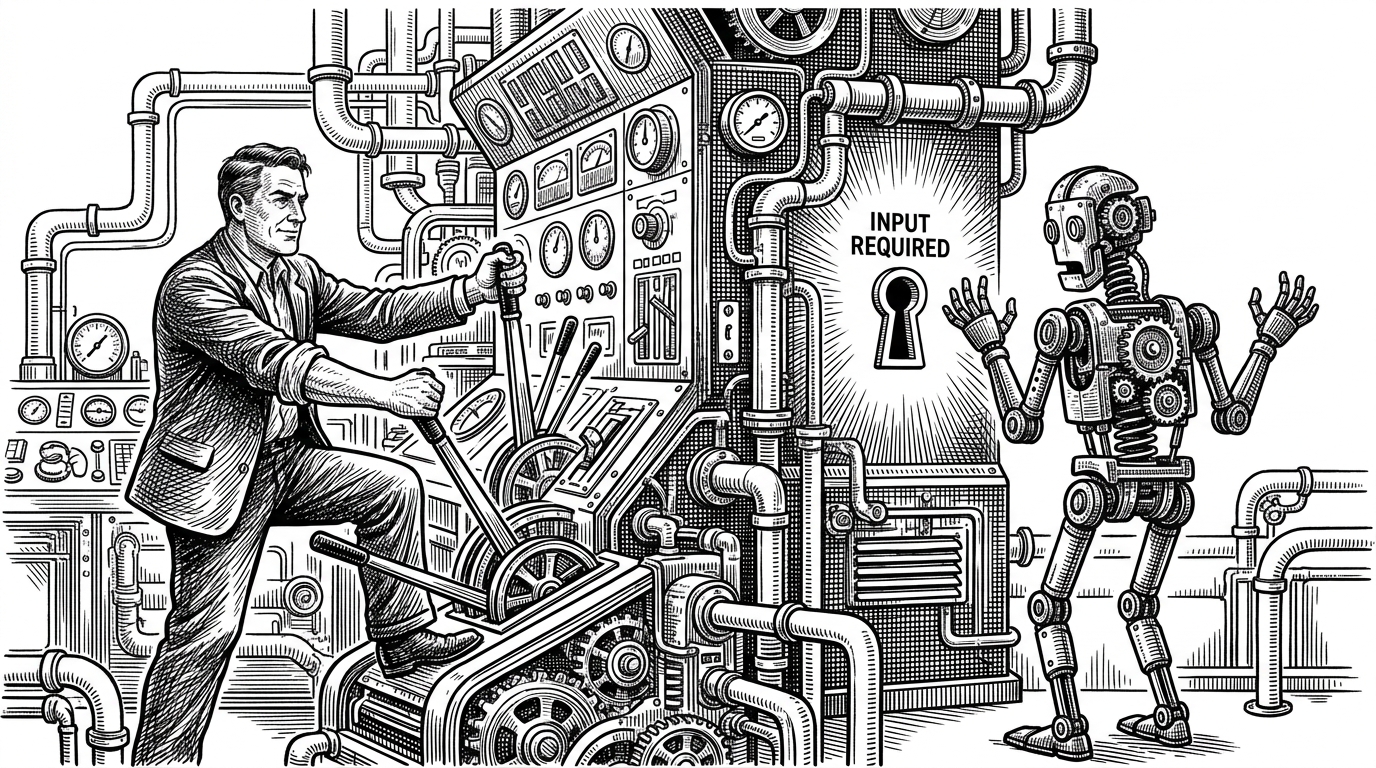
- vara-wallet abandons human-centric CLI design in favor of strict JSON outputs optimized for AI coding agents.
- The CLI handles key generation autonomously to prevent agents from hanging indefinitely on interactive password prompts.
- A built-in IDL resolver allows agents to dynamically discover and interact with unknown smart contracts on the fly.
- An embedded Smoldot light client grants the agent full node sovereignty without requiring external RPC API keys.
The Death of the Interactive Prompt
For decades, command-line interfaces have been optimized for human readability. They feature colored ASCII tables, interactive prompts, and loading spinners. But when an AI coding agent encounters a standard CLI, it often fails. The agent executes a command, the CLI asks for a password, and the agent hangs indefinitely waiting for a machine-readable output that never comes.
Enter vara-wallet. It is an "Agentic Wallet" built specifically for AI coding agents like Claude or Replit. It enforces a strict "Zero-Interaction" philosophy. By installing a global error handler that forces all output into parseable JSON, it ensures the agent always receives structured deterministic data instead of a frozen terminal.
Delayed messaging, allowing programs to autonomously schedule future actions likestate updates or periodic tasks without external inputs.
The Chicken and Egg of Agent Security
The most immediate hurdle for an autonomous agent is key management. Usually, a user must provide a password to unlock a keystore. If an agent lacks a passphrase, it cannot deploy contracts or sign transactions.
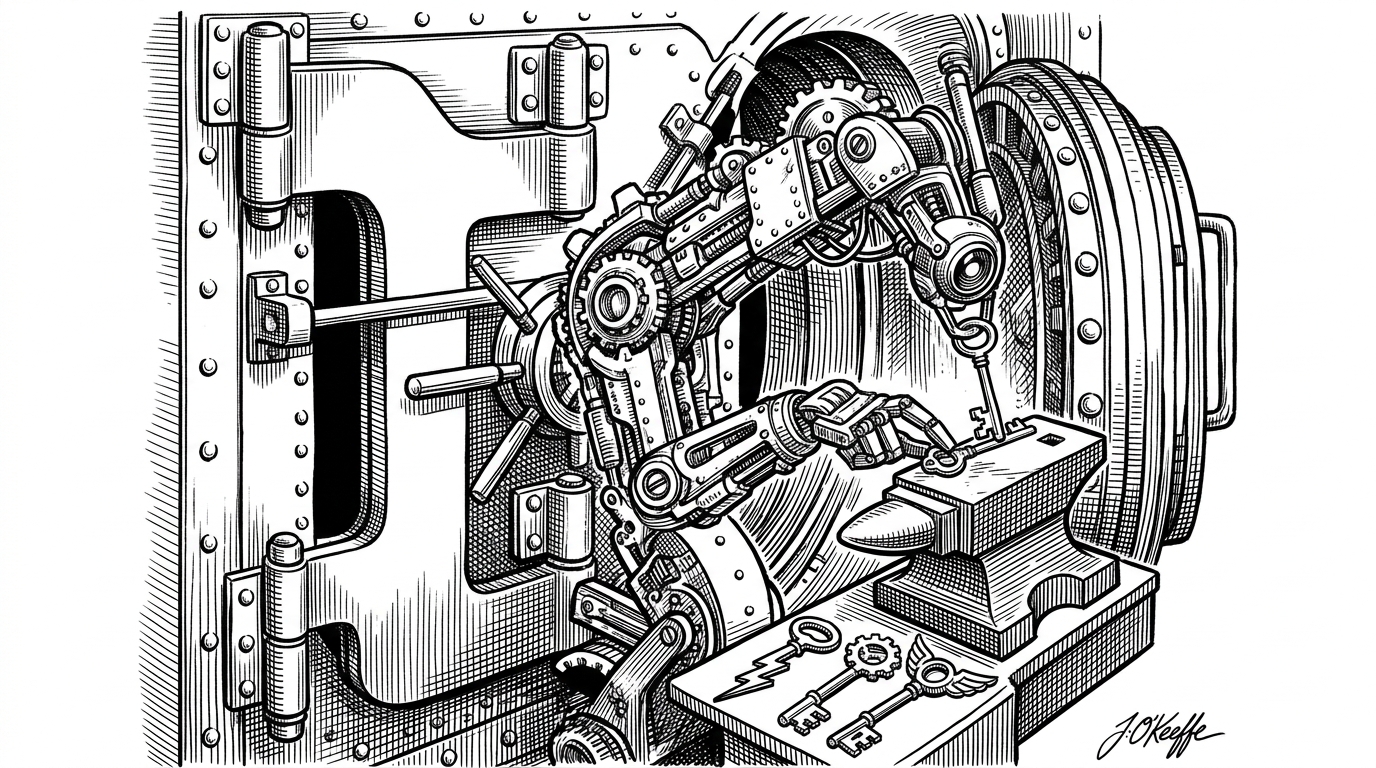
The vara-wallet repository solves this in src/services/wallet-store.ts. The CLI checks for a local passphrase file. If it does not exist, the CLI autonomously generates a secure 32-byte hex string. It saves this string with strict 0600 permissions. The agent can immediately proceed to deploy contracts without ever pausing to ask a human for a password.
Dynamic Discovery on the Edge
Interacting with smart contracts usually requires an ABI or IDL file. When an AI agent needs to call a smart contract, it rarely has this file perfectly mapped in its working directory. The Sails IDL Resolver in src/services/sails.ts provides a fallback chain to solve this.
The resolution chain checks locally first. If that fails, it queries a remote meta-storage URL using the program's unique identifier. Finally, it falls back to bundled definitions for standard token contracts. This allows agents to discover and interact with unfamiliar contracts on the fly.
The Sovereign Terminal
Most blockchain development tools force the user to sign up for an external RPC node API key (like Infura or Alchemy). For an AI agent, navigating a third-party developer portal to generate an API key is a massive point of friction.
To bypass this, vara-wallet integrates the smoldot embedded light client. Instead of routing traffic through a centralized bottleneck, the CLI spins up its own internal WebAssembly node. It connects directly to the peer-to-peer network and verifies Merkle proofs locally. The agent has absolute sovereignty over its connection.
Designing for the LLM User
The architectural choices in vara-wallet highlight a fundamental shift in developer tooling. As AI agents take on more autonomous coding tasks, the tools they use must adapt. We are moving from interfaces optimized for human readability to interfaces optimized for machine determinism.
| Human-First CLI | Agent-First CLI |
|---|---|
| Colored ASCII output | Strict JSON output |
| Interactive (y/n) prompts | Autonomous execution and self-generated secrets |
| Requires external API keys | Embedded WASM Light Client |
| Generic error text | Decoded JSON error objects from chain metadata |
This paradigm shift will inevitably spread beyond blockchain. From AWS to Docker to general DevOps tooling, the agentic terminal is the new baseline.