Gemma: The JAX Blueprint for an Open Multimodal Frontier Model
Inside Google DeepMind’s Gemma repo, where text, vision, audio, attention tricks, and fine-tuning utilities come together in one modular Python stack.

- Gemma’s real shift is architectural: it moves from a text-first model family to a unified multimodal stack that can treat vision and audio as first-class inputs.
- The repo reads like a research pipeline, not a product demo, because it exposes checkpoints, losses, examples, and model internals in one place.
- Gemma’s efficiency comes from deliberate transformer choices such as hybrid attention, soft-capping, and cache-aware design.
- For builders, the value is inspectability: the code makes frontier-model trade-offs visible enough to study, adapt, and deploy.
Gemma Is Turning Into a Multimodal Operating System
The surprise in this repo is not that Google DeepMind shipped another model family. It is that Gemma is being shaped into a single JAX-native multimodal system, where text, image, and audio stop looking like separate products and start looking like different inputs to the same machine.
That matters because it changes the unit of understanding. You are not just reading about weights or a benchmark release. You are looking at a modular inference and training stack that tries to hold research ambition, hardware efficiency, and practical usability in one place.
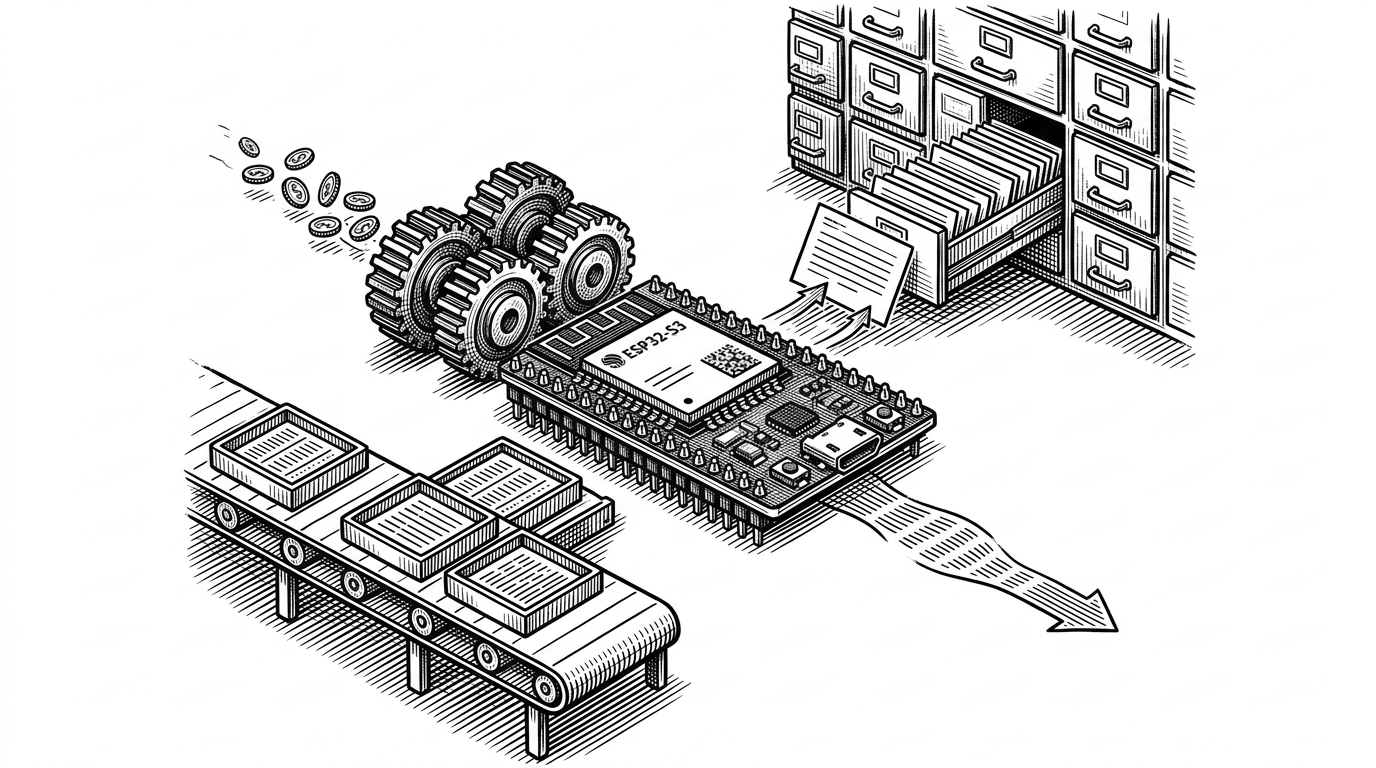
Gemma 4 12B is designed to bring high-performance multimodal intelligence directly to your laptop, combining mobile-first efficiency with advanced reasoning.
The Repo Is Structured Like a Research Pipeline, Not a Demo
The file tree tells the story fast. The core lives in gemma/gm/nn/, checkpoints sit in gemma/gm/ckpts/, losses live in gemma/gm/losses/, and the examples and Colabs point toward practical use, not just paper reproduction.
# The repo is organized around a few clear surfaces.
# Core network definitions
#   gemma/gm/nn/
# Checkpoint and adapter logic
#   gemma/gm/ckpts/
# Training and alignment losses
#   gemma/gm/losses/
# Usage and deployment examples
#   examples/, colabs/

# That layout signals intent:
# inspect the model, modify it, then run it.
This is a research pipeline with opinionated boundaries. The code does not hide the hard parts behind a giant wrapper, which makes the repo useful to people who want to inspect how a frontier model is actually assembled.
The Core Trick: One Transformer, Many Modalities
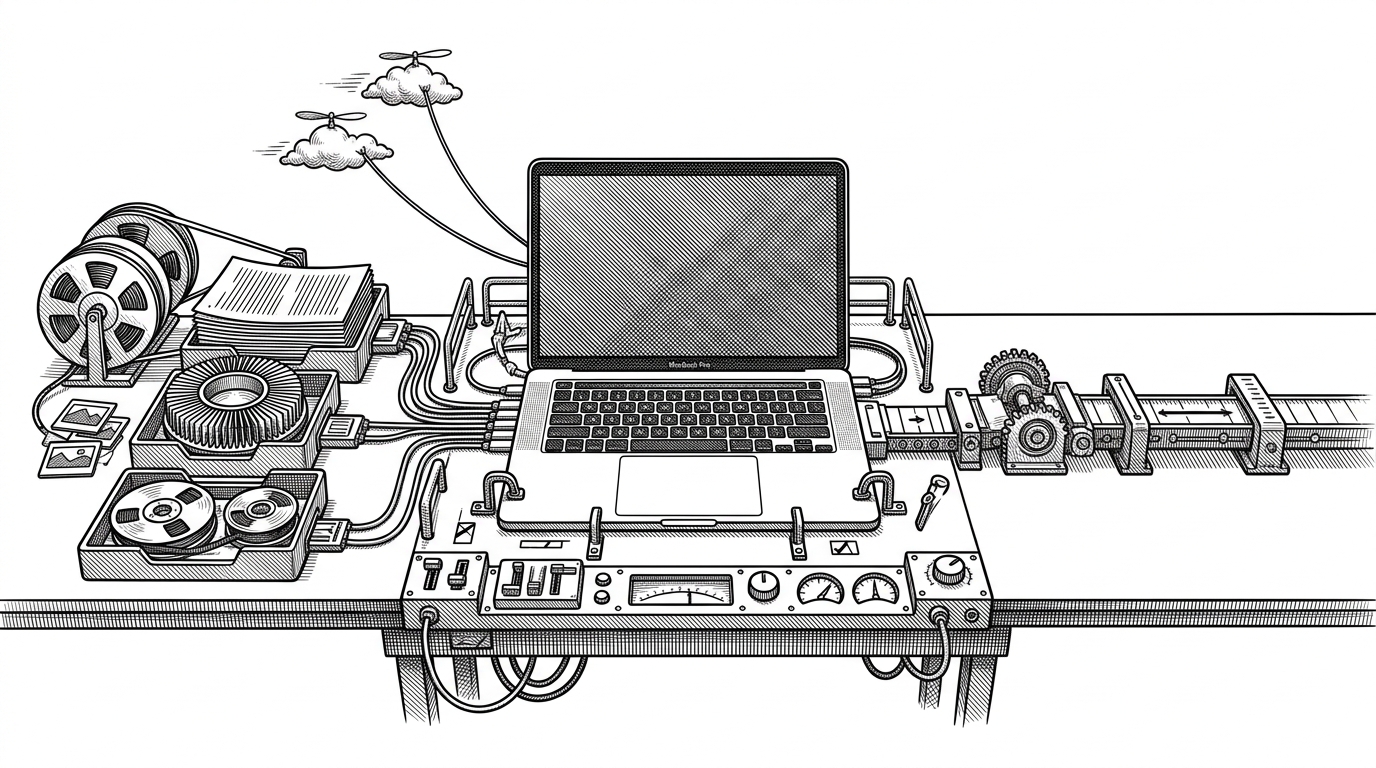
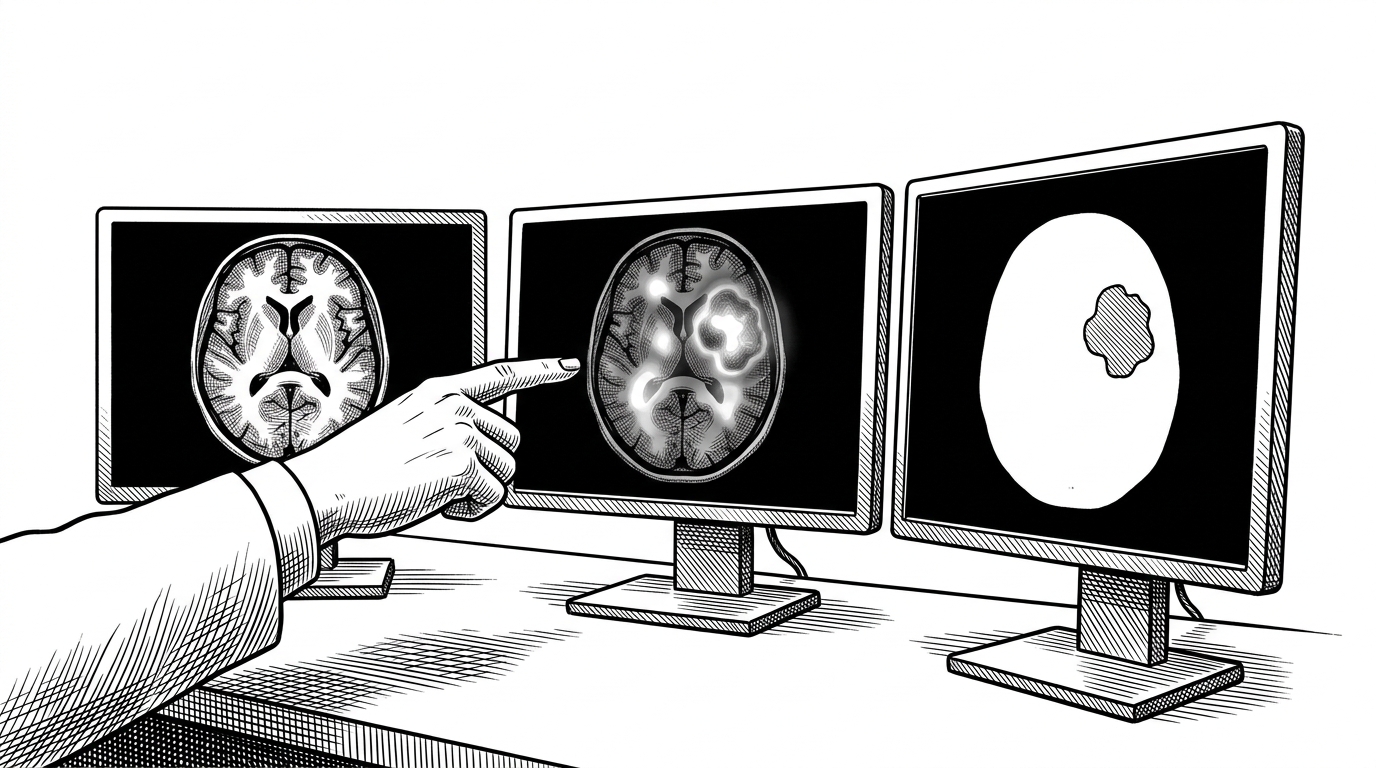
The heart of the stack is a unified Transformer interface. Batch keys can point to tokens, images, or audio, and the model wiring stays coherent because the same backbone handles the sequence after modality-specific preprocessing.
That elegance matters more than it sounds. If every modality gets its own special path, the system becomes hard to reason about, hard to test, and hard to extend. Gemma’s approach keeps the backbone shared while letting the entry points differ.
The result is not a monolith. It is a layered system with a common trunk, separate input adapters, and attention behavior that can change by layer and model version.
Why Gemma’s Attention Stack Matters
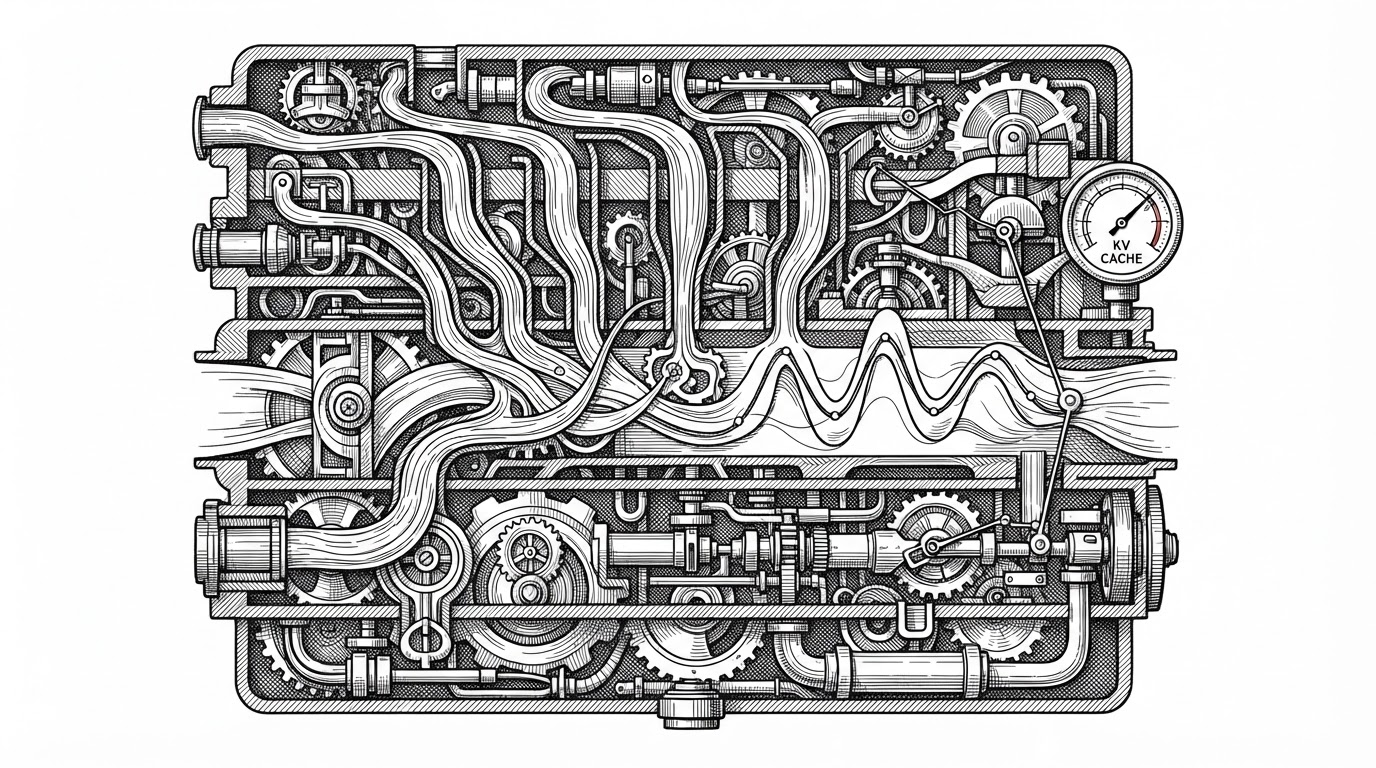
The architecture leans on a recurring pattern: local sliding attention for efficiency, global attention for long-range structure, and soft-capping to keep logits from blowing up. Those are not decorative implementation details. They are the knobs that let the model stay stable and economical.
| Design choice | What it buys | Why it matters |
|---|---|---|
| Local sliding attention | Lower KV cache cost | Keeps sequence work bounded without losing all context |
| Global attention | Long-range dependency tracking | Prevents the model from becoming myopic |
| Soft-capping | Stabler logits | Reduces drift during training and inference |
| QK norm | More controlled attention scaling | Helps the model stay numerically well-behaved |
| Cache sharing | Reuse across layers | Improves runtime efficiency in Gemma 4 |
In other words, Gemma is not trying to win by brute force alone. It is trying to make a large multimodal model behave like a disciplined system.
What Gemma 4 Changes
Gemma 4 is the point where the repo’s direction becomes obvious. Native audio and vision support show up in the code, and the model family starts to look less like a language model with accessories and more like a broad multimodal platform.
The addition of MoE is equally telling. It suggests a willingness to trade internal complexity for better throughput and selective activation, which fits the broader Gemma pattern: keep inference practical even as capability expands.
By only activating a 4B subset of parameters during inference, the Mixture-of-Experts model runs much faster than its 26B total might suggest. This makes it an excellent choice for fast inference compared to the dense 31B model.
That is the strategic bet here. Gemma 4 is not just bigger. It is broader, more modular, and more explicit about how modality, routing, and compute budget interact.
| Family | Multimodality | Efficiency posture | Best fit |
|---|---|---|---|
| Gemma | Native multimodal direction with JAX-first modularity | Hardware-conscious and research-friendly | Builders who want inspectable frontier-model internals |
| Llama | Strong ecosystem, multimodality through separate stacks | Broad deployment support | Teams optimizing for tooling depth and community support |
| Mistral/Mixtral | MoE expertise and efficient dense alternatives | Throughput-oriented | Enterprise teams balancing cost and performance |
| Qwen | Strong coding and agentic reputation | Capability-first in many use cases | Builders focused on coding, long-context reasoning, and agent workflows |
How It Fits Into the Open-Weights Landscape
Against Llama, Mistral, and Qwen, Gemma’s differentiator is coherence. It does not just chase breadth. It pairs multimodal ambition with a JAX-native implementation, a research-grade codebase, and a model family that still looks like one family rather than a collection of unrelated releases.
That makes it especially interesting for teams that care about more than raw capability. If you want a model stack you can inspect, adapt, shard, fine-tune, and embed into agent workflows, Gemma reads like a serious option rather than a curiosity.
Why This Repo Matters to Builders
The practical value is not that Gemma is magical. It is that the repo makes frontier trade-offs legible. You can see how modalities enter, how attention is budgeted, how checkpoints are handled, and how fine-tuning tools fit into the system.
That visibility is rare. Most model families arrive as polished endpoints. Gemma arrives as a blueprint, and blueprints are what builders use when they need to understand not just what a model does, but how to change it.